
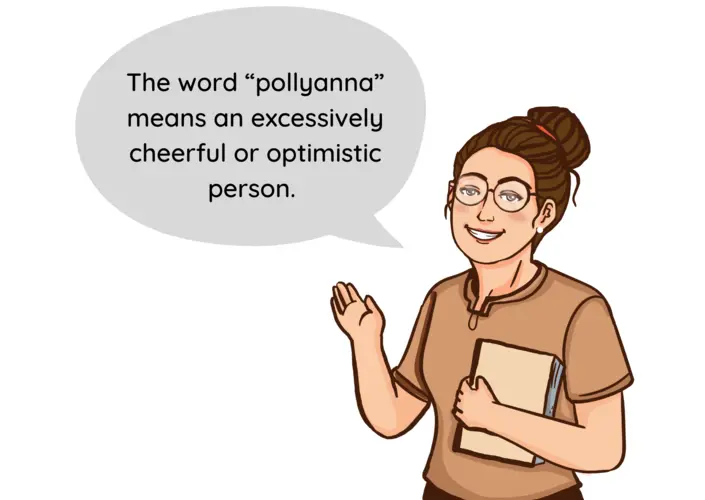
The term “Pollyanna” has become deeply ingrained in our vernacular, often used to describe a person characterized by unwavering optimism, even in the face of adversity. While the superficial understanding is readily accessible, delving deeper into the concept reveals a richer, more nuanced meaning, particularly when examined through the lens of brand identity and its impact on perception and strategy. To be a Pollyanna, in essence, is to embody a specific brand of positivity, one that is not merely a fleeting mood but a cultivated worldview that influences interactions, decisions, and ultimately, how one is perceived by others. This perception, in turn, can be strategically leveraged or, conversely, can present significant challenges in the competitive landscape of personal and corporate branding.

The Genesis of the Pollyanna: From Literature to Lexicon
The origins of the term are essential to understanding its enduring significance. The character of Pollyanna Whittier, created by Eleanor H. Porter in her 1913 novel of the same name, is the archetypal figure from which the adjective derives its meaning. Pollyanna, an orphaned girl, arrives in a dreary town and, through her relentless optimism, transforms the lives of those around her. Her core philosophy, the “Glad Game,” involves finding something to be glad about in every situation, no matter how dire. This game is not a denial of reality but a deliberate reframing, a conscious choice to focus on the positive aspects.
Pollyanna Whittier: The Literary Blueprint
Pollyanna’s innocence and unwavering belief in the good of others, even when met with skepticism or cruelty, are central to her character. She doesn’t ignore hardship; instead, she actively seeks out the silver lining. This characteristic allowed her to foster connections, mend fractured relationships, and bring a sense of hope to a community steeped in gloom. Her internal compass consistently points towards the positive, making her a beacon of light for those around her. This unwavering positivity, while initially viewed as naive by some, ultimately proves to be a powerful force for change.
The “Glad Game” as a Foundational Brand Principle
The “Glad Game” is the operational manual for the Pollyanna brand. It’s a tangible strategy for navigating life’s complexities. In branding terms, this translates to a commitment to a consistent and recognizable positive outlook. It’s not about pretending problems don’t exist, but about proactively seeking solutions and highlighting progress, however small. This principle can be applied to any brand, whether personal or corporate, as a guiding philosophy for communication, customer service, and crisis management. A brand that consistently adopts the “Glad Game” principle will cultivate a reputation for resilience and optimism, which can be a significant competitive advantage.
The Pollyanna Persona: Strengths and Strategic Implications
Embodying the Pollyanna persona, or cultivating a brand that aligns with its principles, offers distinct advantages. It can foster loyalty, inspire confidence, and create a memorable identity. However, like any strong brand archetype, it also comes with inherent challenges and potential pitfalls that must be carefully managed.
The Power of Positivity in Brand Perception
A consistently optimistic brand is inherently attractive. In a world often saturated with negativity, a beacon of hope and positivity can cut through the noise. This can translate into increased customer engagement, higher brand loyalty, and a more favorable public image. When a brand consistently communicates a positive outlook, it builds trust and associates itself with desirable qualities like resilience, innovation, and a genuine desire to make things better. This positive association can be a powerful differentiator in crowded markets. For individuals, this translates to being seen as approachable, inspiring, and a source of encouragement.
Navigating the Fine Line: Optimism vs. Naivety
The primary challenge for any brand aiming to embody the Pollyanna spirit lies in avoiding the perception of naivety or a disconnect from reality. Unchecked optimism can be mistaken for a refusal to acknowledge problems or a lack of seriousness. In business, this can lead to a loss of credibility if a brand appears out of touch with the genuine concerns of its stakeholders. Therefore, the “Glad Game” must be played with intelligence and a pragmatic understanding of challenges. It’s about finding the positive within the difficult, not ignoring the difficult altogether. This requires sophisticated communication that acknowledges challenges while emphasizing proactive solutions and forward momentum.
The Pollyanna Brand Archetype in Action: Case Studies
Brands that successfully embody aspects of the Pollyanna archetype often excel in industries where hope, inspiration, and positive impact are key. Think of charities that highlight the transformative power of their work, or companies that focus on sustainable solutions and future-oriented innovation. While explicit “Pollyanna” branding is rare, many successful brands implicitly adopt its principles. For instance, a company that consistently emphasizes its commitment to customer satisfaction, even in the face of occasional service hiccups, is leveraging a Pollyanna-esque approach by focusing on improvement and positive outcomes. Similarly, personal brands that consistently share inspiring stories and foster a sense of community can be seen as embodying the Pollyanna spirit.
The Strategic Cultivation of a Pollyanna Brand
Developing a “Pollyanna” brand is not simply about adopting a cheerful demeanor; it requires a deliberate and consistent strategy that is woven into the fabric of the brand’s operations and communication. This involves understanding the core tenets of the archetype and applying them thoughtfully across all brand touchpoints.
Defining the Core Message: What is Your “Glad Game”?
Every brand that wants to resonate with the Pollyanna spirit needs to define its unique “Glad Game.” This is the core message that underpins its optimistic outlook. Is it about empowering individuals, fostering innovation for a better future, or creating joy through its products or services? This core message must be authentic and deeply rooted in the brand’s values and mission. Without a clear and compelling “Glad Game,” the brand’s optimism can feel superficial and unconvincing. For example, a tech company’s “Glad Game” might be about how its innovations are simplifying lives and opening up new possibilities, rather than just focusing on the technical features.
Communicating Positivity: Tone, Language, and Visuals
The way a brand communicates is paramount to establishing its Pollyanna identity. This includes the tone of its marketing materials, the language used in customer interactions, and even the visual aesthetics of its branding. A consistent use of uplifting language, positive storytelling, and bright, inviting visuals can reinforce the brand’s optimistic positioning. However, as mentioned, this communication must be balanced with authenticity and an awareness of real-world challenges. The goal is to inspire hope and confidence, not to present a fairy tale. This requires a sophisticated understanding of audience perception and a commitment to genuine, empathetic communication.

Resilience and Adaptability: The Evolving Pollyanna Brand
Even the most optimistic brand will inevitably face challenges, setbacks, and criticism. A true Pollyanna brand is not defined by its immunity to problems, but by its ability to respond to them with resilience and adaptability. Instead of succumbing to negativity, it finds ways to learn from these experiences, pivot, and emerge stronger. This involves having robust crisis communication plans, a willingness to admit mistakes and make amends, and a continuous drive to improve. The “Glad Game” evolves with experience, becoming more nuanced and sophisticated over time. This ongoing process of adaptation ensures that the brand’s positivity remains relevant and credible, even in the face of significant obstacles. The ability to frame challenges as opportunities for growth is a hallmark of a mature and enduring Pollyanna brand.
In conclusion, to be a Pollyanna, in the context of branding, is to cultivate a deliberate and authentic persona of unwavering optimism. It’s a powerful strategic choice that, when executed with nuance and intelligence, can foster deep connections, inspire loyalty, and create a uniquely memorable and influential brand identity. It is not about ignoring reality, but about actively choosing to focus on the positive, to find the “glad” in every situation, and to leverage that perspective as a driving force for success and positive impact.
aViewFromTheCave is a participant in the Amazon Services LLC Associates Program, an affiliate advertising program designed to provide a means for sites to earn advertising fees by advertising and linking to Amazon.com. Amazon, the Amazon logo, AmazonSupply, and the AmazonSupply logo are trademarks of Amazon.com, Inc. or its affiliates. As an Amazon Associate we earn affiliate commissions from qualifying purchases.