
In the fast-paced world of consumer engagement, the term “indefinite hiatus” often sends shockwaves through a brand’s community, whether that brand is a global corporation, a cult-favorite fashion label, or a high-profile personal brand. For many, the word “hiatus” suggests a temporary break, but the modifier “indefinite” introduces a layer of strategic ambiguity that can either be a masterstroke of reputation management or the beginning of a quiet dissolution.
In the context of brand strategy and corporate identity, an indefinite hiatus is rarely a simple vacation. It is a calculated pause in operations, communication, or product releases that allows a brand to pivot, restructure, or distance itself from a specific era of its history. Understanding what this means—and how to navigate it—is essential for brand managers, marketers, and stakeholders who must preserve brand equity when the “Open” sign is taken down.

Defining the Indefinite Hiatus in the Brand Lifecycle
At its core, an indefinite hiatus is a suspension of activity with no set date for return. Unlike a “seasonal break” or a “limited-time closure,” which provide consumers with a timeline for re-engagement, the indefinite hiatus intentionally leaves the future open-ended. Within the framework of brand strategy, this serves several specific functions.
The Difference Between a Break and a Discontinuation
To understand the indefinite hiatus, one must distinguish it from a total brand discontinuation. When a brand is discontinued, the corporate identity is retired, assets are liquidated, and the narrative ends. An indefinite hiatus, however, keeps the brand’s “intellectual property” and “emotional equity” in a state of suspended animation. The brand still exists in the minds of the consumers; it simply stops producing new touchpoints. This allows the parent company or the individual behind a personal brand to retain ownership and potential future value without the immediate pressure of operational overhead or content creation.
The Psychology of “Indefinite” in Consumer Perception
From a marketing perspective, the word “indefinite” is a powerful psychological tool. It creates a sense of scarcity and nostalgia. When a brand announces it is stepping away indefinitely, it often triggers an immediate surge in interest—a phenomenon known as the “farewell effect.” Consumers who may have taken the brand for granted suddenly scramble to engage with its final products or archive material. By not setting a return date, the brand maintains a level of mystery that keeps the conversation alive in digital communities and industry circles long after active marketing has ceased.
Strategic Drivers Behind the Brand Pause
Why would a successful brand choose to go dark? The decision is rarely arbitrary. In corporate identity management, an indefinite hiatus is often the result of internal or external pressures that make the current path unsustainable.
Market Saturation and the Need for Rejuvenation
In many lifestyle and luxury industries, brands suffer from “brand fatigue.” When a brand’s aesthetic or message becomes too ubiquitous, its value begins to dilute. An indefinite hiatus allows a brand to “clear the palate” of the market. By removing itself from the competitive landscape, the brand can wait for market trends to cycle back in its favor or use the time to develop a completely new visual identity and value proposition. This is a common strategy in the fashion world, where creative directors may put a label on hiatus for several years before a high-profile relaunch.
Crisis Management and Reputation Recovery
When a brand is embroiled in a significant controversy—be it a leadership scandal, a product failure, or an ethical lapse—the traditional PR cycle of “apologize and move on” may not be enough. In such cases, an indefinite hiatus serves as a tactical retreat. It removes the brand from the immediate line of fire, allowing public anger to dissipate. During this pause, the brand can undergo deep-seated structural changes, such as replacing its C-suite, auditing its supply chain, or rebranding its core mission, all while out of the intense glare of the media spotlight.
Operational Restructuring and M&A Integration
In the corporate world, an indefinite hiatus is often a byproduct of mergers and acquisitions (M&A). When a larger conglomerate acquires a smaller brand, they may put the smaller brand’s operations on an indefinite hiatus while they figure out how to integrate its technology, customer data, or intellectual property into the parent company. This avoids brand cannibalization and gives the strategists time to decide if the acquired brand should be revived as a sub-brand or eventually absorbed entirely.
The Risks of Going Dark: Identity Erosion and Market Share
While there are strategic benefits to a hiatus, the “indefinite” nature of the break carries significant risks. In a digital economy where attention is the primary currency, being absent can be as damaging as being unpopular.
The Vacuum Effect: Competitor Encroachment
The most immediate danger of an indefinite hiatus is the “vacuum effect.” When a brand stops serving its audience, that audience’s needs do not disappear; they simply migrate. Competitors are often quick to identify the gap left by a brand on hiatus and will aggressively target that disenfranchised customer base. If a hiatus lasts too long, the cost of customer acquisition upon return may be prohibitively high because the original audience has already formed new loyalties and habits.
Losing the Narrative: When Silence Becomes Speculation
In the absence of official communication, the public will create its own narrative. An indefinite hiatus can lead to rumors of bankruptcy, internal strife, or permanent closure. If the brand does not manage the “silence” effectively, the identity of the brand can be redefined by external speculators. For a personal brand or an influencer, an indefinite hiatus without a clear “why” can lead to a loss of trust, as followers may feel abandoned or misled.
Case Studies: Successful and Failed Returns
Looking at historical precedents provides a roadmap for how indefinite hiatuses function in the real world of branding.
The Comeback Architecture
Successful returns from an indefinite hiatus usually share one common trait: a “New Era” narrative. Consider fashion houses like Balenciaga or Schiaparelli, which sat dormant for decades before being revived. The “hiatus” in these cases served to turn the brands into legendary artifacts, making their eventual return feel like a historic event rather than just a product launch. The key was maintaining the core “DNA” of the brand while updating the “delivery” for a modern audience.
The Perpetual Pause: When Hiatus Becomes Retirement
Conversely, many brands enter an indefinite hiatus and never return. This is often seen in the tech-adjacent brand space or the music industry. When a brand remains on hiatus for too long without any “pulse signals” (such as archival releases or social media legacy posts), it loses its relevance. Eventually, the brand equity evaporates, and the hiatus becomes a de facto retirement. The “indefinite” tag, in these cases, was merely a polite way of saying goodbye without the finality of a closing announcement.
Navigating the Hiatus: A Strategic Roadmap for Brand Managers
If a brand must go on an indefinite hiatus, it must be managed with the same precision as a product launch. A “quiet exit” is rarely the best approach; instead, a managed transition is required to keep the door open for a future return.
Communication Protocols for Stakeholders
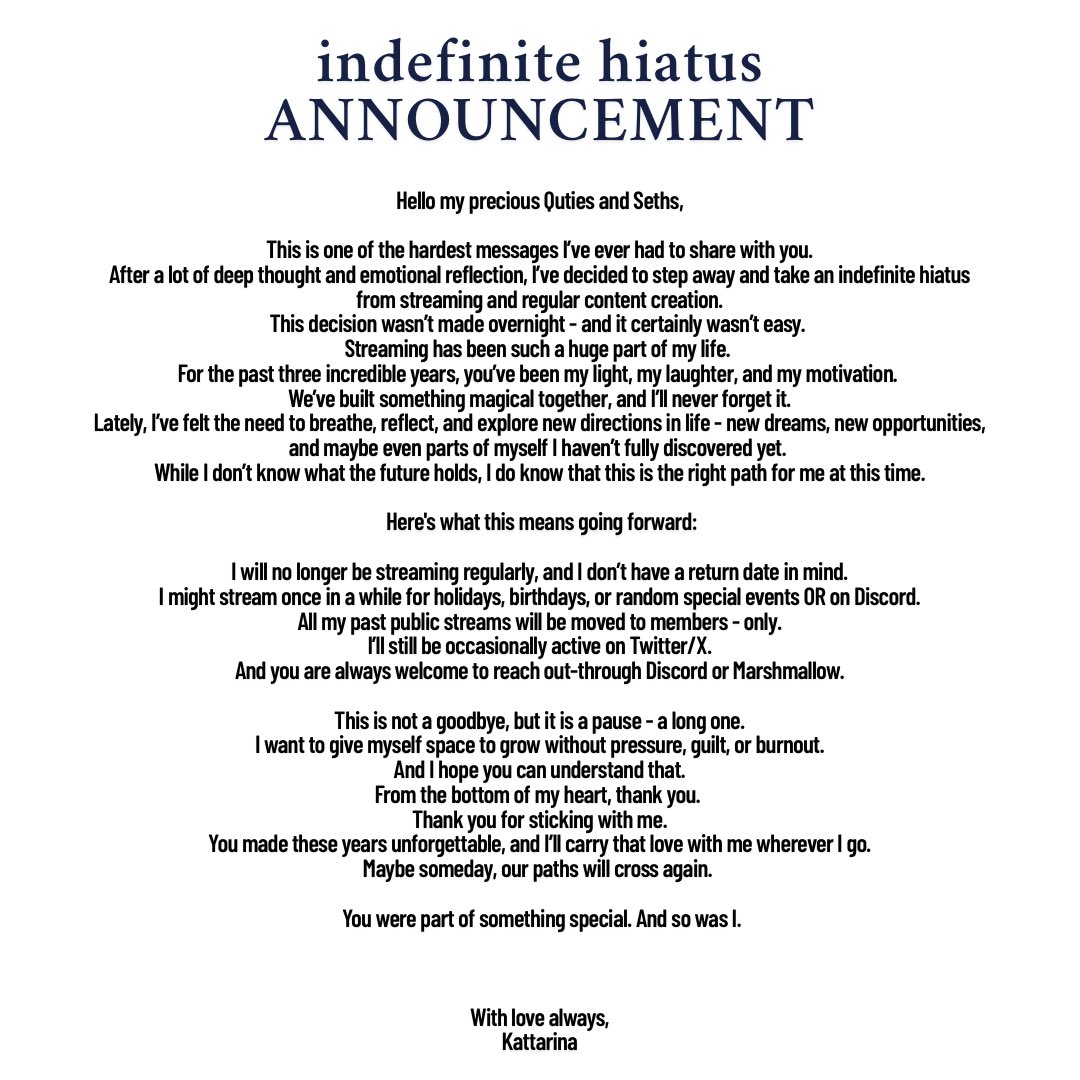
The announcement of an indefinite hiatus should be transparent but firm. Brand managers must communicate to investors, employees, and customers the intent of the hiatus—even if the timeline remains vague. Using language that emphasizes “reflection,” “evolution,” and “long-term vision” helps frame the pause as a proactive choice rather than a reactive failure. This preserves the dignity of the corporate identity and keeps the brand’s reputation intact.
Maintaining Brand Equity Without Active Production
A brand on hiatus should not be a dead brand. Strategic brand maintenance involves keeping the “legacy” alive. This can be achieved through:
- Archival Content: Sharing “throwback” content or history that reinforces the brand’s impact.
- Community Management: Keeping forums or social media comments active to monitor the sentiment of the remaining fan base.
- Legacy Licensing: Allowing the brand’s name or IP to appear in controlled, high-quality collaborations that keep the brand visible without requiring full-scale operations.
By treating an indefinite hiatus as a chapter in a brand’s story rather than its conclusion, organizations can leverage the power of the pause to build a stronger, more resilient corporate identity for the future. Whether the hiatus lasts six months or six years, the goal remains the same: to ensure that if and when the brand decides to return, the world is still listening.
aViewFromTheCave is a participant in the Amazon Services LLC Associates Program, an affiliate advertising program designed to provide a means for sites to earn advertising fees by advertising and linking to Amazon.com. Amazon, the Amazon logo, AmazonSupply, and the AmazonSupply logo are trademarks of Amazon.com, Inc. or its affiliates. As an Amazon Associate we earn affiliate commissions from qualifying purchases.