
The world of sleep technology has undergone a profound transformation, moving far beyond the simple spring or foam options of yesteryear. Among the most significant innovations is the “hybrid” mattress, a term that has become increasingly prevalent but often misunderstood. Far from being a mere marketing buzzword, “hybrid” in the context of mattresses signifies a sophisticated fusion of different material technologies, meticulously engineered to deliver a superior sleep experience. This concept isn’t just about combining two elements; it’s about synergistically blending the best attributes of traditional mattress types to mitigate their individual weaknesses, offering sleepers a balanced, comfortable, and supportive foundation for rest.
The Core Concept: Unpacking “Hybrid” in Sleep Technology
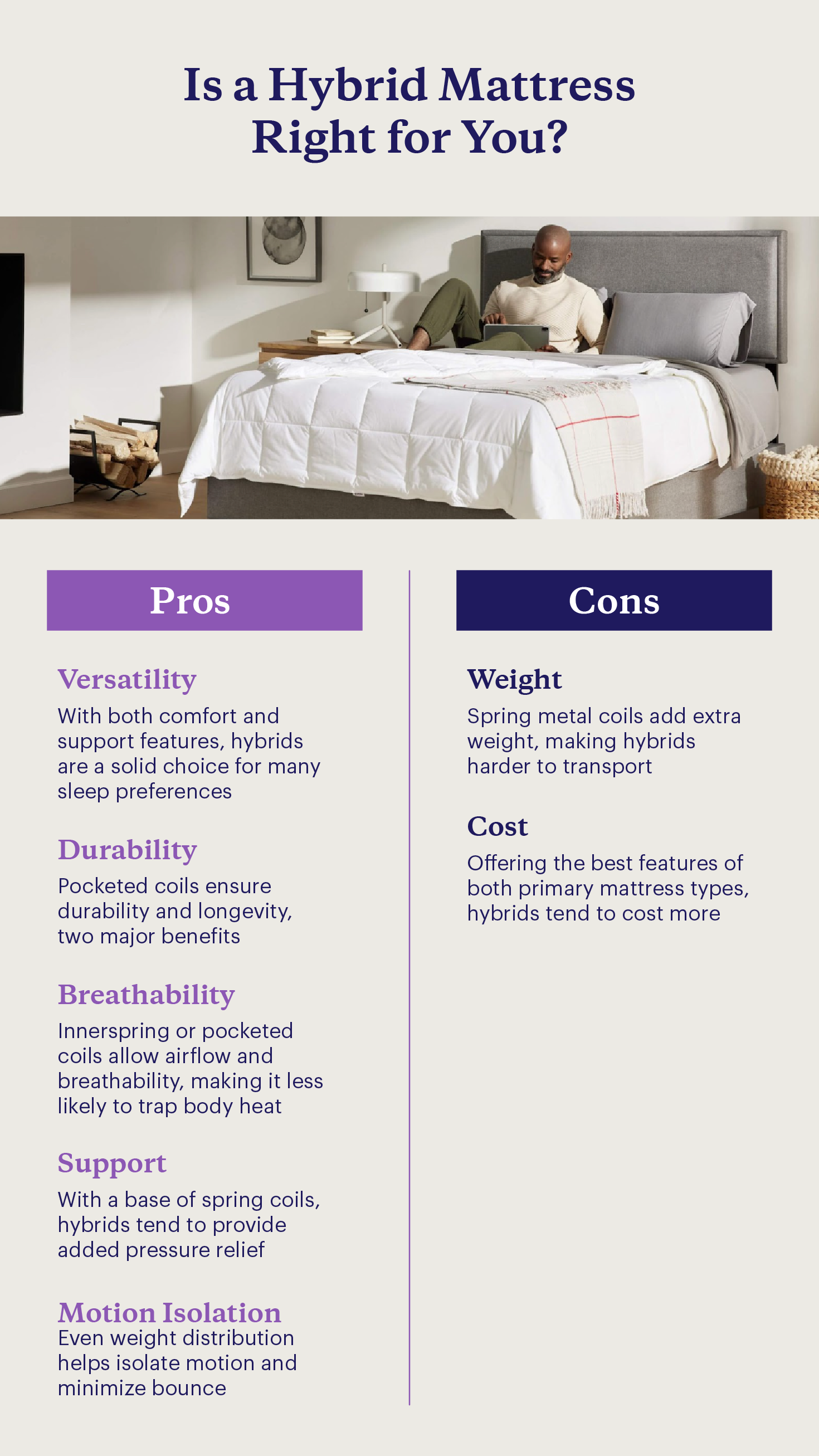
At its heart, a hybrid mattress is a multi-layered sleep system that typically combines an innerspring coil support core with multiple layers of foam or other comfort materials. This strategic combination aims to harness the durable, responsive support and breathability of innerspring systems while integrating the pressure-relieving comfort, contouring, and motion isolation properties of advanced foams. It represents an evolution in mattress design, moving towards a “best of both worlds” approach that addresses common complaints associated with single-material mattresses.
A Fusion of Best Worlds: Coils and Foam
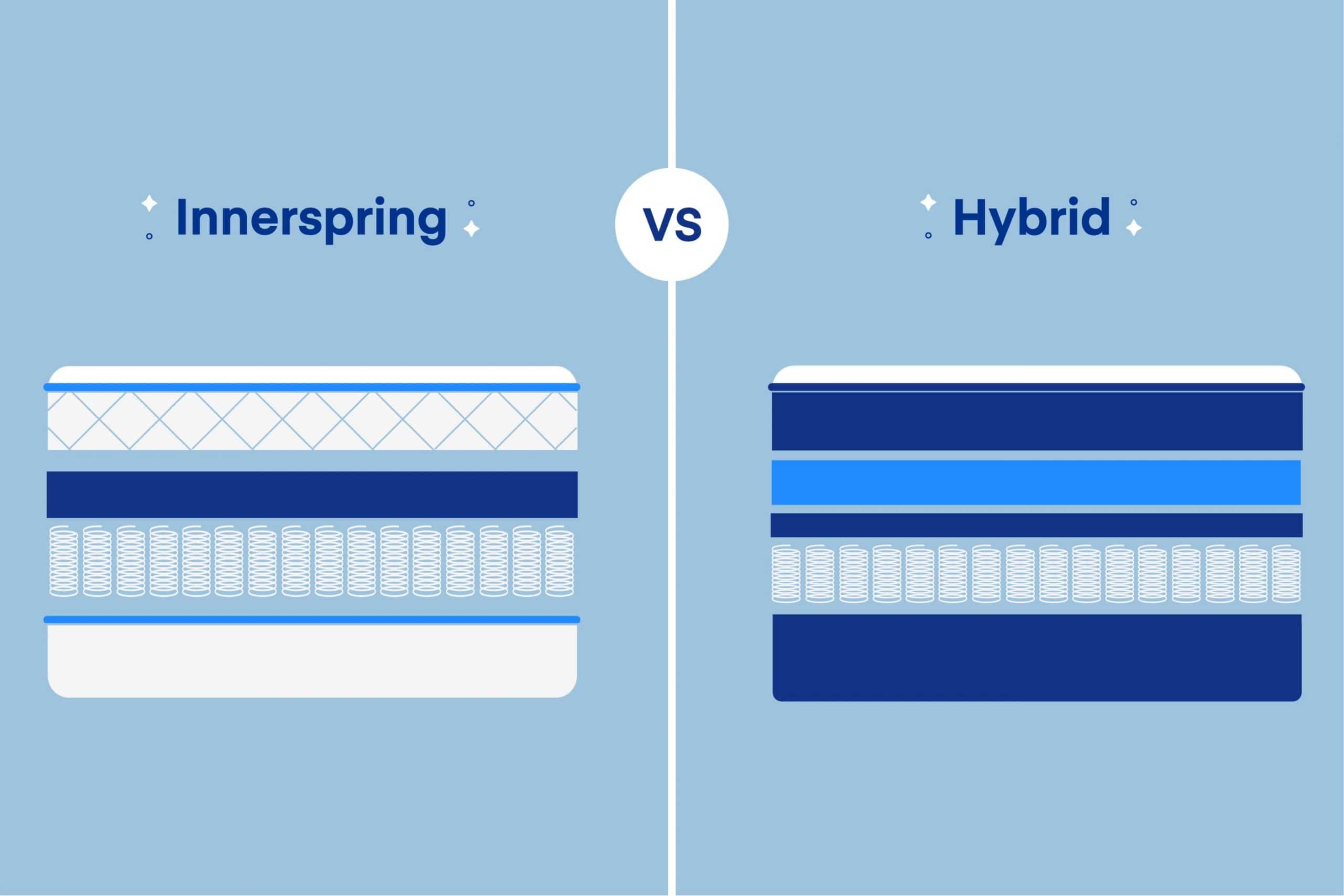
Historically, mattresses were largely categorized into two main types: innerspring and foam. Innerspring mattresses, with their interconnected or individually pocketed coils, excel at providing robust support, excellent airflow to prevent overheating, and a responsive feel that makes moving around easier. However, they can sometimes lack sufficient pressure relief, especially for sensitive areas like shoulders and hips, and may transfer motion more readily. On the other hand, foam mattresses—including memory foam and latex—are renowned for their exceptional pressure contouring, motion isolation, and ability to alleviate pressure points. Their drawbacks often include potential heat retention, a “sinking” feeling that can make repositioning difficult, and sometimes a less robust edge support.
The hybrid mattress emerges as the elegant solution to these trade-offs. By integrating a supportive coil base, often featuring individually wrapped pocketed coils, with layers of diverse foams—such as memory foam, latex, polyfoam, or gel-infused foams—it delivers a dynamic sleep surface. The coils provide the foundational support, bounce, and breathability, while the foam layers cradle the body, dissipate pressure, and minimize disturbances from a sleeping partner. This fusion is a testament to technological advancement in material science and ergonomic design, focusing on optimizing the overall sleep environment.
Beyond the Basics: Understanding the Layered Approach
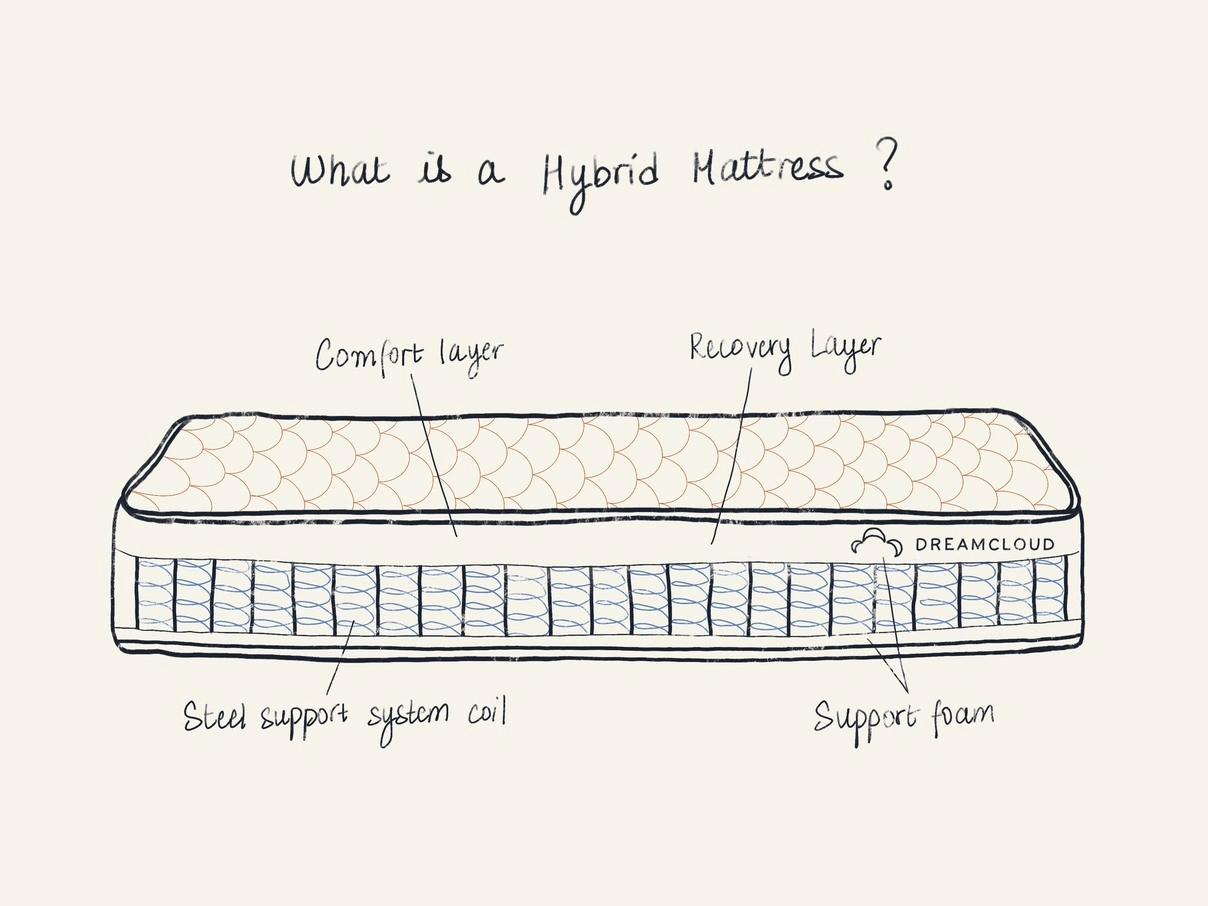
The architecture of a hybrid mattress is crucial to its performance. Typically, a hybrid consists of several distinct layers, each serving a specific purpose:
- Base Layer: This is often a dense foam layer that provides stability and a foundation for the entire mattress, ensuring durability and preventing the coils from shifting.
- Support Core (Coil System): This is the defining feature, composed of thousands of steel coils. Modern hybrids predominantly use “pocketed coils,” where each coil is individually wrapped in fabric. This design allows each coil to move independently, offering targeted support, superior motion isolation, and excellent airflow.
- Transition Layer(s): Situated directly above the coils, these layers often consist of various densities of polyfoam. Their role is to provide a buffer between the firm coils and the softer comfort layers, ensuring a smooth transition in feel and preventing sleepers from feeling the coils.
- Comfort Layer(s): These are the topmost layers and can vary widely in material and thickness. They are responsible for the mattress’s initial feel, contouring ability, and pressure relief. Common materials include memory foam (for deep contouring), latex (for responsive bounce and natural properties), and gel-infused foams (for cooling).
- Cover: The outermost fabric layer, which can be designed for breathability, softness, or even specific cooling properties.
This intricate layering is not arbitrary; it’s the result of extensive research and development, leveraging materials technology to create a harmonized sleep surface that addresses multiple facets of sleep comfort and support.
The Technology Behind Hybrid Mattresses: A Deep Dive into Innovation
The evolution of the hybrid mattress is intrinsically linked to advancements in material science, manufacturing processes, and smart technology. For a tech-focused individual, understanding the engineering that goes into these mattresses reveals a fascinating blend of traditional craftsmanship and cutting-edge innovation designed to optimize human performance through better sleep.
Advanced Coil Systems: Precision Engineering for Support
The coil system in a modern hybrid is a far cry from the rudimentary springs of old. Technology has transformed them into sophisticated support structures. Individually wrapped pocketed coils are the standard, offering several benefits:
- Targeted Support: Each coil responds independently to pressure, contouring more accurately to the body’s curves and providing support where it’s most needed, akin to personalized load-bearing algorithms.
- Superior Motion Isolation: Since coils are not interconnected, movement on one side of the bed is significantly less likely to disturb a partner, a key technological advantage for shared sleep.
- Enhanced Durability: The individual encasements protect the coils from friction and wear, extending the lifespan of the support core.
- Improved Airflow: The open structure of the coil system allows for much greater air circulation compared to solid foam blocks, actively drawing heat away from the body. Some systems even incorporate specialized airflow channels within the coil layout.
Beyond basic pocketed coils, some manufacturers employ zoned coil systems, where coils of varying gauges or designs are strategically placed to offer different levels of support to specific body areas (e.g., firmer coils under the lumbar, softer under the shoulders). This biomechanical approach to mattress design significantly enhances ergonomic support.
Next-Generation Foams: Comfort and Performance
The foam layers in hybrid mattresses are where much of the innovative material science comes into play. These aren’t just generic foam blocks; they are engineered for specific attributes:
- Memory Foam Evolution: Early memory foam suffered from heat retention. Modern memory foams are often infused with gel, copper, graphite, or open-cell structures to improve thermal regulation and dissipate heat more effectively. These are direct technological responses to consumer pain points.
- Latex Technology: Natural latex, derived from rubber trees, offers a buoyant, responsive feel with excellent durability and breathability. Synthetic latex provides similar properties. Both types undergo sophisticated processing to achieve consistent cell structures and varying densities for different comfort levels.
- Proprietary Foams: Many brands invest heavily in R&D to develop their own proprietary foam formulations, often with unique cellular structures or additives designed for specific qualities like enhanced pressure relief, faster responsiveness, or superior cooling. This is a critical area for technological differentiation.
Smart Mattress Integration: The Future of Hybrid Sleep
The intersection of mattresses with digital technology is an emerging frontier. Some premium hybrid mattresses now incorporate smart features, elevating them beyond mere sleep surfaces:
- Embedded Sensors: These sensors can track sleep metrics such as heart rate, breathing patterns, movement, and sleep stages without requiring wearables. This data is transmitted to companion apps, offering users detailed insights into their sleep health.
- Adjustable Firmness Zones: Advanced systems allow users to wirelessly adjust the firmness of different zones of the mattress via a smartphone app, providing personalized comfort and support for each side of the bed.
- Temperature Regulation: Integrated heating and cooling elements can actively maintain an optimal sleep temperature, responding to ambient conditions or user preferences.
- AI-Powered Insights: Some systems use artificial intelligence to analyze sleep data over time, offering personalized recommendations for improving sleep hygiene or even detecting early signs of sleep disorders.
These tech integrations transform the hybrid mattress into an active participant in a user’s health and wellness journey, moving from a passive object to an intelligent sleep companion.
Manufacturing Innovations: Automation and Quality Control
The production of hybrid mattresses also benefits from significant technological advancements in manufacturing. Automated machinery ensures precision in coil placement and foam layering, leading to consistent product quality. Robotics are used for efficient material handling, cutting, and assembly. Advanced quality control systems, including laser scanning and pressure mapping, are employed to ensure that each mattress meets rigorous standards for comfort, support, and durability. This commitment to manufacturing technology ensures that the complex design of a hybrid mattress translates into a reliable and high-performance product.
Branding and Marketing Hybrid Mattresses: Crafting a Unique Value Proposition
In a competitive market, how a hybrid mattress is branded and marketed is as crucial as its technological superiority. Brands leverage the inherent advantages of hybrid design to create compelling narratives and carve out distinct identities, appealing to diverse consumer needs and aspirations.
Differentiating in a Crowded Market: Storytelling and USP
The mattress industry is saturated, and simply stating “we have coils and foam” isn’t enough. Successful brands craft unique selling propositions (USPs) that highlight their specific approach to hybrid design. This might involve:
- Emphasizing Proprietary Technology: Brands often showcase their unique coil systems (e.g., “quantum edge support,” “micro-coils”) or exclusive foam formulations (e.g., “air-infused memory foam,” “responsive comfort layer”) to signal innovation and superiority.
- Focusing on Specific Benefits: Instead of listing features, brands articulate the benefits: “coolest sleep,” “best for back pain,” “zero motion transfer for undisturbed sleep.”
- Lifestyle Branding: Connecting the mattress to a desired lifestyle – peak performance for athletes, restorative sleep for busy professionals, sustainable living for eco-conscious consumers. This goes beyond the product to the desired outcome.
- Transparent Sourcing and Materials: Highlighting the quality and origin of materials, such as organic cotton covers or natural latex, appeals to consumers prioritizing health and sustainability.
Effective brand strategy involves translating complex technical specifications into easily digestible and emotionally resonant stories that differentiate one hybrid from another.
The Psychology of “Hybrid”: Appealing to Diverse Needs
The term “hybrid” itself carries a positive psychological connotation, suggesting versatility, efficiency, and a blend of desirable traits without compromise. Brands strategically tap into this by positioning hybrid mattresses as the “ideal” solution for a broad spectrum of sleepers who might feel torn between the distinct characteristics of foam and innerspring options.
- Compromise Solved: For couples with different sleep preferences, a hybrid offers a harmonious middle ground.
- Versatility: It appeals to sleepers who want pressure relief but also bounce, or support without feeling “stuck.”
- Innovation and Modernity: The hybrid concept resonates with consumers who seek modern solutions and appreciate advanced engineering.
This broad appeal allows brands to target a wider demographic, from traditional innerspring loyalists seeking more comfort to foam enthusiasts wanting better support and cooling.
Building Trust and Reputation: Reviews, Guarantees, and Customer Experience
In the digital age, brand reputation is built on transparency and social proof. For hybrid mattresses, this manifests through:
- Extensive Trial Periods: Many brands offer 100-night (or longer) sleep trials, allowing customers to experience the mattress in their own home risk-free. This demonstrates confidence in the product and reduces consumer apprehension about a significant purchase.
- Robust Warranties: Long-term warranties (10-25 years) signal durability and the brand’s commitment to standing behind its product quality.
- User-Generated Content and Reviews: Encouraging and showcasing customer reviews is paramount. Positive feedback on comfort, support, cooling, and durability from actual users forms a powerful testimonial, validating the brand’s claims and influencing purchasing decisions.
- Exceptional Customer Service: Responsive and helpful customer support, from pre-purchase inquiries to post-delivery assistance, significantly enhances the overall brand experience and fosters loyalty.
These elements collectively build trust, which is invaluable for a brand selling a high-involvement product like a mattress.
Targeting Demographics: From Athletes to Side Sleepers
Brand marketing for hybrid mattresses often involves segmenting the audience based on specific sleep needs and lifestyles:
- Athletes and Active Individuals: Brands might highlight the restorative properties, targeted support for recovery, and cooling features crucial for performance.
- Side Sleepers: Emphasizing deep pressure relief for shoulders and hips, combined with adequate spinal alignment, appeals directly to this large group.
- Couples: Focus on motion isolation and personalized comfort zones becomes a key selling point.
- Eco-Conscious Consumers: Highlighting the use of natural latex, organic cotton, or sustainable manufacturing practices can resonate strongly.
By understanding these diverse needs, brands can tailor their messaging and product variations to effectively reach and convert specific demographic groups.
The Financial Equation: Investing in a Hybrid Mattress
While the comfort and technological aspects are paramount, the financial considerations of purchasing a hybrid mattress are significant. For many, a mattress is a long-term investment, and understanding its value proposition in monetary terms is crucial, linking directly to personal finance and savvy consumerism.
Cost vs. Value: Understanding the Price Spectrum
Hybrid mattresses generally sit in the mid-to-high price range of the mattress market. This higher upfront cost is a reflection of the complex multi-layer construction, the quality of diverse materials (advanced foams, individually wrapped coils), and the research and development invested in their design.
- Entry-Level Hybrids: Typically range from $800-$1,500 for a queen size, offering basic foam layers over a standard pocketed coil system.
- Mid-Range Hybrids: $1,500-$2,500, often featuring more sophisticated foam types (e.g., gel memory foam, natural latex), zoned coil systems, and enhanced covers.
- Premium/Luxury Hybrids: $2,500 and above, incorporating high-end materials, proprietary cooling technologies, superior coil counts, advanced smart features, and often handcrafted elements.
When evaluating the money spent, it’s essential to consider the value derived. A well-constructed hybrid, with its superior durability and extended comfort, often offers a lower cost-per-night over its lifespan compared to cheaper alternatives that may need replacing more frequently. This long-term financial perspective is key for prudent spending.
Long-Term Investment in Health and Productivity
From a personal finance perspective, a mattress is not merely an expense but an investment in one’s health, well-being, and ultimately, productivity.
- Improved Sleep Quality: Better sleep leads to enhanced cognitive function, improved mood, increased energy levels, and stronger immune systems. These benefits directly translate into better performance at work, fewer sick days, and a higher quality of life.
- Reduced Health Costs: Investing in ergonomic support and pressure relief can mitigate issues like back pain, joint stiffness, and poor circulation, potentially reducing future healthcare expenses related to these conditions.
- Enhanced Mental Well-being: Quality sleep is a cornerstone of mental health. A comfortable and supportive hybrid mattress contributes to less stress and anxiety, which are invaluable benefits that extend beyond mere monetary figures.
Therefore, the financial ROI on a good hybrid mattress can be substantial, even if difficult to quantify precisely, due to its impact on overall human capital.
Navigating Financing and Deals: Making it Accessible
Recognizing the significant upfront investment, many brands and retailers offer various financial tools and options to make hybrid mattresses more accessible:
- Interest-Free Financing: Partnerships with financing companies allow consumers to pay for their mattress in installments over several months or even years, often with 0% interest for qualified buyers. This significantly eases the immediate financial burden.
- Sales and Promotions: Mattress companies frequently run sales events (e.g., holiday sales, seasonal promotions) that can offer substantial discounts or bundled deals (e.g., free pillows, mattress protector). Timing a purchase during these periods can lead to significant savings.
- Bundle Deals: Many brands offer discounts when customers purchase a mattress alongside other sleep accessories like foundations, bed frames, or adjustable bases.
- Return Policies and Guarantees: Generous trial periods and warranties reduce the financial risk of making a wrong purchase, allowing consumers to buy with greater confidence.
Understanding these options is crucial for consumers looking to optimize their money management when investing in a high-quality hybrid mattress.
Comparing Hybrid to Other Mattress Types: A Cost-Benefit Analysis
When making a purchase decision, a comparative financial analysis is often performed.
- Vs. Innerspring: While some basic innerspring mattresses are cheaper, premium models can approach hybrid prices. Hybrids generally offer superior pressure relief and motion isolation for a comparable cost.
- Vs. All-Foam: High-quality memory foam or latex mattresses can be similarly priced or even more expensive than hybrids. Hybrids often provide better cooling and a more responsive feel, which some sleepers prefer.
- Vs. Airbeds: Advanced airbeds (e.g., Sleep Number) offer customizable firmness but are typically at the higher end of the luxury market, often significantly more expensive than most hybrids.
A hybrid mattress often presents a compelling money value proposition by offering a balanced blend of comfort, support, durability, and features found in higher-priced specialty mattresses, without necessarily reaching their peak cost. It strikes an optimal balance between initial investment and long-term benefits, making it a sound financial decision for many seeking premium sleep quality.
Choosing Your Ideal Hybrid: Considerations for the Discerning Sleeper
Selecting the right hybrid mattress is a personal journey, requiring an understanding of individual needs and preferences. With the array of technologies and brands available, a discerning approach ensures a smart investment in your sleep.
Personalized Comfort: Matching Sleep Styles and Needs
The beauty of hybrids lies in their versatility, but finding your ideal match requires self-awareness:
- Sleep Position: Side sleepers generally benefit from softer comfort layers for ample pressure relief at the shoulders and hips, while back and stomach sleepers need firmer support to maintain spinal alignment. The coil system provides critical support for all positions.
- Body Weight: Heavier individuals may need a hybrid with more robust coil systems and denser foam layers for adequate support and durability. Lighter individuals might prefer softer top layers.
- Firmness Preference: Hybrids come in a range of firmness levels, from plush to firm. Testing different options, ideally during a generous home trial, is essential.
- Temperature Sensitivity: If you tend to sleep hot, prioritize hybrids with advanced cooling features like gel-infused memory foam, open-cell foams, and breathable covers, leveraging the inherent airflow of the coil system.
Durability and Longevity: A Smart Purchase
A mattress is a significant financial investment, and its longevity is a key factor in its overall value. Hybrid mattresses are generally very durable due to their robust construction. The combination of steel coils and high-density foams often leads to a longer lifespan than many all-foam or traditional innerspring mattresses. Look for:
- Coil Gauge and Count: Thicker coils (lower gauge numbers) and higher coil counts often indicate better durability and support.
- Foam Density: Denser foams tend to resist sagging and body impressions more effectively over time.
- Warranty: A comprehensive warranty (10+ years) is a strong indicator of a manufacturer’s confidence in their product’s durability.
The Environmental Footprint: Sustainable Choices
For the environmentally conscious consumer, even mattress shopping can align with values. Some brands of hybrid mattresses incorporate sustainable practices and materials:
- Natural Latex: Sourced from rubber trees, natural latex is biodegradable and renewable.
- Organic Certifications: Look for certifications on covers (e.g., GOTS for organic cotton) and foams (e.g., CertiPUR-US for low VOCs).
- Recycled Steel: Some manufacturers use recycled steel for their coils.
- Eco-Friendly Packaging: Brands that use minimal or recycled packaging demonstrate a commitment to reducing their environmental impact.
Choosing a hybrid from such a brand can combine the desire for superior sleep with responsible consumption.
The Evolution of Sleep: Why Hybrid Mattresses are Here to Stay
The hybrid mattress is more than just a passing trend; it represents a significant leap forward in sleep technology and design. By intelligently combining the foundational support and breathability of innerspring systems with the pressure-relieving comfort of advanced foams, hybrids offer a holistic solution to common sleep challenges. For consumers, they provide a compelling value proposition, justifying their financial investment through superior comfort, durability, and health benefits. And for brands, the hybrid category offers ample room for innovation, differentiation, and storytelling, catering to an increasingly informed and demanding market. As our understanding of sleep’s critical role in overall well-being continues to grow, the hybrid mattress, with its balanced approach to comfort and support, is poised to remain a cornerstone of modern sleep environments, continually evolving with new technological advancements to promise a better night’s rest for all.
aViewFromTheCave is a participant in the Amazon Services LLC Associates Program, an affiliate advertising program designed to provide a means for sites to earn advertising fees by advertising and linking to Amazon.com. Amazon, the Amazon logo, AmazonSupply, and the AmazonSupply logo are trademarks of Amazon.com, Inc. or its affiliates. As an Amazon Associate we earn affiliate commissions from qualifying purchases.