
In the rapidly evolving landscape of digital interaction, we have spent decades perfecting two primary senses: sight and sound. We have transitioned from grainy monitors to ultra-high-definition OLED displays and from mono speakers to immersive spatial audio. However, for a long time, the third pillar of human perception—touch—remained largely ignored in the digital realm. This is where “haptics” comes in.
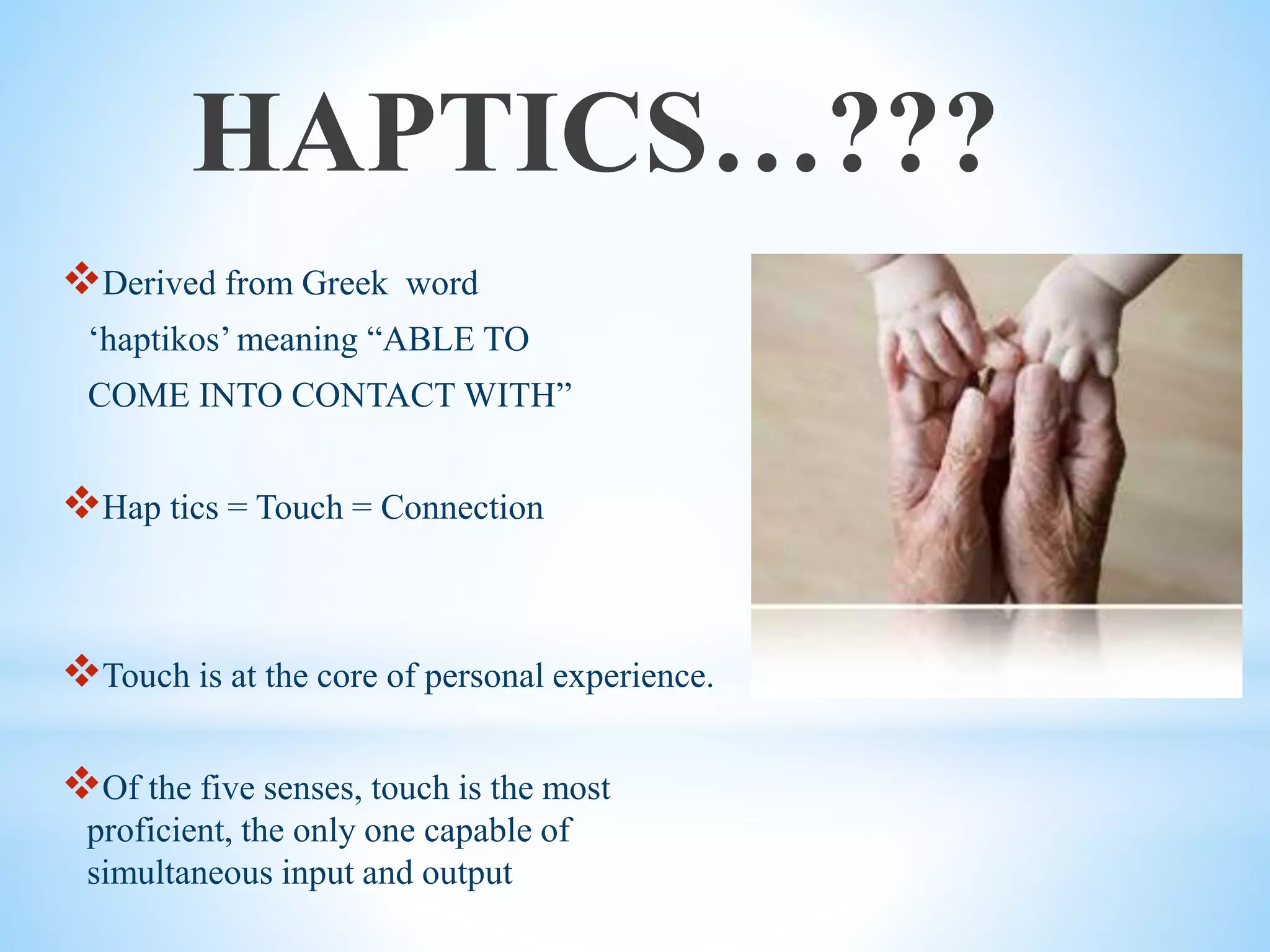
Derived from the Greek word haptikos, meaning “pertaining to the sense of touch,” haptics is the science and technology of transmitting information through tactile sensations. In the tech industry, haptics refers to any technology that can create an experience of touch by applying forces, vibrations, or motions to the user. Whether it is the subtle “click” you feel when typing on a glass smartphone screen or the tension in a gaming controller’s trigger, haptic technology is the invisible bridge between the physical and digital worlds.
The Evolution of Haptic Technology: From Buzzers to HD Feedback
To understand what haptics means in a modern tech context, we must first look at its trajectory. The technology has moved far beyond the simple “rumble packs” of the 1990s, evolving into a sophisticated language of vibration and resistance.
Tactile vs. Kinesthetic Feedback
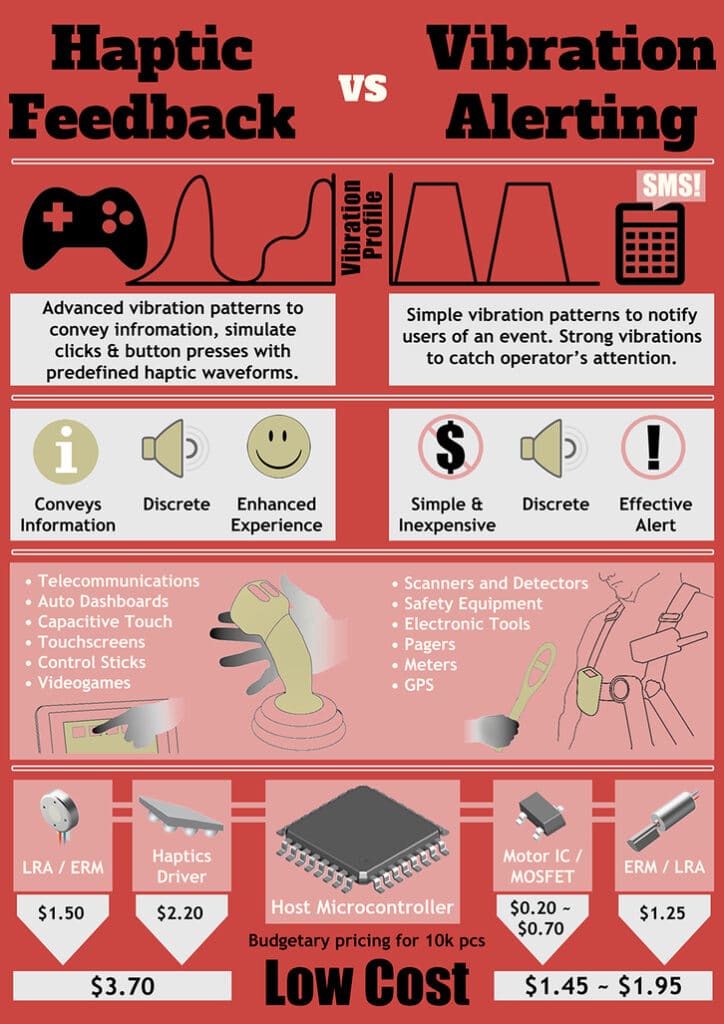
Haptics is generally divided into two main categories: tactile and kinesthetic. Tactile feedback refers to the sensations felt by the skin—vibration, texture, and temperature. This is what you experience when your phone vibrates in your pocket. Kinesthetic feedback, on the other hand, involves the sensation of movement and force. This is often seen in high-end flight simulators or robotic surgery tools where the user feels physical resistance against their muscles and joints.
The Shift to High-Definition (HD) Haptics
Early haptic devices used Eccentric Rotating Mass (ERM) motors—essentially a small weight on a spinning motor that created a general, “mushy” buzz. Today, the industry has shifted toward Linear Resonant Actuators (LRAs) and Piezoelectric actuators. These allow for “HD Haptics,” which can produce precise, instantaneous, and varied sensations. This leap in technology means that devices can now simulate the specific feeling of a physical button, the texture of sandpaper, or even the sensation of a drop of water hitting a surface.
Transforming the Mobile and Gaming Landscape
Perhaps the most visible application of haptics today is in the consumer electronics we use every hour. Tech giants have realized that haptic feedback is not just a “bonus” feature; it is a critical component of the User Experience (UX).
The Smartphone Revolution and the Taptic Engine
Apple’s introduction of the “Taptic Engine” redefined what users expect from their devices. By replacing the physical home button on the iPhone 7 with a solid-state surface that used haptics to mimic a click, they proved that software-driven touch could be as convincing as mechanical hardware. Today, haptics provide “micro-interactions” that guide us: the subtle tick-tick-tick of a virtual scroll wheel, the confirmation vibration of a successful FaceID scan, and the physical pushback when an error occurs. These sensations provide a “confirmation loop” that makes digital interfaces feel more tangible and reliable.
Immersive Gaming and the Sony DualSense
In the world of gaming, haptics has moved from a gimmick to a tool for immersion. The PlayStation 5’s DualSense controller is the current gold standard. Using dual actuators instead of traditional rumble motors, it can simulate the gritty resistance of driving through mud versus the smooth glide of driving on ice. Furthermore, its adaptive triggers can change their resistance dynamically. If a player’s in-game weapon jams, the trigger physically locks; if they are drawing a bowstring, the trigger becomes harder to pull as the tension increases. This level of tech-integrated feedback creates a deeper emotional and physical connection to the digital environment.
Beyond Entertainment: Precision in Medicine and Industry
While smartphones and gaming controllers are the most common examples, haptics plays a revolutionary role in professional tech sectors, particularly in fields where precision is a matter of life and death.
Robotic Surgery and Telemedicine
One of the greatest challenges in robotic-assisted surgery is the loss of “haptic sensation.” When a surgeon operates via a console, they can see the tissue, but they cannot feel its density or the tension of a suture. Modern haptic-enabled surgical robots are solving this by sending force feedback from the robotic arms back to the surgeon’s hands. This allows the doctor to “feel” the difference between healthy tissue and a hard tumor, or to know exactly how much pressure to apply when suturing a delicate artery. This technology is a cornerstone of the future of telemedicine, enabling specialists to perform procedures from thousands of miles away with the same tactile confidence as if they were in the room.
Industrial Training and Safety
In heavy industry and automotive tech, haptics serves as a vital safety layer. Many modern vehicles use haptic steering wheels or seats to alert drivers to lane departures or blind-spot obstacles. Instead of an annoying beep that might startle a driver, a subtle vibration on the left side of the steering wheel provides an intuitive, directional warning. Similarly, in industrial training, VR (Virtual Reality) haptic gloves allow technicians to practice repairing complex machinery without the risk of injury, providing realistic resistance when they “turn” a virtual wrench.
The Engineering Behind the Sensation: How It Works
To truly grasp the “Tech” niche of haptics, one must look under the hood at the hardware that makes these sensations possible. The transition from a simple vibration to a complex texture involves high-speed processing and specialized actuators.
ERM, LRA, and Piezoelectric Actuators
As mentioned, the Eccentric Rotating Mass (ERM) is the old guard—cheap and powerful but slow to start and stop, leading to “blurred” sensations. The Linear Resonant Actuator (LRA) is the current standard in smartphones; it moves a mass in a linear fashion, allowing for much quicker response times and more discrete “taps.” The cutting edge, however, is Piezoelectric haptics. These materials change shape when an electric charge is applied. They are incredibly thin, can produce a wide range of frequencies, and offer the most realistic “HD” sensations currently available in the tech market.
Software-Defined Haptics
The hardware is only half the battle. Software-defined haptics involves complex algorithms that translate audio or visual data into haptic patterns. For instance, some modern laptops use haptic trackpads. There is no physical “click” mechanism; instead, when the sensors detect pressure, the software triggers a haptic pulse so convincing that most users cannot tell the difference. This allows for thinner device designs and greater durability, as there are no moving parts to break over time.
The Future of Spatial Computing and the Metaverse
As we move toward “spatial computing” and the concept of the Metaverse, haptics will become the primary way we interact with a three-dimensional digital space. If you are reaching out to touch a virtual object in a VR headset, the illusion is broken if your hand simply passes through it.
Mid-Air Haptics and Ultrasound
One of the most exciting trends in haptic research is “mid-air haptics.” Companies like Ultraleap are using ultrasound waves to create points of pressure in the air. This allows users to “feel” virtual buttons or objects without wearing any gloves or holding a controller. By modulating ultrasonic frequencies, the tech can create the sensation of a physical barrier in empty space, opening the door for touchless interfaces in public kiosks or futuristic car dashboards.
Full-Body Haptic Suits
For the ultimate in immersive tech, haptic suits (like the Teslasuit) utilize Electro-Tactile Stimulation. These suits use small electrical impulses delivered to the skin to simulate everything from the sensation of wind and rain to the impact of a physical strike in a simulation. While currently focused on high-end research and extreme gaming, this technology represents the eventual goal of haptics: the total digitization of the human sense of touch.
Conclusion: The Final Frontier of Human-Computer Interaction
So, what does haptics mean? In the context of modern technology, it means the end of the “glass barrier.” For years, our interaction with computers was cold and flat. We tapped on glass and clicked plastic buttons. Haptics is changing that by giving the digital world weight, texture, and presence.
From the subtle haptic “heartbeat” of a wearable device to the life-saving feedback of a surgical robot, this technology is making our digital interactions more human. As actuators become smaller and algorithms more sophisticated, the line between what is physical and what is digital will continue to blur. Haptics is not just a feature; it is the language of touch, translated for the digital age, ensuring that as we move further into a virtual future, we don’t leave our most fundamental sense behind.
aViewFromTheCave is a participant in the Amazon Services LLC Associates Program, an affiliate advertising program designed to provide a means for sites to earn advertising fees by advertising and linking to Amazon.com. Amazon, the Amazon logo, AmazonSupply, and the AmazonSupply logo are trademarks of Amazon.com, Inc. or its affiliates. As an Amazon Associate we earn affiliate commissions from qualifying purchases.