
The world of cheese is vast and intricate, a landscape populated by a dazzling array of textures, aromas, and, of course, flavors. Among these, Gruyère stands as a distinguished figure, a cheese whose name alone conjures images of sophisticated charcuterie boards, bubbling fondue, and a depth of taste that transcends mere dairy. But what precisely is the flavor profile that has elevated Gruyère to such an esteemed position? Beyond the simple descriptors, understanding the taste of Gruyère is akin to dissecting a successful brand: it’s a complex interplay of origin, craftsmanship, and perception, all meticulously crafted to deliver a consistent yet nuanced experience. This exploration delves into the sensory characteristics of Gruyère, not merely as a food item, but as a powerful culinary brand, examining how its distinct taste contributes to its enduring appeal and market dominance.
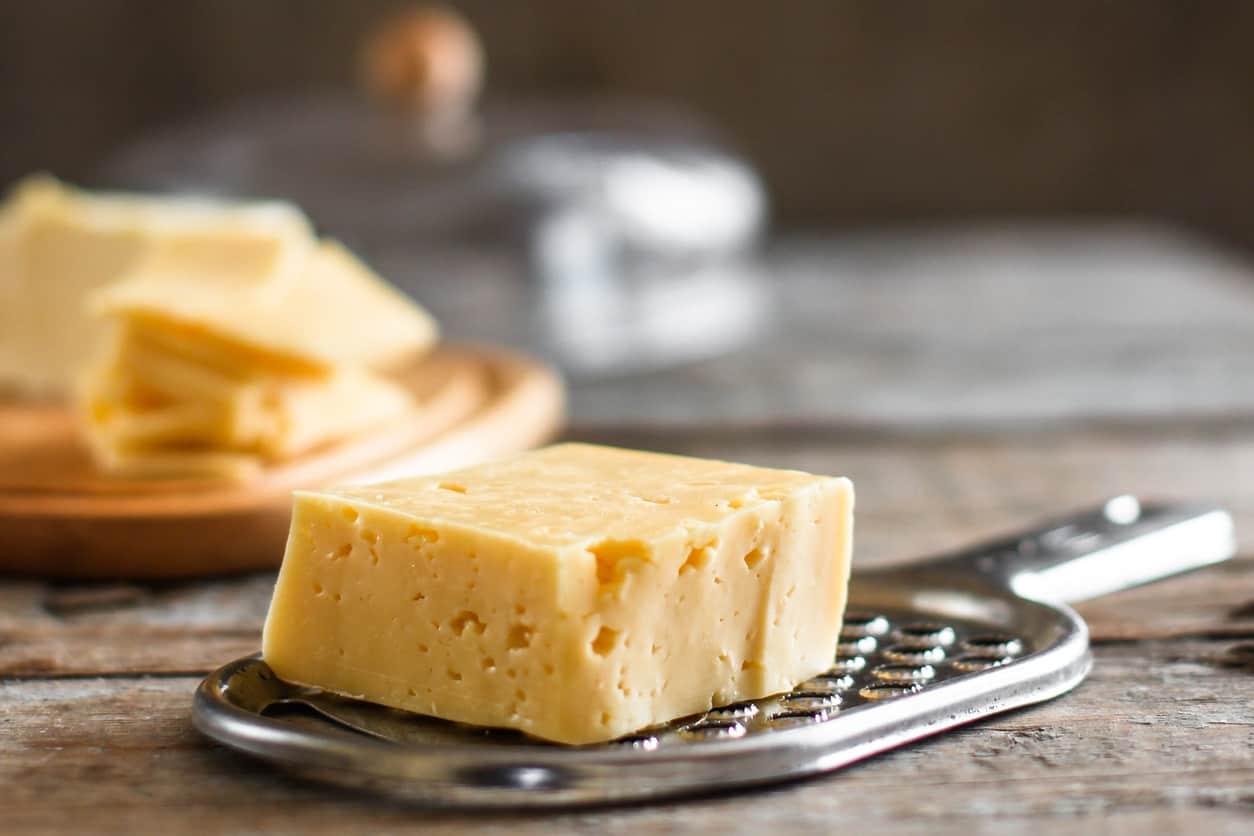
The Genesis of Flavor: Terroir and Tradition as Brand Pillars
The most fundamental aspect of Gruyère’s brand identity is inextricably linked to its origins. Like a heritage brand that draws strength from its historical roots, Gruyère’s taste is deeply rooted in the specific microclimate and traditional cheesemaking practices of its namesake region in Switzerland. This connection to terroir – the environmental factors that affect a crop’s phenotype – is a critical differentiator and a powerful storytelling element in its branding.
The Swiss Landscape: A Foundation of Purity
Gruyère AOP (Appellation d’Origine Protégée) is not just a cheese; it’s a testament to the pristine Alpine pastures of the Gruyère region in the canton of Fribourg, Switzerland. The cows grazing on these nutrient-rich meadows, a diet consisting predominantly of fresh grass and hay (with specific restrictions on silage), impart a unique character to their milk. This natural, unadulterated diet is the bedrock of Gruyère’s flavor, contributing to a subtle sweetness and a complex herbaceousness that is difficult to replicate elsewhere. The strict regulations governing milk production for Gruyère AOP are not merely about quality control; they are about preserving the essence of the brand, ensuring that every wheel carries the signature of its protected origin. This commitment to a pristine environment translates directly into the cheese’s clean, vibrant taste, a stark contrast to mass-produced cheeses that may lack this distinct connection to place.
Artisanal Craftsmanship: The Signature of the Cheesemaker
Beyond the land, the human element plays an equally crucial role in shaping Gruyère’s flavor and, by extension, its brand. The artisanal cheesemaking process, passed down through generations, is a carefully orchestrated ritual. The milk is heated, cultured with specific bacteria, and then curdled using rennet. The curds are cut, stirred, cooked to precise temperatures, and then pressed into large wheels. This meticulous process, often carried out in traditional copper vats, is where the magic truly happens.
Each cheesemaker, or affineur, brings their own subtle touch to the process, influencing the texture and flavor development. The aging period, typically ranging from 5 to 12 months (and often longer for aged varieties), is a critical phase. During this time, the cheese undergoes a transformation, developing its characteristic crystalline texture and deepening its complex flavor profile. The humidity and temperature of the aging cellars, often centuries old, are carefully controlled, acting as silent partners in the flavor development. This dedication to traditional, hands-on craftsmanship imbues Gruyère with an aura of authenticity and quality that forms a significant part of its brand narrative, appealing to consumers who value heritage and artisanal excellence.
Deconstructing the Palate: The Nuances of Gruyère’s Flavor Profile
To truly appreciate Gruyère as a brand, one must understand the symphony of flavors that dance on the palate. It’s not a single note, but a complex chord, evolving as the cheese ages and offering a spectrum of experiences that cater to diverse preferences and culinary applications.
The Young & Mellow: A Gateway to Sophistication
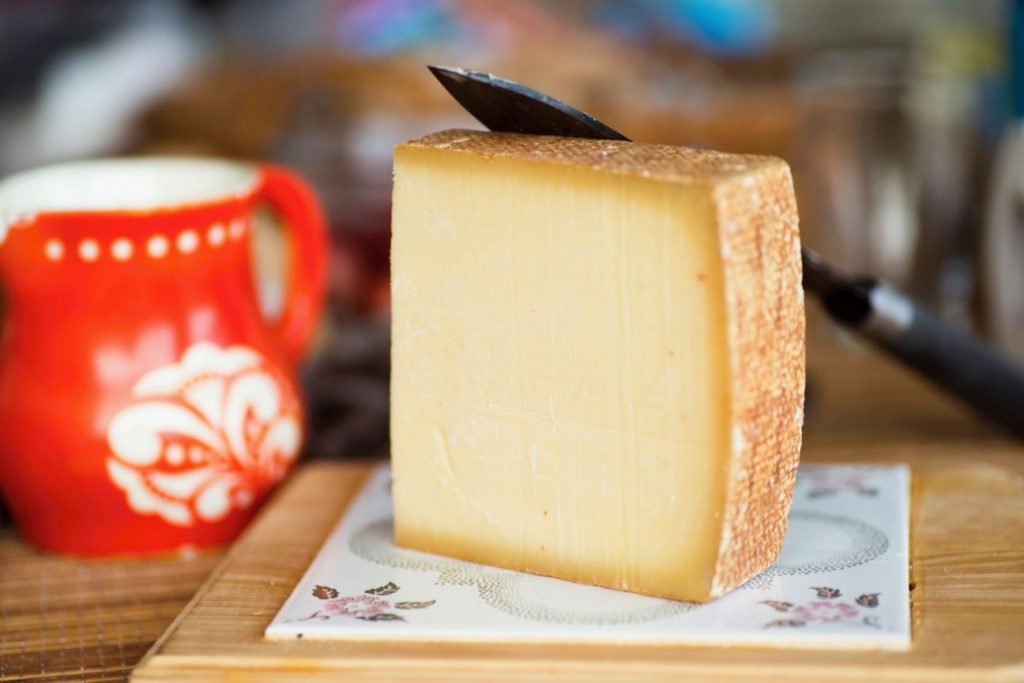
When Gruyère is young, typically around 5-6 months old, its flavor is often described as mild, nutty, and subtly sweet. There’s a creamy undertone, a gentle earthiness, and a pleasant, clean finish. This profile makes it an exceptionally approachable cheese, a perfect introduction to the Gruyère brand for those new to its charms. Its mildness allows it to integrate seamlessly into a multitude of dishes without overpowering other ingredients. Think of it as the brand’s introductory offering – inviting, accessible, and hinting at the deeper complexities to come. This stage is crucial for building brand familiarity and encouraging repeat purchases, establishing a baseline of positive sensory experience.
The Aged & Bold: A Testament to Depth and Complexity
As Gruyère matures, typically from 7 months onwards and especially in its older expressions (12 months and beyond), its flavor profile transforms dramatically. The sweetness intensifies, becoming more caramelized, almost like burnt sugar or butterscotch. The nutty notes become more pronounced, often developing into hazelnut or almond characteristics. A delightful, savory umami quality emerges, accompanied by a subtle fruitiness, sometimes reminiscent of dried apricot or fig.
Perhaps the most iconic characteristic of aged Gruyère is its slightly pungent, savory, and even a touch fruity finish, often accompanied by a faint hint of earthiness. This complexity is a direct result of the prolonged aging process and the breakdown of proteins and fats within the cheese. The development of tyrosine crystals, tiny white flecks, are visual indicators of this aging and contribute a unique textural element – a slight crunch or pop – that further enhances the sensory experience. This aged profile is the brand’s flagship, representing its pinnacle of quality and complexity, appealing to connoisseurs and those seeking a more intense and sophisticated flavor encounter. This depth and evolution of taste are key to Gruyère’s positioning as a premium product.
Gruyère’s Brand Equity: Flavor as a Marketing Advantage
The distinct and evolving flavor profile of Gruyère is not merely an intrinsic quality; it is a powerful asset that fuels its global brand recognition and market success. Its versatility in culinary applications further amplifies its appeal, transforming it from a simple ingredient into a celebrated component of countless dishes.
Culinary Versatility: The Adaptable Brand Ambassador
The ability of Gruyère to perform brilliantly across a wide range of culinary applications is a testament to its well-defined and appealing flavor profile. Its excellent melting properties, particularly in its younger and mid-aged forms, make it the quintessential cheese for fondue, raclette, and French onion soup, where its nutty sweetness and savory notes create a rich, luxurious texture and taste. Its ability to develop a golden-brown crust when baked makes it ideal for gratins and quiches.
Even when not melted, aged Gruyère, with its complex and assertive flavor, shines as a standalone cheese on a cheese board, paired with fruits, nuts, and robust wines. Its grated form adds a sophisticated layer of flavor to pasta dishes, salads, and sandwiches. This culinary adaptability allows the Gruyère brand to penetrate various market segments and occasions, from everyday cooking to gourmet dining, consistently delivering a superior taste experience. This broad appeal solidifies its status as a versatile and reliable choice for both home cooks and professional chefs, enhancing its overall brand equity.
Perception and Value: The Taste of Premium Quality
The nuanced and generally positive flavor profile of Gruyère directly influences consumer perception and its positioning as a premium cheese. Its distinct taste is often associated with authenticity, tradition, and high quality. This perception is actively cultivated through branding efforts that emphasize its Swiss heritage, artisanal production methods, and rigorous quality standards.
When consumers reach for Gruyère, they are not just buying cheese; they are investing in an experience. The complex, evolving flavors signal a product that has been crafted with care and expertise. This emotional connection, driven by the sensory delight of its taste, translates into a willingness to pay a premium price. The flavor of Gruyère, therefore, is not just a descriptor; it’s a promise of quality, a guarantee of a sophisticated culinary journey, and a cornerstone of its enduring brand value in a competitive global market. Its taste is the ultimate validation of its brand identity, ensuring its continued desirability and a loyal customer base.
aViewFromTheCave is a participant in the Amazon Services LLC Associates Program, an affiliate advertising program designed to provide a means for sites to earn advertising fees by advertising and linking to Amazon.com. Amazon, the Amazon logo, AmazonSupply, and the AmazonSupply logo are trademarks of Amazon.com, Inc. or its affiliates. As an Amazon Associate we earn affiliate commissions from qualifying purchases.