
The human tongue, a small but incredibly powerful organ, plays a pivotal role in our lives. It is the instrument of speech, the conduit of nourishment, and the very tool through which we express our innermost thoughts and feelings. While its physiological functions are widely understood, the Bible offers a profound perspective on the tongue’s ethical and spiritual implications. The scriptures repeatedly highlight the immense power of our words, their capacity for both creation and destruction, and the responsibility we bear for their utterance. Examining what God says about the tongue reveals a timeless wisdom that is as relevant today as it was millennia ago, particularly within the context of how we engage with and utilize the digital tools that amplify our voices to unprecedented extents.
The Tongue as a Double-Edged Sword: Creation and Destruction
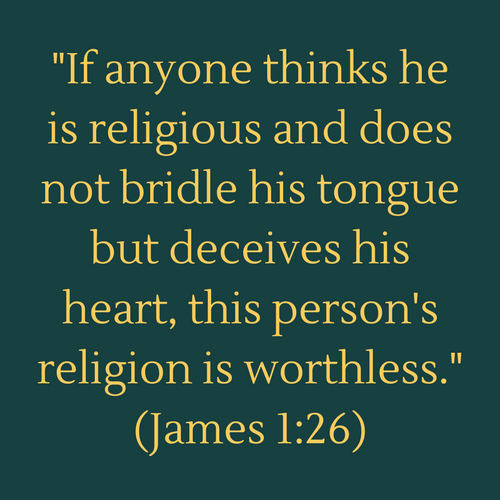
The Bible consistently portrays the tongue as a force capable of immense good or profound harm. This inherent duality underscores the critical need for intentionality and wisdom in our communication. The words we speak can build up, encourage, and heal, or they can tear down, incite conflict, and inflict deep wounds. Understanding this fundamental principle is the first step in harnessing the tongue’s positive potential.
The Power of Words to Build and Bless
Scripture is replete with verses emphasizing the constructive power of the tongue. Proverbs 18:21 states, “Death and life are in the power of the tongue, and those who love it will eat its fruit.” This verse starkly illustrates the impact of our speech. Words of affirmation, encouragement, and love can foster growth, strengthen relationships, and bring life and joy. When we choose to speak words that edify, that build up the listener, we are actively participating in the creation of a positive environment, whether in our personal lives or in the broader digital landscapes we inhabit.
Consider the impact of a well-placed compliment, a word of genuine gratitude, or an expression of heartfelt support. These utterances, seemingly small, can have a ripple effect, boosting confidence, inspiring action, and fostering a sense of connection. In the digital realm, this translates to thoughtful comments on social media, constructive feedback in online forums, and messages of solidarity that transcend physical distance. When we use our digital platforms to share uplifting content, to offer encouragement to those struggling, or to celebrate the successes of others, we are exercising the tongue’s God-given capacity for blessing. This intentional act of speaking life into the digital sphere is a powerful demonstration of faith in action.
The Peril of Words to Harm and Destroy
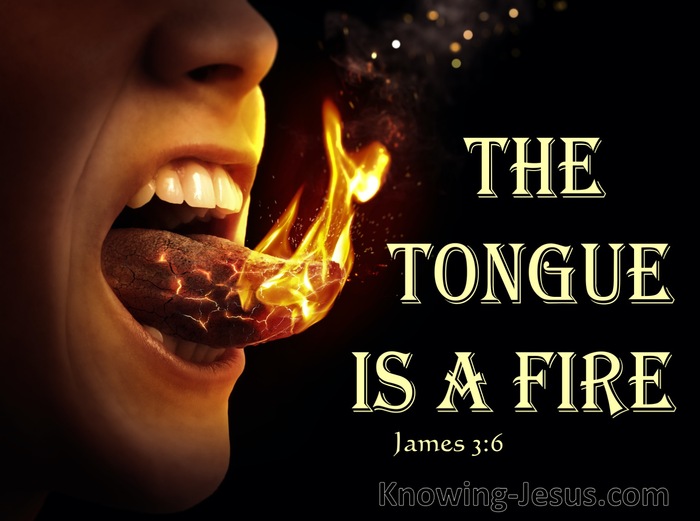
Conversely, the Bible also warns sternly against the destructive potential of the tongue. Gossip, slander, hateful speech, and deceitful words are all condemned. The book of James, in particular, offers vivid metaphors for the tongue’s destructive power, likening it to a small fire that can set an entire forest ablaze. “The tongue is a fire, a world of evil among the parts of the body,” James writes (James 3:6). “It corrupts the whole person, sets the whole course of one’s life on fire, and is itself set on fire by hell.”
This imagery is particularly pertinent in our current digital age. Social media, blogs, and instant messaging platforms have created unprecedented avenues for the rapid dissemination of words. A careless or malicious comment can spread like wildfire, damaging reputations, fueling online mobs, and causing immeasurable emotional distress. The anonymity that some digital platforms offer can embolden individuals to engage in hurtful speech that they might never utter face-to-face. This is where the ancient wisdom concerning the tongue becomes acutely relevant to our engagement with technology. We must be acutely aware that the words we type, post, or share online carry the same weight and potential for harm as those spoken aloud. The amplification effect of digital media means that a single harmful utterance can reach a vast audience instantaneously, leading to widespread consequences that echo far beyond the initial interaction. This necessitates a heightened sense of responsibility for our digital footprint, ensuring that our online communication is characterized by the same principles of kindness, truthfulness, and respect that God calls for in all aspects of our lives.
The Tongue and the Digital Age: Navigating the Modern Landscape
The principles God outlines for the use of the tongue are not confined to face-to-face interactions. In the 21st century, our words increasingly traverse digital landscapes, reaching global audiences with unparalleled speed and reach. This presents both unique challenges and profound opportunities for applying biblical wisdom to our online communication.
Words as Digital Seeds: Cultivating the Online Garden
The digital realm can be viewed as a vast garden where the seeds of our words are sown. What we choose to plant—whether it be seeds of truth, kindness, and encouragement, or seeds of discord, falsehood, and negativity—will ultimately determine the harvest. The speed at which information travels online means that these seeds can sprout and spread with astonishing rapidity. Therefore, a conscious effort to cultivate a positive digital environment is essential.
This involves more than just avoiding outright negativity. It means actively contributing to online discussions with thoughtful insights, sharing accurate information, and offering support to those who may be struggling in the digital spaces. It means being mindful of the tone of our messages, understanding that text alone can sometimes be misinterpreted. Using emojis judiciously, employing clear and considerate language, and taking a moment to re-read before posting can prevent unintentional misunderstandings. In essence, cultivating the online garden requires us to be intentional sowers of good, using our digital tongues to foster growth, understanding, and connection, mirroring the divine call to be builders of community, even in the virtual realm.
The Amplification of Influence: Responsibility in the Digital Sphere
The digital age has amplified the influence of our words to an extraordinary degree. A single post, tweet, or comment can be seen by thousands, even millions, of people. This amplification of influence comes with a commensurate increase in responsibility. What might have once been a private conversation or a small-scale rumor can now become a global phenomenon with significant consequences.

This principle is powerfully illustrated by the concept of digital “viral” content. While this can be used for positive movements and charitable causes, it can also be harnessed to spread misinformation, incite hatred, and perpetrate cyberbullying. God’s word calls for us to be discerning and to use our influence for good. In the digital sphere, this translates to a commitment to fact-checking before sharing, to speaking out against injustice and falsehood, and to using our platforms to promote truth and understanding. It also means being mindful of the impact our words can have on vulnerable individuals and communities, and striving to create a digital space that is safe, inclusive, and respectful for all. Our words online, just like our words in person, are seen and heard by a divine audience, and we are called to account for how we steward this amplified voice.
The Tongue and Truth: Speaking with Integrity
A recurring theme in scripture regarding the tongue is its connection to truth. God is a God of truth, and His people are called to reflect this character in their speech. This principle is particularly challenging to uphold in a world saturated with information, where distinguishing truth from falsehood can be difficult.
The Command to Speak Truthfully
The commandment “You shall not give false testimony against your neighbor” (Exodus 20:16) is foundational. This prohibition extends beyond legal proceedings to encompass all forms of dishonesty, including lying, deception, and the spreading of rumors. In the digital age, the temptation to engage in “fake news” or to present opinions as facts is ever-present. The ease with which information can be manipulated and disseminated makes this a critical area of ethical consideration for any believer.
Speaking truthfully online means being committed to accuracy and authenticity. It means admitting when we are wrong, correcting misinformation when we encounter it, and refraining from engaging in speculative gossip or unfounded accusations. This requires a personal commitment to integrity and a willingness to be transparent about our sources and our intentions. When we prioritize truth in our digital communication, we are not only honoring God but also contributing to a more trustworthy and informed online environment. This commitment to truthfulness builds credibility and fosters genuine connection, as others can rely on the integrity of our words.
The Dangers of Deception and False Witness in the Digital Realm
The digital world provides fertile ground for deception and false witness. Doctored images, fabricated stories, and misleading statistics can be spread with alarming ease, influencing public opinion and causing significant harm. The consequences of such deception can be far-reaching, impacting individuals, communities, and even the democratic process.
Consider the phenomenon of online scams and phishing attempts, which rely entirely on deception. Or think about the spread of conspiracy theories and unfounded accusations that can ruin reputations and incite division. The Bible warns against those who “use their tongues to deceive; their mouths are full of cursing and bitterness” (Romans 3:14). In the digital context, this translates to an imperative to be vigilant against such tactics and to actively combat them. This might involve reporting deceptive content, educating others about online safety and critical thinking, and choosing not to engage with or spread unverified information. By actively choosing integrity and speaking truth, we become agents of light in a digital space that can sometimes be shrouded in darkness, reflecting the divine call to be salt and light in the world.
Guarding the Tongue: Cultivating Self-Control and Discernment
Given the immense power and potential pitfalls of the tongue, the Bible emphasizes the importance of self-control and discernment in our speech. This is not a passive undertaking but an active discipline that requires ongoing effort and reliance on divine wisdom.
The Importance of Thoughtfulness and Restraint
The book of Proverbs is filled with admonitions to be slow to speak and to consider our words carefully. “Whoever guards his mouth and his tongue keeps himself from calamity” (Proverbs 21:23). This proverb highlights the protective power of restraint. Many problems and regrets can be avoided by simply pausing to think before speaking. In the fast-paced digital world, this pause is often the first casualty. The immediacy of online communication can lead to impulsive reactions and regrettable posts.
Cultivating thoughtfulness in our digital interactions involves developing habits of reflection. Before posting a comment, sending a message, or sharing an article, ask yourself: Is this true? Is this kind? Is this necessary? Is this building up or tearing down? This internal dialogue, guided by biblical principles, can serve as a powerful filter, preventing harmful words from ever being unleashed into the digital ether. It requires a conscious effort to manage our impulses and to prioritize wisdom over expediency. This disciplined approach to communication, both online and offline, is a hallmark of spiritual maturity and a testament to the transformative power of God’s word.
Seeking Wisdom from Above for Our Utterances
The ultimate source of wisdom for managing our tongues is God Himself. James 1:5 states, “If any of you lacks wisdom, you should ask God, who gives generously to all without finding fault, and it will be given to you.” This applies directly to our communication. When we are unsure about what to say, when we feel tempted to speak out of anger or frustration, or when we simply want to ensure our words are pleasing to God, we can turn to Him for guidance.
Praying for wisdom before engaging in online discussions, seeking to understand different perspectives, and asking for the grace to respond with love and truth are all ways we can actively seek divine direction for our tongues. This involves cultivating a spiritual awareness that extends to our digital lives. It means recognizing that every interaction, every post, and every message is an opportunity to either honor God or dishonor Him. By consistently seeking His wisdom, we can transform our tongues from instruments of potential destruction into powerful tools for building up His kingdom, even in the ever-expanding digital universe. The principles God laid down millennia ago remain the ultimate guide for navigating the complexities of human communication, and in the digital age, their importance is amplified, calling us to a higher standard of intentionality, integrity, and impact.