
In the dynamic world of business, where agility and strategic repositioning are paramount, understanding specialized terminology is crucial for anyone looking to navigate the landscape effectively. One such term that frequently surfaces, particularly within discussions of corporate strategy, finance, and market shifts, is “divested.” But what exactly does divested mean in business?
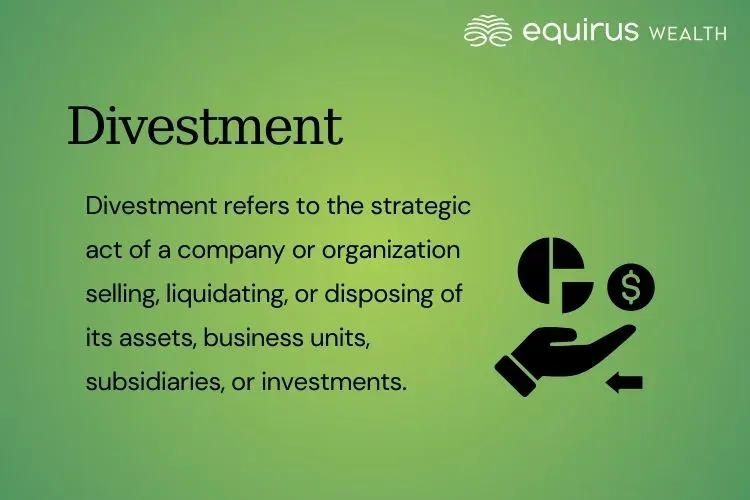
At its core, divestment signifies the act of selling off a part of a company’s assets, divisions, or even entire business units. It’s the inverse of acquisition, where a company buys something. Instead, divestment is about shedding or disposing of something. This process is far from a simple fire sale; it’s a deliberate and often complex strategic maneuver employed by businesses for a multitude of reasons. Understanding divestment is vital for investors, business leaders, employees, and even consumers who are impacted by corporate restructuring.
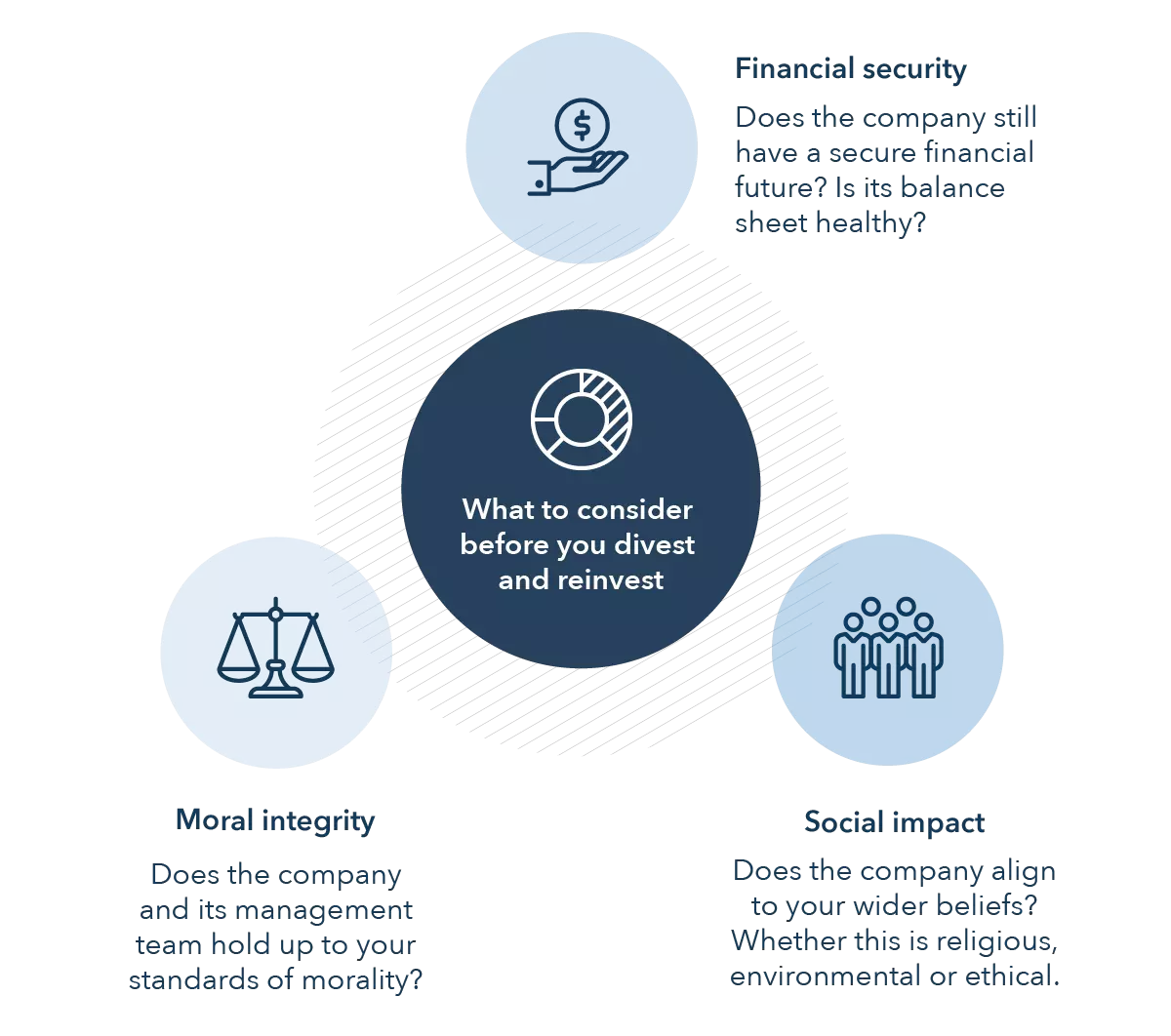
The motivations behind divestment are as varied as the businesses themselves. They can range from a desire to streamline operations and focus on core competencies to raising capital for new ventures or offloading underperforming assets. In essence, divestment is a tool used to reshape a company’s portfolio, improve its financial health, and ultimately, enhance its long-term value.
Let’s delve deeper into the nuances of what divestment entails and explore the various facets of this significant business strategy.
The Strategic Rationale Behind Divestment
Divestment is rarely an impulsive decision. It is almost always a calculated move driven by a clear strategic objective. Companies don’t simply decide to sell off parts of their business without a compelling reason. The decision is typically rooted in a thorough analysis of the company’s current position, its future aspirations, and the prevailing market conditions.
Streamlining Operations and Focusing on Core Competencies
One of the most common drivers for divestment is the desire to simplify a company’s structure and concentrate its resources on what it does best. Large corporations often grow through a series of acquisitions, accumulating diverse business units that may, over time, become less aligned with the company’s primary mission or strategic direction.
When a company finds itself spread too thin across too many disparate industries or product lines, its ability to innovate, compete effectively, and allocate capital efficiently can be hampered. Divesting non-core assets allows the management team to redirect its focus, expertise, and financial resources towards its most profitable and promising areas. This sharpened focus can lead to improved operational efficiency, enhanced innovation, and ultimately, a stronger competitive position in its chosen markets. For example, a technology company that acquired a consumer electronics division might divest it to pour more investment into its rapidly growing software-as-a-service (SaaS) business, recognizing that the two industries have different R&D cycles, marketing strategies, and customer bases.
Raising Capital and Improving Financial Health
Another significant reason for divestment is the need to generate capital. Selling off assets, particularly profitable ones, can provide a substantial influx of cash. This capital can then be used for various purposes, such as reducing debt, funding research and development (R&D) for new products, investing in strategic acquisitions in more promising areas, or returning value to shareholders through buybacks or dividends.
In situations where a company is struggling financially, divesting underperforming or non-essential divisions can be a critical step in a turnaround strategy. By shedding unprofitable units, the company can reduce its operating losses, improve its profit margins, and present a more attractive financial profile to lenders and investors. This can be particularly relevant in the current economic climate, where companies are under pressure to demonstrate strong financial discipline and a clear path to profitability.
Furthermore, divested assets might represent business lines that require significant capital investment to remain competitive but offer limited future growth potential for the parent company. By selling these divisions, the parent company can avoid draining resources that could be better deployed elsewhere.
Responding to Market Shifts and Regulatory Changes
The business landscape is constantly evolving, influenced by technological advancements, changing consumer preferences, and evolving regulatory environments. Companies may divest certain assets to adapt to these shifts. For instance, a company heavily reliant on fossil fuels might divest its oil and gas divisions to invest more heavily in renewable energy sources, aligning itself with global sustainability trends and stricter environmental regulations.
Similarly, regulatory bodies might mandate divestitures to prevent monopolies or promote competition. Antitrust concerns, for example, can force a company to sell off certain business units if their consolidation is deemed anti-competitive. Staying ahead of or responding swiftly to these external pressures is a key aspect of strategic business management, and divestment offers a flexible solution.
Types of Divestment Strategies
The act of divesting can take several forms, each with its own implications and implications for the businesses involved. Understanding these different approaches helps to paint a clearer picture of how divestment is executed.
Spin-off
A spin-off is a form of divestment where a parent company separates one of its business units into a new, independent company. The parent company typically distributes shares of the new entity to its existing shareholders. This creates a standalone business with its own management team, board of directors, and strategic objectives.
Spin-offs are often employed when a business unit has the potential to thrive on its own but is perhaps being held back by the parent company’s structure or strategic priorities. It allows the spun-off entity to pursue its own growth trajectory and attract investment tailored to its specific industry. The parent company can then focus on its core business while still retaining an interest in the spun-off entity through its shareholding. This can unlock value by allowing each entity to be valued independently by the market.
Equity Carve-out
An equity carve-out is similar to a spin-off, but instead of distributing shares directly to existing shareholders, the parent company sells a portion of its stake in the subsidiary to the public through an initial public offering (IPO). This allows the parent company to raise capital from the sale while still retaining a controlling interest in the divested unit.
Carve-outs can be a strategic tool to fund growth initiatives for the subsidiary, provide liquidity for the parent company, and allow the market to establish a clear valuation for the divested business. It’s a way to monetize a valuable asset without losing complete control over its future direction.
Sell-off (Asset Sale or Stock Sale)
A sell-off is a more straightforward transaction where a company sells an entire business unit or a specific set of assets to another company, often a strategic buyer or a private equity firm. This can be structured as an asset sale, where the buyer acquires specific assets (like intellectual property, equipment, or real estate), or a stock sale, where the buyer acquires the entire entity, including its liabilities.
Sell-offs are often pursued when a business unit is not a core focus, is underperforming, or when a lucrative offer presents itself. The proceeds from the sale can then be used for other strategic priorities. This method provides immediate capital and can quickly remove a non-strategic or problematic business from the parent company’s portfolio.
Liquidation
In more extreme cases, a company might choose to liquidate a business unit. This involves selling off the assets piecemeal, often at a discount, and ceasing operations. Liquidation is typically a last resort, employed when a business unit is no longer viable, cannot be sold as a going concern, or when the company is facing severe financial distress. While it can generate some cash, it often results in significant losses compared to other divestment methods.
The Impact and Implications of Divestment
Divestment is not just a financial transaction; it has far-reaching consequences for various stakeholders.
For the Divesting Company
The primary goal of divestment for the parent company is to improve its overall performance and strategic positioning. Successful divestments can lead to increased profitability, a more focused business strategy, reduced debt, and a stronger balance sheet. It can also signal to investors that management is actively managing the company’s portfolio and making tough decisions to maximize shareholder value. However, poorly executed divestments can lead to loss of valuable talent, operational disruptions, and reputational damage.
For the Divested Business Unit
The divested business unit can experience a new lease on life. Freed from the constraints of the parent company, it may gain greater autonomy, more targeted investment, and the ability to pursue strategies better suited to its specific market. This can foster innovation and growth. However, the transition can also be challenging, with potential for job losses, cultural clashes, and integration issues with a new owner.
For Employees
Employees in both the divesting and divested entities are significantly impacted. Those in the divested unit may face uncertainty about their future, potential job relocation, or even redundancies. Employees in the remaining parts of the parent company might see a clearer strategic direction and more growth opportunities. Effective communication and support are crucial to mitigate the negative impacts on morale and productivity.
For Investors
Investors often view divestment as a positive sign, especially when it’s a strategic move to focus on higher-growth areas or improve financial performance. It can lead to a re-rating of the company’s stock as its true value and potential become more apparent. Conversely, if divestment is seen as a sign of desperation or a failure to manage assets effectively, it can lead to a decline in investor confidence.

For Customers and the Market
Divestment can lead to changes in product offerings, customer service, and market dynamics. A divested unit might become more specialized and agile, leading to better products or services for its customers. Alternatively, it could be absorbed by a competitor, leading to reduced choice in the market.
In conclusion, understanding “what does divested mean in business” opens a window into the strategic decision-making processes that shape corporate landscapes. It’s a complex but essential tool for companies aiming to adapt, grow, and thrive in an ever-changing economic environment. By strategically shedding certain assets, businesses can often unlock greater value, sharpen their focus, and position themselves for sustained success.
aViewFromTheCave is a participant in the Amazon Services LLC Associates Program, an affiliate advertising program designed to provide a means for sites to earn advertising fees by advertising and linking to Amazon.com. Amazon, the Amazon logo, AmazonSupply, and the AmazonSupply logo are trademarks of Amazon.com, Inc. or its affiliates. As an Amazon Associate we earn affiliate commissions from qualifying purchases.