
In the intricate tapestry of filmmaking and high-end content creation, few roles are as pivotal, yet as often misunderstood by the general public, as that of the Director of Photography (DP), also known as a Cinematographer. Far more than simply operating a camera, the DP is the chief visual artist on a production, tasked with translating a director’s vision and a script’s narrative into breathtaking, compelling, and emotionally resonant images. It’s a role that demands an exquisite blend of artistic sensibility, deep technical mastery, and astute financial acumen, constantly evolving at the intersection of cutting-edge technology, strategic brand building, and disciplined financial management.
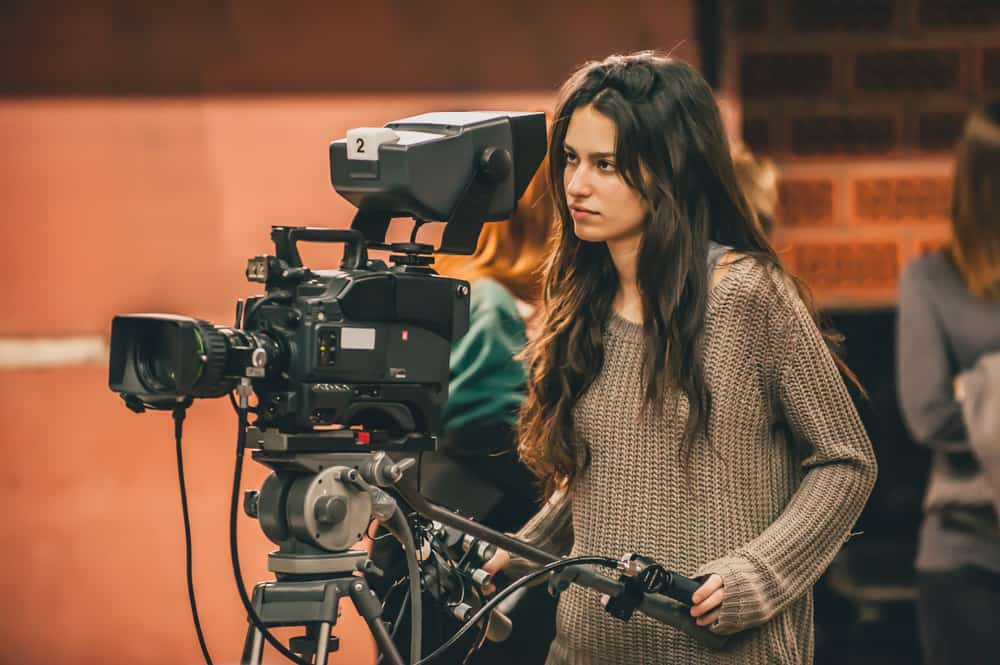
A Director of Photography is responsible for the overall visual aesthetic of a film, television show, commercial, or any visual project. This encompasses everything from lighting, camera choice, lens selection, composition, camera movement, and color palette. Their work directly impacts how an audience perceives a story, feels about characters, and absorbs the intended message. In essence, the DP paints with light, shapes with shadow, and moves with the narrative, creating a distinct visual language that elevates the storytelling. In today’s dynamic media landscape, where digital security, productivity, and personal branding are paramount, the DP’s responsibilities extend far beyond the traditional artistic boundaries, integrating seamlessly with technology trends, brand strategy, and the financial realities of production.
The Artistic Vision: Shaping the Narrative Through Light and Shadow
At the core of a Director of Photography’s craft lies an unwavering commitment to artistic vision. They are the primary architects of a project’s visual narrative, tasked with transforming abstract ideas and written words into concrete, impactful imagery. This demands not only a keen eye for aesthetics but also a profound understanding of how visual elements evoke emotion and communicate subtext.
Translating the Director’s Vision
The journey begins with intense collaboration with the director. This involves detailed script breakdowns, visual research, and extensive discussions to understand the emotional tone, themes, and specific storytelling goals. The DP must decipher the director’s often abstract ideas – “I want this scene to feel oppressive,” or “This character needs to appear isolated” – and translate them into tangible photographic choices. This collaborative process involves creating lookbooks, shot lists, and storyboards, establishing a visual language that will guide every decision made on set. It’s about ensuring that every frame serves the story, enhancing character development, advancing the plot, and immersing the audience in the narrative world. This strategic alignment early on is crucial for brand consistency and avoiding costly re-shoots, directly impacting the financial health of the project.
Mastering Composition and Color
Composition is the arrangement of elements within the frame, dictating where the audience’s eye goes and what information they prioritize. A DP uses techniques like the rule of thirds, leading lines, symmetry, and depth to create visually balanced or deliberately unsettling images. The choice of lens – wide-angle for expansiveness, telephoto for intimacy – profoundly impacts spatial relationships and emotional proximity.
Color is another powerful emotional tool. The DP works with the production designer to establish a coherent color palette for the entire project, understanding that warm tones can evoke comfort or passion, while cool tones might suggest detachment or dread. Filters, lighting gels, and post-production color grading are all employed to achieve the desired psychological effect. The conscious design choice behind every hue and shade contributes significantly to the overall aesthetic, forming part of the visual identity and brand of the film itself. This meticulous attention to design principles ensures the visual output is not just beautiful, but also impactful and strategically aligned with the project’s marketing goals.
Lighting as a Storytelling Tool
Perhaps the most defining aspect of a DP’s artistry is their mastery of light. Light is not merely for illumination; it sculpts faces, creates mood, highlights key narrative points, and defines spatial relationships. The DP decides on the quality of light (hard or soft), its direction (key, fill, back), its intensity, and its color temperature. They might use natural sunlight, augment it, or create entirely artificial scenarios to achieve a specific look. High-contrast lighting can heighten drama, while soft, even lighting can create a sense of calm or naturalism. Practical lights within a scene (lamps, candles) are also carefully chosen and placed to contribute to the desired atmosphere. This sophisticated use of light is a cornerstone of visual storytelling, demanding both technical expertise and an intuitive artistic sense. It’s a critical component in establishing the unique “brand” of a visual piece, making it recognizable and memorable, and directly contributing to its success in a competitive market.
The Technological Edge: Leveraging Innovation in Cinematography
The role of the Director of Photography has been profoundly reshaped by relentless technological innovation. What was once primarily an analog, chemical process has transformed into a highly digital, data-driven discipline. DPs must not only be artists but also technophiles, constantly evaluating new gadgets, software, and AI tools to enhance their craft, streamline workflows, and maintain digital security. This intersection with technology trends is where the modern DP truly shines.
The Evolving Toolkit: Cameras, Lenses, and Beyond
The digital revolution in cinematography has brought forth a dizzying array of advanced cameras, each with unique sensor characteristics, dynamic range capabilities, and resolutions (from 4K to 8K and beyond). DPs must be intimately familiar with systems from manufacturers like ARRI, RED, Sony, and Canon, understanding their strengths and limitations for different project types. The choice of camera often influences the entire workflow, from data management to post-production pipelines.
Lenses are equally crucial. From vintage glass that offers unique flares and character to razor-sharp modern optics, prime lenses for maximum quality, or versatile zooms, each choice dramatically alters the image. Anamorphic lenses provide a distinctive widescreen aspect ratio and oval bokeh, while spherical lenses offer a more traditional look. Beyond the camera and lens, DPs leverage a host of specialized gadgets: gimbals and stabilized heads for fluid movement, drones for aerial perspectives, and remote-controlled camera systems for hazardous or hard-to-reach shots. Understanding the latest advancements in these tools is not just about staying current; it’s about expanding the creative possibilities and achieving previously impossible shots, directly impacting the production’s visual appeal and brand image.
Software, AI, and Workflow Optimization
Modern cinematography relies heavily on a suite of sophisticated software tools. Pre-visualization software allows DPs to block scenes, plan camera moves, and even simulate lighting setups before stepping onto set, drastically improving productivity and reducing costly on-set experimentation. The Digital Imaging Technician (DIT) works hand-in-hand with the DP, managing camera settings, ensuring color accuracy, and handling the massive amounts of data generated daily.
Color management systems are vital for maintaining consistency from capture to final delivery. In post-production, DPs often oversee the final color grading process using software like DaVinci Resolve or Baselight, which allows for precise manipulation of every aspect of the image. The emergence of AI tools is beginning to impact areas like automated denoising, intelligent upscaling, and even real-time adjustments in virtual production environments using LED volumes. Cloud-based workflows facilitate remote collaboration, allowing DPs to review dailies and communicate effectively with post-production teams from anywhere in the world. These digital security aspects are crucial for protecting valuable creative assets.
Digital Security and Productivity on Set
With vast amounts of digital data being captured daily, digital security becomes paramount. DPs, in collaboration with their DITs, are responsible for implementing robust data management strategies, including multiple backups, checksum verification, and secure storage solutions to prevent data loss or corruption. Understanding digital security protocols is not just a technicality; it’s a critical component of risk management for any production, directly protecting the substantial financial investment in captured footage.
Productivity on set is also greatly enhanced by digital tools. Efficient communication apps, real-time monitoring solutions, and synchronized shot lists help streamline operations, ensuring that the camera and lighting departments work seamlessly. The ability to quickly review takes, adjust settings on the fly, and troubleshoot technical issues contributes significantly to staying on schedule and within budget. A productive and secure workflow is a hallmark of a professional production, enhancing its reputation and its ability to attract future projects.

Building a Visual Brand: Impact, Reputation, and Market Value
Beyond the technical and artistic demands, a Director of Photography plays a crucial role in establishing and reinforcing the visual brand of a project and, by extension, their own personal brand within the industry. The visual identity crafted by a DP is a powerful marketing tool, influencing audience perception and contributing to commercial success.
Crafting a Project’s Visual Identity
Every film, series, or commercial carries a distinct visual fingerprint. This “visual identity” or “corporate identity” for the production is largely shaped by the DP’s choices. Think of the desaturated, gritty look of a crime drama, the vibrant, fantastical hues of a superhero movie, or the stark realism of a documentary. These visual choices are not arbitrary; they are strategic decisions that contribute to the project’s overall brand strategy. A consistent, well-executed visual style helps a project stand out in a crowded market, making it instantly recognizable and memorable. It communicates tone, genre, and quality, drawing in target audiences. For instance, the distinctive visual style of a show can become a key part of its marketing campaign, appearing on posters, trailers, and promotional materials, making the cinematography itself a selling point.
The DP’s Personal Brand and Industry Reputation
For a Director of Photography, their body of work serves as their most potent personal branding tool. A strong portfolio showcasing diverse projects and a consistent ability to deliver exceptional visuals is essential for career advancement. Networking within the industry – with directors, producers, and fellow crew members – is vital for securing future opportunities. Winning prestigious awards (like an Oscar for Best Cinematography) significantly boosts a DP’s reputation, marking them as a leader in their field and enhancing their market value.
Beyond their work, many DPs engage in thought leadership, sharing insights on technology trends, lighting techniques, or industry challenges through workshops, articles, and social media. This not only reinforces their personal brand but also contributes to the wider filmmaking community. A DP’s reputation for creativity, problem-solving, and a collaborative spirit is paramount, directly influencing their ability to attract high-caliber projects and build a sustainable career.
Strategic Design and Marketing Through Imagery
The aesthetic design choices made by the DP directly feed into the marketing and promotional efforts of a project. Striking cinematography provides the visuals for trailers, posters, and advertising campaigns that entice audiences. A project that looks visually spectacular is inherently more marketable. Film festivals often recognize outstanding cinematography, garnering critical acclaim and generating buzz even before a wide release.
Furthermore, a powerful visual style can become a talking point among critics and audiences, contributing to the “reputation” of the project and even inspiring fan art and discussions. This organic marketing through visual excellence demonstrates how the DP’s artistic input directly translates into tangible commercial value and brand recognition for the production. By understanding the interplay between design, visual impact, and audience engagement, the DP’s work becomes a cornerstone of the overall marketing strategy.
The Financial Landscape: Budgeting, Investment, and Value Creation
The artistic and technical aspirations of a Director of Photography must always be grounded in the practicalities of financial realities. DPs are not just artists and technicians; they are also integral to the financial management of a production, making decisions that directly impact budgets, return on investment, and the overall economic sustainability of a project.
Navigating Budget Constraints and Resource Allocation
Every production, regardless of its scale, operates within a finite budget. The DP must be adept at making strategic choices regarding camera packages, lighting equipment, and crew size, balancing artistic ambition with financial prudence. Deciding whether to rent specialized, expensive gear for a short period or to utilize more accessible, versatile equipment often comes down to careful budget analysis. The DP works closely with the line producer and production manager to allocate funds effectively, ensuring that the creative vision is realized without exceeding financial limits. This might involve innovative solutions, repurposing existing resources, or finding cost-effective alternatives that maintain visual quality. The ability to deliver stunning visuals within tight constraints is a highly valued skill, directly impacting a project’s financial feasibility and its ability to stay on track.
ROI on Technology and Expertise
Investing in cutting-edge technology – whether it’s the latest camera sensors, advanced LED lighting, or sophisticated post-production software – requires a clear understanding of the return on investment (ROI). For a production company, acquiring new equipment must justify its cost through improved efficiency, superior image quality, or expanded creative possibilities that attract higher-paying projects. For freelance DPs, investing in their own smaller gear packages or continuously upgrading their skills through online courses and tutorials can enhance their marketability and justify higher day rates.
The expertise of an experienced DP is itself a significant investment. A skilled cinematographer can optimize shooting schedules, foresee potential technical problems, and make decisive choices that save time and money on set. Their ability to deliver a consistent, high-quality visual product contributes directly to a project’s potential for critical acclaim and commercial success, ultimately providing a significant ROI for the producers. This understanding of financial tools and business finance is crucial for DPs and production companies alike.
Financial Acumen for DPs: Contracts, Income Streams, and Sustainability
For many DPs, especially those working freelance, understanding personal finance, business finance, and multiple income streams is essential for a sustainable career. This includes negotiating fair contracts and rates, managing invoices, understanding tax implications, and potentially even forming their own loan-out companies. DPs might diversify their online income through side hustles like teaching cinematography workshops, consulting for new camera technologies, or licensing their stock footage.
Securing commercial work, music videos, or corporate projects often provides a steady income stream between larger feature film or television productions. Financial planning, saving for retirement, and having appropriate insurance are also critical components of managing a successful career. DPs who excel not only artistically and technically but also financially position themselves for long-term success, demonstrating a comprehensive understanding of the business side of their craft.
Conclusion
The Director of Photography stands at a unique crossroads of art, technology, and commerce. They are the visual architect, the technological navigator, the brand steward, and a crucial financial manager on any production. Their role is to transform abstract ideas into tangible visual realities, shaping how stories are seen, felt, and remembered. From mastering complex lighting setups and advanced camera systems to leveraging AI tools for workflow optimization and navigating stringent budgets, the DP’s responsibilities are vast and ever-evolving.
In a world increasingly driven by visual content and technological advancement, the DP’s expertise is more valuable than ever. Their ability to craft compelling visual narratives not only fulfills an artistic purpose but also directly contributes to a project’s brand identity, market appeal, and financial viability. As technology continues to push the boundaries of what’s possible, and as the demands for high-quality, impactful content intensify, the Director of Photography will remain an indispensable figure, illuminating stories and shaping our perceptions, one perfectly composed frame at a time.
aViewFromTheCave is a participant in the Amazon Services LLC Associates Program, an affiliate advertising program designed to provide a means for sites to earn advertising fees by advertising and linking to Amazon.com. Amazon, the Amazon logo, AmazonSupply, and the AmazonSupply logo are trademarks of Amazon.com, Inc. or its affiliates. As an Amazon Associate we earn affiliate commissions from qualifying purchases.