
In the landscape of modern kitchen technology, few gadgets have become as ubiquitous as the single-serve coffee brewer. Among them, the Keurig stands out as a marvel of convenience and precision engineering. However, like any piece of hardware that interacts with water and heat, it requires specific maintenance to ensure peak performance. If you have ever seen the “Descale” light illuminate on your Keurig’s digital interface, you are looking at a critical system alert.
Descaling is the process of removing mineral buildup—primarily calcium and magnesium—that accumulates inside the internal components of the machine over time. While it may sound like a simple cleaning task, descaling is a vital technical procedure that affects the machine’s thermal efficiency, pump pressure, and overall hardware longevity. This article explores the science behind descaling, the engineering reasons why your Keurig demands it, and a technical guide to performing the process effectively.

The Science of Buildup: Understanding Mineral Deposits in Consumer Electronics
To understand why descaling is necessary, one must first understand the chemistry of tap water. In many regions, water is “hard,” meaning it contains high concentrations of dissolved minerals. When this water is heated within the Keurig’s internal tank and forced through its heating elements, a chemical reaction occurs. The heat causes these dissolved minerals to solidify, forming what is known as “limescale” or calcium carbonate.
Calcium and Magnesium: The Hidden Enemies of Precision Hardware
Limescale is not merely a cosmetic issue; it is a physical barrier. In a precision gadget like a Keurig, water must flow through narrow tubes and high-efficiency heating coils. Calcium and magnesium ions bond to these metal surfaces, creating a chalky, rock-like crust. Because these minerals are poor conductors of heat, they act as an unintended layer of insulation. This forces the heating element to work significantly harder and stay on longer to reach the target temperature, leading to thermal stress on the internal circuitry.
How Scale Affects Internal Heating Elements and Fluid Dynamics
The technical impact of scale goes beyond heat transfer. As the buildup narrows the internal diameter of the water lines, the machine’s pump must exert more pressure to move the same volume of liquid. This increased load can lead to premature mechanical failure of the pump. Furthermore, scale can clog the exit needles and the check valves that regulate pressure. When these components are compromised, you will notice decreased flow, inconsistent cup volumes, and a significant drop in the temperature of the brewed beverage.
The Engineering Behind the “Descale” Alert
Modern Keurig models are equipped with sophisticated sensors and software logic designed to monitor the health of the brewing system. The “Descale” notification is not just a timer; it is a diagnostic tool. Depending on the model, the machine uses various methods to determine when the internal hardware is operating below its calibrated efficiency.
Sensor Technology and Flow Resistance
High-end Keurig brewers utilize flow meters and pressure sensors to track how water moves through the system. When the software detects that the pump is drawing more current than normal or that the flow rate has dropped below a specific threshold (milliliters per second), it recognizes that an internal obstruction—likely scale—is present. In more basic models, the alert is triggered by a “cycle counter,” which estimates scale buildup based on the number of ounces processed since the last maintenance event.
The Software Logic of Maintenance Cycles
The firmware inside a Keurig is programmed to prioritize the integrity of the heating element. If the sensors detect that the element is overheating or that the water is taking too long to reach the “Ready” state, the system may even enter a lockout mode to prevent a catastrophic hardware failure. The descaling alert is a preemptive warning, urging the user to perform a chemical flush before the mineral deposits become so severe that they require a manual teardown of the machine.
A Technical Guide to Descaling Your Keurig Hardware

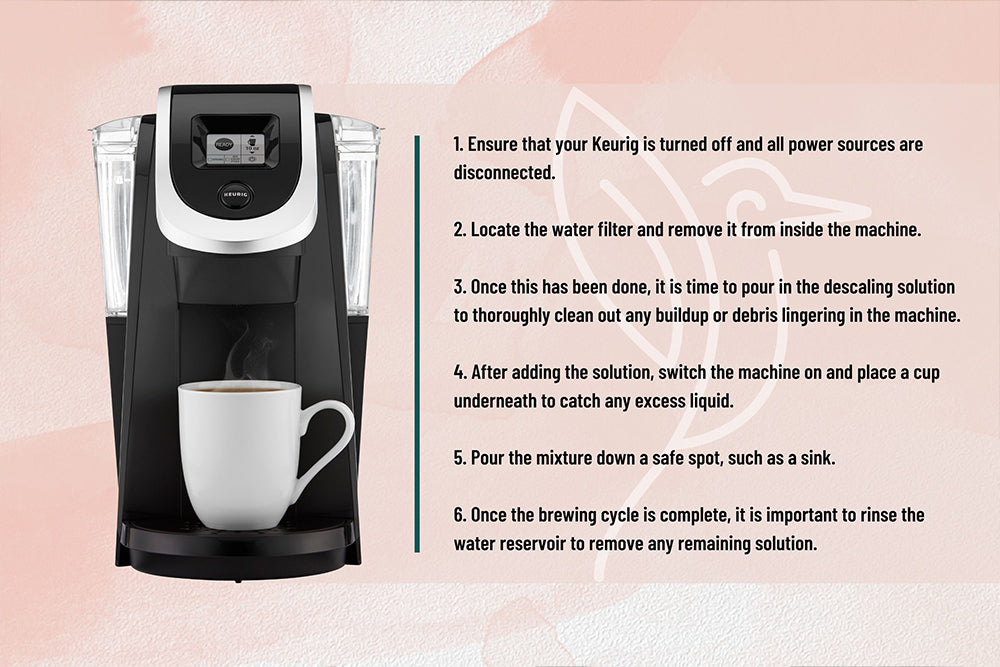
Performing a descaling procedure is a systematic “reset” for your coffee brewer’s internal plumbing. It involves using an acidic solution to chemically break down the alkaline mineral deposits, followed by a series of rinses to purge the system of debris.
Preparing the Hardware for Maintenance
Before beginning, the machine must be powered on but in an idle state. It is essential to remove any K-Cup pods from the chamber and empty the water reservoir. If your Keurig uses a charcoal water filter, this must be removed. Leaving the filter in place during descaling will not only ruin the filter but also trap the descaling chemicals, preventing them from effectively reaching the internal boiler.
The Chemical Reaction: Vinegar vs. Citric Acid vs. Commercial Solutions
The choice of descaling agent is a matter of chemistry. Most users choose between white vinegar (acetic acid) or a specialized descaling solution (usually based on citric acid or sulfamic acid).
- White Vinegar: While accessible and effective at dissolving calcium, it has a high odor profile and can require many rinse cycles to eliminate the “sour” taste.
- Commercial Solutions: These are engineered specifically for food-grade hardware. They are often more concentrated and include surfactants that help break down coffee oils alongside mineral scale.
Regardless of the agent used, the goal is to lower the pH of the water enough to dissolve the solid calcium carbonate back into a liquid form that can be flushed out.
The Flushing Process and Resetting the Digital Alert
The process typically involves filling the reservoir with the descaling solution and running “cleansing brews” until the reservoir is empty. After the solution has sat in the machine for approximately 30 minutes to allow the chemical reaction to complete, the system must be flushed with several reservoirs of fresh, filtered water.
For many newer models, such as the Keurig K-Supreme, resetting the “Descale” light requires a specific button combination (such as holding down the 8oz and 12oz buttons simultaneously for three seconds). This tells the software that the maintenance cycle has been completed, resetting the internal flow sensors and cycle counters.
Proactive Maintenance: Future-Proofing Your Brewing Hardware
To maximize the lifespan of your coffee technology, a reactive approach—waiting for the light to turn on—is often not enough. Proactive maintenance can prevent scale from forming in the first place, ensuring that the machine operates with the same efficiency on day 1,000 as it did on day 1.
The Role of Filtration Systems and TDS
The most effective way to protect your Keurig is to control the “Total Dissolved Solids” (TDS) in the water you use. Using a dedicated water filtration pitcher or a reverse osmosis system can significantly reduce the mineral content before the water ever touches the Keurig’s internal tank. Many Keurig models come with an integrated handle-mounted filter; replacing this every two months is the single most effective way to delay the need for a deep descale.
Extending the Lifecycle of Small Kitchen Gadgets
In the broader context of technology, the Keurig is a prime example of why mechanical and chemical maintenance is necessary. Just as you would clear the cache on a smartphone or clean the dust out of a gaming PC’s fans, descaling clears the “physical cache” of your coffee maker. By keeping the internal pathways clear, you reduce the strain on the electrical components, prevent the degradation of rubber seals, and ensure that the digital sensors provide accurate readings. A well-maintained Keurig can last several years longer than one that is neglected, representing a better return on investment for the consumer.
Summary: Performance Through Maintenance
In conclusion, when the “Descale” light appears on your Keurig, it is not merely a suggestion for a cleaner cup of coffee. It is a technical requirement for the continued operation of a complex fluid-delivery system. By understanding the chemistry of mineral buildup and the engineering logic behind the machine’s sensors, users can better appreciate the necessity of this maintenance.
Descaling is an essential practice in the world of consumer hardware. It optimizes thermal conductivity, protects the pump from over-pressurization, and ensures that the software-controlled brewing parameters remain accurate. By following a regular descaling schedule and utilizing filtered water, you are not just cleaning a coffee pot—you are performing vital hardware maintenance that ensures your tech continues to function at its peak design specifications. Keep your sensors clear, your heating elements efficient, and your hardware healthy through the simple power of chemistry.
aViewFromTheCave is a participant in the Amazon Services LLC Associates Program, an affiliate advertising program designed to provide a means for sites to earn advertising fees by advertising and linking to Amazon.com. Amazon, the Amazon logo, AmazonSupply, and the AmazonSupply logo are trademarks of Amazon.com, Inc. or its affiliates. As an Amazon Associate we earn affiliate commissions from qualifying purchases.