
Understanding the appearance of deer droppings is a crucial skill for anyone venturing into natural environments, from seasoned hunters and wildlife enthusiasts to backyard gardeners seeking to protect their prized flora. Far from being a mere biological curiosity, the visual characteristics of deer feces offer a wealth of information about the animal’s diet, health, and recent activity. This article delves into the fascinating world of deer droppings, exploring their visual cues and how they can be interpreted to gain deeper insights into the lives of these ubiquitous creatures.
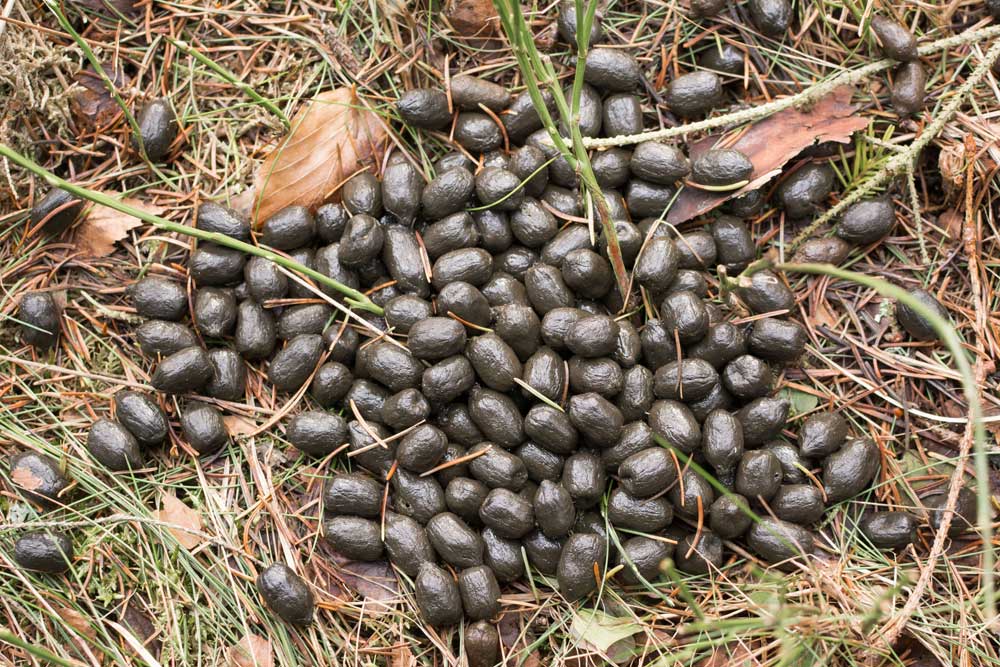
The primary takeaway from identifying deer droppings is their distinct shape and texture. Unlike the scat of many other mammals, deer droppings are typically found in the form of small, dry, pellet-like droppings, often referred to as “pellets” or “mushrooms.” This characteristic shape is a direct result of the deer’s digestive system, which efficiently extracts nutrients from plant matter. The consistency and color of these pellets can vary significantly depending on what the deer has been eating, the time of year, and the animal’s overall health.
The Fundamentals of Deer Droppings: Shape and Size
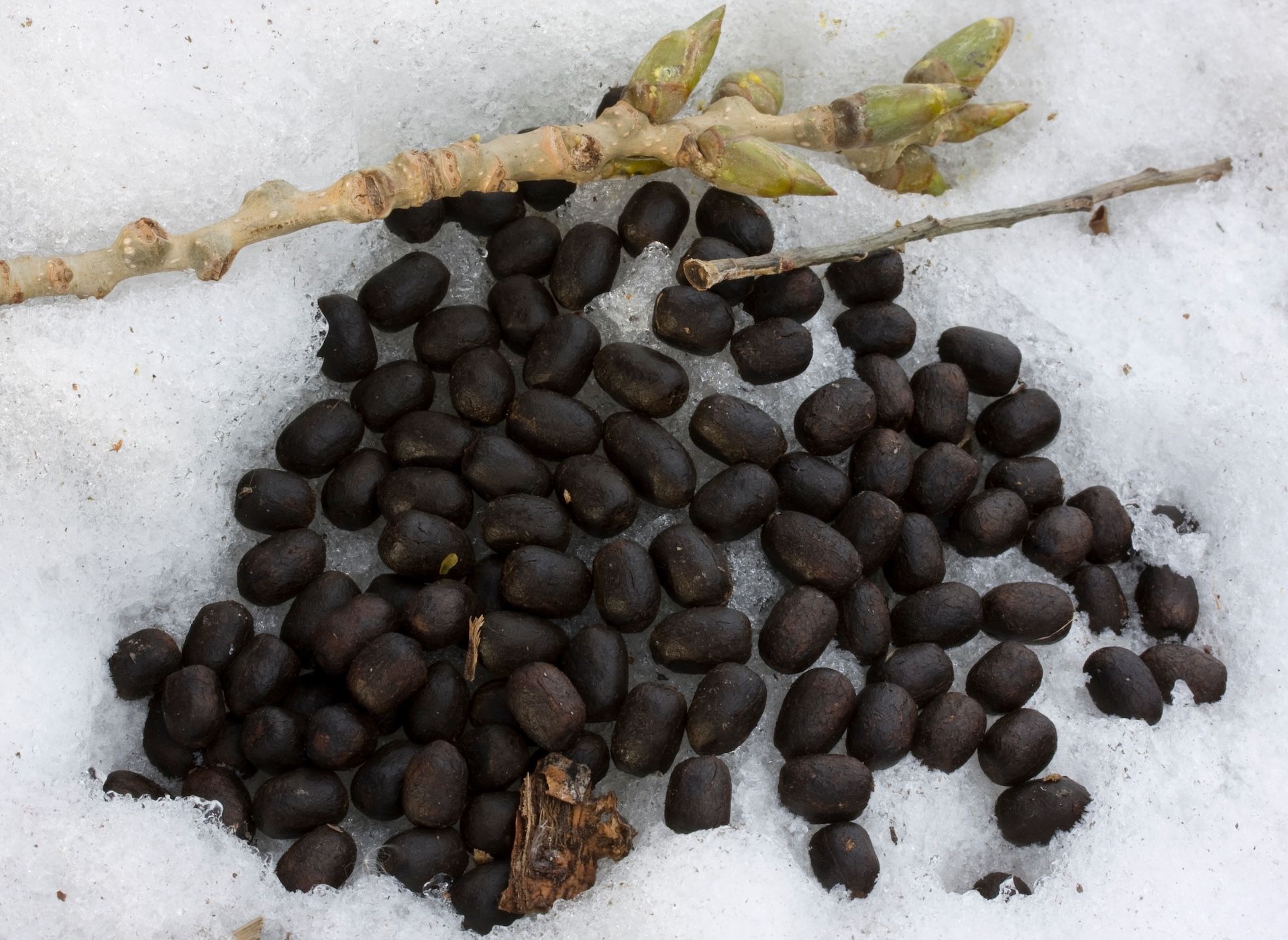
The most immediately recognizable feature of deer droppings is their shape. Healthy, well-formed deer pellets are generally oval or slightly rounded, resembling small, elongated beads or marbles. Each pellet typically measures between 1/2 to 1 inch in length and about 1/4 to 1/2 inch in width. They often have a slightly pointed or “nipped” end, a consequence of the muscle contractions during excretion.
Typical Pellet Characteristics
When you encounter deer droppings, you’ll usually find them in small clusters or piles, rather than scattered individually. This is because deer tend to deposit their droppings in specific areas, often referred to as “dropping sites” or “latrines.” The freshness of the droppings can be gauged by their appearance. Fresh pellets will be soft, moist, and dark in color, often a deep, rich brown or black. As they age, they dry out, becoming lighter in color (ranging from tan to greyish-brown), harder, and more brittle. Eventually, they will crumble into dust.
Variations in Form
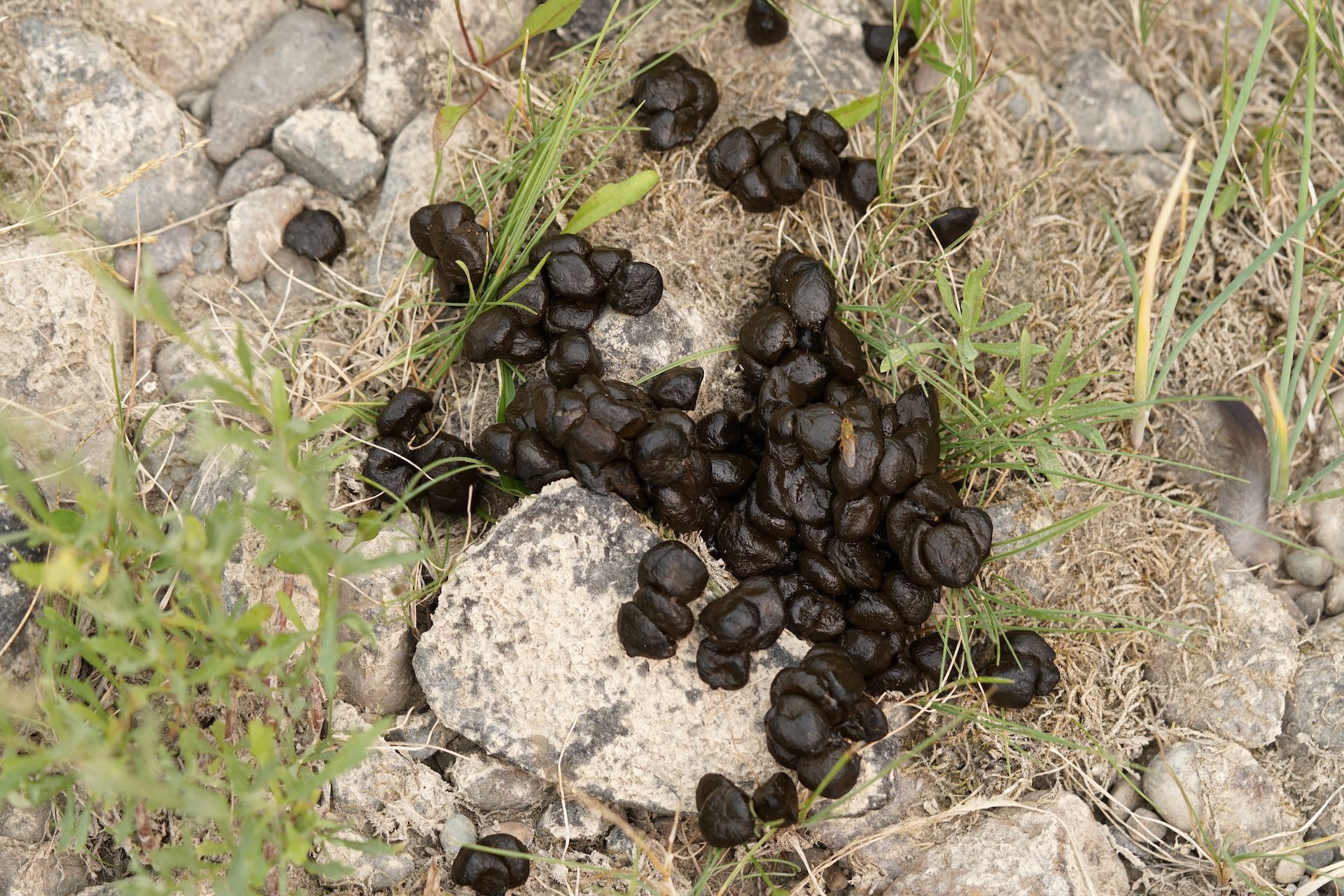
While the classic pellet shape is most common, there are instances where deer droppings might appear slightly different. For example, if a deer has recently consumed a large amount of succulent, leafy vegetation or is experiencing digestive upset, its droppings might be softer, more clumped together, or even form a more cohesive mass. This is less common for adult deer with a healthy digestive tract but can occur. The presence of undigested plant material, such as twigs or fibrous bark, can also influence the shape and consistency.
Decoding Diet Through Droppings: Color and Contents
The color and internal composition of deer droppings are direct indicators of the animal’s recent diet. Deer are herbivores, and their diet consists primarily of leaves, twigs, buds, fruits, and acorns. The specific types of plants available will dictate the look of their droppings.
Color as an Indicator
The color of fresh deer droppings is a strong clue to their recent food intake. Dark brown to black droppings usually signify a diet rich in leafy greens and browse. If the droppings appear lighter, tending towards tan or even a greenish hue, it often suggests that the deer has been consuming more grasses, sedges, or bark. In autumn, when acorns are abundant, droppings might take on a darker, almost tar-like appearance due to the high tannin content of the acorns.
Visible Plant Material
Closely examining the contents of deer droppings can provide even more detailed information about their diet. Gently breaking open a fresh pellet can reveal partially digested plant matter. You might see fragments of leaves, tiny twigs, seeds, or even the husks of acorns. The presence and type of this material can help identify specific plants the deer have been feeding on in a particular area. For instance, finding remnants of pine needles might indicate foraging in coniferous forests, while fragments of berries suggest a preference for fruit-bearing shrubs.
Impact of Seasonal Changes
The season plays a significant role in the composition and appearance of deer droppings. In spring, as new growth emerges, droppings will likely be softer and may contain more tender shoots and leaves. Summer often sees a diet of more succulent plants, leading to slightly softer droppings. As autumn arrives and hard mast like acorns and nuts become available, the droppings can become harder and darker. In winter, when food sources are scarce and deer rely more on woody browse and bark, their droppings may be tougher and lighter in color.
Health and Hydration: Signs in the Scat
Beyond diet, deer droppings can also offer insights into the animal’s health and hydration levels. While visual inspection alone might not diagnose serious medical conditions, certain abnormalities can signal underlying issues.
Hydration Levels
The moisture content of deer droppings can be an indicator of hydration. Well-hydrated deer will produce firm, but not dry, pellets. If droppings appear unusually dry and crumbly, it might suggest dehydration, which could be due to a lack of water sources or a health problem. Conversely, very soft, mushy, or watery droppings can indicate diarrhea, which could be caused by a bacterial or parasitic infection, or a sudden dietary change.
Signs of Parasites and Illness
While not always readily apparent without microscopic examination, the presence of mucus or blood in deer droppings can be a sign of parasitic infections or intestinal distress. Large, undigested chunks of food, or an unusual abundance of foreign material, might also suggest digestive problems. Observing a change in the frequency or consistency of droppings over a period can also be noteworthy, especially if accompanied by other signs of poor health, such as lethargy or a dull coat.
Fawn Droppings vs. Adult Droppings
It’s important to distinguish between the droppings of adult deer and fawns. Fawns have a less developed digestive system and produce softer, more unformed feces, often resembling cow dung in their consistency. Their droppings are typically found in a more clumped or amorphous form, especially when they are young and still relying on milk. As fawns mature and transition to a solid diet, their droppings will gradually take on the characteristic pellet shape of adults.
Practical Applications: Why Identifying Deer Droppings Matters
The ability to identify and interpret deer droppings has a variety of practical applications for individuals who interact with the natural world. From managing wildlife populations to understanding ecological health, this seemingly mundane skill offers valuable insights.
Wildlife Tracking and Observation
For hunters and wildlife photographers, understanding deer sign, including droppings, is paramount. The presence and freshness of droppings can help determine if deer are actively using an area, the time of day they might be present, and their general movement patterns. Fresh droppings indicate recent activity, making an area more promising for observation or hunting. The location of dropping sites can also reveal preferred travel corridors and foraging grounds.
Garden and Landscape Management
For those who find deer a nuisance in their gardens, identifying deer droppings is the first step in understanding their presence and activity. Knowing that deer are frequenting an area allows for the implementation of deterrents, such as fencing, repellents, or specific plant choices that deer find unappealing. Observing the droppings can also help assess the extent of damage being caused and the effectiveness of any mitigation strategies.
Ecological Health Assessment
In a broader ecological context, deer droppings can serve as indicators of the health of an ecosystem. Changes in the variety and composition of droppings over time can reflect shifts in plant communities, the availability of food sources, and the overall well-being of the deer population. Scientists and conservationists may use scat analysis as part of broader wildlife surveys to monitor population dynamics and environmental health.
In conclusion, the humble deer dropping, often overlooked or dismissed, is a complex biological marker. By paying attention to its shape, size, color, and contents, one can unlock a surprising amount of information about these fascinating animals and their environment. Whether for practical reasons like wildlife management or simply to deepen one’s appreciation for the natural world, understanding what deer droppings look like is a valuable skill for anyone with an interest in the outdoors.
aViewFromTheCave is a participant in the Amazon Services LLC Associates Program, an affiliate advertising program designed to provide a means for sites to earn advertising fees by advertising and linking to Amazon.com. Amazon, the Amazon logo, AmazonSupply, and the AmazonSupply logo are trademarks of Amazon.com, Inc. or its affiliates. As an Amazon Associate we earn affiliate commissions from qualifying purchases.