
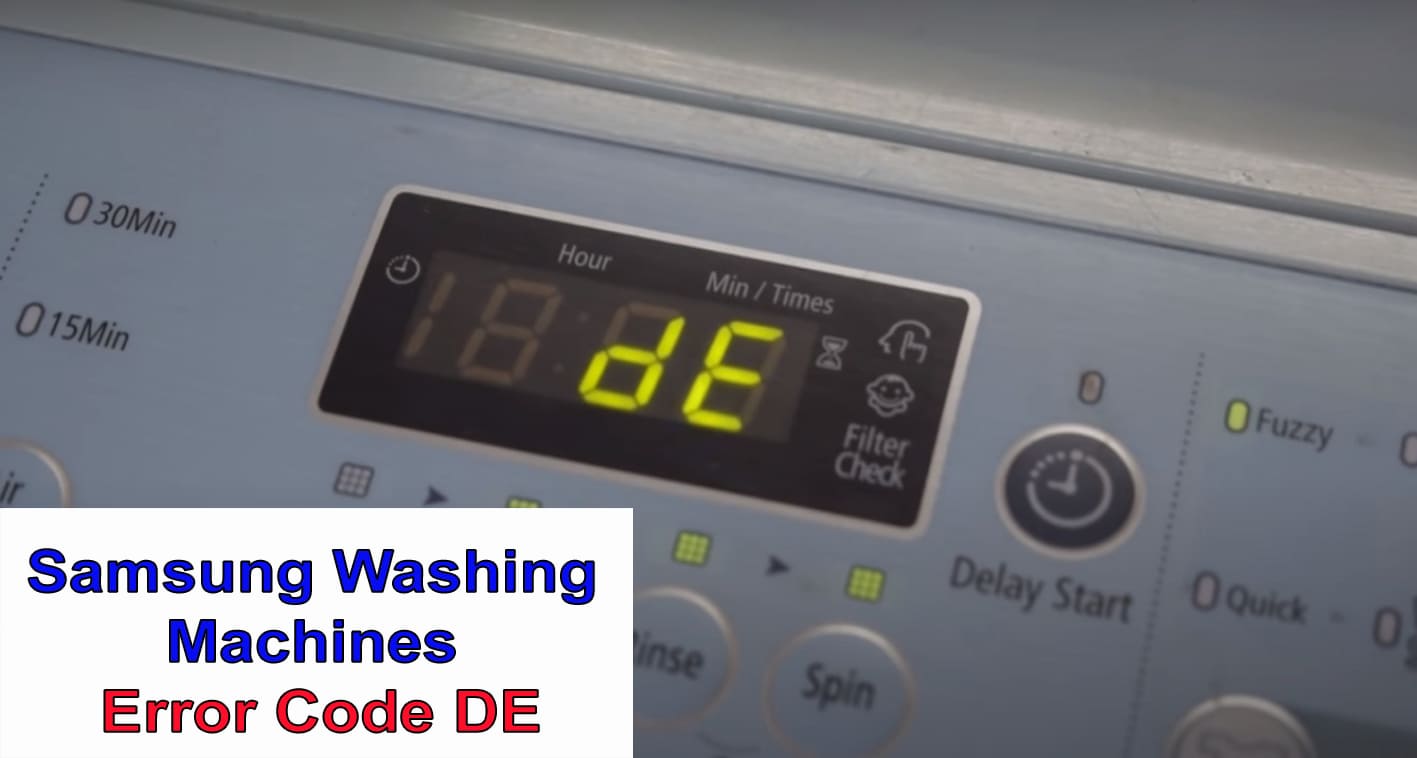
Few things disrupt the rhythm of a modern household quite like an unexpected appliance malfunction, especially when it comes to something as essential as a washing machine. The steady hum of clean laundry cycles is a silent testament to domestic harmony, but a flashing error code can quickly turn that into a symphony of frustration. If you own a Samsung washing machine, a leading brand renowned for its innovative home appliances, you might one day be confronted with the cryptic ‘dE’ error code illuminating your control panel. While initially alarming, understanding what ‘dE’ signifies is the first step towards resolving the issue, often without the need for professional intervention. This article will delve deep into the meaning behind this common Samsung error, explore its various causes, guide you through comprehensive troubleshooting steps, and discuss the broader implications for your appliance’s longevity, your wallet, and your overall interaction with smart home technology.

Decoding the ‘dE’ Error: Understanding Your Samsung Washer’s Message
Samsung has earned its reputation as a global technology leader, consistently pushing the boundaries of innovation across numerous product categories, from smartphones to smart home appliances. Their washing machines are no exception, integrating advanced features, robust build quality, and user-friendly interfaces. Part of this user-friendliness includes a sophisticated diagnostic system that communicates potential issues through specific error codes. The ‘dE’ code is one such message, and thankfully, it’s one of the more straightforward ones to interpret.
The Fundamental Meaning: Door Error Explained
At its core, the ‘dE’ error on a Samsung washing machine stands for “Door Error.” This indicates that the machine’s internal system detects that the washing machine door is not securely closed or latched, preventing it from starting or continuing a cycle. Modern washing machines, particularly front-loaders, are designed with safety as a paramount concern. They cannot operate if the door isn’t properly sealed, preventing water leaks, accidental openings during high-speed cycles, and potential injury. The ‘dE’ code is essentially a safety prompt, a digital guardian ensuring that all conditions are met before the wash cycle can proceed.
However, the simplicity of “Door Error” can sometimes mask a range of underlying problems. It’s not always as simple as a door left ajar. The detection mechanism involves intricate sensors and locking mechanisms, and any glitch in this chain can trigger the ‘dE’ code. This brings us to the technological underpinnings of why such an error occurs and how our interaction with smart appliances is shaped by these very diagnostics.
Beyond the Basics: How Modern Appliance Diagnostics Work
From a technological standpoint, the ‘dE’ error highlights the advanced microprocessors and sensor arrays integrated into contemporary washing machines. Unlike older, purely mechanical models, today’s Samsung washers feature electronic control boards that constantly monitor various parameters. For the door specifically, there’s usually a door latch assembly that contains a switch. When the door is closed and locked, this switch completes an electrical circuit, signaling to the main control board that it’s safe to proceed. If this circuit remains open, or if the control board doesn’t receive the expected signal, the ‘dE’ code is triggered.
This sophisticated system is a double-edged sword. On one hand, it provides immediate feedback, preventing potential damage or safety hazards. On the other hand, it means a minor misalignment or a faulty sensor can halt an entire operation. For a brand like Samsung, which prides itself on seamless user experience and cutting-edge tech, these diagnostic codes are crucial for both troubleshooting and maintaining brand reputation. They offer a tangible point of interaction between the user and the machine’s internal “thought process,” making the complex world of appliance technology a little more transparent. Understanding this interaction is key to effectively troubleshooting and maintaining your appliance, ultimately saving you time and money.
Common Causes and DIY Troubleshooting Steps
While the ‘dE’ error points to a door issue, pinpointing the exact cause requires a systematic approach. Many common triggers for this error are relatively simple to fix, often requiring no tools or specialized knowledge. This DIY approach not only saves the cost of a service call but also empowers users to better understand their appliances, fostering a sense of self-reliance in the smart home era.
Simple Checks: The Low-Hanging Fruit
Before diving into more complex diagnostics, start with the most obvious culprits. These quick checks often resolve the ‘dE’ error instantly:
- Ensure the Door is Fully Closed: This might sound trivial, but it’s the most common reason. Give the door a firm push until you hear or feel it click securely into place. Sometimes, clothes can get caught between the door and the frame, preventing a complete seal. Check for any fabric obstructions, especially around the latch mechanism.
- Power Cycle the Machine: Just like restarting a computer, unplugging your washing machine for 5-10 minutes can reset its electronic control board and clear temporary glitches. After plugging it back in, try to start a cycle again. This simple tech trick often resolves minor software hiccups that might mistakenly trigger error codes.
- Check for Overloading: An overloaded washing machine, particularly a front-loader, can push clothes against the door, preventing it from latching properly. If the drum is too full, remove some items and try closing the door again. This not only prevents door errors but also ensures efficient washing and extends the life of your machine.
- Inspect the Door Latch Area: Visually inspect the door latch and the strike plate on the machine’s body. Look for any visible damage, wear, or foreign objects (like lint, detergent residue, or small items from pockets) that might be interfering with the latch’s ability to engage. Clean any debris you find.
Delving Deeper: Investigating Latch Mechanisms and Wiring
If the simple checks don’t resolve the issue, the problem might lie with the mechanical or electrical components of the door locking system. While this sounds more daunting, some checks are still within the realm of a confident DIY enthusiast:
- Examine the Door Latch Assembly: The door latch assembly is the component responsible for locking the door during operation. Over time, this mechanism can wear out, become loose, or even break. With the machine unplugged, gently try to manipulate the latch mechanism. Does it feel loose or wobbly? Does it seem to engage properly? If you suspect mechanical failure, this component might need replacement. Many resources, including online tutorials and parts suppliers, make this a feasible DIY repair for those comfortable with basic appliance work, potentially saving significant money on service fees.
- Wiring Inspection (Caution Recommended): The door latch switch connects to the main control board via electrical wiring. A loose connection or damaged wire could prevent the signal from reaching the board. This step requires extreme caution. Always ensure the machine is unplugged from the power source before attempting to access internal components. If you are not comfortable working with electrical components, it’s best to consult a professional. However, for those with basic electrical knowledge, visually inspecting the wires leading to and from the door latch can sometimes reveal a disconnected or frayed wire. Re-seating a loose connector can sometimes fix the issue.
- Door Alignment: Sometimes, the door itself might become misaligned due to continuous use or shifting of the machine. If the door isn’t perfectly aligned with the latch strike, it won’t close properly. Check the door hinges for any looseness or damage. While re-aligning a door can be tricky, sometimes tightening hinge screws can help.
Leveraging Technology: Smart Diagnosis and Samsung Apps
Samsung, as a brand committed to technological advancement, offers tools to aid in diagnostics. Many of their newer washing machines integrate with the Samsung SmartThings app. This app can often provide more specific insights into error codes and even offer guided troubleshooting steps. Using SmartThings, you might not just see ‘dE,’ but a more granular code or a suggestion like “Door Latch Faulty.”
This integration of smart technology is a crucial aspect of Samsung’s brand strategy. It aims to empower users with information and control, reducing friction points and enhancing the overall ownership experience. By leveraging these digital tools, users can often avoid costly service calls and resolve issues more quickly, reinforcing a positive perception of the brand’s commitment to consumer convenience and cutting-edge solutions.
When to Seek Professional Help: Balancing Cost and Expertise
While DIY troubleshooting can be incredibly rewarding and cost-effective, there comes a point where professional intervention becomes necessary. Recognizing this threshold is crucial for both the longevity of your appliance and your financial planning. Attempting repairs beyond your skill level can exacerbate the problem, lead to more expensive fixes, or even create safety hazards.
The Economic Realities of Appliance Repair
From a “Money” perspective, appliance repair involves a careful cost-benefit analysis. A professional service call typically incurs a diagnostic fee, plus the cost of parts and labor. For a simple ‘dE’ error, if it’s just a misaligned door or a minor obstruction, a DIY fix saves you potentially hundreds of dollars. However, if the issue stems from a faulty door lock assembly, a damaged main control board, or complex wiring, the cost of parts and labor can quickly add up.
A new door latch assembly might cost anywhere from $50-$150, plus labor, bringing the total repair cost to $200-$400. If the main control board is faulty, repairs can easily exceed $500-$700. At this point, you must weigh the repair cost against the cost of a new washing machine. For an older machine, or one that frequently experiences other issues, investing in an expensive repair might not be financially prudent. This decision also ties into the brand’s value proposition – how long do you expect a Samsung appliance to last, and is the current repair consistent with that expectation?
Samsung’s Brand Promise: Support and Service Network
Samsung, as a premium brand, invests significantly in its customer support and service network. If you find yourself unable to resolve the ‘dE’ error, reaching out to Samsung’s official customer support is a logical next step. They can often provide additional troubleshooting tips over the phone, confirm warranty status, and help you schedule a service appointment with an authorized technician.
The quality of a brand’s post-purchase support is a critical component of its reputation. A well-handled service experience can solidify brand loyalty, while a frustrating one can drive customers away. Samsung’s commitment to a robust service network ensures that even complex technical issues can be addressed by trained professionals who understand the intricate mechanics and electronics of their specific models. This reinforces the brand’s promise of reliability and customer care, an important factor for consumers investing in their appliances.
Considering Replacement: A Financial and Environmental Decision
If the ‘dE’ error leads to a costly repair, or if your machine is several years old and exhibiting other signs of wear and tear, it might be time to consider replacing it. This is a significant financial decision with environmental implications. Newer Samsung washing machines often come with enhanced energy efficiency ratings (saving you money on utility bills in the long run), improved wash performance, and more advanced smart features.
From a financial standpoint, calculate the estimated repair cost as a percentage of a new machine’s price. If the repair cost approaches 50% or more of a new unit, replacement is often the more economically sound choice, especially when considering the potential for future repairs. Environmentally, responsible disposal of old appliances and the energy savings of a new, more efficient model contribute to a more sustainable household. This is where the long-term “Money” and “Tech” aspects converge, influencing not just immediate costs but also future operational expenses and environmental footprint.
Proactive Maintenance and the Future of Smart Laundry
Preventing issues like the ‘dE’ error is always preferable to troubleshooting them after they occur. Proactive maintenance not only extends the life of your Samsung washing machine but also ensures its optimal performance, contributing to a more efficient and stress-free household. Looking ahead, the evolution of smart laundry appliances promises even greater convenience and predictive capabilities.
Preventing Future ‘dE’ Incidents
Simple habits can go a long way in preventing future ‘dE’ errors:
- Gentle Door Operation: Avoid slamming the door. Always close it firmly but gently, ensuring it latches without excessive force, which can wear out the mechanism prematurely.
- Regular Cleaning: Periodically clean around the door gasket and the latch area. Lint, detergent residue, and hard water buildup can interfere with the door’s seal and the latch’s operation.
- Avoid Overloading: Adhere to the manufacturer’s recommended load capacity. Overloading strains the machine, pushes clothes against the door, and can prevent proper latching.
- Level the Machine: Ensure your washing machine is perfectly level. An unlevel machine can put stress on the door hinges and latch mechanism, leading to misalignment over time.
These practices, while seemingly minor, contribute significantly to the longevity and reliability of your appliance, directly impacting the “Money” aspect by reducing repair frequency and extending its lifespan.
The Evolving Landscape of Smart Home Appliances
The ‘dE’ error, while a specific instance, is a gateway into understanding the broader trends in appliance technology. Brands like Samsung are continually innovating, integrating more sensors, AI-driven diagnostics, and connectivity features. Future washing machines might not just show a ‘dE’ code but could proactively notify you via an app that the door latch mechanism is showing early signs of wear, ordering a replacement part before a full breakdown occurs.
This predictive maintenance, powered by AI and IoT (Internet of Things) connectivity, represents the future of smart home appliances. For Samsung, this means further solidifying its brand as a leader in smart living, offering not just products but complete ecosystems that simplify and enhance daily life. From a “Tech” perspective, it’s about shifting from reactive problem-solving to proactive prevention, making appliances more autonomous and reliable.

Maximizing Your Investment: Longevity and Efficiency
Ultimately, understanding and addressing issues like the ‘dE’ error is about maximizing your investment in a quality appliance. A Samsung washing machine is a significant purchase, and proper care, timely troubleshooting, and informed repair decisions ensure you get the most out of it. By leveraging the brand’s technological innovations, taking proactive steps, and making wise financial choices regarding repairs or replacements, you not only maintain a functional household but also contribute to a more efficient and sustainable lifestyle. The ‘dE’ code, once a symbol of frustration, can thus become an opportunity to engage more deeply with your technology, save money, and ensure your laundry routine remains seamless for years to come.
aViewFromTheCave is a participant in the Amazon Services LLC Associates Program, an affiliate advertising program designed to provide a means for sites to earn advertising fees by advertising and linking to Amazon.com. Amazon, the Amazon logo, AmazonSupply, and the AmazonSupply logo are trademarks of Amazon.com, Inc. or its affiliates. As an Amazon Associate we earn affiliate commissions from qualifying purchases.