
The Honda CR-V. For decades, this nameplate has been synonymous with practicality, reliability, and a sensible approach to family transportation. It’s a vehicle that consistently ranks high in sales charts and owner satisfaction surveys, a testament to Honda’s engineering prowess and understanding of the automotive market. But beyond its tangible qualities, the CR-V carries a name with a history and a meaning that contributes to its established brand identity. While the exact interpretation has evolved and is often debated, understanding what “CR-V” stands for offers a fascinating glimpse into Honda’s strategic branding and the core values they aim to communicate with this immensely popular model. This exploration delves into the historical and intended meanings of the CR-V designation, dissecting its connection to Honda’s broader brand philosophy and its impact on its market positioning.
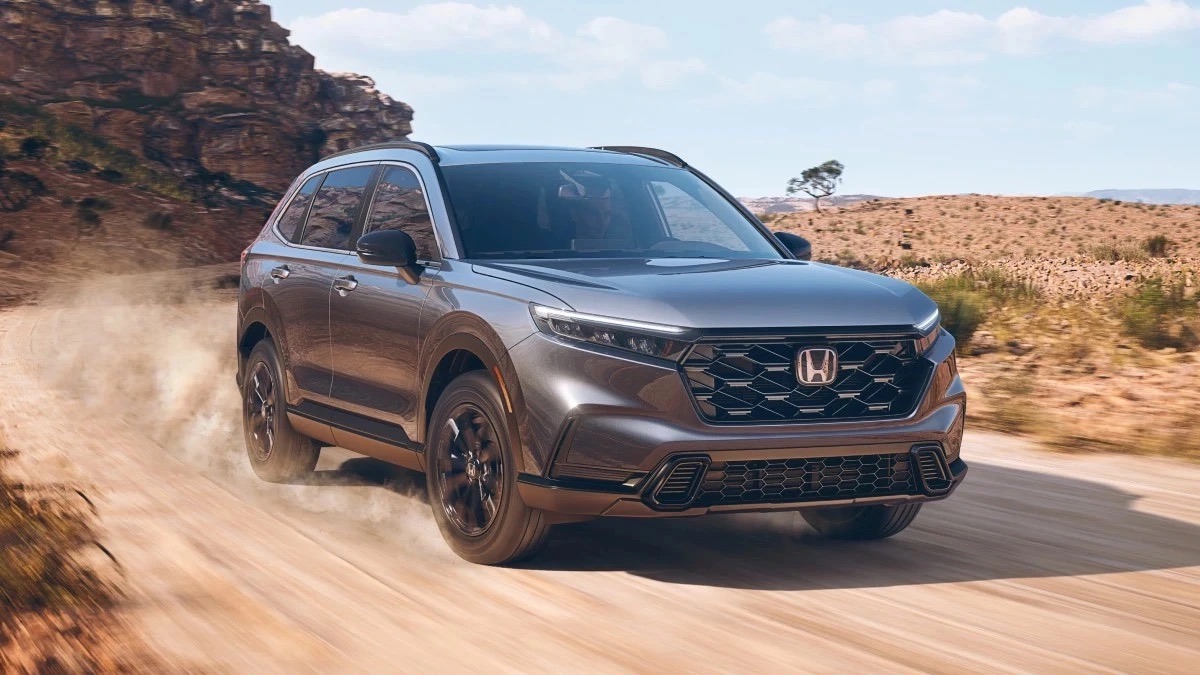
The Genesis of the CR-V: A Brand’s Vision for a New Segment
When Honda first introduced the CR-V in the mid-1990s, the automotive landscape was beginning to shift. The traditional sedan was being challenged by the burgeoning popularity of sport utility vehicles (SUVs). However, the early SUV market was often dominated by larger, more rugged, and less fuel-efficient options. Honda, a brand already respected for its engineering efficiency and consumer-focused design, saw an opportunity to carve out a new niche. The CR-V was conceived not as a hardcore off-roader, but as a more accessible, car-like utility vehicle that blended the practicality of an SUV with the driving dynamics and efficiency of a car. This strategic intent is crucial to understanding the meaning behind its name.
The Original Meaning: Comfort and Versatility
The most widely accepted and historically accurate interpretation of “CR-V” is “Comfortable Recreational Vehicle.” This designation perfectly encapsulates the vehicle’s initial design philosophy and target audience.
Prioritizing the Driver and Passengers
“Comfortable” speaks directly to Honda’s commitment to providing a refined and pleasant driving experience. This meant investing in suspension systems that offered a smooth ride, comfortable seating for longer journeys, and an interior designed with user ergonomics in mind. Even in its early iterations, the CR-V aimed to be a vehicle that owners would enjoy driving, not just a utility tool. This focus on the occupant experience was a key differentiator in a market where comfort was often secondary to ruggedness.
Adapting to Life’s Adventures
The “Recreational Vehicle” aspect highlights the CR-V’s intended use beyond daily commuting. Honda envisioned it as a vehicle that could facilitate an active lifestyle. This meant offering ample cargo space for gear, the ability to handle varied road conditions (though not extreme off-roading), and the flexibility to accommodate passengers for weekend getaways or family outings. The CR-V was designed to be a versatile partner for life’s adventures, big or small. It wasn’t about conquering mountains, but about enabling the journey to them.
A Subtle Evolution: “Compact Recreational Vehicle”
Over time, as the CR-V grew in popularity and the compact SUV segment became more defined, an alternative interpretation gained traction: “Compact Recreational Vehicle.” While Honda has never officially confirmed this as a replacement for the original meaning, it reflects the evolving perception and market reality of the CR-V.
Defining the Compact SUV Space
The CR-V was instrumental in defining what a “compact” SUV should be. It offered a higher driving position and more cargo versatility than a typical hatchback or wagon, but without the imposing size and fuel consumption of larger SUVs. This “compact” aspect became a defining characteristic of the CR-V and, by extension, the segment it helped popularize.
Reinforcing Versatility in a Smaller Footprint
The “Recreational Vehicle” component remains vital. Even within a more compact footprint, the CR-V continued to emphasize its ability to adapt to various needs. Whether it was carrying groceries, sports equipment, or a family of five, the CR-V’s design prioritised maximizing utility within its size constraints. This dual emphasis on being both compact and recreational underscored Honda’s ability to deliver significant functionality without excessive bulk.
Honda’s Branding Philosophy: The CR-V as a Case Study
The naming of the CR-V is not an isolated decision; it’s deeply intertwined with Honda’s overarching brand strategy. Honda has consistently built its reputation on engineering excellence, reliability, innovation, and a focus on the user. The CR-V’s designation is a microcosm of these core brand tenets, subtly communicating the vehicle’s purpose and Honda’s commitment to its customers.
Engineering for the Everyday: The “Comfortable” Core

Honda’s brand is built on the idea of making complex engineering accessible and beneficial to the everyday consumer. The “Comfortable” aspect of CR-V directly reflects this. Honda engineers aren’t just focused on raw power or extreme performance; they are dedicated to creating vehicles that are a joy to live with. This means meticulous attention to detail in areas like ride quality, noise reduction, and interior layout. The CR-V’s enduring appeal stems from this fundamental engineering philosophy, where comfort is not a luxury but a cornerstone of usability.
Practical Innovation: The “Recreational” Adaptability
Honda has always been a pioneer in practical innovation, finding ways to enhance functionality without overcomplicating designs. The “Recreational” element of the CR-V highlights this. It represents Honda’s ability to imbue a vehicle with a sense of adventure and utility, allowing owners to pursue their passions and manage their daily lives with ease. This is achieved through clever design features, such as the Magic Seat system in later generations, which maximizes cargo and passenger flexibility. The CR-V embodies Honda’s ethos of providing innovative solutions that genuinely improve people’s lives.
Building Trust Through Consistency: The “CR-V” Legacy
The longevity and consistent success of the CR-V are testaments to Honda’s ability to build trust through consistent product delivery. The “CR-V” name has become a symbol of reliability and value in the compact SUV market. This consistency in both the product and its underlying brand promise is a key differentiator for Honda. When consumers see the CR-V badge, they have a certain expectation of quality, efficiency, and practicality. This expectation, fostered over decades, is a powerful branding asset, and the name itself plays a role in reinforcing that established identity.
The CR-V’s Impact on Honda’s Brand Image and Market Position
The Honda CR-V is more than just a successful model; it has been instrumental in shaping Honda’s brand image and solidifying its position in the global automotive market. Its consistent appeal and strong sales figures have allowed Honda to compete effectively across various segments, while simultaneously reinforcing its core brand values.
Bridging the Gap: From Cars to SUVs
The CR-V played a crucial role in helping Honda transition and thrive in the SUV market. Prior to its success, Honda was primarily known for its efficient and reliable sedans and hatchbacks. The CR-V demonstrated that Honda could successfully apply its engineering expertise to the more utilitarian SUV segment, appealing to a broader demographic without alienating its existing customer base. It proved that a vehicle could be both practical and refined, a hallmark of Honda’s approach.
Attracting New Buyers
The CR-V’s approachable design and focus on comfort and fuel efficiency attracted a new wave of buyers who might have been hesitant about traditional, more truck-like SUVs. It offered a gateway into the SUV market for consumers seeking more space and versatility than a car but desiring better on-road manners and economy. This expansion of its customer base has been vital for Honda’s growth.
Reinforcing Existing Loyalty
Crucially, the CR-V also appealed to existing Honda owners who were looking for an upgrade in practicality. Its familiar Honda DNA – the quality, the reliability, the user-friendly interface – made it a natural choice for those already invested in the brand. This created a strong ecosystem within the Honda family, encouraging brand loyalty across different vehicle types.
A Benchmark for the Compact SUV Segment
The success of the CR-V has not only benefited Honda but has also significantly influenced the development of the entire compact SUV segment. Its blend of comfort, practicality, and efficiency set a benchmark that competitors have strived to emulate. The “CR-V formula” – a well-appointed interior, capable but not extreme performance, and a focus on everyday usability – has become a template for many successful compact SUVs.
Driving Innovation in the Segment
Honda’s continuous refinement of the CR-V, from its powertrain options to its safety features and interior amenities, has pushed the boundaries of what consumers expect from a compact SUV. Innovations introduced in the CR-V have often trickled down to other Honda models or influenced competitors, accelerating the evolution of the segment as a whole.

Solidifying Honda’s Reputation for Practicality
The CR-V’s consistent performance in its segment reinforces Honda’s reputation for producing practical, well-engineered, and reliable vehicles. The name “CR-V” has become shorthand for a dependable and versatile compact SUV, contributing significantly to Honda’s brand equity and its standing as a trusted automotive manufacturer. Its enduring popularity is a testament to the clarity and effectiveness of the brand promise inherent in its name and its execution.
aViewFromTheCave is a participant in the Amazon Services LLC Associates Program, an affiliate advertising program designed to provide a means for sites to earn advertising fees by advertising and linking to Amazon.com. Amazon, the Amazon logo, AmazonSupply, and the AmazonSupply logo are trademarks of Amazon.com, Inc. or its affiliates. As an Amazon Associate we earn affiliate commissions from qualifying purchases.