
In the intricate landscape of international trade and business finance, acronyms abound, serving as shorthand for complex concepts and agreements. Among these, “CIF” is a term that frequently surfaces, particularly in discussions surrounding shipping, insurance, and the cost of goods. Understanding what CIF stands for and, more importantly, what it signifies in practical terms, is crucial for any business engaging in cross-border transactions. This article will delve into the meaning of CIF, its implications for buyers and sellers, and its significance within the broader context of business finance.
Decoding CIF: Cost, Insurance, and Freight
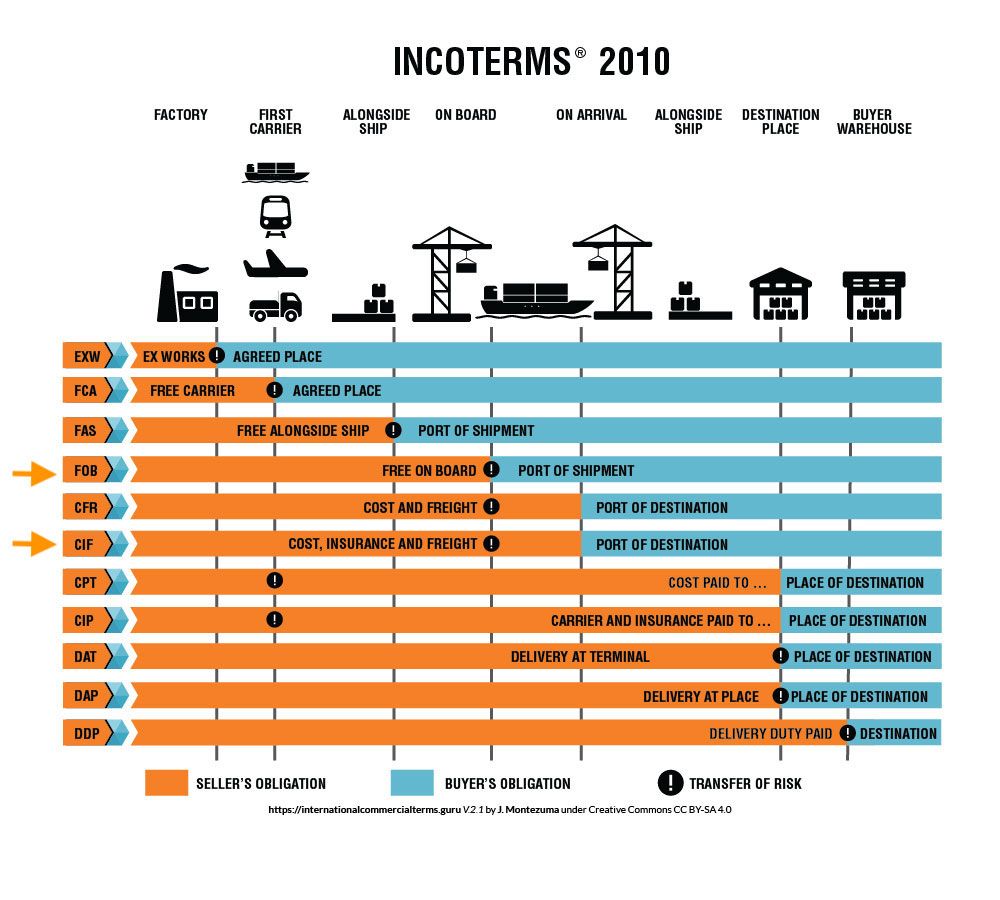
At its core, CIF is an Incoterm, a set of standardized international commercial terms published by the International Chamber of Commerce (ICC). Incoterms are designed to clarify the duties, risks, and costs associated with the transportation and delivery of goods from sellers to buyers. CIF specifically stands for Cost, Insurance, and Freight. This designation indicates that the seller is responsible for three key components of the transaction: the cost of the goods themselves, the insurance to cover potential loss or damage during transit, and the freight charges to transport the goods to a designated port of destination.
The Seller’s Responsibilities Under CIF
When a transaction is agreed upon under CIF terms, the seller assumes a significant level of responsibility. Their obligations typically include:
- Procuring the Goods: This is the fundamental responsibility of the seller – to provide the goods as stipulated in the contract of sale.
- Commercial Invoice: The seller must provide a commercial invoice that accurately reflects the agreed-upon price of the goods.
- Export Licenses and Customs Formalities: The seller is responsible for obtaining any necessary export licenses or other government authorizations required for the export of the goods. They must also clear the goods for export, paying any export duties or taxes.
- Packaging: The goods must be packaged appropriately for international transport, ensuring they are protected from damage during the journey.
- International Freight: The seller must arrange and pay for the carriage of the goods by sea or inland waterway to the named port of destination. This includes booking the vessel space and paying the freight charges.
- Marine Insurance: Crucially, under CIF, the seller must also obtain and pay for a minimum level of marine insurance coverage for the goods. This insurance policy should protect the buyer against the risk of loss of or damage to the goods during the carriage. The policy should be assigned to the buyer, allowing them to claim directly from the insurer if necessary. The minimum coverage is typically mandated by the contract, but often follows standard practices.
- Delivery: The seller’s obligation for delivery is fulfilled when the goods have been loaded onto the vessel at the port of shipment. However, the cost and risk associated with the carriage extend to the named port of destination.
- Proof of Delivery: The seller must provide the buyer with the usual transport document (e.g., a bill of lading) that enables the buyer to claim the goods from the carrier at the destination port, along with any other documents required for import.
It’s important to note that the seller’s responsibility for risk generally transfers to the buyer once the goods have been loaded onto the vessel at the port of shipment. While the seller pays for insurance, the insurance covers the buyer’s risk during transit.
The Buyer’s Responsibilities Under CIF
While the seller shoulders substantial responsibilities, the buyer also has distinct obligations under CIF terms:
- Payment for the Goods: The buyer must pay the price for the goods as agreed in the contract of sale.
- Import Licenses and Customs Formalities: The buyer is responsible for obtaining any necessary import licenses or other government authorizations required for the import of the goods. They must also clear the goods for import and pay any import duties, taxes, and other charges levied upon importation.
- Unloading Costs: Unless otherwise agreed, the buyer is typically responsible for the costs of unloading the goods at the port of destination.
- Inland Transportation: Once the goods have arrived at the destination port, the buyer is responsible for all costs and risks associated with transporting the goods from the port to their final destination within their country.
- Acceptance of Goods: The buyer must accept the goods as tendered by the seller, provided they conform to the contract of sale.
Key Differences from Other Incoterms
Understanding CIF is often easier when comparing it to other common Incoterms, as their distinctions highlight the specific nature of CIF’s obligations.
- FOB (Free On Board): Under FOB, the seller’s responsibility ends once the goods are loaded onto the vessel at the port of shipment. The buyer is then responsible for arranging and paying for the international freight and insurance. CIF, conversely, includes these costs and responsibilities for the seller.
- CFR (Cost and Freight): CFR is very similar to CIF, as the seller also pays for the cost of the goods and the international freight to the named port of destination. However, under CFR, the seller is not obligated to provide marine insurance. The insurance risk and responsibility fall squarely on the buyer. This is a crucial difference, as the inclusion of insurance is a defining characteristic of CIF.
- EXW (Ex Works): EXW places the minimum responsibility on the seller and the maximum responsibility on the buyer. The seller makes the goods available at their premises, and the buyer is responsible for all costs and risks from that point forward, including loading, export clearance, international carriage, insurance, and import clearance.
The primary distinction of CIF lies in the seller’s obligation to arrange and pay for both the freight and the insurance for the goods during their international transit to the named destination port.
The Financial Implications of CIF for Businesses
The CIF Incoterm has significant financial implications for both buyers and sellers, influencing pricing strategies, cost management, and risk assessment.

For Sellers:
- Increased Upfront Costs: Sellers operating under CIF terms incur higher upfront costs. They must not only cover the cost of the goods and their own profit margins but also the expenses associated with freight and insurance. This requires careful financial planning and budgeting.
- Potential for Profitability in Services: While the direct cost of freight and insurance is borne by the seller, they can often build these costs into their selling price, potentially generating profit on these services as well. Negotiating favorable rates with shipping lines and insurance providers can therefore enhance profitability.
- Risk Management: By arranging and paying for insurance, the seller is effectively managing the risk of loss or damage during transit. This can simplify the transaction for the buyer and potentially lead to smoother dealings if unforeseen issues arise.
- Competitive Advantage: Offering CIF terms can sometimes be a competitive advantage, especially for buyers who prefer a “one-stop-shop” solution where most of the logistical and insurance complexities are handled by the seller.
For Buyers:
- Predictable Total Cost: For buyers, CIF offers a degree of predictability regarding the total cost of acquiring the goods. The price quoted under CIF typically includes the cost of the goods, freight to the destination port, and insurance. This simplifies their financial forecasting.
- Reduced Administrative Burden: Buyers benefit from a reduced administrative burden as the seller handles the complex arrangements for international shipping and insurance. This can be particularly advantageous for smaller businesses that may lack the expertise or resources to manage these processes themselves.
- Potential for Higher Pricing: While convenient, buyers should be aware that the CIF price often includes a markup from the seller on the freight and insurance costs. They may be able to source cheaper freight and insurance independently if they have the capability.
- Dependence on Seller’s Choices: The buyer is dependent on the seller’s choice of shipping line and insurance provider. If the seller opts for a less reputable or more expensive option, the buyer might not be getting the best value. It is crucial for buyers to understand the specific details of the insurance policy and shipping arrangements.
- Limited Control Over Transit: Buyers have limited control over the transit process once the goods have left the seller’s possession. While they are insured, any delays or disruptions are managed by the seller until the goods reach the destination port.
Navigating CIF in International Business Transactions
Effectively utilizing CIF terms requires a thorough understanding and careful execution of contractual obligations. Both parties must be diligent to avoid disputes and ensure a smooth flow of goods and finances.
Ensuring Clarity in Contracts
The most critical aspect of any CIF transaction is the clarity of the contract. Ambiguity can lead to costly misunderstandings. Key elements that must be clearly defined include:
- Named Port of Destination: The specific port to which the seller is responsible for delivering the goods must be explicitly stated.
- Type of Goods and Quantity: Precise details of the goods being shipped are essential for accurate pricing, insurance, and customs clearance.
- Currency and Payment Terms: The currency of the transaction and the agreed-upon payment terms (e.g., letter of credit, telegraphic transfer) must be clearly outlined.
- Insurance Coverage Details: The minimum level of insurance coverage, the insured perils, and any deductibles should be specified. Ideally, the buyer should have the opportunity to review and approve the insurance policy before shipment.
- Delivery and Shipment Dates: Agreed-upon shipment and delivery timelines are crucial for managing inventory and production schedules.
- Required Documents: A comprehensive list of all documents that the seller must provide to the buyer (e.g., commercial invoice, bill of lading, insurance policy, certificate of origin) should be stipulated.
Managing Risk and Insurance
While the seller is obligated to provide insurance, buyers should not abdicate all responsibility. It is prudent for buyers to:
- Understand the Insurance Policy: Buyers should obtain a copy of the insurance policy from the seller and understand its terms, conditions, and limitations. They should ensure it provides adequate coverage for the value of the goods and the risks involved.
- Consider Additional Coverage: Depending on the nature of the goods and the transit route, the buyer may wish to negotiate for higher levels of insurance coverage or additional endorsements to the policy.
- Be Aware of “All Risks” vs. “Named Perils”: Insurance policies can cover “all risks” (a broader coverage) or “named perils” (specific risks listed in the policy). Buyers should understand which type of coverage is provided.
- Know the Claims Process: Buyers should be familiar with the process for filing an insurance claim should damage or loss occur. This typically involves notifying the insurer promptly and providing necessary documentation.
The Role of CIF in Global Supply Chains
CIF plays a significant role in global supply chains, particularly for certain types of goods and industries. Its structure simplifies the process for buyers who may not have extensive experience in international logistics. This can foster greater participation in global trade by smaller and medium-sized enterprises (SMEs).
However, as supply chains become more complex and businesses increasingly seek greater control and cost optimization, the relevance and preference for other Incoterms like FOB or CFR might increase. The decision to use CIF or another Incoterm often depends on the specific capabilities and risk appetites of both the buyer and the seller, as well as the prevailing market conditions and industry practices.

Conclusion: Understanding CIF for Smarter Business Decisions
In conclusion, CIF, standing for Cost, Insurance, and Freight, is a vital Incoterm in international trade. It defines a scenario where the seller bears the responsibility for the cost of goods, the international freight to a specified destination port, and the provision of marine insurance. While it offers buyers convenience and predictability, it also places significant upfront costs and logistical management on sellers.
For businesses operating in the international arena, a deep understanding of what CIF entails is not merely academic; it is fundamental to sound financial planning, effective risk management, and successful contract negotiation. By clearly defining responsibilities and anticipating the financial and operational implications, companies can leverage CIF to their advantage, fostering smoother transactions and strengthening their position in the global marketplace. Whether you are a buyer seeking a simplified import process or a seller aiming to provide a comprehensive service, understanding the nuances of CIF is a cornerstone of smart business finance in today’s interconnected world.
aViewFromTheCave is a participant in the Amazon Services LLC Associates Program, an affiliate advertising program designed to provide a means for sites to earn advertising fees by advertising and linking to Amazon.com. Amazon, the Amazon logo, AmazonSupply, and the AmazonSupply logo are trademarks of Amazon.com, Inc. or its affiliates. As an Amazon Associate we earn affiliate commissions from qualifying purchases.