
The question of what Christians believe in is a fundamental one, touching upon the core tenets of a faith that has shaped civilizations and continues to inspire billions worldwide. While the term “Christian” encompasses a vast spectrum of denominations and individual interpretations, a foundational set of beliefs unites them under the banner of faith in Jesus Christ. These beliefs are not merely abstract theological concepts but deeply ingrained convictions that guide the lives, actions, and understanding of the world for adherents. This exploration delves into the essential pillars of Christian belief, examining their historical roots, theological significance, and practical implications.

The Triune God: Father, Son, and Holy Spirit
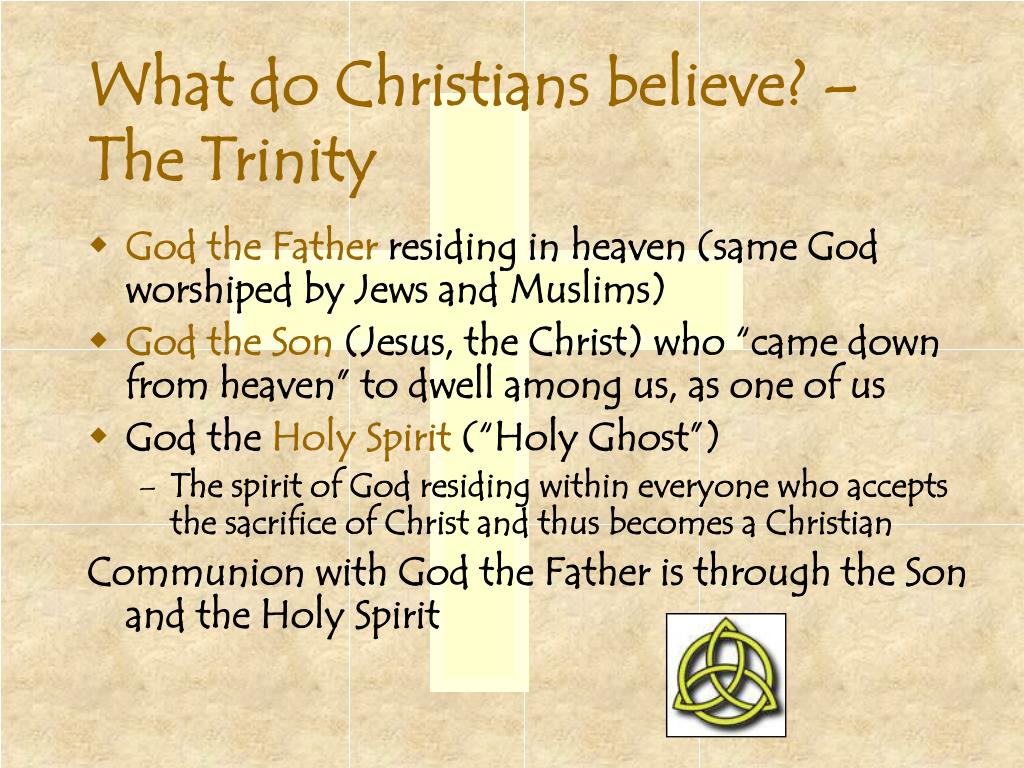
At the absolute heart of Christian theology lies the doctrine of the Trinity. This concept posits that there is one God, who exists eternally as three co-equal, co-eternal, and distinct persons: God the Father, God the Son (Jesus Christ), and God the Holy Spirit. This is not a belief in three gods, but in one God in three persons. Understanding the Trinity is crucial to grasping the entirety of Christian belief, as it underpins their understanding of creation, salvation, and the ongoing work of God in the world.
God the Father: The Creator and Sustainer
Christians believe in God the Father as the ultimate source of all existence, the uncreated Creator of the universe and everything within it. He is understood as sovereign, all-powerful, all-knowing, and perfectly good. The Genesis accounts of creation illustrate God’s divine power and purpose in bringing the cosmos into being. Beyond creation, God the Father is seen as the sustainer of life, providentially overseeing the unfolding of history and the lives of individuals. His love for humanity is a central theme, often expressed through His willingness to intervene in human affairs and to offer His children guidance and protection. The concept of God the Father also encompasses His role as the ultimate judge, holding humanity accountable for its actions while also offering forgiveness and redemption. This understanding of the Father as both majestic and intimately involved in His creation forms the bedrock of Christian devotion and prayer.
God the Son: Jesus Christ, the Redeemer
Central to Christian faith is the belief in Jesus Christ as the Son of God, the second person of the Trinity. Christians believe that Jesus is fully God and fully human, a divine being who took on human flesh through the virgin birth. His earthly life, ministry, death, and resurrection are the pivotal events upon which Christian theology is built. The crucifixion of Jesus is understood not as a tragic accident, but as a sacrificial atonement for the sins of humanity. Christians believe that through His death, Jesus paid the penalty for sin, reconciling humanity to God and offering the possibility of eternal life to all who believe in Him. His resurrection from the dead is seen as the ultimate victory over sin and death, confirming His divinity and offering a tangible hope for believers of their own future resurrection and eternal life. The teachings of Jesus, as recorded in the Gospels, provide a moral and ethical framework for Christian life, emphasizing love, compassion, forgiveness, and service to others.
God the Holy Spirit: The Empowerer and Comforter
The Holy Spirit is the third person of the Trinity, understood as God’s active presence in the world and in the lives of believers. Christians believe that the Holy Spirit convicts people of sin, regenerates their hearts, and indwells them, guiding them into truth and empowering them to live lives pleasing to God. The Holy Spirit is often referred to as the Comforter, Advocate, or Helper, providing strength, wisdom, and encouragement to face life’s challenges. The bestowal of spiritual gifts, such as wisdom, knowledge, faith, healing, and prophecy, is attributed to the work of the Holy Spirit, equipping believers for service within the church and in the wider community. The Holy Spirit’s presence is seen as the guarantee of salvation and the transformative force that enables believers to grow in their faith and to live out the teachings of Jesus.
The Bible: The Word of God
Christians widely regard the Bible as the inspired, infallible, and authoritative Word of God. This collection of sacred texts, comprising the Old and New Testaments, is believed to be divinely revealed, offering a comprehensive account of God’s dealings with humanity, His plan for salvation, and His moral and ethical standards. The Bible serves as the primary source of doctrine, guiding Christian understanding of God, humanity, sin, redemption, and the future.
Divine Inspiration and Authority
The belief in the divine inspiration of the Bible means that while written by human authors, its content originates from God Himself. This inspiration ensures the Bible’s accuracy and reliability in matters of faith and practice. Its authority stems from its divine origin, meaning that its teachings are considered ultimate and binding for Christians. This belief guides how Christians interpret scripture, often employing various hermeneutical approaches to understand its historical, cultural, and theological contexts. The Bible is not merely a historical document or a collection of ancient stories, but a living and active message from God, relevant to every generation.
The Old and New Testaments: A Unified Narrative

The Bible is divided into two main parts: the Old Testament and the New Testament. The Old Testament, consisting of the laws, historical accounts, and prophetic writings of the ancient Israelites, lays the groundwork for understanding God’s covenantal relationship with His people and foreshadows the coming of the Messiah. The New Testament, centered on the life, teachings, death, and resurrection of Jesus Christ, fulfills the prophecies of the Old Testament and establishes the New Covenant through faith in Christ. Together, these testaments form a unified narrative of God’s redemptive plan for humanity, from creation to the establishment of the Church and the promise of Christ’s return.
Salvation Through Faith in Jesus Christ
A cornerstone of Christian belief is the doctrine of salvation, understood as the deliverance from sin and its consequences, and the restoration of a right relationship with God. This salvation is overwhelmingly understood as a gift received through faith in Jesus Christ, rather than earned through human works or merit.
The Concept of Sin and its Consequences
Christian theology posits that humanity, due to the disobedience of the first humans (Adam and Eve), has fallen into sin. Sin is understood as any act, thought, or attitude that is contrary to God’s will and character. It is not merely a transgression of rules but a fundamental brokenness that separates humanity from a holy God. The consequences of sin are far-reaching, leading to spiritual death (separation from God), moral corruption, and ultimately, eternal condemnation. This universal human condition of sinfulness underscores the necessity of divine intervention for redemption.
Grace, Faith, and Atonement
Salvation is presented as a work of God’s grace, His unmerited favor extended to humanity. This grace is made accessible through the atoning sacrifice of Jesus Christ on the cross. Christians believe that Jesus, being sinless, took upon Himself the punishment for the sins of the world, thereby satisfying the demands of divine justice. Salvation is received by individuals through faith—a conscious act of trust and reliance on Jesus Christ and His atoning work. This faith is not a passive belief but an active commitment that leads to repentance and a transformed life. It is through this act of faith that one is declared righteous in God’s sight and granted eternal life.
Justification and Sanctification
The process of salvation involves two key aspects: justification and sanctification. Justification refers to the legal declaration by God that a believer is righteous, not because of their own merit, but because Christ’s righteousness is imputed to them through faith. It is an instantaneous act of God. Sanctification, on the other hand, is the ongoing process by which a believer, empowered by the Holy Spirit, is progressively made more like Christ. This involves a lifelong journey of spiritual growth, overcoming sin, and living a life of obedience to God’s commands. While justification is a one-time event, sanctification is a continuous journey.
The Church: The Body of Christ
Christians believe in the existence and importance of the Church, understood not simply as a physical building, but as the universal community of all believers, united in Christ. The Church is seen as the spiritual body of Christ on earth, carrying out His mission and serving as a visible manifestation of His presence in the world.
The Universal Church and Local Congregations
The universal Church encompasses all true believers across time and space, regardless of denominational affiliation. This spiritual unity in Christ transcends geographical and cultural boundaries. Within this universal body, Christians also gather in local congregations for worship, fellowship, teaching, and mutual encouragement. These local churches are vital for nurturing faith, providing community support, and participating in the mission of spreading the Gospel.
Mission and Ministry of the Church
The Church is called to fulfill a two-fold mission: to worship God and to serve humanity. Worship involves expressing adoration, praise, and thanksgiving to God, both individually and corporately. Ministry encompasses the various ways believers serve others, both within the Church and in the wider world. This includes evangelism (sharing the Christian message), discipleship (helping others grow in faith), acts of charity and social justice, and caring for the poor and needy. The Church is seen as God’s instrument for bringing His love, truth, and redemption to a fallen world.
In conclusion, the beliefs of Christians, though diverse in expression, are rooted in a profound faith in the Triune God, the divine inspiration of the Bible, and salvation through the sacrificial work of Jesus Christ. These core tenets shape their worldview, guide their ethical conduct, and provide them with a hope that transcends earthly existence. Understanding these fundamental beliefs is essential to appreciating the rich tapestry of Christian faith and its enduring impact on human history and culture.
aViewFromTheCave is a participant in the Amazon Services LLC Associates Program, an affiliate advertising program designed to provide a means for sites to earn advertising fees by advertising and linking to Amazon.com. Amazon, the Amazon logo, AmazonSupply, and the AmazonSupply logo are trademarks of Amazon.com, Inc. or its affiliates. As an Amazon Associate we earn affiliate commissions from qualifying purchases.