
In the modern smart home ecosystem, the kitchen has undergone a radical transformation. While we often focus on the software interfaces of refrigerators or the connectivity of coffee makers, the most profound technological advancements reside in the thermal engineering of the oven. For many users, the “Broil” setting is a button they press with a specific culinary outcome in mind, but from a technical perspective, “broiling” represents a sophisticated application of infrared radiation and thermal dynamics. To understand what broil means on an oven is to understand the intersection of material science, electromagnetic energy, and precision hardware engineering.
The Mechanics of Radiant Heat: More Than Just a Heating Element
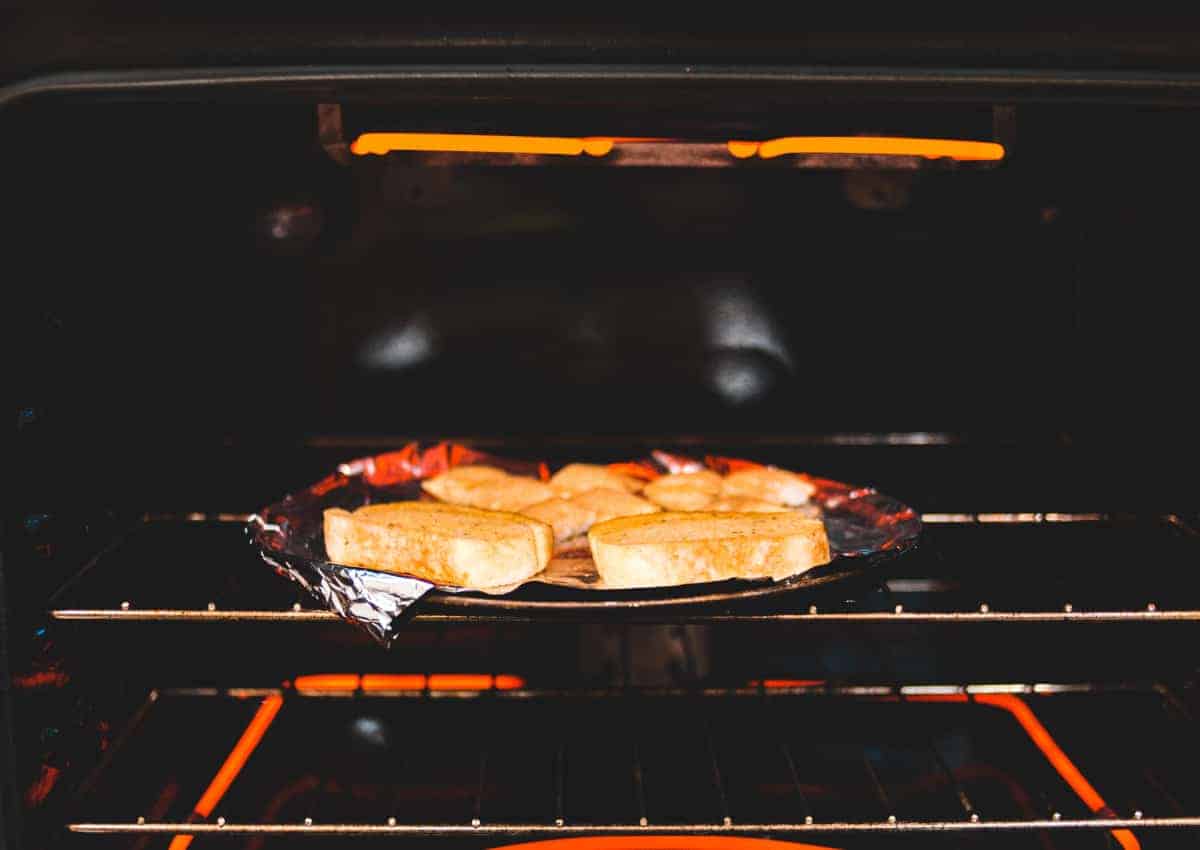
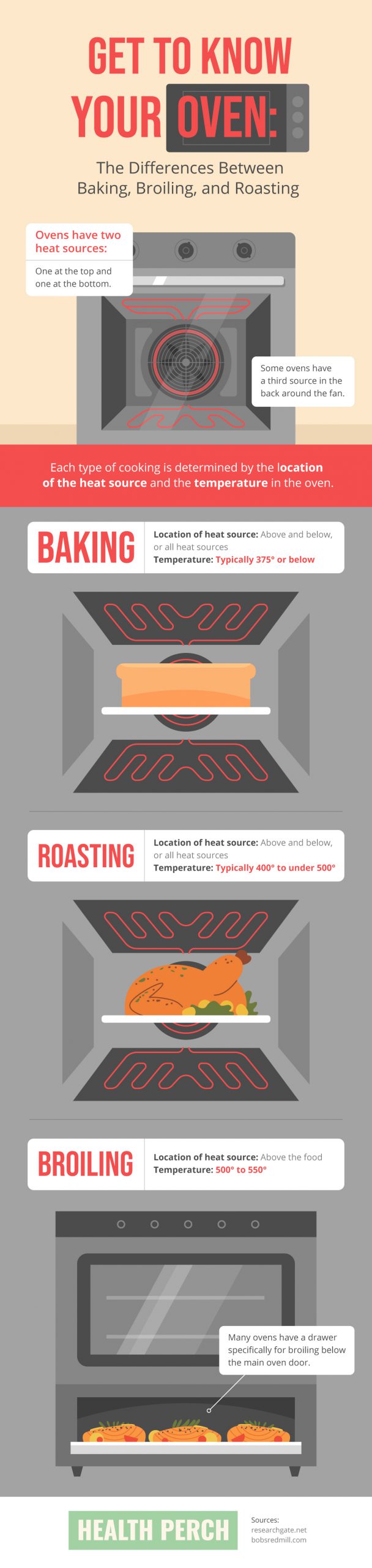
To define the broil function through a tech-centric lens, one must move past the simple idea of “cooking from the top.” In engineering terms, broiling is the process of using high-intensity, short-wave infrared radiation to transfer energy directly to a surface. Unlike baking, which relies heavily on convection (the movement of hot air) and conduction (heat transfer through a medium), broiling is almost entirely radiative.
The Physics of Infrared Radiation
The heating element at the top of an oven, when set to “Broil,” acts as a high-powered transmitter of electromagnetic waves. When electricity passes through a high-resistance alloy—typically nichrome—the kinetic energy of the electrons is converted into thermal energy. This energy is then emitted as infrared radiation. This is the same technology used in industrial applications for drying paints or in high-tech heaters. The “tech” of the broil function is its ability to achieve a “line-of-sight” energy transfer, where the energy skips the air molecules and vibrates the molecules of the target object directly.
Thermal Output and Wattage Management
The technical specifications of a standard household broiler usually range between 2,000 and 4,000 watts. Managing this amount of power requires sophisticated electrical architecture. Modern ovens use a series of relays and control boards to ensure that the current remains stable. In higher-end smart ovens, the broil function isn’t just “on” or “off.” It utilizes Pulse Width Modulation (PWM) to cycle the power rapidly, allowing the user to select “Low Broil” or “High Broil” by varying the duty cycle of the electricity delivered to the element.
Software Control and Precision: The Evolution of Digital Broiling
The transition from analog dials to digital interfaces has changed what the broil function means for the end-user. In the past, broiling was a manual, high-risk endeavor. Today, it is governed by complex firmware and sensor arrays that monitor the environment in real-time to prevent hardware failure and optimize performance.
Sensor Integration and PID Loops
Modern ovens are equipped with NTC (Negative Temperature Coefficient) thermistors—sensors that decrease in resistance as temperature increases. These sensors provide data to a Proportional-Integral-Derivative (PID) controller. This is a control loop feedback mechanism widely used in industrial control systems. When you set an oven to broil, the PID controller calculates the most efficient way to reach the target temperature without overshooting it, which could damage the oven’s internal components or the electronics housed in the control panel.
Digital Logic vs. Convection Airflow
A fascinating aspect of modern kitchen tech is how software manages the interplay between the broil element and the convection fan. In “Convection Broil” modes, the oven’s logic board must calculate the optimal fan speed to distribute the radiant heat more evenly. This involves fluid dynamics algorithms that are pre-programmed into the oven’s firmware. The software must ensure that the fan does not cool the element too much, which would shift the wavelength of the infrared light, while still moving enough air to prevent localized hot spots.
Material Science: The Hardware Powering the Perfect Sear

The physical components that facilitate the broil function have seen significant upgrades in recent years. Engineers are constantly looking for materials that can withstand the extreme thermal stress of the broil cycle while providing the fastest “ramp-up” time possible.
Ceramic vs. Quartz Elements
Traditional ovens use Calrod elements—tubular heaters encased in metal. However, the latest trend in high-tech kitchen appliances is the shift toward quartz and ceramic infrared burners. Quartz elements are particularly interesting from a tech standpoint because they have low thermal mass, meaning they can reach full operational temperature in seconds rather than minutes. These elements utilize a tungsten filament inside a quartz tube filled with halogen gas, effectively turning the broiler into a high-powered lamp that emits a specific spectrum of light designed for high-density energy transfer.
Reflective Geometry and Cavity Design
The “Tech” of an oven’s broil function also includes the design of the oven cavity itself. The interior walls are often coated with specialized porcelain enamel or catalytic liners designed to reflect infrared waves back toward the center of the rack. Engineers use CAD (Computer-Aided Design) and thermal simulation software to determine the exact curvature of the top of the oven. This ensures that the “view factor”—the proportion of radiation leaving the element that hits the food—is maximized, increasing the efficiency of the machine.
The Internet of Things (IoT) and the Future of Automated Broiling
As we look toward the future of the smart home, the broil function is becoming increasingly integrated into the Internet of Things (IoT). What was once a simple heating element is now a node on a home network, capable of communicating with smartphones and cloud-based AI.
Remote Monitoring and Thermal Safety
One of the primary concerns with the high heat of a broiler is safety. New generations of smart ovens feature integrated cameras with machine-learning capabilities. These “computer vision” systems can identify the type of food being broiled and monitor the surface browning in real-time. Once the AI detects that the Maillard reaction (the chemical reaction between amino acids and reducing sugars) has reached the desired level, the software can automatically kill the power to the element and send a push notification to the user’s device. This reduces the risk of thermal runaway and fire, which are common hazards associated with high-wattage kitchen tech.
Firmware Updates and Cloud Recipes
In the modern tech landscape, hardware is often “software-defined.” Some manufacturers now offer over-the-air (OTA) firmware updates that can actually change how your broiler performs. If engineers discover a more efficient pulse pattern for the heating element, they can push an update to thousands of ovens simultaneously. Furthermore, the integration with cloud platforms allows for “Guided Cooking,” where a recipe from a professional chef can be downloaded into the oven, allowing the machine to execute a precise series of broiling and resting phases that would be impossible for a human to replicate manually with such consistency.
Digital Security and Power Efficiency in High-Heat Appliances
As ovens become more connected, the tech community has raised valid questions about the security of high-energy appliances. A broiler is one of the most power-intensive components in a home. In the context of “What does broil mean on an oven” today, it also means a potential vector for energy management and digital security.
Smart Grid Integration
Many modern ovens are being designed for “Smart Grid” compatibility. This allows the appliance to communicate with the local utility provider. During peak demand times, the oven’s software may limit the wattage of the broiler or suggest a more energy-efficient time to use the high-heat function. This is part of a larger technological shift toward “Demand Response” systems, where the home’s hardware works in concert with the electrical grid to prevent blackouts and reduce carbon footprints.
Hardware-Level Protection
To prevent cyber-physical attacks—where a hacker might try to engage the broiler remotely to cause damage—engineers are implementing hardware-level “dead man’s switches.” Even if the software is compromised, these physical thermal fuses and independent circuits ensure that the broiler cannot stay on indefinitely or reach temperatures that would compromise the structural integrity of the appliance. This “defense-in-depth” strategy is a hallmark of modern consumer electronics.
In conclusion, “broil” on a modern oven is far more than a simple culinary instruction. It is a sophisticated technological process involving the precise control of infrared radiation, advanced material science, and complex software logic. Whether it is through the use of quartz elements for rapid heat-up, PID controllers for thermal stability, or AI-driven computer vision for safety, the broil function remains at the cutting edge of domestic engineering. As the kitchen continues to evolve into a digital hub, the technology behind high-intensity heat will only become more integrated, efficient, and intelligent.
aViewFromTheCave is a participant in the Amazon Services LLC Associates Program, an affiliate advertising program designed to provide a means for sites to earn advertising fees by advertising and linking to Amazon.com. Amazon, the Amazon logo, AmazonSupply, and the AmazonSupply logo are trademarks of Amazon.com, Inc. or its affiliates. As an Amazon Associate we earn affiliate commissions from qualifying purchases.