
In the ever-evolving landscape of personal care, certain products emerge not just as trends, but as genuine innovations. Bond repair shampoo stands out as one such phenomenon, promising to revolutionize how we approach hair health. More than just a cleansing agent, it positions itself as a restorative treatment, a scientific marvel designed to mend the very fabric of our hair. But beyond the promises and the sleek packaging, what exactly does bond repair shampoo do? And how does this seemingly straightforward beauty product intertwine with the complex worlds of technology, branding, and personal finance that define our modern lives?
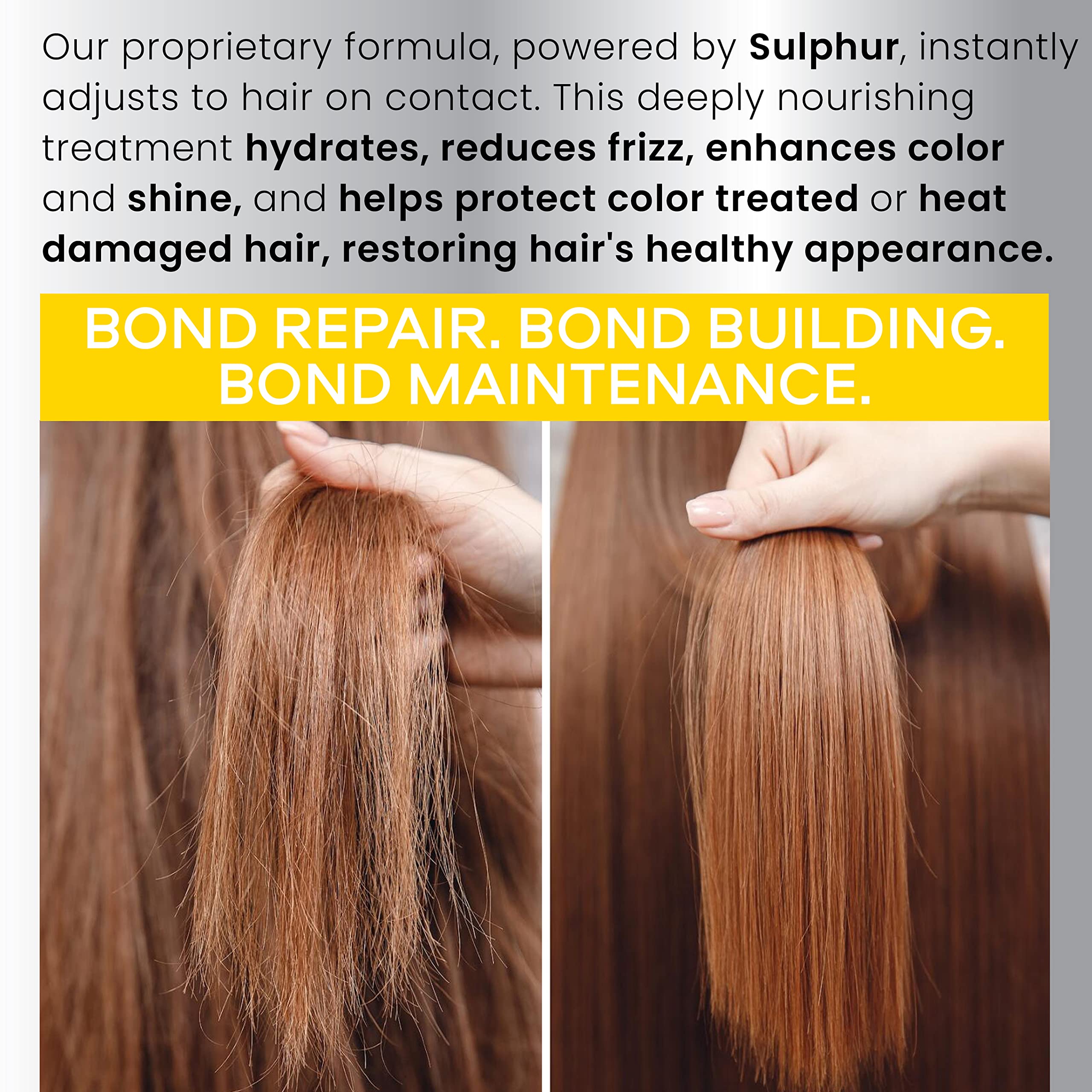
This article will delve into the multifaceted nature of bond repair shampoo, dissecting its scientific underpinnings, exploring the strategic branding that has propelled it to prominence, and analyzing its financial implications for both consumers and the booming haircare industry. We’ll look at it not just as a bottle of shampoo, but as a testament to technological advancement, a masterclass in market positioning, and a compelling case study in consumer investment.
The Science Behind Hair Repair: A Technological Marvel
At its core, hair is a complex biological structure, primarily composed of keratin proteins. These proteins are linked together by various types of bonds, most notably disulfide bonds, which are crucial for hair’s strength, elasticity, and overall integrity. When hair is subjected to chemical treatments like coloring, perming, or straightening, and even to environmental stressors such as UV radiation, heat styling, or harsh brushing, these disulfide bonds can break. The result is hair that feels brittle, looks dull, and is prone to breakage. This is where bond repair technology steps in, marking a significant leap in haircare science.
Understanding Hair Structure and Damage
To appreciate what bond repair shampoo does, we must first understand the enemy: hair damage. Imagine your hair as a finely woven rope. Each strand is made of millions of tiny fibers (keratin) bound together. When these bonds break, the rope frays, weakens, and eventually snaps. Traditional conditioners and masks primarily work on the outer layer of the hair, smoothing the cuticle and providing temporary relief. They seal the damage, but don’t necessarily fix it from within. Bond repair technology, however, operates at a deeper, molecular level, aiming to reconstruct these fractured internal bonds.
The most common culprit for severe damage is chemical processing. Bleaching, in particular, is notorious for breaking disulfide bonds to lighten hair. Heat styling tools, used daily by millions, also contribute significantly to this internal structural compromise. Even seemingly benign acts like vigorous towel drying or exposure to chlorinated water can chip away at hair’s resilience over time. The cumulative effect is hair that not only looks unhealthy but is fundamentally compromised in its internal architecture.
The Molecular Mechanics of Bond Repair
The true innovation of bond repair shampoos lies in their active ingredients, which are often proprietary molecules developed through extensive biotechnological research. Brands like Olaplex, with its bis-aminopropyl diglycol dimaleate, pioneered this field, and now numerous competitors have entered the market with their own unique complexes and patented technologies. These specialized molecules are designed to penetrate the hair shaft, locate the broken disulfide bonds, and then essentially “relink” them. They act as molecular splints, fusing together the fragmented protein chains and restoring the hair’s internal strength.
This process is a prime example of applied technology in the consumer goods sector. It’s not just about mixing ingredients; it’s about sophisticated chemical engineering and understanding molecular interactions at a microscopic level. The development of these compounds involves advanced research methodologies, often leveraging computational chemistry and laboratory simulations, mirroring the rigorous R&D found in pharmaceuticals or advanced materials science. The efficacy of these products isn’t just anecdotal; it’s backed by scientific studies demonstrating improved tensile strength, reduced breakage, and enhanced elasticity. This level of precision and targeted action is what elevates bond repair shampoo from a mere cosmetic to a genuinely restorative technological solution for hair health.
Innovation in Haircare Formulation
The success of bond repair shampoos has spurred a wave of innovation across the haircare industry. We are seeing a shift from general conditioning to highly targeted treatments. This trend is fueled by continuous technological advancements, including the use of AI tools in research and development to screen potential active ingredients, predict their efficacy, and optimize formulations. Software platforms are now used to manage complex ingredient interactions and ensure product stability and safety.
Furthermore, the rise of personalized haircare, often driven by apps and online diagnostics, means that consumers can get recommendations for bond repair products tailored to their specific hair damage profile. This integration of digital technology, from AI-driven formulation to app-based personalization, exemplifies how the tech landscape is increasingly influencing even the most traditional consumer categories. The bond repair category itself is constantly evolving, with new formulations targeting different types of bonds (e.g., hydrogen bonds, salt bonds) or delivering reparative agents more efficiently through novel delivery systems. This ongoing innovation underscores the technological dynamism at play within the beauty industry.
Decoding the Market: Branding and Consumer Trust
Beyond the scientific breakthroughs, the meteoric rise of bond repair shampoo is a masterclass in modern branding and marketing. In a crowded marketplace, where every bottle promises healthier hair, carving out a unique niche requires more than just an effective product; it demands a compelling narrative, a distinctive corporate identity, and a robust strategy for building and maintaining consumer trust.
Crafting the Narrative: Marketing Bond Repair Shampoos
The marketing of bond repair shampoos often centers around a story of transformation and restoration. It’s not just about making hair look good; it’s about “fixing” it from the inside out. This narrative taps into a deep consumer desire for solutions to persistent problems – in this case, the frustration of damaged, brittle hair that no amount of traditional conditioning seems to solve. Brands employ aspirational imagery, often featuring models with luscious, visibly repaired hair, alongside scientific-sounding language that educates consumers on the “technology” within the bottle.

A key aspect of their brand strategy involves simplifying complex science into digestible, persuasive messaging. Terms like “molecular repair,” “bond-building,” and “patented technology” are strategically used to convey efficacy and innovation. This approach helps differentiate bond repair products from conventional haircare, positioning them as a premium, results-driven investment rather than just another shampoo. The marketing doesn’t just sell a product; it sells a promise of scientific advancement and a superior solution.
Navigating a Saturated Market: Differentiation and Identity
The success of early innovators like Olaplex inevitably led to a surge of competitors. To stand out in an increasingly saturated market, brands must meticulously craft their corporate identity and design. This involves everything from unique packaging aesthetics that communicate luxury or scientific purity, to distinct ingredient profiles and brand philosophies. Some brands emphasize natural ingredients alongside their bond-building complexes, appealing to eco-conscious consumers. Others might focus on specific hair types or damage levels, offering a more targeted approach.
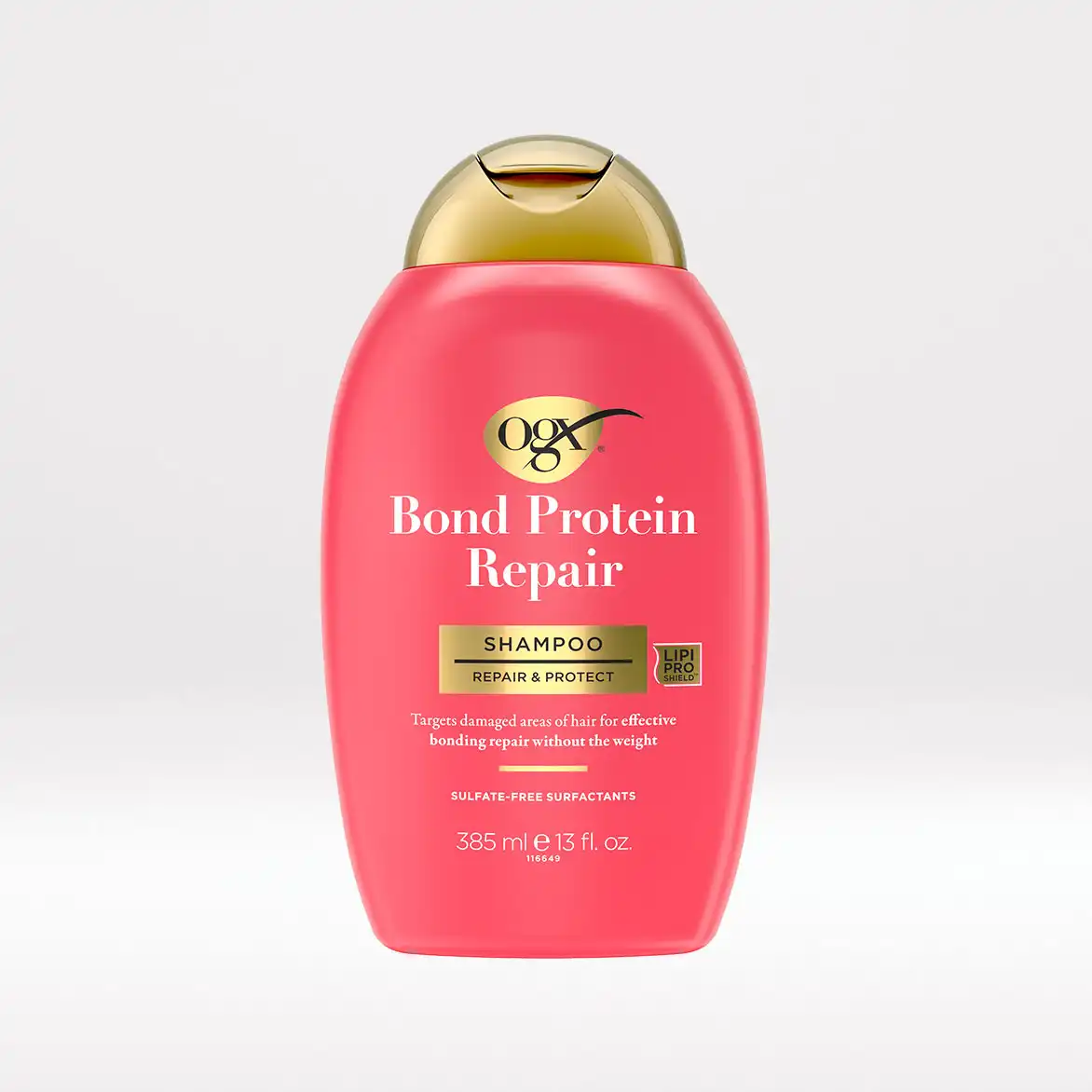
Design plays a crucial role here. The visual identity – the font, the color palette, the bottle shape – all contribute to the brand’s perceived value and differentiation. A sleek, minimalist design might suggest cutting-edge technology, while earthy tones could signify natural origins. Case studies in branding reveal that successful brands don’t just offer a product; they cultivate an entire experience and a set of values that resonate with their target audience. They build a reputation for reliability and effectiveness, turning first-time buyers into loyal advocates through consistent product performance and strong brand messaging.
The Power of Reviews and Influencer Marketing
In the digital age, consumer trust is heavily influenced by social proof. Online reviews, user testimonials, and influencer marketing have become indispensable tools for bond repair shampoo brands. The “before and after” format, often shared organically by users or in sponsored content by beauty influencers, provides compelling visual evidence of the products’ efficacy. This form of marketing is particularly powerful for a product that addresses visible damage, as it allows potential customers to see tangible results from real people.
Building a strong online reputation is critical. Brands actively encourage reviews and engage with their communities on social media, fostering a sense of authenticity and transparency. Influencer partnerships are carefully chosen to align with the brand’s values and reach the desired demographic. These strategies not only drive sales but also build long-term brand equity, transforming a product into a trusted solution. The virality of these products on platforms like TikTok and Instagram has shown how quickly a strong narrative, backed by visible results and influencer endorsement, can catapult a niche product into mainstream popularity, reinforcing its market dominance and reputation.
The Economic Impact: Money, Value, and Investment in Hair Health
The discussion of bond repair shampoo would be incomplete without examining its financial dimensions. From the consumer’s perspective, it represents a monetary investment in personal care. For businesses, it signifies a lucrative segment within the multi-billion-dollar beauty industry. Understanding the economics of bond repair shampoo reveals insights into personal finance decisions, market trends, and the financial health of the sector.
Is it Worth the Investment? Cost-Benefit Analysis for Consumers
Bond repair shampoos typically fall into a higher price bracket compared to conventional shampoos. This often prompts consumers to perform a personal cost-benefit analysis. Is the premium price justified by the promised results? For individuals with severely damaged hair due to extensive chemical treatments or heat styling, the answer is often a resounding yes. The cost of frequent salon treatments to repair damage, or even the emotional cost of dealing with unhealthy hair, can far outweigh the price of a specialized shampoo.
Consumers invest their money in these products with the expectation of tangible improvements: reduced breakage, increased shine, and overall healthier-looking hair. This can be seen as an investment in personal well-being and appearance, which can indirectly contribute to confidence and professional presentation. Financial tools like budgeting apps can help consumers allocate funds for such beauty investments, understanding them as part of their overall personal finance strategy for self-care. The long-term benefits, such as potentially fewer salon visits for corrective treatments, can also present a hidden saving.
The Lucrative Haircare Industry: A Financial Powerhouse
The success of bond repair shampoos highlights the immense financial potential within the haircare industry. This sector is a significant component of the broader beauty market, generating billions in revenue globally. Brands developing bond repair technologies invest heavily in research and development, patenting their unique formulations, which then become valuable intellectual property. The ability to innovate and protect these innovations is a key driver of financial success.
For businesses, the bond repair segment represents a high-margin product category. The premium pricing strategy, justified by advanced technology and visible results, contributes significantly to profitability. This has led to intense competition, driving further investment in R&D and marketing. Moreover, the rise of online income opportunities, such as affiliate marketing for beauty products and the creation of side hustles around beauty reviews and content, further bolsters the economic ecosystem surrounding these products. Small businesses, distributors, and even individual content creators are finding ways to monetize the popularity of bond repair haircare, illustrating its broad economic ripple effect.
Emerging Trends and Future Financial Outlook
The financial outlook for the bond repair segment remains robust, driven by ongoing consumer demand for effective solutions to hair damage and continuous innovation. Emerging trends suggest a future where personalization becomes even more prevalent, with AI-driven diagnostics recommending bespoke bond repair regimens, potentially leading to subscription models and sustained revenue streams. The integration of “smart” devices for at-home hair analysis, further blurring the lines between beauty and tech gadgets, also promises new avenues for market expansion and financial growth.
Investors are keen to identify companies that are at the forefront of these innovations, viewing them as solid opportunities for future returns. Companies that can consistently deliver effective, technologically advanced products while maintaining strong brand loyalty are poised for continued financial success. The demand for sustainable and ethically sourced ingredients within bond repair formulations also presents a growing market segment, appealing to conscious consumers and opening up new financial pathways for brands that prioritize these values. The bond repair shampoo, therefore, is not just a product; it is a microcosm of a dynamic market where technology, branding, and financial acumen converge to create significant economic value.
In conclusion, bond repair shampoo is far more than a simple cleansing product. It is a testament to scientific ingenuity, a triumph of strategic branding, and a significant player in the global economy. By understanding its molecular mechanics, appreciating its market positioning, and analyzing its financial implications, we gain a comprehensive perspective on how innovation in personal care intersects with the broader narratives of technology, brand building, and financial investment in our modern world.
aViewFromTheCave is a participant in the Amazon Services LLC Associates Program, an affiliate advertising program designed to provide a means for sites to earn advertising fees by advertising and linking to Amazon.com. Amazon, the Amazon logo, AmazonSupply, and the AmazonSupply logo are trademarks of Amazon.com, Inc. or its affiliates. As an Amazon Associate we earn affiliate commissions from qualifying purchases.