
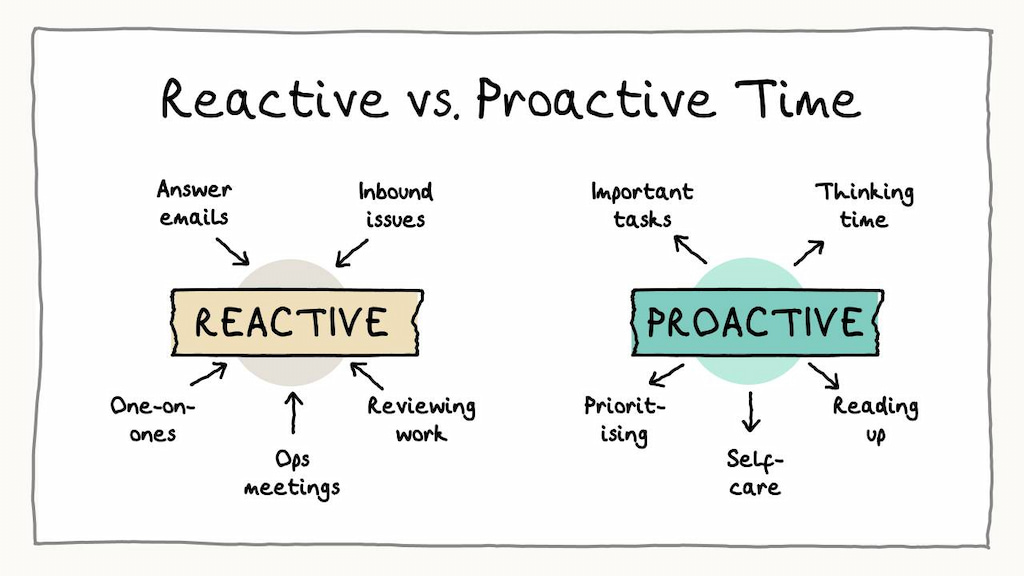
In the volatile landscape of modern business, the distinction between a market leader and a struggling entity often comes down to a single behavioral trait: proactivity. While the term is frequently tossed around in self-help circles, its application within Brand Strategy is both surgical and transformative. To be proactive in branding does not simply mean “doing things in advance.” It represents a fundamental shift from a defensive, reactive posture—where a brand responds to market changes, competitor moves, or negative press—to an offensive, visionary posture where the brand shapes its own environment.
Being proactive means anticipating the needs of the consumer before they can articulate them and positioning a personal or corporate identity to meet those needs exactly when they arise. It is the art of strategic foresight, ensuring that every touchpoint of a brand is intentional, forward-thinking, and resilient.
The Core of Proactive Personal Branding
Personal branding is no longer a luxury reserved for executives or influencers; it is a vital asset for any professional navigating the digital economy. A proactive approach to personal branding involves treating oneself as a high-growth startup. Instead of waiting for a performance review or a recruiter’s call to define your value, a proactive brand strategy dictates that you define your narrative long before it is questioned.
Controlling the Narrative Before Others Do
In the absence of a clear, proactive personal brand, the market will define you based on whatever information is available. This is “accidental branding.” A proactive professional takes control of this by consistently curating their digital footprint and public-facing persona. This involves more than just an updated LinkedIn profile; it requires the regular sharing of insights, the cultivation of a unique “voice” in your industry, and the demonstration of thought leadership. By being proactive, you ensure that when someone searches for your name, they find a narrative you have meticulously crafted, rather than a fragmented history.
Skill Acquisition as a Brand Asset
A proactive personal brand is never static. It anticipates where an industry is headed and integrates the necessary skills into the brand identity before those skills become standard requirements. For instance, a proactive marketing professional in 2023 would have already begun integrating AI-driven analytics into their personal brand, positioning themselves as an early adopter. This foresight creates “Brand Equity,” making the individual indispensable because they represent the future of the industry, not its past.
Shifting from Reactive to Proactive Corporate Identity
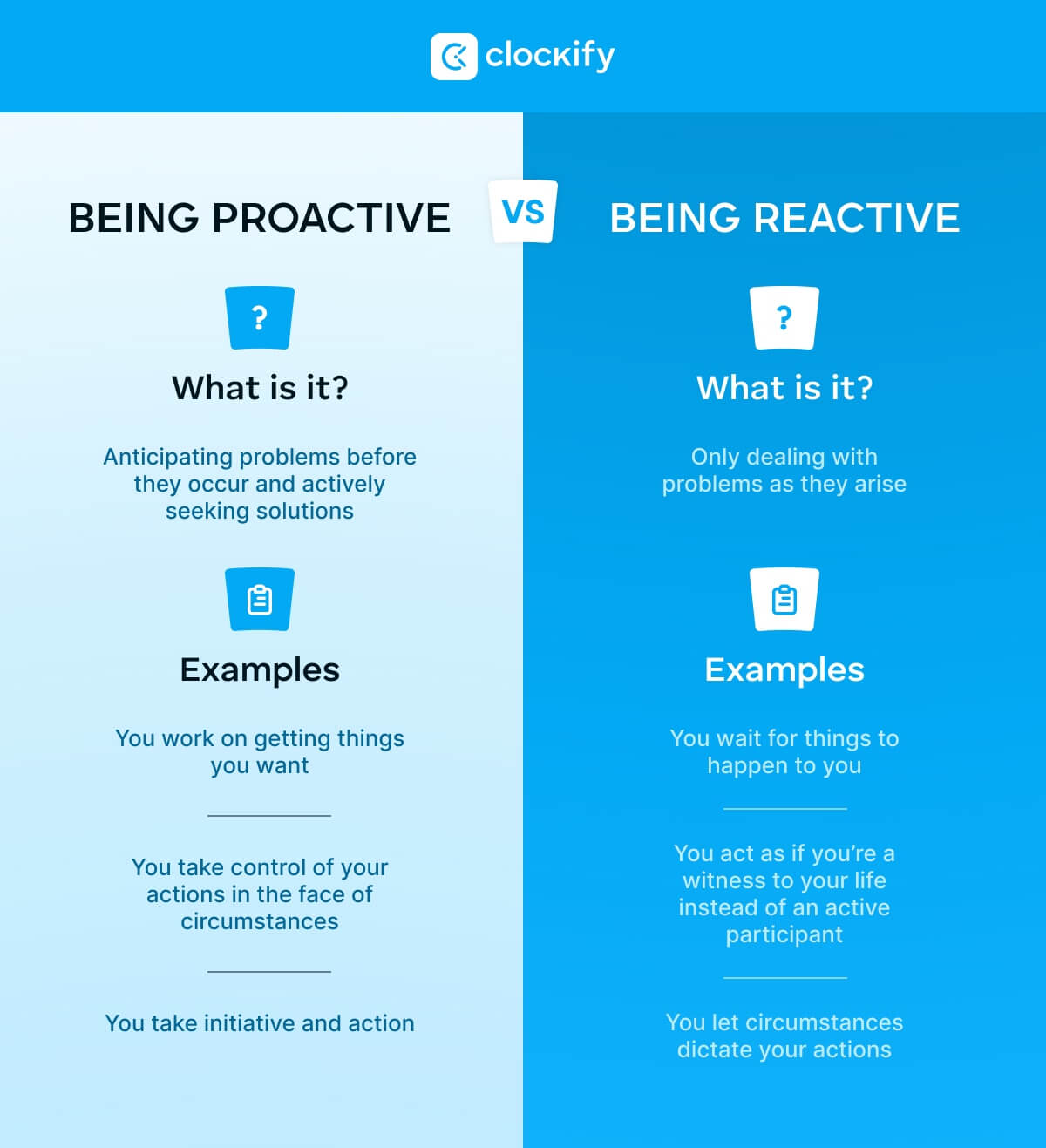
For corporations, being proactive is the difference between innovation and obsolescence. A reactive corporate identity is one that changes only when forced by declining sales or PR crises. In contrast, a proactive corporate identity is built on the principle of “disrupting oneself.” It involves a constant evaluation of how the brand is perceived and a willingness to pivot before the market demands it.
Market Trend Anticipation vs. Fast-Following
Many brands pride themselves on being “fast-followers”—waiting for a competitor to prove a concept before jumping in. While this minimizes risk, it also kills brand authority. Proactive branding involves “Scenario Planning.” This is the process of analyzing socio-economic shifts, technological advancements, and consumer psychology to predict the next “blue ocean.” Brands like Netflix or Amazon are classic examples of proactive identity; they moved into streaming and cloud computing, respectively, not because they had to, but because they saw the trajectory of the digital landscape. They didn’t just join a market; they defined it.
Reputation Management as a Preemptive Strike
In the digital age, a brand’s reputation can be dismantled in minutes. A reactive brand waits for a crisis to occur and then hires a PR firm to “fix” it. A proactive brand builds “Reputation Capital” through consistent ethical practices, transparent communication, and community engagement. When a proactive brand makes a mistake, the public is more likely to grant it the benefit of the doubt because of the long-term trust that has been established. Proactivity here means having a crisis communication plan ready and a track record of integrity that serves as a shield against temporary setbacks.
Proactive Marketing: Creating the Demand You Want to Meet
Traditional marketing often asks, “What do people want?” and then attempts to provide it. Proactive marketing asks, “What will people want once they see what we’ve built?” This is the essence of visionary brand strategy. It moves away from chasing existing demand and toward the creation of new market categories.
Data-Driven Foresight in Consumer Behavior
Proactivity in marketing is heavily reliant on the sophisticated use of data. However, it’s not just about looking at historical data (what happened last quarter); it’s about predictive analytics (what will happen next year). By identifying patterns in consumer behavior, brands can launch campaigns that address emerging pain points. For example, a brand might notice a growing consumer fatigue with “hustle culture” and proactively pivot its messaging toward wellness and balance before that sentiment becomes a mainstream movement. By the time the trend peaks, the brand is already the established leader of that conversation.
Building Community Equity
Reactive brands treat customers as transactions. Proactive brands treat customers as a community. By proactively building a community—through exclusive forums, early access programs, or interactive content—a brand creates a loyal base that provides real-time feedback. This community becomes an extension of the brand itself, advocating for it and providing a buffer against competitors. Proactive community building ensures that the brand has a pulse on the “human” element of the market, allowing for adjustments that are empathetic rather than just algorithmic.
The Anatomy of a Proactive Brand Audit
To maintain a proactive stance, a brand must engage in regular self-reflection. This is known as a proactive brand audit. Unlike a traditional audit, which might happen during a merger or a rebranding phase, a proactive audit is a scheduled, recurring process designed to identify “Brand Decay”—the subtle misalignment between what a brand says and what the market feels.
Continuous Self-Assessment
A proactive brand audit examines every touchpoint: Is the visual identity still modern? Is the brand’s mission statement still relevant to current global challenges? Is the customer service experience reflecting the brand’s core values? By asking these questions while the company is still successful, the brand can make small, incremental adjustments that prevent the need for a massive, expensive, and risky overhaul later on. It is the equivalent of preventative maintenance for a high-performance machine.

Aligning Vision with Future Market Realities
The final stage of being proactive is ensuring that the brand’s long-term vision is aligned with future realities. This involves looking 5 to 10 years into the future. If a brand’s identity is built on a resource that is becoming scarce, or a technology that is being superseded, a proactive strategy demands a re-alignment now. This might mean investing in sustainable materials or transitioning to a service-based model. The goal is to ensure that the brand remains “future-proof,” maintaining its relevance and authority regardless of how the landscape shifts.
In conclusion, being proactive in the world of branding is about taking ownership of the future. It is a commitment to action over reaction, and foresight over hindsight. Whether on a personal or corporate level, proactive branding creates a sense of stability and leadership that attracts talent, builds consumer trust, and ultimately secures a dominant position in the marketplace. To be proactive is to stop asking “What happened?” and start deciding “What happens next.”