
In the intricate world of brand building, every visual element, from a logo’s font to its color palette, carries a weight of meaning. Yet, few elements possess the inherent power and layered complexity of symbols. Symbols transcend language barriers, evoke immediate emotions, and connect with audiences on a subconscious level, shaping perceptions and driving recognition. They are the shorthand of identity, distilling complex ideas into memorable forms. However, the efficacy of a symbol lies entirely in its interpretation, which is often deeply rooted in history, culture, and social context.

Among the myriad of symbols, the star, particularly in its five-pointed form (the pentagram), stands out for its ancient origins and multifaceted interpretations. But when this familiar shape is inverted—pointing downwards instead of upwards—its meaning dramatically shifts, often carrying a weight of controversy and counter-cultural association. For brand strategists, designers, and anyone involved in crafting a public identity, understanding the historical journey and contemporary perceptions of “what an upside down star means” is not merely an academic exercise; it is a critical necessity for making informed decisions that can either elevate a brand or lead to its swift downfall. This article will delve into the rich history of this potent symbol, explore its various interpretations, and critically examine its profound implications for branding and corporate identity in a world saturated with visual messages.
The Pentagram: A Symbol of Ancient Origins and Diverse Interpretations
Before dissecting the specific connotations of its inverted form, it’s essential to understand the foundational symbolism of the five-pointed star, or pentagram, itself. This geometric shape is far from a modern invention; its roots stretch back into the mists of antiquity, where it held diverse and often positive meanings across numerous cultures.
Geometric Perfection and Early Symbolism
The pentagram, a star drawn with five straight strokes, can be constructed by connecting the vertices of a regular pentagon. Its inherent mathematical properties, particularly the presence of the golden ratio, captivated ancient civilizations. In Mesopotamia, it was found in royal seals, potentially representing imperial power or the five cardinal directions. For the ancient Greeks, particularly the Pythagoreans, the pentagram was a symbol of mathematical perfection, health, and cosmic order, often referred to as “Hygeia” (Greek goddess of health). It was seen as representing the five elements—earth, air, fire, water, and spirit—with the top point often signifying the spirit dominating the material elements. Its continuous line also gave it protective qualities, often inscribed on doors and windows to ward off evil.
The Christian Era and Shifting Meanings
As Christianity rose, the pentagram initially found its place within Christian symbolism. It was sometimes interpreted as representing the five wounds of Christ, or even the Star of Bethlehem guiding the Magi. Sir Gawain’s shield in the Arthurian legend bore a pentagram, symbolizing his five virtues (generosity, fellowship, purity, courtesy, and piety). However, as the Church consolidated its power and sought to distinguish itself from pagan and esoteric traditions, the pentagram, along with many other pre-Christian symbols, began to acquire ambiguous or even negative connotations. Its association with magical practices and non-Christian beliefs gradually pushed it to the fringes of mainstream religious iconography.
Humanism, Mysticism, and the Renaissance
During the Renaissance, the pentagram experienced a resurgence in intellectual and artistic circles, divorced from direct religious dogma. Its use by figures like Leonardo da Vinci, in conjunction with the Vitruvian Man, cemented its association with human proportion, symmetry, and the microcosm of humanity reflecting the macrocosm of the universe. Simultaneously, it remained a potent symbol in various esoteric and mystical traditions, alchemy, and Kabbalah, representing the human being, the elements, or magical potency. This duality—representing both scientific harmony and mystical power—underscored its profound and enduring symbolic versatility, setting the stage for its dramatic reinterpretation when inverted.
The Inverted Pentagram: A Deliberate Reversal of Meaning
The transformation of the pentagram’s meaning, particularly when inverted, is a fascinating case study in how cultural context and intentional reinterpretation can dramatically alter a symbol’s perception. This shift is largely attributed to specific historical movements and the powerful narratives they forged.
The French Occult Revival and Baphomet
The most significant turning point in the symbolism of the inverted pentagram can be traced to the 19th-century French occultist Eliphas Lévi. In his influential work “Dogme et Rituel de la Haute Magie” (1854), Lévi provided a definitive, and highly influential, distinction between the upright and inverted pentagrams. He declared the upright pentagram a symbol of the “spirit triumphing over matter,” representing divine light, humanity, and order. Conversely, he asserted that the inverted pentagram was a symbol of “matter triumphing over spirit,” or “the goat of lust and damnation.” Lévi famously depicted the inverted pentagram with the head of Baphomet, a horned, goat-headed deity, whose origins are complex but who came to represent the sum of the universe, and by extension, a challenge to traditional Christian dogma. This explicit differentiation, popularized by Lévi, became the bedrock for the inverted pentagram’s subsequent association with darker, rebellious, and ultimately, Satanic connotations.
Satanism and Counter-Culture Adoption
Following Lévi’s influential interpretations, the inverted pentagram solidified its place as a powerful, transgressive symbol. Its most prominent adoption occurred with the founding of the Church of Satan by Anton LaVey in 1966. LaVey formalized the Sigil of Baphomet – an inverted pentagram encircling a goat’s head – as the official emblem of the Church of Satan. For LaVeyan Satanists, this symbol does not necessarily represent evil in the common understanding, but rather a celebration of individualism, self-indulgence, earthly desires, and a rejection of conventional religious authority and its perceived hypocrisy. It stands as a symbol of defiance against the status quo, an emblem of carnal pleasure, and a testament to the power of the self.
Beyond formal Satanism, the inverted pentagram found fertile ground within various counter-culture movements. It became a powerful visual identifier for genres like heavy metal, particularly black metal, gothic fashion, and other alternative subcultures seeking to express rebellion, nonconformity, and a challenge to mainstream societal norms. In these contexts, its meaning is less about theological Satanism and more about a general aesthetic of defiance, darkness, and an anti-establishment stance.
Misconceptions and Nuance
While the association with Satanism and rebellion is overwhelmingly dominant in popular culture, it’s crucial to acknowledge that not every instance of an inverted pentagram necessarily signifies allegiance to Satanic beliefs. Some neo-pagan traditions, for example, occasionally utilize the inverted pentagram to symbolize the Horned God, the masculine principle in nature, or the element of earth, without any negative or “evil” connotations. It can also represent the human figure with legs spread, or a specific season like winter in certain magical contexts. However, these interpretations are far less prevalent and often overshadowed by the pervasive cultural understanding shaped by Lévi and LaVey. For the vast majority of people, the upside-down star instantly conjures images of the sinister, the occult, or outright rebellion against established order. This dominant perception is what brands must contend with.
Strategic Implications for Branding and Identity
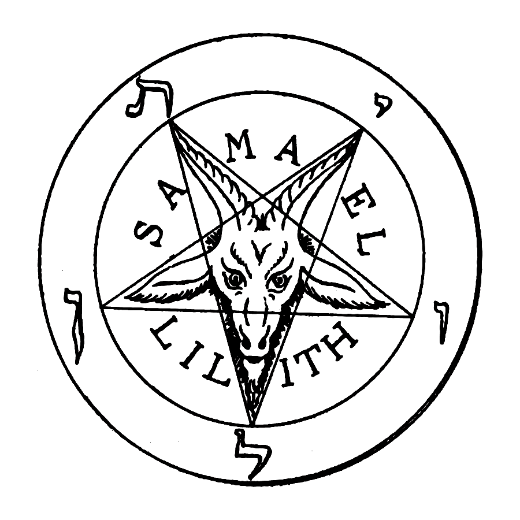
Given its potent and often controversial associations, the inverted pentagram presents a unique set of challenges and opportunities for branding and identity design. A brand’s visual identity is its public face, and the symbols it chooses communicate its core values and intentions, often before a single word is read.
The Power of Perception and Audience Interpretation
The fundamental principle of symbolic branding is that meaning resides not just in the symbol itself, but profoundly in the mind of the beholder. An inverted pentagram, due to its deeply entrenched cultural narratives, carries a heavy load of pre-existing meaning for most audiences. For a brand, this means that merely displaying the symbol will immediately trigger a strong, often visceral, response. This response can range from shock and disgust to recognition and affinity, depending entirely on the audience’s background, beliefs, and subcultural affiliation. Mainstream audiences are likely to interpret it negatively, linking it to evil, danger, or disturbing ideologies, irrespective of a brand’s actual intent. Brands must, therefore, anticipate and understand their target demographic’s likely perception of such a loaded symbol.
Risk and Reward: When to Embrace or Avoid
The decision to use an inverted pentagram in branding is perhaps one of the most high-stakes choices a brand can make, requiring careful consideration of its potential risks and rewards.
-
Avoiding the Symbol (Mainstream Branding): For most brands aiming for broad appeal, particularly those in conventional industries, consumer goods, or corporate sectors, incorporating an inverted pentagram is an unequivocal strategic error. Such a symbol would almost certainly lead to widespread public backlash, boycotts, loss of trust, and irreparable damage to brand reputation. It can alienate potential customers, deter business partners, and create internal discord among employees. Brands seeking to convey trustworthiness, family-friendliness, professionalism, or universal acceptance must avoid this symbol at all costs. The immediate negative connotations would overshadow any intended message, leading to profound misinterpretation and ultimately, rejection.
-
Embracing the Symbol (Niche & Counter-Culture Branding): In very specific, niche contexts, the inverted pentagram can be a powerful and authentic branding tool. This is typically limited to brands operating within subcultures that explicitly identify with rebellion, anti-establishment sentiments, alternative lifestyles, or specific music genres like heavy metal (especially black metal or death metal). For such brands, the inverted pentagram acts as a clear signal of authenticity and solidarity with their target audience. It immediately communicates a “you’re one of us” message, fostering deep loyalty and a sense of shared identity among a very particular demographic. In these instances, the symbol doesn’t just represent the brand; it embodies the very ethos and spirit of the community it serves. However, this strategy inherently means embracing mainstream rejection and accepting a significantly smaller, albeit highly dedicated, customer base.
Crafting Brand Narratives with Intentional Symbolism
The case of the inverted pentagram underscores a universal truth in branding: every symbol chosen contributes to the brand’s narrative. Strategic symbolism is about more than just aesthetics; it’s about intentional communication.
- Align with Values: Brands must select symbols that authentically align with their core values, mission, and the worldview of their intended audience. A disconnect between the symbol and the brand’s true identity will always be perceived as inauthentic.
- Thorough Research: Before adopting any significant symbol, conduct exhaustive research into its historical context, cultural meanings, and current associations across diverse demographics and geographies. A symbol that is benign or positive in one context can be deeply offensive or misrepresentative in another.
- Audience Testing: Test visual identities and symbolic choices with actual members of the target audience to gauge their reactions and ensure the message being sent is the message being received. This helps preempt unintended meanings and potential controversies.
- Holistic Narrative: Remember that symbols are just one part of a broader brand narrative. They must be supported by consistent messaging, brand actions, and overall brand experience to create a coherent and powerful identity.
Beyond the Star: Universal Lessons in Symbolic Branding
The journey of the inverted pentagram offers crucial insights that extend beyond this specific symbol, providing universal lessons for effective and responsible symbolic branding.
Cultural Sensitivity and Global Reach
The meaning of symbols is rarely universal. A gesture or icon revered in one culture can be a grave insult in another. Brands operating globally must exercise extreme caution and demonstrate profound cultural sensitivity. Historically, numerous brands have faced backlash for using symbols (e.g., specific color combinations, animals, or gestures) that unknowingly carried negative or offensive connotations in certain regions. Thorough cultural due diligence is non-negotiable for international branding.
The Evolving Nature of Symbols
Symbolic meanings are not static. They are dynamic, evolving over time due to historical events, social movements, technological advancements, and shifts in popular culture. A symbol that was innocuous a decade ago might acquire new, potentially negative, associations today. Brands need to remain agile, monitor public perception, and be prepared to adapt their visual identities if a cherished symbol becomes irrevocably tainted or misconstrued.
Authenticity and Consistency
Ultimately, the most powerful and enduring brands are built on authenticity and consistency. The symbols chosen should not merely be aesthetically pleasing; they must be authentic representations of the brand’s essence. When a symbol genuinely reflects the brand’s values, mission, and personality, it resonates deeply with an audience and builds trust. Consistency in how a symbol is used across all touchpoints reinforces its meaning and strengthens brand recognition. A brand’s actions must consistently uphold the narrative conveyed by its symbols to maintain credibility and foster a loyal community.

Conclusion
The question “what does an upside down star mean?” reveals a complex tapestry woven from ancient history, mystical traditions, and modern counter-cultural movements. From its initial reverence as a symbol of divine order and human perfection, the pentagram, when inverted, has evolved into a potent emblem of rebellion, defiance, and even malevolence in popular consciousness. This dramatic shift underscores the immense power of context and interpretation in shaping symbolic meaning.
For those in branding and identity design, this case study is a profound reminder of the responsibility that comes with selecting visual identifiers. A symbol is never neutral; it is a repository of shared human meaning, capable of evoking powerful emotions and shaping perceptions instantly. Brands must navigate this landscape with intelligence, sensitivity, and a deep understanding of their audience and the broader cultural milieu. Whether choosing to avoid the controversies of an inverted star or to deliberately embrace its niche allure, the strategic deployment of symbolism is not merely about aesthetics—it is about crafting a compelling, authentic, and resonant brand narrative that speaks directly to the heart and mind of its intended audience. In a visually driven world, the chosen symbol is often the first, and most lasting, impression a brand makes.
aViewFromTheCave is a participant in the Amazon Services LLC Associates Program, an affiliate advertising program designed to provide a means for sites to earn advertising fees by advertising and linking to Amazon.com. Amazon, the Amazon logo, AmazonSupply, and the AmazonSupply logo are trademarks of Amazon.com, Inc. or its affiliates. As an Amazon Associate we earn affiliate commissions from qualifying purchases.