
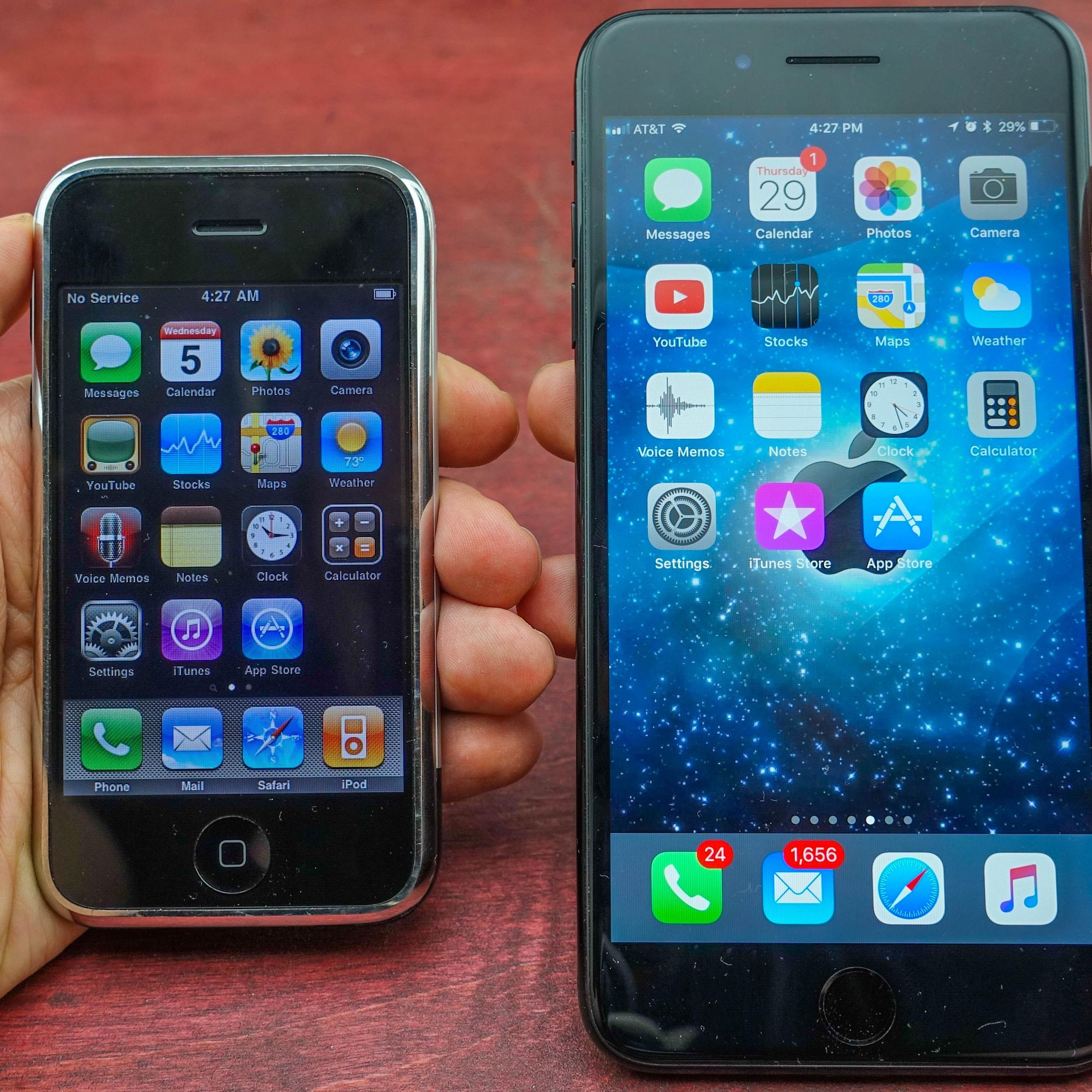
In the annals of technology, few devices have left an indelible mark quite like the original iPhone. Unveiled by Steve Jobs in 2007, it wasn’t just a new phone; it was a redefinition of mobile computing, a paradigm shift that sculpted the smartphone landscape for over a decade. To truly appreciate the trajectory of modern tech, one must first look back at its progenitor, the device that ignited the revolution. So, what did an iPhone 1 look like, both in its physical form and in the broader context of its technological impact? This deep dive into its aesthetics and engineering reveals not just a gadget, but a meticulously crafted vision that forever altered how humanity interacts with information.
The Dawn of a New Era: Understanding the iPhone’s Genesis
Before delving into the specific contours of the iPhone 1, it’s crucial to understand the technological milieu it emerged from. The mid-2000s mobile phone market was a fragmented landscape, dominated by different philosophies and form factors. By understanding what came before, we can fully grasp the radical departure the iPhone represented.
Contextualizing the 2007 Landscape: Pre-iPhone Mobile Tech
Prior to January 2007, the mobile phone market was a vibrant but often clunky ecosystem. Feature phones, characterized by physical keypads, small screens, and limited internet capabilities, were the norm. Nokia, a titan of the era, offered devices celebrated for their durability and long battery life, often featuring T9 keypads and simple operating systems. Business users gravitated towards BlackBerry devices, known for their full QWERTY keyboards and secure email services, embodying a professional, yet distinctly non-touch, interaction model. Smartphones existed, primarily running Windows Mobile or Symbian, but they were often complex, stylus-driven devices with resistive touchscreens that required pressure rather than a light finger swipe. These phones were powerful for their time but lacked the seamless, intuitive user experience that Apple was famous for creating. They were devices for power users, not the masses. The concept of an “app store” was non-existent; software was typically pre-loaded or sideloaded, complicating discovery and installation. Messaging was largely SMS-based, and web browsing was a cumbersome, slow experience on WAP browsers.
Steve Jobs’ Vision and the ‘Magical’ Device: The Unveiling
When Steve Jobs took the stage at Macworld 2007, he didn’t just introduce a new product; he articulated a vision. He famously introduced the iPhone as “three revolutionary products in one: a widescreen iPod with touch controls, a revolutionary mobile phone, and a breakthrough internet communications device.” This simple yet powerful statement immediately positioned the iPhone as something more than just a phone upgrade. Jobs’ presentation emphasized natural interaction, intuitive design, and the elimination of physical buttons in favor of a responsive multi-touch screen. He showcased features that were truly revolutionary: pinch-to-zoom gestures, flick scrolling, visual voicemail, and a full desktop-class web browser (Safari) on a mobile device. The iPhone wasn’t just a collection of features; it was an integrated experience designed from the ground up to be “magical,” an adjective Jobs frequently used. This foundational philosophy of hardware and software working in concert to create an unparalleled user experience was key to its appeal and a direct contrast to the modular, often disjointed approach of its predecessors. The external appearance of the device was therefore a direct manifestation of this internal philosophy.
A Closer Look at the iPhone 1’s Physical Design
The iPhone 1’s design was a bold statement, minimalist yet incredibly functional, and strikingly different from anything else on the market. It eschewed the prevalent design trends of the time, opting for a clean slate that emphasized the screen above all else. Its aesthetic was a blend of Apple’s characteristic elegance and industrial robustness, laying down a design language that would influence mobile devices for years.
The Iconic Front Panel: Screen, Bezel, and Home Button
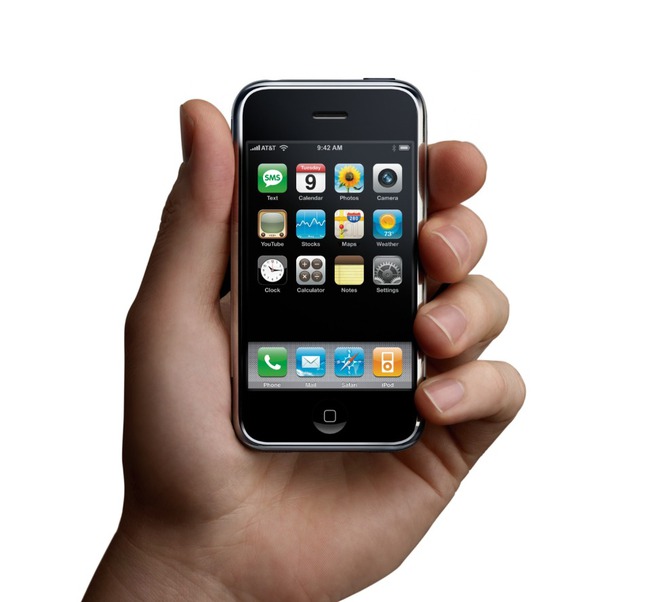
The front of the original iPhone was its most striking feature and the core of its revolutionary interface. It featured a 3.5-inch multi-touch display, a seemingly modest size by today’s standards but expansive for its era. This screen was framed by relatively thick black bezels, both above and below the display, and to its sides. While modern phones strive for edge-to-edge displays, these bezels were instrumental in providing a comfortable grip, preventing accidental touches, and housing the device’s crucial components. Above the screen resided the earpiece, discreetly blending into the bezel, along with a hidden ambient light sensor that automatically adjusted screen brightness.
Below the screen was another defining characteristic: a single, concave physical home button. This button was the primary means of navigation, taking users back to the home screen from any application. Its tactile click provided reassuring feedback, and its singular presence symbolized Apple’s commitment to simplicity, a stark contrast to the array of soft keys and navigation pads found on competing devices. The combination of the large screen and minimal buttons clearly communicated Apple’s intent: the display was the primary interface, and fingers were the primary input method. The entire front was covered in glass, a brave choice at the time given its susceptibility to scratches, but one that undeniably enhanced the visual fidelity and touch experience.
The Distinctive Rear Casing: Materials and Camera Placement
Flipping the iPhone 1 over revealed a distinctive two-tone rear casing, an aesthetic that became instantly recognizable. The majority of the back was made from anodized aluminum, giving the device a premium, cool-to-the-touch feel and a sense of solidity. This aluminum tapered slightly towards the edges, creating a comfortable curve that fit well in the palm of the hand. However, at the bottom of the rear panel, there was a contrasting strip of black plastic. This wasn’t merely a design choice; it was a crucial engineering decision. Aluminum, while elegant, is a Faraday cage, blocking radio signals. The plastic strip allowed for the passage of cellular, Wi-Fi, and Bluetooth signals, ensuring reliable connectivity. This clever integration of material function and design was a hallmark of Apple’s engineering.
Nestled in the top-left corner of the aluminum section was the iPhone’s single camera lens. This was a 2-megapixel fixed-focus camera, capable of taking decent photos for its time but lacking advanced features like flash or optical zoom. The lens was flush with the back casing, preventing any unsightly camera bump, another testament to the design team’s commitment to a seamless form factor. The Apple logo, in its iconic silver finish, was prominently centered on the aluminum section, while regulatory information and the “iPhone” branding were subtly placed on the plastic strip.
Side Profiles and Port Layout: Buttons, Jacks, and the 30-pin Connector
The side profiles of the iPhone 1 continued the theme of minimalist functionality. On the left side, users found two metallic volume buttons, distinctively shaped and responsive, along with a silent/ring switch—a feature borrowed from the iPod and now standard on iPhones, allowing for quick silencing of the device. The top edge housed the sleep/wake button, elegantly integrated into the curved metal frame, and a standard 3.5mm headphone jack. The placement of the headphone jack at the top, rather than the bottom, was a point of debate for some, but it offered a clean look when the phone was in a pocket.
The bottom edge was perhaps the most functional, featuring the iconic 30-pin dock connector, a standard for Apple devices of that era, flanked by a speaker grille on one side and a microphone grille on the other. This proprietary connector was used for charging, syncing, and connecting to accessories. The integration of the speaker and microphone at the bottom provided excellent audio clarity for calls and media consumption. Every button, every port, every curve was thoughtfully placed, contributing to an overall ergonomic and aesthetically pleasing design.
Beyond Aesthetics: The Form Factor’s Functional Impact
The iPhone 1’s physical appearance was not merely for show; it was intrinsically linked to its functionality, shaping the user experience and pioneering interaction paradigms that are still prevalent today. The form factor wasn’t just beautiful; it was intelligent.
Ergonomics and Hand-Feel: A Seamless Extension
One of the most immediate impressions of the iPhone 1 was its feel in the hand. Weighing 135 grams (4.76 oz) and measuring 115 x 61 x 11.6 mm (4.5 x 2.4 x 0.46 inches), it struck a remarkable balance between substantiality and portability. The curved aluminum back settled comfortably into the palm, and the overall dimensions allowed for largely one-handed operation. In an era of chunky, often angular devices, the iPhone felt smooth, refined, and reassuringly solid. The tactile feedback of the physical buttons, combined with the smooth glass front, contributed to a premium experience. It felt less like a utilitarian tool and more like an extension of oneself—a deliberate design goal that fostered a deeper connection between user and device. This ergonomic excellence played a significant role in making the transition to an all-touch interface feel natural and intuitive, rather than cumbersome.
The Screen Experience: Resolution and Touch Technology
While the iPhone 1’s 3.5-inch LCD screen with a resolution of 320×480 pixels (163 ppi) might seem rudimentary by today’s Retina display standards, it was groundbreaking at the time. Its brightness, color reproduction, and contrast were superior to most competitors, making photos, videos, and web pages truly pop. However, the real revolution lay not in the pixels themselves, but in the underlying touch technology. The iPhone utilized a capacitive multi-touch screen, a stark contrast to the resistive screens that required a stylus or significant pressure to register input. This capacitive technology responded to the lightest touch of a finger, enabling gestures like pinch-to-zoom, swiping, and multi-finger inputs that were revolutionary. This smooth, fluid, and highly responsive touch interface was the cornerstone of the iPhone’s user experience, making interactions feel natural and intuitive, almost like directly manipulating digital content. The physical screen’s clarity and responsiveness made the software shine, elevating the entire mobile interaction paradigm.
User Interface and Interaction: The Birth of iOS (iPhone OS)
The iPhone 1’s hardware design was a canvas for its equally revolutionary software, then known as iPhone OS (later iOS). The operating system was built entirely around the touch interface and the single home button, creating a harmonious ecosystem where hardware and software were inseparable. The grid of icons, the smooth animations, the kinetic scrolling, and the contextual keyboards all leveraged the physical dimensions and touch capabilities of the device. The wide screen allowed for a rich visual experience, while the large, finger-friendly icons made navigation simple. The single home button provided an unambiguous escape route from any application, reinforcing simplicity. Even the physical silent switch directly mapped to an immediate software action. This synergy between the “look” of the phone and its operational logic was unprecedented, creating a cohesive, delightful, and highly accessible user experience that contrasted sharply with the often-complex menu structures and limited visual real estate of other smartphones. The form factor was not just a container; it was an enabler of a fundamentally new way of interacting with a personal device.
Legacy and Evolution: The iPhone 1’s Enduring Influence
The iPhone 1 was more than just a successful product launch; it was a watershed moment in technology history. Its physical design choices and the philosophies behind them set a template that continues to influence smartphone design to this day, making it an invaluable piece of technological heritage.
Setting Design Precedents: Elements that Persisted
Many of the iPhone 1’s design elements were so successful that they became enduring characteristics of the smartphone industry. The all-glass front, while initially a durability concern, set the standard for screen prominence and visual immersion. The physical home button, a hallmark of iPhones until the iPhone X, became a widely adopted feature, mimicking its function across various Android devices. The rectangular slab form factor, prioritizing the screen and minimizing physical controls, became the dominant aesthetic for virtually all smartphones. Even subtle choices, like the placement of volume rockers and the silent switch, influenced subsequent designs. The very idea that a phone could be a seamless, elegant object, rather than a clunky array of buttons, originated with the iPhone 1. It established a precedent for premium materials, meticulous construction, and a focus on industrial design as a critical differentiator in consumer electronics.
The Catalyst for Smartphone Design: Industry Shift
The iPhone 1 didn’t just influence Apple’s future products; it sent shockwaves throughout the entire mobile industry. Competitors, initially dismissive, quickly realized they were behind the curve. Companies like Samsung, HTC, and LG pivoted their design strategies, abandoning physical keyboards and resistive touchscreens in favor of larger capacitive displays and more intuitive, finger-friendly interfaces. The shift was dramatic and rapid. The iPhone 1 effectively killed the BlackBerry’s dominance, rendered stylus-based computing obsolete for mainstream users, and pushed manufacturers towards a singular vision of what a smartphone should look like: a minimalist, rectangular slab of glass and metal dominated by a touch screen. It sparked an innovation race, driving advancements in screen technology, processing power, and mobile operating systems, all aimed at emulating or surpassing the experience the original iPhone offered. Its look became the aspirational standard.

Collector’s Item and Historical Significance
Today, an original iPhone 1, particularly one in good condition or still sealed in its box, is a highly sought-after collector’s item. Its value extends far beyond its initial retail price, reflecting its profound historical significance. It represents a pivotal moment in technological evolution, a tangible artifact of the transition from the old world of mobile phones to the new era of smartphones. For tech enthusiasts and historians, owning an iPhone 1 is akin to owning a piece of computing history, a device that fundamentally changed how we live, work, and communicate. Its appearance, once cutting-edge, now serves as a nostalgic reminder of the beginnings of a ubiquitous technology, a testament to the foresight and design prowess that brought it into existence. Looking at an iPhone 1 isn’t just seeing an old phone; it’s glimpsing the genesis of the modern digital age, a design classic that shaped the world.
aViewFromTheCave is a participant in the Amazon Services LLC Associates Program, an affiliate advertising program designed to provide a means for sites to earn advertising fees by advertising and linking to Amazon.com. Amazon, the Amazon logo, AmazonSupply, and the AmazonSupply logo are trademarks of Amazon.com, Inc. or its affiliates. As an Amazon Associate we earn affiliate commissions from qualifying purchases.