
In the intricate world of air travel, few phrases carry as much weight and potential for confusion as “airfare must be ticketed by.” This seemingly straightforward directive is, in reality, a critical deadline that separates a tentative reservation from a confirmed flight ticket. For anyone planning a trip – whether a casual vacationer, a diligent business traveler, or an astute travel hacker – understanding this concept is paramount to securing desired flights, managing budgets effectively, and avoiding unexpected cancellations or fare increases.
At its core, “airfare must be ticketed by” refers to the specific date and time by which a temporary flight reservation must be converted into a fully paid and issued electronic ticket. Until this action is completed, your seat on the plane is merely held, not owned. Missing this deadline often results in the automatic cancellation of your booking, potentially leading to lost deals, increased costs for rebooking, or even disruption to carefully laid travel plans. This article will delve into the nuances of this crucial deadline, exploring its operational mechanics, its profound financial implications, the technological underpinnings that govern it, and how it intersects with brand reputation and user experience in the digital age.
The Fundamentals of Flight Ticketing Deadlines
The journey from searching for a flight to actually boarding the plane involves several stages, and the “ticketed by” deadline is a pivotal one. It’s a mechanism employed by airlines to manage their inventory, mitigate revenue risks associated with unconfirmed bookings, and ensure that their flight capacities are accurately reflected.
Decoding the “Ticketed By” Clause
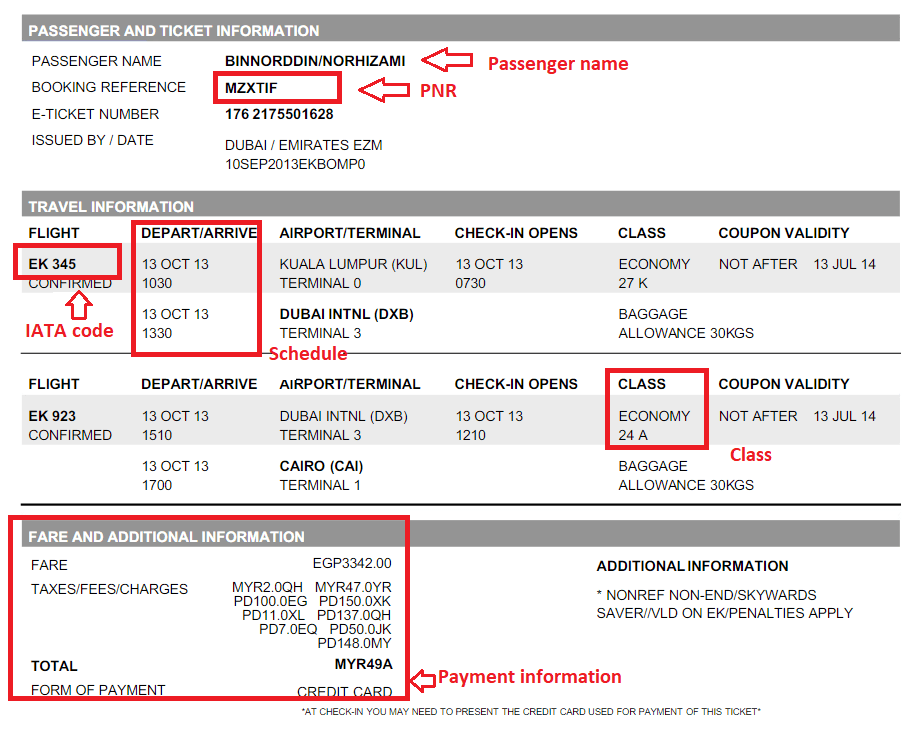
To truly grasp this concept, it’s essential to differentiate between a “reservation” and a “ticket.” When you initially select flights and proceed through the booking process, you are typically creating a reservation. This reservation, often associated with a Passenger Name Record (PNR) or booking reference, temporarily holds your chosen itinerary and fare. It’s a promise from the airline to hold those seats and that price for a defined period.
The “ticketed by” deadline is the expiration date for that promise. Before this deadline, you must finalize the payment and processing to receive an electronic ticket. An electronic ticket (e-ticket) is the digital document that confirms your purchase, contains all your flight details, and is what ultimately allows you to check in and board your flight. Without a valid e-ticket number, your reservation holds no real value beyond a temporary placeholder.
Why do these deadlines exist? Airlines operate on incredibly dynamic pricing models and finite inventory. Every seat held by an un-ticketed reservation represents potential lost revenue if that seat could have been sold to a paying customer. Deadlines allow airlines to manage this risk, ensuring that seats are either confirmed by a certain time or released back into the available inventory for others to purchase. This system also helps combat speculative bookings and allows airlines to react quickly to changes in demand or operational needs.
Common Scenarios and Their Deadlines
The “ticketed by” deadline isn’t universal; it varies significantly based on several factors:
- Instant Purchase Fares: Many online bookings, especially for lower-priced economy fares, require immediate ticketing. The moment you click “purchase” and your payment is processed, the reservation is converted into a ticket. In these cases, the “ticketed by” deadline is effectively “now.”
- Advanced Purchase Fares: For flights booked well in advance, airlines might offer a grace period, perhaps 24 hours, 48 hours, or even a few days, especially if the booking is made over the phone or through a travel agent. This allows time for payment processing or for the traveler to confirm details. However, this grace period is becoming less common with direct online bookings.
- The 24-Hour Rule: In many countries, including the United States, regulations (like the DOT’s 24-hour rule) allow passengers to cancel a reservation made at least seven days before departure without penalty within 24 hours of booking, provided it’s directly with the airline. While not strictly a “ticketed by” rule, it offers a similar flexibility window where you might complete payment and then decide to cancel. However, after this 24-hour period, standard fare rules apply.
- Complex Itineraries or Multi-City Bookings: Bookings involving multiple airlines, codeshares, or complex stopovers might have different deadlines, sometimes dictated by the most restrictive carrier or segment. Travel agents often manage these complexities.
- High-Demand Periods or Last-Minute Bookings: During peak travel seasons or for flights departing very soon, ticketing deadlines are often immediate or extremely short to ensure optimal seat utilization.
- Fare Rules and Specific Promotions: Each fare class comes with its own set of rules. Promotional fares, for instance, often have strict, immediate ticketing requirements to prevent hoarding and ensure genuine purchases.
Understanding these variations is crucial. A simple oversight can lead to the cancellation of your hard-earned deal, forcing you to rebook at potentially much higher prices.
Navigating Ticketing Deadlines with Technology (Tech Focus)
In today’s hyper-connected world, technology plays an indispensable role in every aspect of air travel, and ticketing deadlines are no exception. From the backend systems that power global aviation to the apps on your smartphone, technology dictates how these deadlines are generated, communicated, and managed.
The Digital Backbone: Booking Engines and AI
At the heart of airline reservations lie sophisticated Global Distribution Systems (GDS) such as Amadeus, Sabre, and Travelport. These massive networks connect airlines, travel agents, and online travel agencies (OTAs), allowing for real-time inventory management and fare distribution. When you make a reservation, the GDS assigns a “ticketed by” deadline based on complex algorithms that consider fare rules, airline policies, demand, remaining inventory, and the time left until departure.
The role of Artificial Intelligence (AI) and machine learning in this process is growing. AI tools are increasingly used to:
- Dynamic Pricing: Algorithms continuously adjust fares based on real-time demand, competitor pricing, and predictive analytics about future booking trends. These dynamic changes can directly influence the ticketing deadline; a sudden surge in demand might shorten a flexible deadline.
- Inventory Optimization: AI helps airlines decide how many seats to allocate to different fare classes and when to release or reclaim seats from un-ticketed reservations, directly impacting “ticketed by” rules.
- Personalized Offers: Future AI tools might even offer personalized “ticketed by” deadlines based on a traveler’s history, loyalty status, or perceived willingness to pay, though this is still largely experimental.
Understanding that these deadlines are often algorithmically determined highlights the dynamic nature of flight booking and the importance of acting promptly.
Leveraging Apps and Tools for Smart Ticketing
For the modern traveler, a suite of digital tools has emerged to help navigate these complexities:
- Online Travel Agencies (OTAs): Websites like Expedia, Booking.com, and Kayak aggregate flight information from multiple airlines. While convenient, it’s crucial to understand their specific “ticketed by” policies, as they might differ slightly from direct airline bookings. OTAs often have strict immediate ticketing requirements to avoid issues with their airline partners.
- Price Trackers and Flight Alert Apps: Tools like Google Flights, Skyscanner, Hopper, and ExpertFlyer allow users to set price alerts for specific routes. While they don’t directly manage ticketing deadlines, they are invaluable for identifying optimal booking times. Hopper, for instance, uses predictive analytics to advise users on when to buy or wait, indirectly guiding them towards times when “ticketed by” deadlines might be less restrictive or when prices are most stable.
- Airline Mobile Apps: Most airlines now offer feature-rich mobile applications. These apps are critical for managing bookings, receiving real-time notifications about fare changes, gate changes, and, crucially, reminders about “ticketed by” deadlines. They provide a direct channel for payment and immediate ticketing, streamlining the process.
- Digital Security: With increased reliance on online payments, digital security is paramount. Travelers must ensure they are using secure connections and reputable platforms when making payments to meet ticketing deadlines, protecting their financial information from cyber threats. Two-factor authentication and strong passwords are non-negotiable for travel-related accounts.
- Productivity Tools: For frequent travelers or those managing complex itineraries, tools like TripIt or WorldMate help organize flight details, often integrating with email to automatically pull in booking confirmations. While not directly about ticketing, they consolidate all travel information, making it easier to track and verify that a booking has been properly ticketed.
These technological advancements empower travelers to stay informed and act decisively, transforming a potentially stressful deadline into a manageable task.
Financial Implications and Strategic Planning (Money Focus)
The “airfare must be ticketed by” deadline has significant financial ramifications that extend beyond the initial cost of the ticket. Ignoring this deadline can lead to unexpected expenses, while strategic awareness can result in substantial savings.
Protecting Your Travel Budget: Costs and Savings
The most immediate financial impact of missing a “ticketed by” deadline is the loss of your reservation. This means:
- Fare Increases: The original fare you booked might no longer be available. Airlines dynamically price their tickets, and by the time you go to rebook, the price could have significantly increased, especially if demand has risen or you’re closer to the departure date.
- Cancellation Fees (indirectly): While not a direct cancellation fee for an un-ticketed booking, the opportunity cost of losing a good deal can be seen as a financial penalty.
- Lost Deals: Many promotional fares or limited-time offers come with immediate ticketing requirements. Missing this means you lose access to that specific, often discounted, fare.
Conversely, understanding and strategically managing this deadline can lead to savings:
- Securing the Best Price: By acting promptly and ticketing your reservation within the given timeframe, you lock in the fare you found, protecting yourself from potential price hikes.
- “Fare Holds” (where available): Some airlines or OTAs offer a paid “fare hold” option, allowing you to guarantee a price for a longer period (e.g., 72 hours) for a small fee. This can be a wise investment if you need more time to coordinate with travel companions or finalize travel dates, effectively extending your “ticketed by” window.
- Leveraging Credit Card Benefits: Many travel credit cards offer benefits like travel insurance, trip interruption coverage, or price protection. While direct “ticketed by” issues might not be covered, the broader financial security these cards provide can be invaluable when unforeseen travel changes occur. Earning points and miles on immediate ticket purchases can also contribute to future travel savings.
- Understanding Fare Rules: Being intimately familiar with the fare rules before booking is crucial. These rules outline cancellation policies, change fees, and ticketing deadlines. Knowing them helps you make informed decisions and budget for potential eventualities.
Optimizing Personal and Business Travel Finances
For both individual travelers and businesses, managing “ticketed by” deadlines is a critical component of broader financial planning for travel.
- Personal Finance and Budgeting: When budgeting for a trip, always factor in the “ticketed by” deadline. If a reservation offers a short window, ensure you have the funds readily available. Procrastinating payment can disrupt your entire travel budget if the price increases. Consider travel savings accounts or dedicated funds for travel expenses.
- Corporate Travel Policies and Expense Management: For businesses, ticketing deadlines are central to cost control. Corporate travel policies often mandate immediate ticketing for approved itineraries to secure favorable rates. Expense management systems integrate with travel booking platforms to streamline payment and ensure timely ticketing, reducing the risk of inflated travel costs due to missed deadlines. Travel managers constantly monitor these deadlines to optimize travel spend.
- Travel Hacking and Maximizing Rewards: Avid travel hackers and points/miles enthusiasts are acutely aware of ticketing deadlines. Many premium award bookings or complex itineraries involving multiple airline partners have specific and often short ticketing windows. Successfully navigating these deadlines is key to maximizing the value of points and securing aspirational trips, demonstrating a sophisticated approach to travel finance.
Brand Trust and User Experience in the Ticketing Process (Brand Focus)
Beyond the technical and financial aspects, the “airfare must be ticketed by” deadline significantly impacts an airline’s or OTA’s brand reputation and the overall user experience. Transparency, clarity, and effective communication are paramount to building customer trust.
Building Customer Confidence Through Transparency
A clear and unambiguous presentation of the “ticketed by” deadline directly influences customer confidence. When airlines and travel agencies are upfront about these requirements, they:
- Enhance Brand Trust: Customers appreciate honesty and clarity. A brand that clearly communicates crucial deadlines avoids customer frustration and builds a reputation for reliability. Conversely, ambiguous messaging can lead to missed deadlines, canceled bookings, and a damaged brand image.
- Improve Customer Satisfaction: When travelers understand what’s expected of them, they are more likely to have a smooth booking experience. This leads to higher satisfaction and positive word-of-mouth. Frustration stemming from unclear deadlines or unexpected cancellations directly harms brand loyalty.
- Reduce Customer Service Load: Clear communication upfront can significantly reduce the volume of customer service inquiries related to missed deadlines or confusing booking processes. This frees up resources and improves the efficiency of customer support teams.
Airlines and OTAs invest heavily in their brand perception. Seamless booking experiences, clear communication, and reliable service are crucial elements of a strong brand identity in the travel industry. When a traveler’s booking is canceled due to an unclear deadline, it reflects poorly on the brand’s commitment to its customers.
The Role of UX Design in Seamless Ticketing
User Experience (UX) design plays a vital role in translating the technical requirement of “ticketed by” into an intuitive and user-friendly process. Effective UX design ensures that travelers can easily understand and act upon these deadlines:
- Clear Calls to Action (CTAs): Booking platforms should feature prominent, unambiguous CTAs for payment and ticketing. “Complete Purchase Now,” “Ticket Your Flight,” or “Pay to Confirm” with the deadline clearly displayed are essential.
- Prominent Deadline Displays: The “ticketed by” date and time should be clearly visible throughout the booking process, especially at the review and payment stages. This includes countdown timers or bold text to emphasize urgency.
- Automated Reminders and Notifications: Proactive communication is a hallmark of good UX. Automated email or in-app notifications reminding users of an approaching ticketing deadline can prevent many missed bookings. These should be timed appropriately (e.g., 24 hours, 6 hours, 1 hour before expiration).
- Personalized Communication: For frequent flyers or loyalty program members, personalized reminders or even slightly extended “ticketed by” windows (as a perk) can significantly enhance the user experience and reinforce brand loyalty.
- Simplified Payment Flows: The payment process itself must be frictionless and secure. Any hurdles or technical glitches in payment processing can lead to missed deadlines and a negative user experience.
Good UX ensures that the “ticketed by” deadline is not a hidden pitfall but rather a clearly communicated step in a smooth travel planning journey, reinforcing the brand’s commitment to its users.
Best Practices for Travelers and Businesses
Given the complexities and financial implications, adopting best practices for managing “airfare must be ticketed by” deadlines is essential for any traveler or business.
Proactive Steps for Stress-Free Booking
- Always Check the “Ticketed By” Date and Time: This should be one of the first things you look for after reviewing your itinerary and fare details. If it’s not immediately clear, ask the airline representative or consult the booking terms and conditions.
- Set Personal Reminders: Don’t rely solely on the airline’s or OTA’s reminders. Set your own alarms or calendar notifications for a few hours before the deadline, especially if you need to coordinate with others or process payment.
- Understand Cancellation/Change Policies: Before you commit, understand what happens if you need to cancel or change your flight after ticketing. Some “ticketed by” scenarios, especially for immediate purchases, mean the fare is non-refundable or subject to high change fees.
- Consider Travel Insurance: For significant trips, travel insurance can offer protection against unforeseen circumstances that might force you to cancel or change your plans after ticketing, mitigating financial losses.
- Be Ready to Pay: If you anticipate a short “ticketed by” window, ensure your payment method (credit card, digital wallet) is readily available and has sufficient funds or credit limit.

Empowering Your Travel Decisions
Navigating “airfare must be ticketed by” effectively boils down to combining technological awareness with sound financial planning.
- Leverage Tech Tools Wisely: Use flight comparison sites, price alerts, and airline apps to your advantage. These tools empower you to find the best deals and stay informed about your booking status and deadlines.
- Prioritize Flexibility vs. Lowest Price: Understand that the cheapest fares often come with the most restrictive “ticketed by” rules (e.g., immediate ticketing, non-refundable). If flexibility is paramount, be prepared to pay a slightly higher fare that might offer a longer ticketing window or more lenient change policies.
- Educate Yourself Continuously: The travel industry is constantly evolving. Staying informed about new booking regulations, airline policies, and technological advancements will give you an edge in securing the best travel deals and avoiding costly mistakes.
In conclusion, “airfare must be ticketed by” is far more than a technicality; it’s a critical aspect of travel planning that impacts your finances, your travel experience, and even the perception of the brands you engage with. By understanding its meaning, leveraging available technology, and adopting proactive strategies, travelers and businesses alike can ensure a smoother, more cost-effective, and ultimately more enjoyable journey.
aViewFromTheCave is a participant in the Amazon Services LLC Associates Program, an affiliate advertising program designed to provide a means for sites to earn advertising fees by advertising and linking to Amazon.com. Amazon, the Amazon logo, AmazonSupply, and the AmazonSupply logo are trademarks of Amazon.com, Inc. or its affiliates. As an Amazon Associate we earn affiliate commissions from qualifying purchases.