
In an increasingly electric world, Tesla has cemented its position as a dominant force, synonymous with innovation, performance, and sustainability. For many, owning a Tesla represents more than just transportation; it’s an investment in a lifestyle, a statement of technological adoption, and a commitment to a greener future. However, beneath the sleek designs and impressive acceleration lies a significant financial decision. “What does a Tesla cost?” is a question far more nuanced than a simple sticker price, encompassing a myriad of factors from model selection and customization to long-term ownership expenses and potential savings. For prospective buyers, understanding the complete financial landscape is paramount to making an informed and responsible investment.

This article delves into the various financial facets of acquiring and owning a Tesla, providing a comprehensive guide for those considering joining the electric revolution. We’ll explore the initial purchase price, the often-overlooked ancillary costs, the ongoing expenses of ownership, and the strategic financial decisions that can impact your overall investment.
Beyond the Sticker Price: Deconstructing the Initial Purchase
The journey to Tesla ownership begins with the initial purchase price, but this figure rarely tells the whole story. While Tesla’s website offers transparent pricing, several elements can significantly alter the final amount you pay. Understanding these components is crucial for budgeting accurately.
Base Price and Configuration Choices
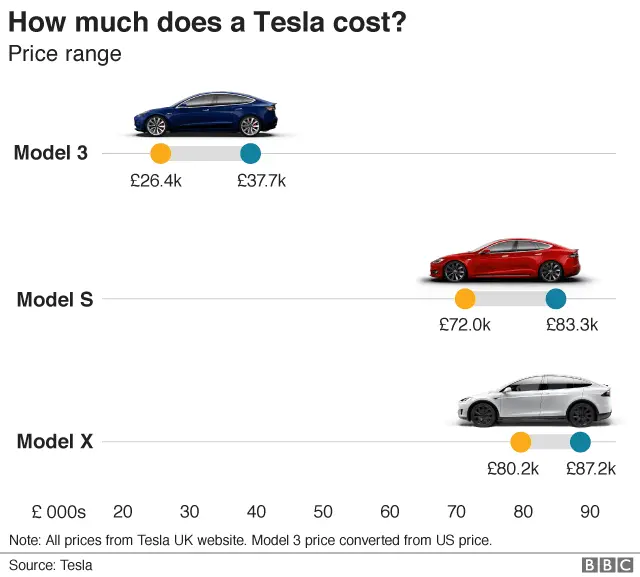
Each Tesla model – from the accessible Model 3 to the luxurious Model S and X, and the versatile Model Y – comes with a base price that serves as the starting point. This base price typically includes standard features, a basic paint color, and standard wheels. However, Tesla is known for its extensive customization options, each carrying its own premium:
- Performance Upgrades: Opting for dual-motor all-wheel drive or the “Performance” variant of a model substantially increases the price, offering quicker acceleration and enhanced handling.
- Paint Colors: While a standard color (often white or black) is included, premium metallic or multi-coat finishes can add several thousand dollars to the cost.
- Wheel Upgrades: Larger, more aerodynamic, or aesthetically pleasing wheel options are a common upgrade that adds to the price tag.
- Interior Choices: Tesla typically offers limited interior color options, but premium upgrades like a white interior often come at an additional cost.
- Full Self-Driving (FSD) Capability: This is perhaps the most significant optional upgrade. FSD is a sophisticated suite of advanced driver-assistance features, continually evolving with software updates. While it promises future autonomous driving capabilities, it represents a substantial upfront investment, often equivalent to a significant down payment on the vehicle itself. Buyers must weigh the value of this feature against its considerable cost, or consider a monthly subscription post-purchase.
Taxes, Fees, and Registration
Once the configured price of your Tesla is determined, a host of additional charges come into play, which vary based on your location:
- Sales Tax: This is often the most significant additional cost. Sales tax rates on vehicles vary widely by state and local jurisdiction and are calculated on the full purchase price of the car (including all options). For a vehicle costing tens of thousands of dollars, sales tax can easily amount to several thousand dollars.
- Registration Fees: Every vehicle must be registered with the Department of Motor Vehicles (DMV) or equivalent state agency. These fees are typically annual but often have a higher initial charge. Some states also levy additional fees for electric vehicles to compensate for lost fuel tax revenue.
- Documentation Fees (Doc Fees): Dealerships (including Tesla, which operates a direct-to-consumer model but still has delivery centers) charge these administrative fees for processing paperwork related to the sale. These fees are usually non-negotiable but can range from a few hundred to over a thousand dollars depending on the state.
- Destination/Delivery Fees: Tesla charges a standard destination fee to cover the cost of transporting the vehicle from the factory to the delivery center. This fee is usually consistent across all models and is non-negotiable.
Considering these factors, a Tesla that starts at $40,000 could easily push past $50,000 once all options, taxes, and fees are factored in, significantly impacting your initial budget.
The Financial Implications of Tesla Ownership
Beyond the initial purchase, owning a Tesla entails a distinct set of ongoing financial considerations. While some costs may be lower than a traditional internal combustion engine (ICE) vehicle, others might be different or even higher. A holistic view of these expenses is essential for long-term financial planning.
Charging Costs: Fueling Your Electric Vehicle
One of the primary differences in owning an EV is “fueling” it. Instead of gasoline, you’ll be paying for electricity, and the cost can vary significantly based on your charging habits and location.
- Home Charging: For most Tesla owners, the most cost-effective and convenient way to charge is at home, typically overnight. The cost depends on your electricity rates, which vary by utility provider, time of day (some offer cheaper off-peak rates), and region. Installing a dedicated 240V charger (like Tesla’s Wall Connector) can incur an initial electrician installation cost, ranging from a few hundred to over a thousand dollars, but significantly speeds up charging compared to a standard wall outlet.
- Tesla Supercharger Network: For longer trips or when home charging isn’t feasible, Tesla’s proprietary Supercharger network offers rapid charging. Supercharger costs vary by location and time, often billed per kWh or per minute. While convenient, Supercharging is generally more expensive than home charging and should ideally be reserved for travel, not daily routine, to optimize costs.
- Third-Party Charging Networks: Other public charging networks (e.g., Electrify America, ChargePoint) are also available, with varying pricing structures and subscription options.
- Free Charging: Some workplaces, hotels, or public venues offer free charging, which can significantly reduce your electricity costs if accessible.
Compared to gasoline, electricity is often cheaper per mile, leading to considerable long-term savings on “fuel.”
Insurance Premiums: Protecting Your Investment
Insuring a Tesla can be a complex and sometimes expensive proposition. Several factors contribute to higher insurance premiums for EVs, especially luxury and high-performance ones like Teslas:
- Vehicle Value: Teslas are premium vehicles, and their higher market value means higher replacement costs for insurers in case of total loss.
- Repair Costs: Tesla’s advanced technology, aluminum body construction, and integrated systems (e.g., large touchscreen, complex battery packs) can make repairs more specialized and expensive. Parts might also be proprietary or have longer lead times.
- Performance: Many Tesla models offer exceptional acceleration, which statistically correlates with a higher risk of accidents, thus influencing premiums.
- Safety Features: While Teslas boast impressive safety ratings and advanced driver-assistance systems, these features can sometimes increase repair costs if damaged, as they are intricate and expensive to replace or recalibrate.
- Insurance Company Specifics: Not all insurance providers treat EVs equally. Some may offer discounts for safety features or eco-friendliness, while others may penalize for high repair costs. Tesla itself offers its own insurance in some states, leveraging real-time driving data to potentially offer more competitive rates.
It’s crucial to get multiple insurance quotes before purchasing a Tesla to understand the true cost of coverage for your specific model and driving profile.
Maintenance and Repairs: A Different Kind of Upkeep
Electric vehicles are often touted for their lower maintenance requirements compared to ICE cars, and Teslas generally live up to this. The absence of an internal combustion engine means no oil changes, spark plug replacements, fuel filter changes, or complex transmission servicing.
- Reduced Routine Maintenance: Teslas don’t require traditional engine maintenance. Key items for routine check-ups typically include tire rotations, cabin air filter replacements, brake fluid checks, and general inspections. Brake wear is also often reduced due to regenerative braking.
- Battery Degradation and Replacement: While battery technology has advanced, batteries do degrade over time, leading to a slight reduction in range. Tesla’s batteries come with long warranties (typically 8 years or 100,000-150,000 miles, depending on the model), mitigating immediate concerns about costly battery replacements.
- Software Updates: Teslas receive over-the-air (OTA) software updates regularly, which can improve performance, add new features, and even enhance battery management, often pre-empting physical service visits for certain issues.
- Unscheduled Repairs: Despite fewer moving parts, unexpected repairs can still arise. These can range from minor bodywork (which, as mentioned, can be specialized) to issues with advanced electronics, motors, or suspension components. The cost of parts and specialized labor at Tesla Service Centers or certified body shops can be higher than for conventional vehicles.
Overall, the total maintenance costs for a Tesla are often lower than a comparable luxury gasoline car over its lifespan, but owners should still budget for occasional service needs.
Financing Your Tesla: Options and Strategies
Purchasing a Tesla, for most individuals, involves financing. Understanding the available options and strategies can significantly impact your monthly payments and overall financial commitment.
Tesla Financing vs. Third-Party Loans
Tesla offers its own financing options directly through its website, partnering with various financial institutions. This streamlined process is convenient, allowing buyers to complete loan applications as part of the vehicle ordering process.
- Tesla’s Preferred Lenders: Tesla works with a network of banks to offer competitive interest rates. However, it’s always advisable to shop around.
- Third-Party Banks and Credit Unions: Many traditional banks and credit unions offer auto loans. It’s often possible to secure a lower interest rate through a local credit union or a bank where you have an existing relationship. Getting pre-approved from a third-party lender before finalizing your Tesla order can provide leverage and ensure you get the best possible rate.
The interest rate on your loan is a critical factor, as even a small percentage difference can amount to thousands of dollars over a 60- or 72-month loan term. Your credit score will heavily influence the rates you qualify for.
Lease vs. Buy: Weighing the Pros and Cons
The decision between leasing and buying is a fundamental one, each with distinct financial implications.
- Buying (Financing or Cash):
- Pros: You own the asset, build equity, can customize freely, and have no mileage restrictions. Once the loan is paid off, you have no car payments.
- Cons: Higher monthly payments initially, full responsibility for depreciation, and potential for higher long-term maintenance costs outside of warranty.
- Leasing:
- Pros: Lower monthly payments compared to buying, always driving a new car, typically covered by warranty for the lease term, and an easier transition to a new vehicle at the end of the lease. No concern about resale value.
- Cons: No ownership equity, mileage restrictions (exceeding them incurs penalties), customization limitations, and you don’t own the car at the end of the term (though purchase options are often available). Tesla’s leasing terms can sometimes prohibit buying out the lease at the end, forcing a return or new lease/purchase. This is a crucial detail to verify.
For those who enjoy having the latest technology and upgrading frequently, or prefer lower monthly outlays, leasing might be attractive. For those who prioritize ownership, long-term savings, and flexibility, buying is usually preferred.
Government Incentives and Tax Credits
One of the most significant financial advantages of purchasing an electric vehicle can be federal, state, and local incentives. These can substantially reduce the effective cost of a Tesla.
- Federal Tax Credits: The U.S. federal government offers tax credits for eligible new clean vehicles. These credits can range up to $7,500, but they are subject to strict eligibility requirements related to the vehicle’s manufacturing location, battery components, battery capacity, and the buyer’s income. Tesla’s eligibility for these credits has fluctuated due to changes in these rules and its manufacturing footprint. It is absolutely critical for prospective buyers to check the current IRS guidelines and vehicle eligibility list at the time of purchase, as these rules are dynamic.
- State and Local Incentives: Many states, cities, and utility companies offer their own incentives, such as rebates, tax credits, grants, or preferential treatment (e.g., HOV lane access, reduced registration fees, free charging). These can range from hundreds to thousands of dollars and vary widely by location.
- Used EV Credits: In some cases, there are also tax credits available for qualifying used electric vehicle purchases.
These incentives can dramatically alter the total cost of ownership, effectively lowering your investment by a significant margin. However, they are often complex, require careful documentation, and may not be immediate “cash back” but rather a reduction in your tax liability.
Maximizing Value and Minimizing Costs: Long-Term Strategies
Owning a Tesla is a long-term financial commitment. Strategic decisions throughout your ownership can optimize value, minimize ongoing expenses, and ensure your investment is sound.
Understanding Total Cost of Ownership (TCO)
The true cost of a Tesla isn’t just its purchase price or even its monthly payments; it’s its Total Cost of Ownership (TCO). This encompasses all expenses over the vehicle’s lifespan, minus any savings or resale value.
- Purchase Price + Interest: The initial outlay and the cost of financing.
- Insurance: Ongoing premiums.
- Charging: Your “fuel” costs.
- Maintenance & Repairs: Routine service and unexpected fixes.
- Taxes & Fees: Annual registration, specific EV fees.
- Depreciation: The loss of value over time.
- Savings: Fuel savings, reduced maintenance, tax credits, etc.
When evaluated against comparable luxury ICE vehicles, Teslas often fare well in TCO, primarily due to lower fuel and maintenance costs, especially if favorable charging rates are secured and tax incentives are utilized.
Strategic Charging and Energy Management
How you charge your Tesla directly impacts your operating costs.
- Off-Peak Charging: If your utility offers time-of-use (TOU) rates, schedule your home charging during off-peak hours (typically overnight) when electricity is cheapest. This can save you hundreds of dollars annually.
- Solar Integration: For homeowners with solar panels, charging your Tesla directly from your solar energy can effectively make your “fuel” costs near zero, representing significant long-term savings and enhancing the environmental benefits.
- Minimizing Supercharger Use: While convenient, Superchargers are more expensive than home charging. Plan road trips to minimize Supercharger stops by maximizing home charging before departure and utilizing destination chargers where available.
Impact of Software Updates and Resale Value
Tesla’s unique approach to continuous improvement through over-the-air software updates can have a fascinating effect on its long-term value and ownership experience.
- Feature Enhancements: Unlike traditional cars that become dated, Teslas can gain new features, performance improvements, and safety enhancements through software updates years after purchase. This can help maintain their appeal and functionality.
- Full Self-Driving (FSD) Valuation: The value of the FSD package, especially if purchased outright, is a complex factor in resale. While it’s a significant upfront cost, its evolving capabilities might command a premium in the used market, though this is not guaranteed and subject to market demand and regulatory changes.
- Strong Resale Market: Historically, Teslas have demonstrated strong resale values compared to many other luxury brands, partly due to demand, the continuous software improvements, and the appeal of EV technology. However, as the EV market matures and new models emerge, depreciation patterns could shift.
Careful consideration of these financial aspects, from the initial purchase to long-term ownership strategies, empowers prospective Tesla owners to make decisions that align with their financial goals. Owning a Tesla is more than just buying a car; it’s navigating a new financial ecosystem tailored for the electric age. By understanding “what a Tesla costs” in its entirety, you can confidently embark on your journey into electric mobility.
aViewFromTheCave is a participant in the Amazon Services LLC Associates Program, an affiliate advertising program designed to provide a means for sites to earn advertising fees by advertising and linking to Amazon.com. Amazon, the Amazon logo, AmazonSupply, and the AmazonSupply logo are trademarks of Amazon.com, Inc. or its affiliates. As an Amazon Associate we earn affiliate commissions from qualifying purchases.