
The world runs on machines. From the intricate processors powering our smartphones to the colossal industrial equipment shaping our infrastructure, machines are the engine of modern society. And at the heart of this mechanical ballet, ensuring their seamless operation, stands the machine operator. Far from a monolithic role, the job of a machine operator is diverse, demanding, and critically important across a vast spectrum of industries. This article delves into the multifaceted responsibilities, essential skills, and the evolving landscape of what it truly means to be a machine operator in today’s technologically driven world.
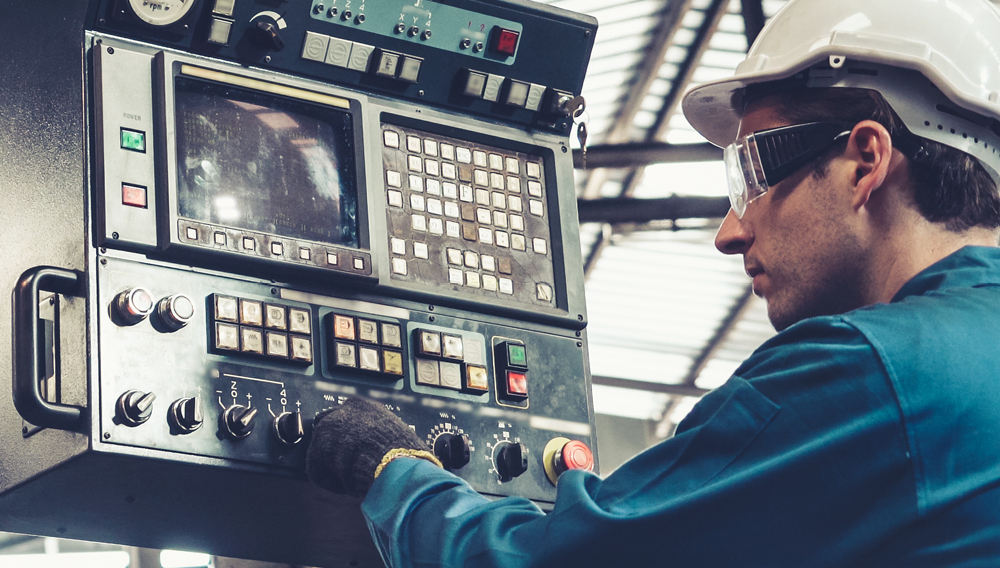
The Core Responsibilities: Orchestrating Mechanical Performance
At its most fundamental level, a machine operator is responsible for the safe, efficient, and accurate operation of machinery. This encompasses a wide array of tasks, from the initial setup to the final quality control of the output.
Setting Up and Calibrating Machinery
Before any production can begin, the machine must be prepared. This involves understanding complex blueprints, technical manuals, and specific operational parameters. Machine operators meticulously follow procedures to assemble, connect, and configure machinery. This calibration is crucial for ensuring that the equipment performs within precise tolerances. For instance, in a manufacturing setting, a CNC (Computer Numerical Control) machine operator might need to load specific toolsets, define the workpiece zero point, and input cutting speeds and feed rates based on the material and the desired outcome. In other industries, such as agriculture, this could involve calibrating a combine harvester for optimal grain extraction based on crop type and moisture content. The accuracy of this initial setup directly impacts the quality and efficiency of the entire operation.
Monitoring and Controlling Operations
Once a machine is operational, the operator’s role shifts to continuous monitoring and control. This is a dynamic process that requires constant vigilance and the ability to interpret a multitude of data points. Operators monitor gauges, read displays, and listen for unusual sounds to detect any deviations from normal operating conditions. This proactive approach is vital for preventing breakdowns, ensuring product consistency, and maintaining safety. They must be adept at adjusting settings in real-time to compensate for variations in raw materials, environmental conditions, or production demands. For example, an operator on an assembly line might adjust conveyor belt speeds or robotic arm movements to maintain the required throughput. In the energy sector, a power plant operator would continuously monitor pressure, temperature, and flow rates to ensure the safe and efficient generation of electricity. This constant supervision is the linchpin of reliable production.
Performing Routine Maintenance and Troubleshooting
Machine operators are often the first line of defense against equipment failure. They are trained to perform routine maintenance tasks, such as cleaning, lubricating, and inspecting machinery. This preventative maintenance helps to extend the lifespan of the equipment and minimize unexpected downtime. Furthermore, when issues arise, operators are expected to be able to diagnose and troubleshoot common problems. This might involve identifying worn parts, clogged filters, or minor electrical faults. Their understanding of the machine’s mechanics and electronics allows them to make minor repairs or adjustments, or to efficiently communicate the problem to maintenance technicians if a more complex intervention is required. For instance, a printing press operator might recognize a misaligned roller and adjust it, whereas a more complex paper jam requiring specialized tools would be escalated.
Quality Control and Inspection
The ultimate goal of operating machinery is to produce a product or service of acceptable quality. Machine operators play a crucial role in this process by inspecting the output of their machines. This can involve visual inspections, taking measurements, or using specialized testing equipment. They must be able to identify defects, inconsistencies, or any deviations from quality standards. This feedback loop is essential; by identifying and rectifying quality issues at the source, operators help to minimize waste, reduce rework, and ensure customer satisfaction. In food processing, an operator might inspect packaged goods for proper sealing and fill levels. In the automotive industry, an operator on a welding line would visually inspect welds for structural integrity and adherence to specifications.
Essential Skills and Qualifications for Machine Operators
The role of a machine operator, while often hands-on, requires a blend of technical aptitude, problem-solving skills, and a strong commitment to safety.
Technical Proficiency and Mechanical Aptitude
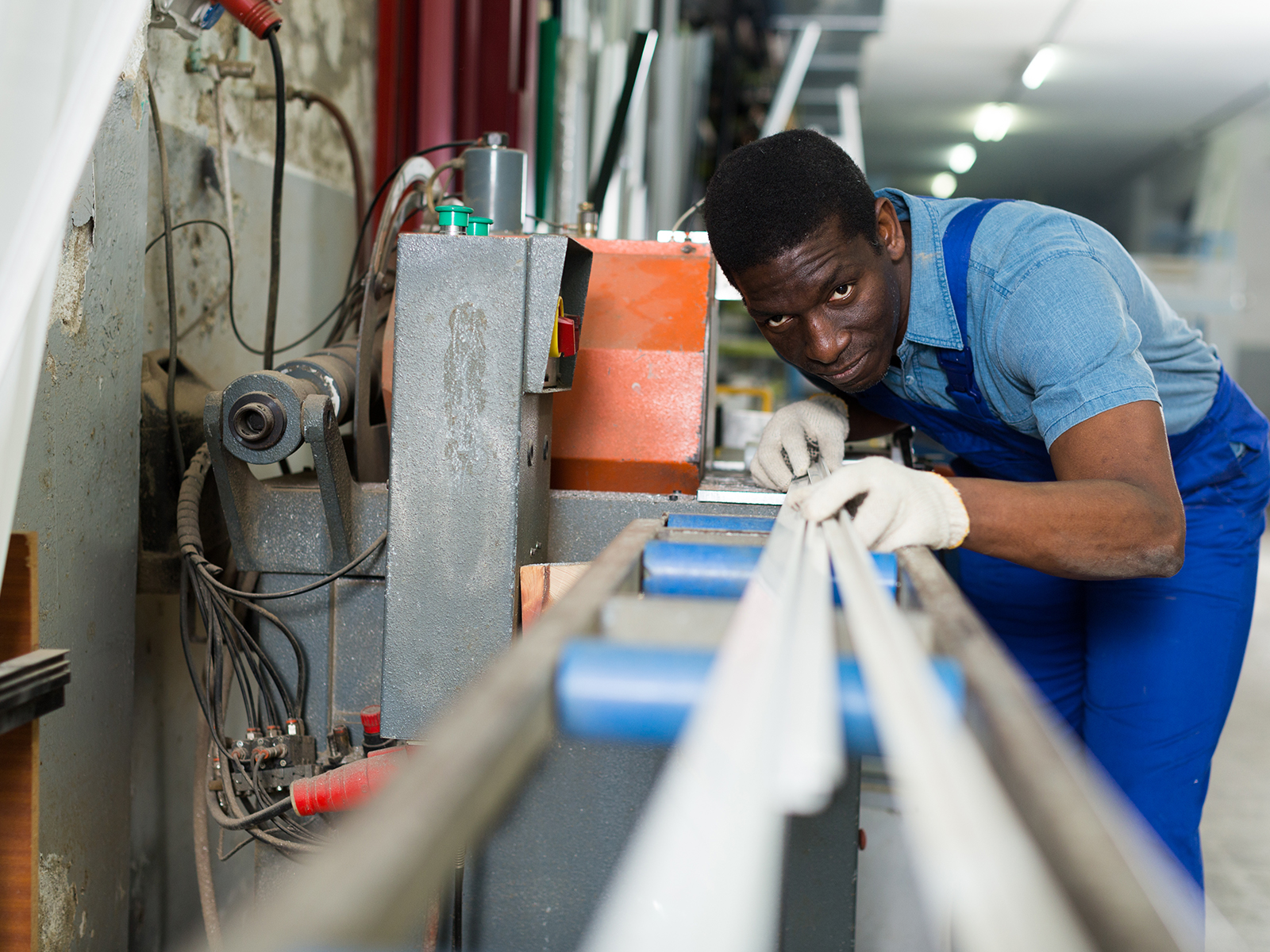
A fundamental requirement for any machine operator is a solid understanding of mechanical principles and the ability to operate and interpret the function of various machines. This often begins with vocational training, apprenticeships, or associate degrees in fields like industrial technology, manufacturing, or engineering. Operators need to be comfortable reading schematics, technical drawings, and understanding specifications. A good mechanical aptitude allows them to quickly grasp how different components interact and how adjustments can affect overall performance. The complexity of machinery is constantly increasing, from traditional mechanical systems to highly automated and digitally controlled equipment, requiring operators to continuously update their technical knowledge.
Problem-Solving and Critical Thinking
Machine operation is rarely a static process. Unforeseen issues can arise, from minor malfunctions to production bottlenecks. Machine operators must possess strong problem-solving and critical thinking skills to effectively address these challenges. They need to be able to analyze the situation, identify the root cause of a problem, and devise a practical solution, often under pressure. This involves logical reasoning, the ability to make quick decisions, and a willingness to experiment with different approaches when necessary. For example, if a machine starts producing defective parts, an operator needs to quickly determine whether the issue lies with the machine’s settings, the raw material, or an internal component.
Attention to Detail and Precision
Accuracy is paramount in machine operation. Even minor deviations can lead to significant consequences, including wasted materials, damaged equipment, or compromised product quality. Machine operators must possess an exceptional eye for detail and a commitment to precision. This applies to everything from setting up the machine to monitoring its performance and inspecting the finished product. They need to be meticulous in following instructions and ensuring that every step is executed correctly. This dedication to accuracy is what ensures consistency and reliability in the output.
Safety Consciousness and Adherence to Protocols
Operating machinery inherently carries risks. A paramount responsibility of every machine operator is to prioritize safety for themselves, their colleagues, and the equipment. This means strictly adhering to all safety protocols, wearing appropriate personal protective equipment (PPE), and understanding emergency procedures. Operators must be constantly aware of their surroundings, identify potential hazards, and take preventative measures to avoid accidents. Many industries have stringent safety regulations, and operators are expected to be well-versed in these standards and to participate in ongoing safety training. A proactive approach to safety not only prevents injuries but also contributes to a more efficient and productive work environment.
The Evolving Role of the Machine Operator in the Digital Age
The landscape of machine operation is rapidly transforming, driven by technological advancements and the increasing integration of digital systems. The “machine operator” of today is often more technologically adept than their predecessors.
Automation and Robotics Integration
One of the most significant shifts is the rise of automation and robotics. Many repetitive or physically demanding tasks are now performed by automated systems and robots. However, this doesn’t eliminate the need for human operators. Instead, their role evolves to one of oversight and management of these automated systems. Machine operators are increasingly responsible for programming robots, monitoring automated production lines, and intervening when automated processes encounter errors. They become the crucial link between human oversight and machine efficiency, ensuring that automated systems are functioning optimally and safely.
Data Analysis and Performance Optimization
Modern machinery generates vast amounts of data regarding its performance, output, and any encountered issues. Machine operators are increasingly expected to be able to interpret this data. This might involve using specialized software to track production metrics, identify trends, and pinpoint areas for improvement. By analyzing this data, operators can make informed adjustments to optimize machine performance, reduce waste, and increase overall efficiency. This analytical capability elevates the operator from a purely hands-on role to one that involves strategic thinking and data-driven decision-making.
Human-Machine Interface (HMI) and Software Operation
The interfaces through which operators interact with machinery are becoming increasingly sophisticated. Gone are the days of purely mechanical levers and dials for many advanced machines. Today’s operators frequently work with Human-Machine Interfaces (HMIs), which are touchscreens and digital displays that allow for precise control and monitoring. This requires proficiency in operating user-friendly, yet powerful, software. Machine operators must be comfortable navigating digital menus, inputting commands, and interpreting visual feedback from these interfaces. This digital fluency is a key differentiator in the modern workforce.

The Future of Machine Operation: Continuous Learning and Adaptability
The rapid pace of technological innovation means that the role of a machine operator will continue to evolve. Those who thrive will be those who embrace continuous learning and are adaptable to new technologies. As machines become smarter and more integrated, the demand for operators who can not only run them but also understand their underlying logic, interpret their data, and troubleshoot complex digital issues will only grow. The future machine operator will be a highly skilled professional, integral to the success of any organization relying on sophisticated machinery.
aViewFromTheCave is a participant in the Amazon Services LLC Associates Program, an affiliate advertising program designed to provide a means for sites to earn advertising fees by advertising and linking to Amazon.com. Amazon, the Amazon logo, AmazonSupply, and the AmazonSupply logo are trademarks of Amazon.com, Inc. or its affiliates. As an Amazon Associate we earn affiliate commissions from qualifying purchases.