
In the dynamic and ever-evolving world of real estate, the role of a leasing agent stands as a critical nexus, connecting property owners with prospective tenants. Far from being a mere facilitator, a leasing agent is a multifaceted professional whose expertise spans sales, marketing, negotiation, customer service, and increasingly, technology and financial acumen. They are the frontline ambassadors for properties, instrumental in maintaining high occupancy rates, ensuring tenant satisfaction, and ultimately, contributing significantly to a property’s profitability and reputation.
This article delves deep into the comprehensive responsibilities of a leasing agent, exploring the traditional pillars of their work while highlighting how modern advancements in technology, strategic branding, and a keen understanding of financial dynamics are reshaping and elevating this vital profession. From showcasing a luxury apartment to finalizing a commercial lease, the journey of a leasing agent is one of constant engagement, strategic thinking, and continuous adaptation.
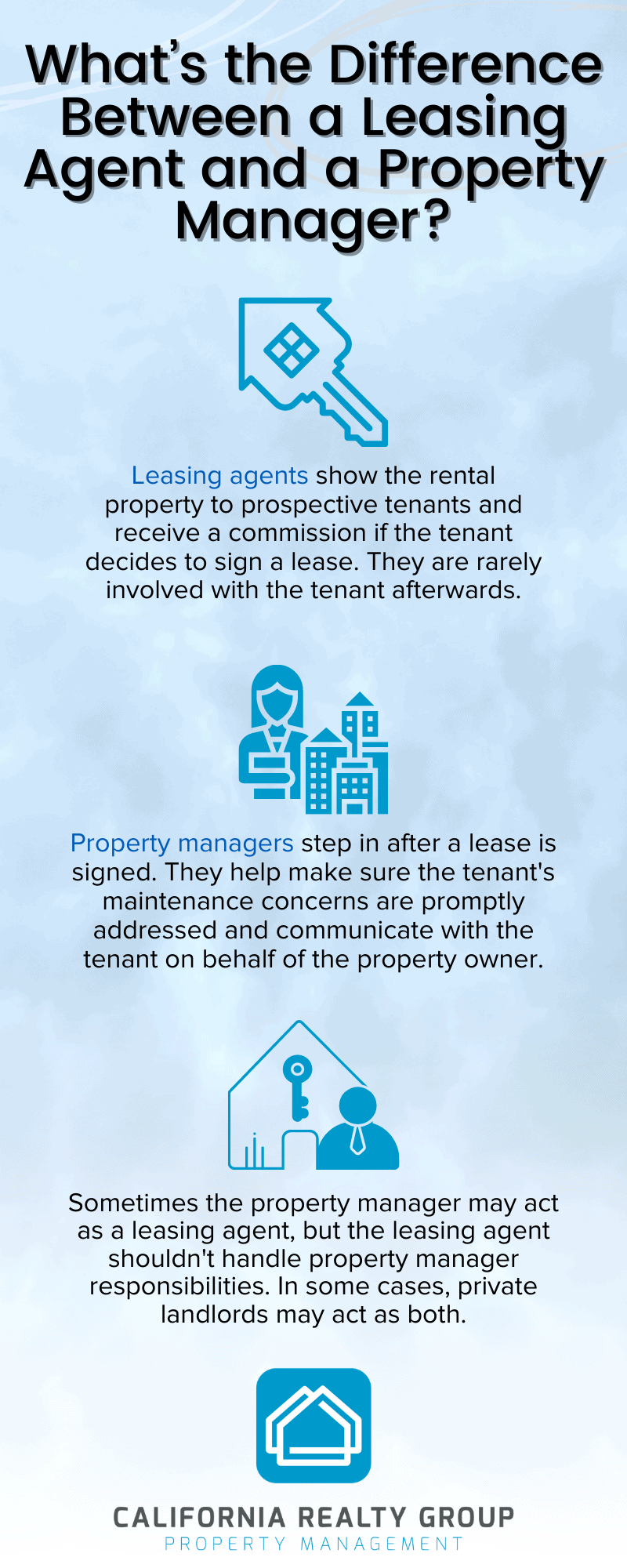
The Core Responsibilities of a Leasing Agent
At its heart, the leasing agent’s role revolves around filling vacancies. However, the path to achieving this goal is intricate, demanding a diverse skill set and a deep understanding of both the properties they represent and the needs of potential tenants.
Bridging Properties with Prospective Tenants
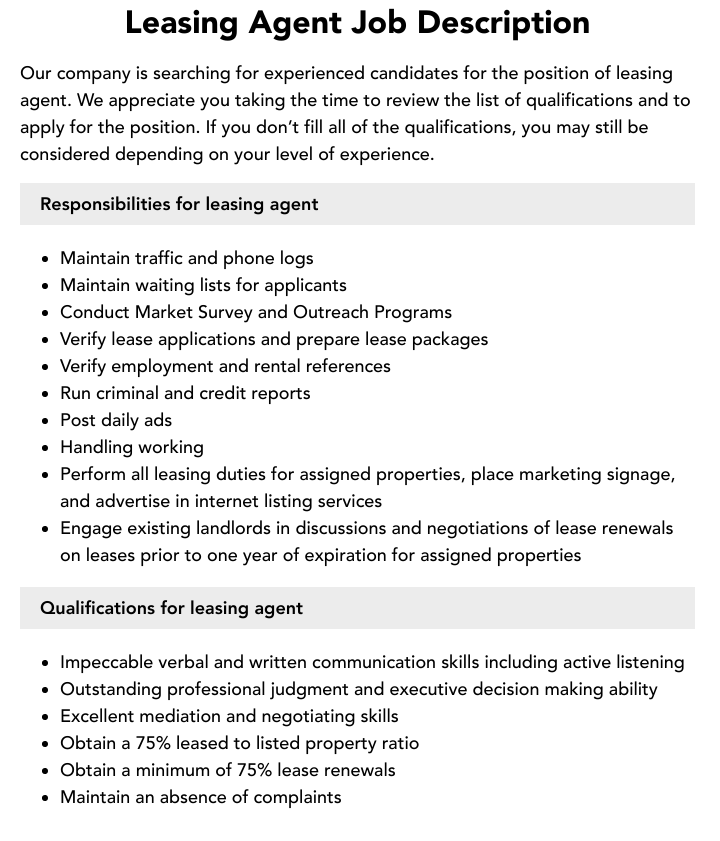
One of the primary functions of a leasing agent is to effectively market properties and attract suitable tenants. This involves a proactive approach that begins long before a prospective tenant ever steps foot on the property. Agents must have an intimate knowledge of the properties they manage, including their unique features, amenities, pricing structures, and surrounding communities.
- Property Marketing and Presentation: Agents are responsible for creating compelling listings, often involving professional photography, virtual tours, and detailed descriptions that highlight a property’s best attributes. They leverage various channels, from online real estate platforms and social media to traditional signage and open houses. Their ability to “stage” a property, whether physically or virtually, to appeal to its target demographic is crucial. This also extends to explaining the neighborhood, local amenities, and transport links, providing a holistic view that goes beyond just the four walls.
- Client Qualification and Screening: Identifying the right tenant is as important as attracting one. Leasing agents meticulously screen applicants, which typically involves conducting background checks, credit checks, verifying employment and income, and contacting previous landlords. This rigorous process is essential to minimize risks for property owners, ensuring financial reliability and compatibility with community standards. Understanding fair housing laws and adhering to ethical practices throughout this process is paramount.
- Property Showings and Consultations: When an interested party emerges, the agent becomes a tour guide and consultant. They conduct property showings, highlighting key features, answering questions, and addressing concerns. A skilled agent can identify a prospect’s specific needs and tailor their pitch accordingly, guiding them through the decision-making process. This phase demands excellent interpersonal skills, active listening, and the ability to build rapport and trust.
Lease Negotiation and Agreement Execution
Once a suitable tenant is identified and interested, the agent transitions into a negotiation and administrative role, culminating in the execution of a legally binding lease agreement.
- Understanding Legal Frameworks: Leasing agents must possess a solid understanding of local, state, and federal landlord-tenant laws. This includes regulations regarding security deposits, lease termination, eviction processes, fair housing, and tenant rights. Their expertise ensures that all agreements are legally sound and protect the interests of both the landlord and the tenant.
- Negotiating Terms: While standard lease agreements exist, there’s often room for negotiation on terms such as rent, lease duration, specific clauses (e.g., pet policies, early termination options), and move-in dates. Agents act as intermediaries, effectively communicating offers and counter-offers between the tenant and property owner, aiming for a mutually beneficial agreement. This requires strong persuasive skills, an understanding of market value, and the ability to find common ground.
- Documentation and Move-in Coordination: After negotiations conclude, the agent prepares and oversees the signing of the lease agreement, collecting necessary deposits and first month’s rent. They also coordinate the move-in process, ensuring the property is ready for occupancy, keys are exchanged, and any initial questions or concerns are addressed. A smooth move-in experience sets a positive tone for the entire tenancy.
Tenant Relations and Retention
A leasing agent’s job doesn’t end once the lease is signed. Maintaining positive tenant relations is crucial for retention, reputation, and the overall success of the property.
- Post-Lease Support: Agents often serve as the initial point of contact for tenants regarding questions about their lease, property amenities, or community guidelines. While property managers typically handle maintenance requests, a leasing agent might assist in directing inquiries to the appropriate department or individual, ensuring a seamless experience for the tenant.
- Fostering Long-Term Tenant Satisfaction: By providing excellent customer service and demonstrating responsiveness, agents contribute significantly to tenant satisfaction. Happy tenants are more likely to renew their leases, reducing turnover costs for property owners. They are also more likely to recommend the property, acting as informal brand ambassadors. This involves empathy, problem-solving skills, and a commitment to creating a positive living or working environment.
Leveraging Technology to Excel (Tech Focus)
In today’s digital age, technology is no longer an optional add-on but an indispensable tool for leasing agents to enhance efficiency, reach broader audiences, and provide superior service. The website’s focus on “Tech” is profoundly relevant here, as cutting-edge software, AI, and digital tools are revolutionizing how agents operate.
Streamlining Operations with Software and AI
The modern leasing agent relies heavily on a suite of technological solutions to manage their extensive responsibilities.
- CRM Systems (Customer Relationship Management): These platforms are foundational for managing leads, tracking prospect interactions, scheduling follow-ups, and segmenting client databases. CRM allows agents to personalize communication, ensure no lead falls through the cracks, and analyze the effectiveness of their outreach efforts.
- Property Management Software: Integrated software solutions handle everything from listing syndication and online applications to lease tracking, rent collection, and maintenance requests. This centralizes data, improves communication between agents, tenants, and property owners, and significantly reduces administrative overhead.
- Virtual Reality (VR) and Augmented Reality (AR): VR and AR technologies are transforming property showings. Immersive virtual tours allow prospective tenants to “walk through” properties from anywhere in the world, saving time and resources. AR can even overlay furniture or design elements onto an empty space, helping tenants visualize its potential. This is particularly valuable for out-of-town prospects or high-volume properties.
- AI Tools: Artificial intelligence is emerging as a powerful ally. AI-powered chatbots can handle initial inquiries, answer frequently asked questions, and pre-qualify leads 24/7, freeing up agents for more complex tasks. Data analytics driven by AI can predict market trends, identify optimal pricing strategies, and even forecast tenant churn, allowing agents to proactively address potential issues. Predictive analytics can also help tailor marketing messages to specific demographics based on their online behavior and expressed preferences.
Digital Marketing and Productivity Tools
Beyond core operational software, a host of digital tools empowers leasing agents in their marketing and daily productivity.
- Online Listing Platforms and Social Media: Leveraging platforms like Zillow, Apartments.com, LoopNet (for commercial), and active engagement on social media (Instagram, Facebook, LinkedIn) are crucial for broad visibility. Agents use these channels for targeted advertising, engaging with communities, and showcasing property highlights through visually appealing content.
- Digital Security: With the handling of sensitive tenant data (financial records, personal identification), digital security is paramount. Agents must utilize secure cloud storage, encrypted communication channels, and be vigilant against phishing attempts and data breaches. Compliance with data protection regulations is not just a legal requirement but a cornerstone of trust.
- Productivity Apps and Tools: From scheduling apps like Calendly to digital signature tools like DocuSign, productivity apps streamline workflows. Communication platforms like Slack or Microsoft Teams facilitate internal collaboration, while project management tools help agents track tasks and deadlines, ensuring efficient management of multiple properties and clients.
- Website and App Development: Some forward-thinking agents or agencies develop their own professional websites or even dedicated apps. These serve as central hubs for their listings, blog content, client testimonials, and online application processes, further enhancing their brand presence and user experience.
Building Your Brand and Reputation (Brand Focus)
In a competitive market, a leasing agent’s ability to build a strong personal and corporate brand, coupled with effective marketing strategies, is a significant differentiator. The “Brand” aspect of the website’s focus directly applies to how agents cultivate trust, credibility, and a memorable identity.
Crafting a Strong Personal and Corporate Identity
A leasing agent is not just selling a property; they are selling their expertise, professionalism, and reliability.
- Professionalism and Communication Skills: A strong brand begins with impeccable professionalism, ethical conduct, and clear, timely communication. Agents must be articulate, empathetic, and capable of handling diverse personalities and situations with grace. Their appearance, demeanor, and written communications all contribute to their professional image.
- Developing a Unique Selling Proposition (USP): What makes an agent stand out? Is it their specialization in luxury properties, their deep market knowledge of a specific neighborhood, their exceptional negotiation skills, or their commitment to sustainable leasing practices? Identifying and consistently communicating a USP helps agents carve out their niche and attract their ideal clients.
- Online Presence: A professional online presence is non-negotiable. A well-maintained LinkedIn profile, a dedicated professional website, and strategically curated social media accounts reinforce an agent’s expertise and personality. These platforms serve as digital portfolios, showcasing past successes, testimonials, and industry insights.
Marketing Strategies and Client Engagement
Effective branding is amplified by strategic marketing that resonates with the target audience.
- Targeted Advertising: Instead of broad campaigns, agents often employ targeted advertising based on demographics, psychographics, and geographic location. Using data from their CRM and online platforms, they can tailor ads to reach individuals most likely to be interested in specific property types or locations.
- Content Marketing: Providing value-added content, such as blog posts on local market trends, guides for first-time renters, videos showcasing neighborhood highlights, or Q&A sessions, positions an agent as a thought leader. This not only attracts organic traffic but also builds trust and demonstrates expertise.
- Networking and Referrals: Building strong relationships within the real estate community (other agents, brokers, property managers) and related industries (mortgage lenders, moving companies) can generate valuable referrals. Satisfied clients are also a powerful source of new business, making exceptional service a key marketing strategy.
- Reputation Management: Online reviews and testimonials are incredibly influential. Agents must actively monitor their online reputation on platforms like Google Reviews, Yelp, and real estate-specific sites. Responding professionally to all feedback, especially negative reviews, demonstrates a commitment to client satisfaction and continuous improvement. Encouraging satisfied clients to leave reviews is also crucial for building a positive digital footprint.
The Financial Landscape of a Leasing Agent (Money Focus)
The “Money” aspect of the website’s themes is deeply interwoven with a leasing agent’s role, from their own compensation to their impact on property owners’ financial health and their understanding of market economics.
Understanding Compensation and Income Streams
Leasing agents are typically compensated through commissions, which can vary significantly based on location, property type, and the agency’s structure.
- Commission Structures: Common models include a flat fee per lease, a percentage of the first month’s rent (e.g., 25% to 100%), or a percentage of the total lease value. Some agents also receive bonuses for exceeding targets, securing long-term leases, or leasing high-value properties. Understanding these structures is vital for financial planning and motivation.
- Factors Influencing Income: An agent’s income is directly tied to their performance, the market demand for properties, the type and value of properties they lease, and their experience level. Agents working in high-demand urban markets or specializing in luxury or commercial properties often command higher commissions. Economic cycles, interest rates, and local employment figures also play a significant role.
- Potential for Passive Income/Side Hustles: Savvy leasing agents may explore avenues for additional income. This could include referral fees from trusted service providers (movers, cleaning services), offering property management consulting services, or even venturing into real estate investment themselves. Those with strong financial acumen might also educate clients on the financial benefits and responsibilities of leasing versus buying, or the long-term investment potential of real estate.
Financial Acumen and Property Value
Beyond their personal income, leasing agents profoundly impact the financial health of the properties they represent.
- Market Analysis and Pricing Strategies: A crucial financial responsibility is conducting thorough market analysis to determine optimal rental pricing. This involves studying comparable properties, understanding supply and demand dynamics, assessing property condition and amenities, and advising owners on competitive pricing strategies to maximize rental income while minimizing vacancies. Underpricing leads to lost revenue, while overpricing leads to long vacancies.
- Impact of Occupancy Rates on Property Owners’ Finances: Every day a property sits vacant represents lost income for the owner. Leasing agents are directly responsible for minimizing these vacancies by efficiently attracting and securing tenants. High occupancy rates translate directly into stable revenue streams for property owners, covering mortgages, maintenance, and generating profit.
- Advising Clients on Financial Aspects of Leasing: Agents often guide tenants through the financial implications of their lease, explaining security deposit requirements, potential utility costs, renter’s insurance necessities, and budgeting for monthly rent. For commercial leases, this might extend to explaining operating expenses, common area maintenance (CAM) charges, and tenant improvement allowances.
- Tools for Financial Tracking and Reporting: Utilizing financial software or integrated property management systems, agents can track commission earnings, expense reports, and generate performance reports for property owners, demonstrating the financial impact of their work and transparency in their operations.
The Future of Leasing: Evolution and Adaptability
The real estate landscape is perpetually shifting, driven by economic trends, technological advancements, and changing societal values. Leasing agents must remain agile and forward-thinking to thrive.
Adapting to Market Shifts and Emerging Technologies
The future will demand continued adaptation to new trends.
- Sustainable Living Trends: An increasing number of tenants prioritize eco-friendly properties. Agents will need to highlight sustainable features, energy efficiency, and proximity to green spaces or public transport as key selling points.
- Smart Home Integration: Properties equipped with smart home technology (thermostats, lighting, security systems) are becoming more desirable. Agents must be knowledgeable about these systems and articulate their benefits to prospective tenants.
- Hybrid Work Models: The rise of hybrid and remote work has reshaped demand for both residential and commercial spaces. Residential tenants may seek dedicated home office spaces or co-working amenities, while commercial leasing agents must navigate evolving office space needs, focusing on flexibility, collaboration zones, and technology infrastructure.

Continuous Learning and Professional Development
Staying current is not just an advantage; it’s a necessity.
- Staying Updated: Regular professional development through courses, workshops, and industry conferences is crucial. This includes keeping abreast of new real estate laws, technological innovations, economic forecasts, and best practices in marketing and customer service.
- Specialization: As the market becomes more complex, specialization can offer a competitive edge. Agents might focus on luxury leasing, student housing, commercial properties, industrial spaces, or even specific niches within these sectors, becoming the go-to expert in their chosen field.
In conclusion, the role of a leasing agent is far richer and more complex than simply showing properties and signing leases. It is a demanding profession that requires a powerful blend of interpersonal skills, business acumen, technological proficiency, and a deep understanding of market dynamics. By effectively leveraging technology, strategically building their brand, and demonstrating astute financial understanding, leasing agents do more than just fill vacancies; they create thriving communities, foster positive relationships, and contribute significantly to the economic vitality of the properties and cities they serve. As the real estate world continues its rapid evolution, the adaptive and skilled leasing agent will remain an indispensable asset.
aViewFromTheCave is a participant in the Amazon Services LLC Associates Program, an affiliate advertising program designed to provide a means for sites to earn advertising fees by advertising and linking to Amazon.com. Amazon, the Amazon logo, AmazonSupply, and the AmazonSupply logo are trademarks of Amazon.com, Inc. or its affiliates. As an Amazon Associate we earn affiliate commissions from qualifying purchases.