
For decades, the high school diploma was defined by a specific tactile experience: the weight of heavy cream-colored parchment, the raised texture of engraved calligraphy, and the shimmering gold foil of an official seal. However, as we navigate the third decade of the 21st century, the question “what does a high school diploma look like?” has evolved from a matter of aesthetics to a complex discussion of technology, data security, and digital identity.
In the modern era, a high school diploma is no longer just a physical artifact stored in a basement trunk; it is a high-tech document protected by sophisticated encryption, blockchain verification, and advanced printing technologies. From the software used to design them to the servers used to host them, the “look” of a diploma is now synonymous with the technology that secures it.
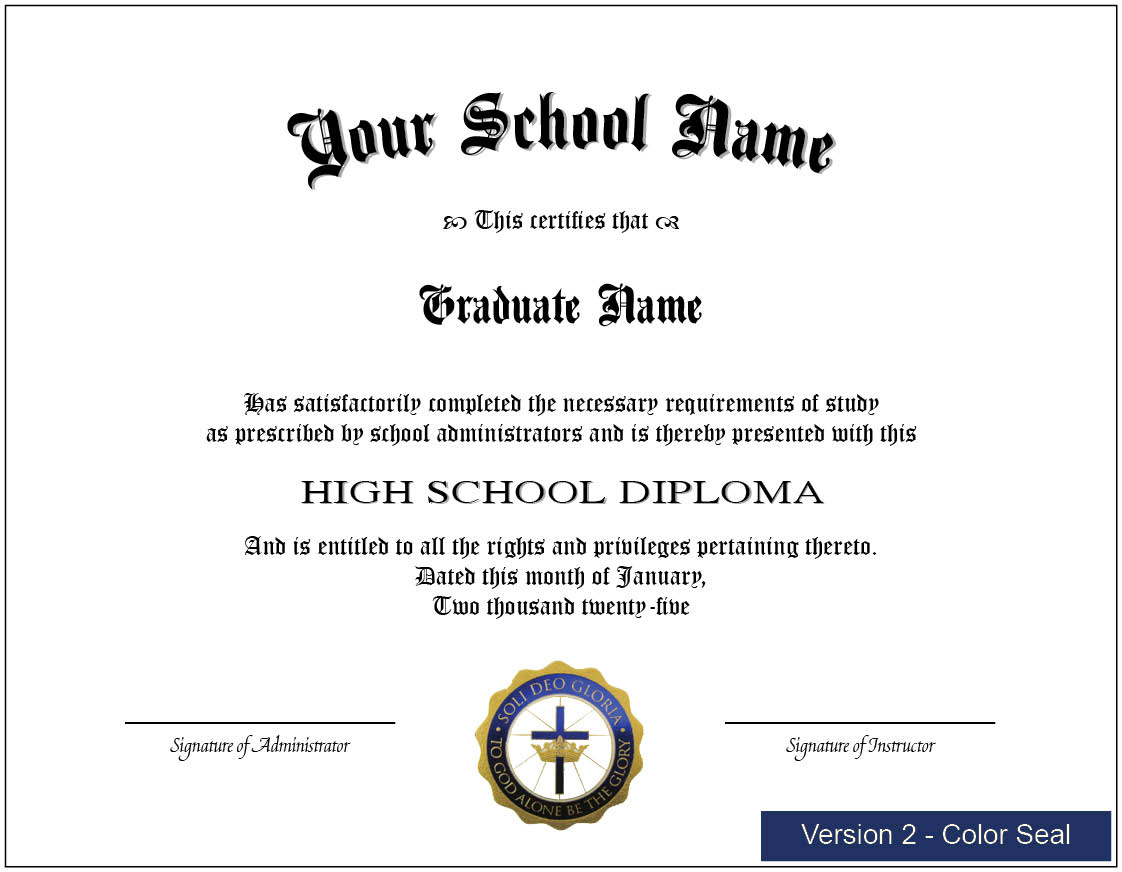
The Anatomy of a Modern High School Diploma: Physical vs. Digital
While the classic aesthetic remains the gold standard for graduation ceremonies, the physical appearance of a diploma is now heavily dictated by anti-fraud technology. At the same time, the digital version of the document—often a student’s primary tool for college applications and employment—has a completely different visual and structural architecture.
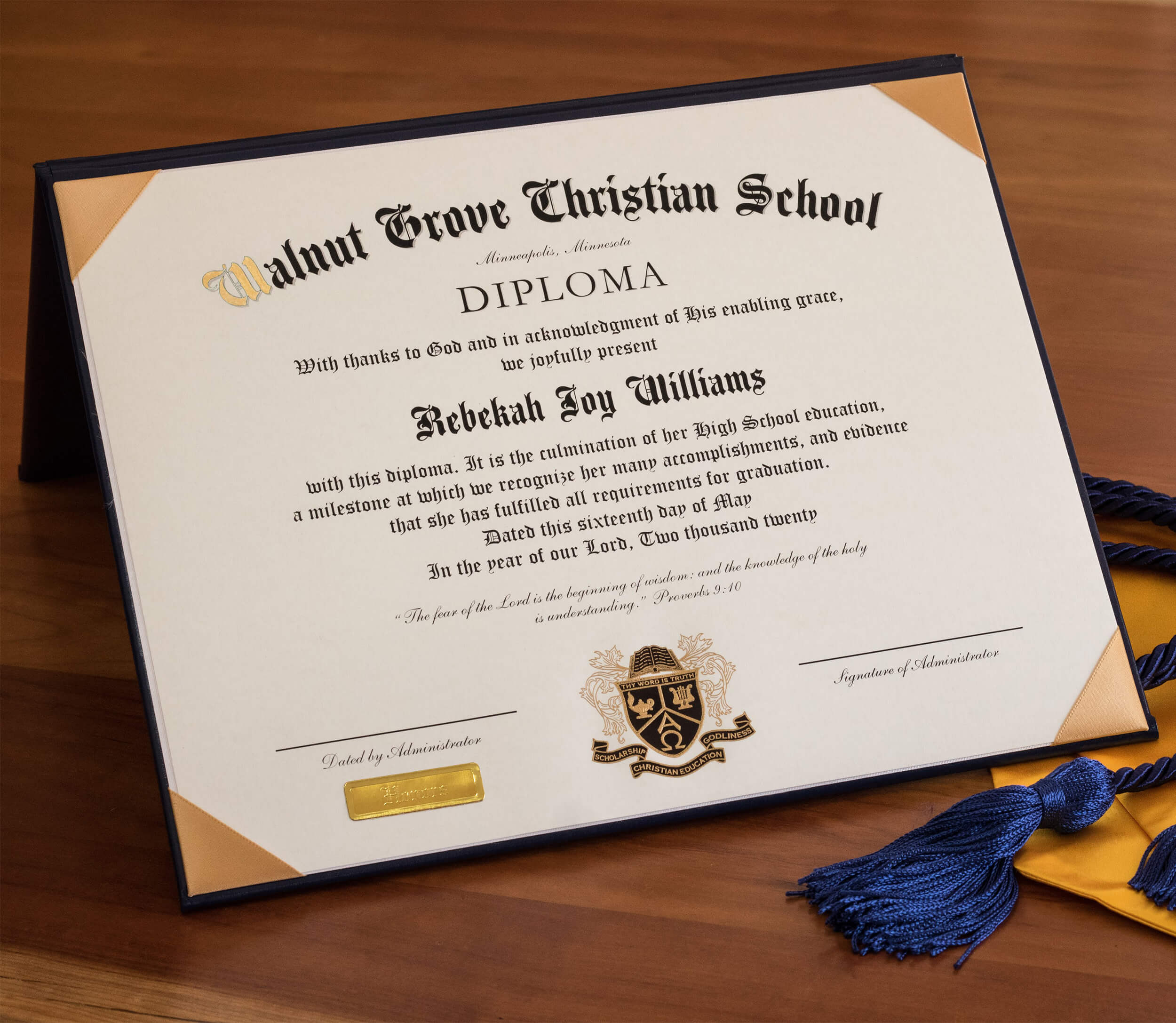
Traditional Aesthetic Elements and Security Features
Even in the physical realm, tech plays a silent but vital role. Modern high school diplomas are printed using high-resolution offset or digital presses that allow for “microprinting”—text so small it appears as a solid line to the naked eye but becomes legible under a microscope. This is a primary defense against high-end photocopiers.
Furthermore, the “look” of a diploma often includes chemical-void paper. If someone attempts to alter the name or date using bleach or ink eradicators, the technology embedded in the paper fibers triggers a chemical reaction, causing the word “VOID” to appear across the document. To the modern observer, a diploma looks like a piece of history, but to a technician, it is a sophisticated piece of hardware designed to prevent tampering.
The Transition to Digital Formats and PDF Standards
For many graduates, the “look” of their diploma is a 1:1 digital representation—a high-resolution PDF hosted on a secure cloud server. However, a digital diploma is far more than a simple image scan. It adheres to specific metadata standards. When a recruiter views a digital diploma, they are looking at a file embedded with a digital signature. This signature uses Public Key Infrastructure (PKI) to ensure that the document has not been altered since it was issued by the school district’s software.
Technological Integration: Security and Verification in the 21st Century
The modern diploma must be “machine-readable.” This requirement has fundamentally changed its visual layout. Where diplomas once focused purely on ornamentation, they now incorporate technological markers that allow for instant authentication by third-party software.
Watermarks, Microprinting, and Holographic Foils
If you hold a modern diploma up to the light, the “look” changes. You will likely see a true watermark—an image pressed into the paper pulp during manufacturing. Unlike printed images, these cannot be reproduced by digital scanners. Additionally, many high schools have integrated “holographic overlays.” These are multi-dimensional foils that change color or image when tilted, a tech-heavy feature borrowed from currency and passport design to ensure that the document is an original.
Blockchain Technology: The Immutable Ledger of Achievement
Perhaps the most significant shift in what a diploma “looks” like involves the backend technology of blockchain. Several forward-thinking school districts have begun issuing diplomas as “on-chain” assets. In this context, the diploma doesn’t just look like a piece of paper; it looks like a string of cryptographic code on a public or private ledger (such as Ethereum or Polygon).
A blockchain diploma provides a permanent, unalterable record of graduation. When a student shares their “diploma,” they may simply be sharing a QR code or a link to a blockchain explorer. The “visual” of the diploma in this case is a verified transaction hash that proves the institution’s digital wallet sent a credential to the student’s digital wallet. This eliminates the need for manual transcript requests and traditional “background check” phone calls.
Digital Wallets and Portable Credentials
The venue where we “view” a diploma has shifted from the wall of an office to the screen of a smartphone. This shift has necessitated the rise of “Verifiable Credentials” (VCs) and Open Badge technology, which standardize how educational achievements are displayed across different tech platforms.
Open Badges and Verifiable Credentials (VCs)
What does a diploma look like on LinkedIn or a digital resume? It often takes the form of an “Open Badge.” This is a visual icon that contains “baked-in” metadata. Unlike a static JPG image, an Open Badge is a tech-standardized file that contains the issuer’s name, the criteria for earning the diploma, and the evidence of the achievement. When a viewer clicks the badge, the underlying software communicates with the issuing school’s database to confirm the credential’s validity in real-time.
How AI Tools are Streamlining Diploma Authentication
Artificial Intelligence is now being used to analyze the “look” of diplomas during the hiring process. Automated Tracking Systems (ATS) and specialized verification AI can scan a PDF or a photo of a high school diploma and instantly identify inconsistencies in font, alignment, or seal placement that might suggest a forgery.
For the modern student, this means that the “look” of their diploma must be perfectly aligned with the digital records of the school. AI-driven verification tools compare the visual data on the diploma with “Source of Truth” databases. If the pixels don’t match the data, the document is flagged. This tech-driven scrutiny has made the precision of diploma design more important than ever.
The Role of EdTech in Diploma Design and Distribution
The ecosystem behind the high school diploma is a multi-billion dollar EdTech industry. Companies like Parchment, Scribbles, and Jostens have moved from being simple printers to being comprehensive digital credential platforms.
Automated Issuance Systems and SaaS Platforms
When a high school principal “issues” a diploma today, they are often interacting with a SaaS (Software as a Service) dashboard. These platforms automate the design process, ensuring that every diploma follows a strict template that is compatible with state and federal reporting standards. The “look” of the diploma is dictated by these software constraints—margins, font sizes, and the placement of the district superintendent’s digitized signature are all managed through a centralized interface to ensure uniformity across thousands of graduates.
Cybersecurity and Protecting Educational Records
Because a diploma is a valuable “identity asset,” the technology used to store it must be equivalent to banking-grade security. What a diploma “looks” like in a database is an encrypted entry protected by multi-factor authentication (MFA) and firewalls.
The rise of “Diploma Mills”—fraudulent websites that sell fake credentials—has forced legitimate EdTech providers to innovate. Modern diplomas often include “hidden” tech features, such as UV-reactive inks that only appear under blacklight or “Copy-Void” pantographs that make the word “COPY” appear if the document is placed on a scanner. These tech-enabled visual cues are the primary way that institutions distinguish a genuine high school diploma from a high-quality digital counterfeit.

Conclusion: A Document Defined by Data
In conclusion, if you ask what a high school diploma looks like today, the answer depends entirely on the lens through which you are viewing it. To the graduate, it is a symbolic piece of parchment representing four years of effort. To a software engineer, it is a collection of metadata and cryptographic signatures. To a recruiter, it is a verifiable digital asset that can be authenticated in seconds via a cloud-based platform.
The high school diploma has successfully transitioned from the analog world to the digital frontier. While it may still retain its classic aesthetic of gold seals and elegant fonts, its true power lies in the layers of technology—blockchain, AI verification, and encrypted data—that sit beneath the surface. As we move forward, the “look” of the diploma will likely continue to shift toward more portable, secure, and technologically integrated formats, ensuring that this milestone of achievement remains relevant in a high-tech world.
aViewFromTheCave is a participant in the Amazon Services LLC Associates Program, an affiliate advertising program designed to provide a means for sites to earn advertising fees by advertising and linking to Amazon.com. Amazon, the Amazon logo, AmazonSupply, and the AmazonSupply logo are trademarks of Amazon.com, Inc. or its affiliates. As an Amazon Associate we earn affiliate commissions from qualifying purchases.