
The quest for the perfect avocado is a universal culinary challenge, a rite of passage for home cooks and gourmet chefs alike. It’s a delicate dance of color, texture, and intuition, often fraught with the disappointment of a rock-hard, unripe fruit or a mushy, overripe mess. Yet, beyond the immediate gratification of a creamy slice on toast or a vibrant guacamole, the humble avocado embodies a fascinating intersection of modern technology, strategic branding, and intricate financial considerations. What seems like a simple inquiry into ideal fruit selection actually opens a window into the sophisticated systems that bring food to our tables, shape our perceptions, and influence our spending.
This exploration transcends mere visual and tactile cues. It delves into the technological innovations that promise to revolutionize produce selection, the powerful branding narratives that elevate a fruit to a lifestyle icon, and the economic forces that dictate its availability and price. Understanding “what a good avocado looks like” thus becomes a holistic endeavor, integrating traditional wisdom with contemporary insights from the worlds of tech, brand, and money.
The Art and Science of Selection: Beyond the Surface
The initial encounter with an avocado is undeniably sensory. Before any high-tech scanner or financial valuation comes into play, our hands, eyes, and even ears are our primary tools. Mastering these traditional methods forms the bedrock of choosing a good avocado, acting as the foundational data points for any advanced analysis.
Traditional Sensory Cues: The Foundation
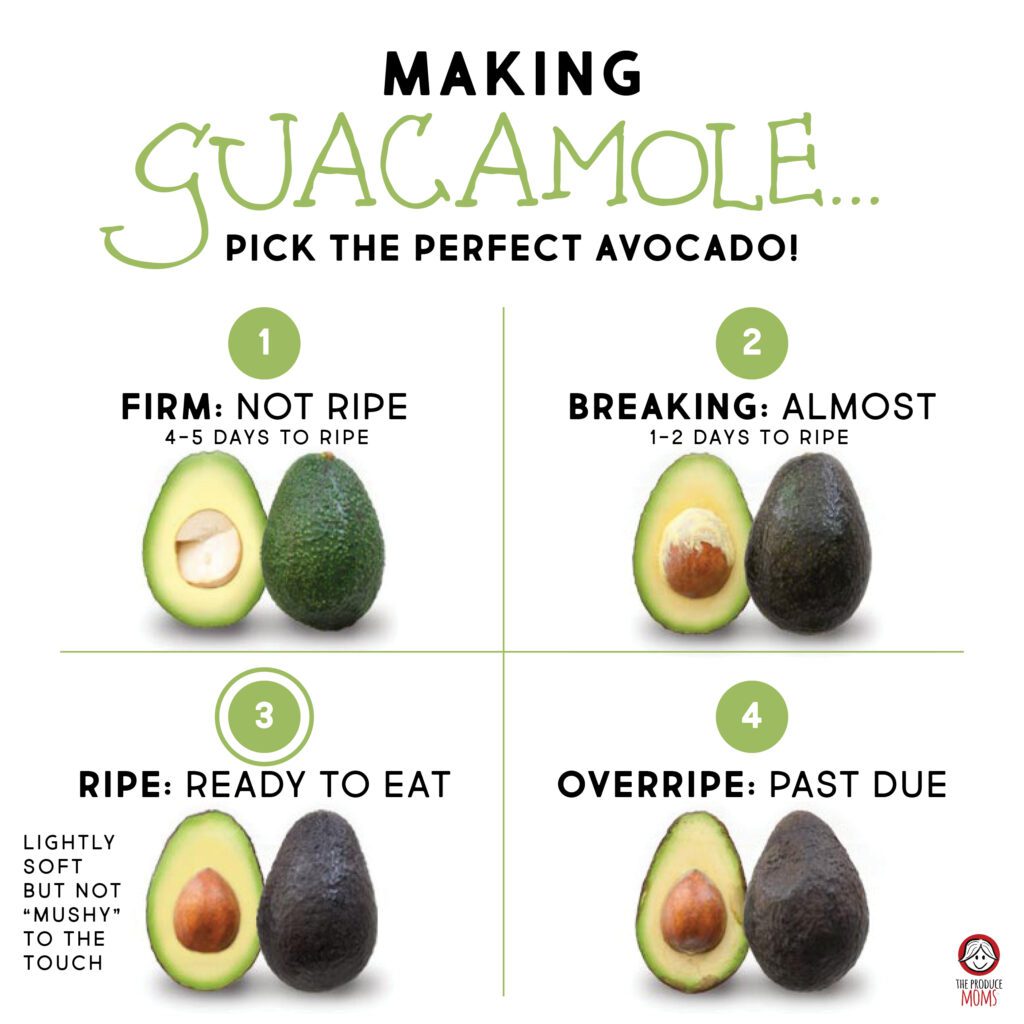
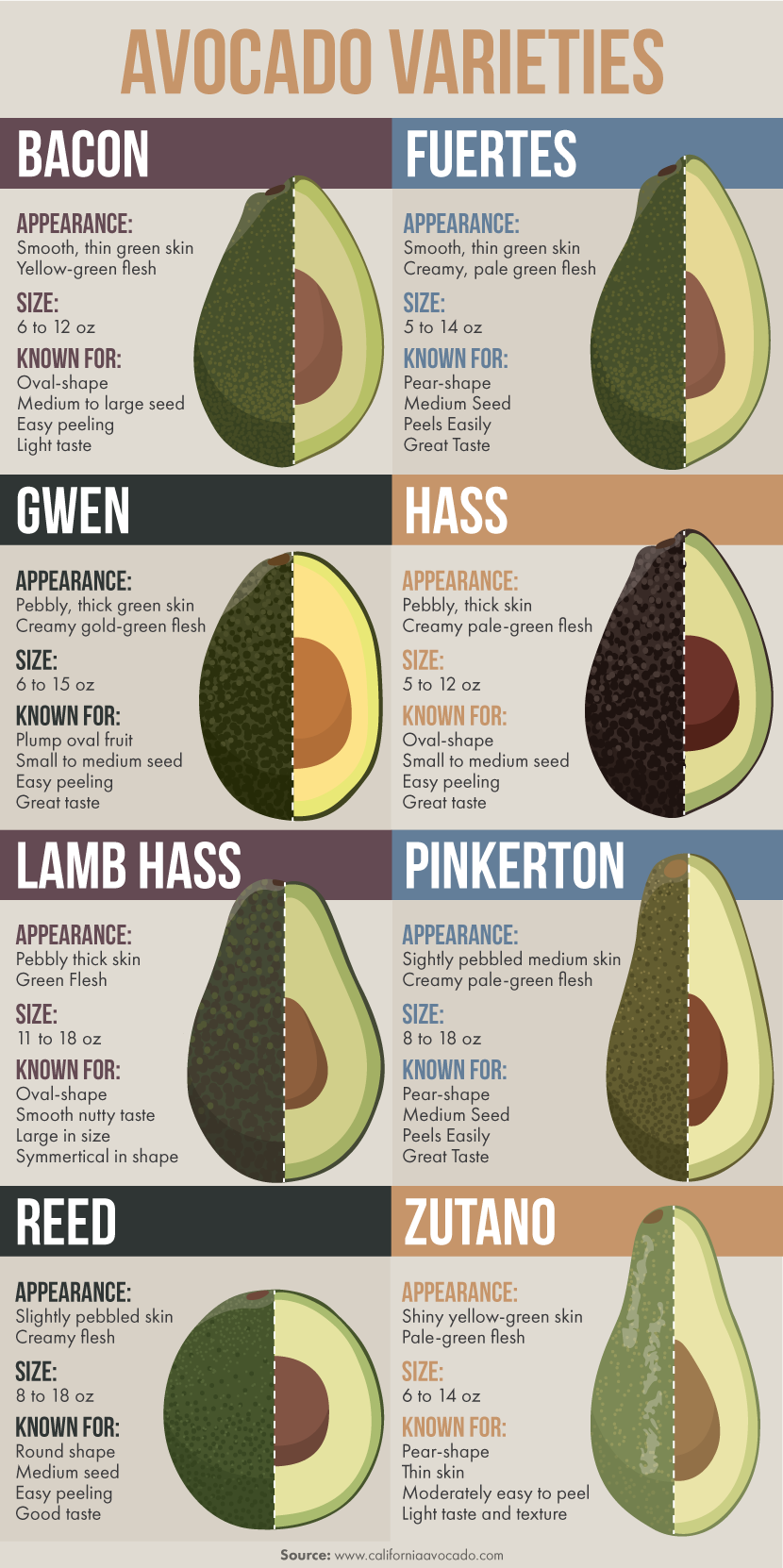
A truly good avocado begins with a series of visual and tactile inspections. Firstly, color is often the most misleading cue. While many associate a deep, dark green or nearly black skin with ripeness, this can vary significantly by variety (Hass being the most common, which does darken). Some avocados remain green even when perfectly ripe. Instead of relying solely on color, use it as a preliminary indicator.
Next, and perhaps most crucially, is the feel. A good avocado should yield to gentle pressure without feeling soft or mushy. Hold the avocado in the palm of your hand and gently squeeze it. It should have a slight give, akin to pressing on a ripe peach or a tennis ball that has some air let out. If it feels hard and unyielding, it’s underripe. If it feels extremely soft or watery, it’s likely overripe or bruised.
The stem test is another classic method. Gently flick off the small dry stem or cap at the top of the avocado. If it comes off easily and reveals a vibrant green or yellowish color underneath, the avocado is likely ripe and fresh. If it’s hard to remove or reveals a brown, fibrous color, it’s probably overripe or past its prime. If it doesn’t budge at all, it’s likely too firm.
Finally, consider the weight. A ripe avocado should feel relatively heavy for its size, indicating good water content and a creamy flesh. A lightweight avocado might be dried out or have internal issues. The skin texture should also be examined; while it can vary, a good Hass avocado typically has pebbly skin that can appear slightly dull when ripe, rather than overly shiny.
The Hidden Imperfections: What to Avoid
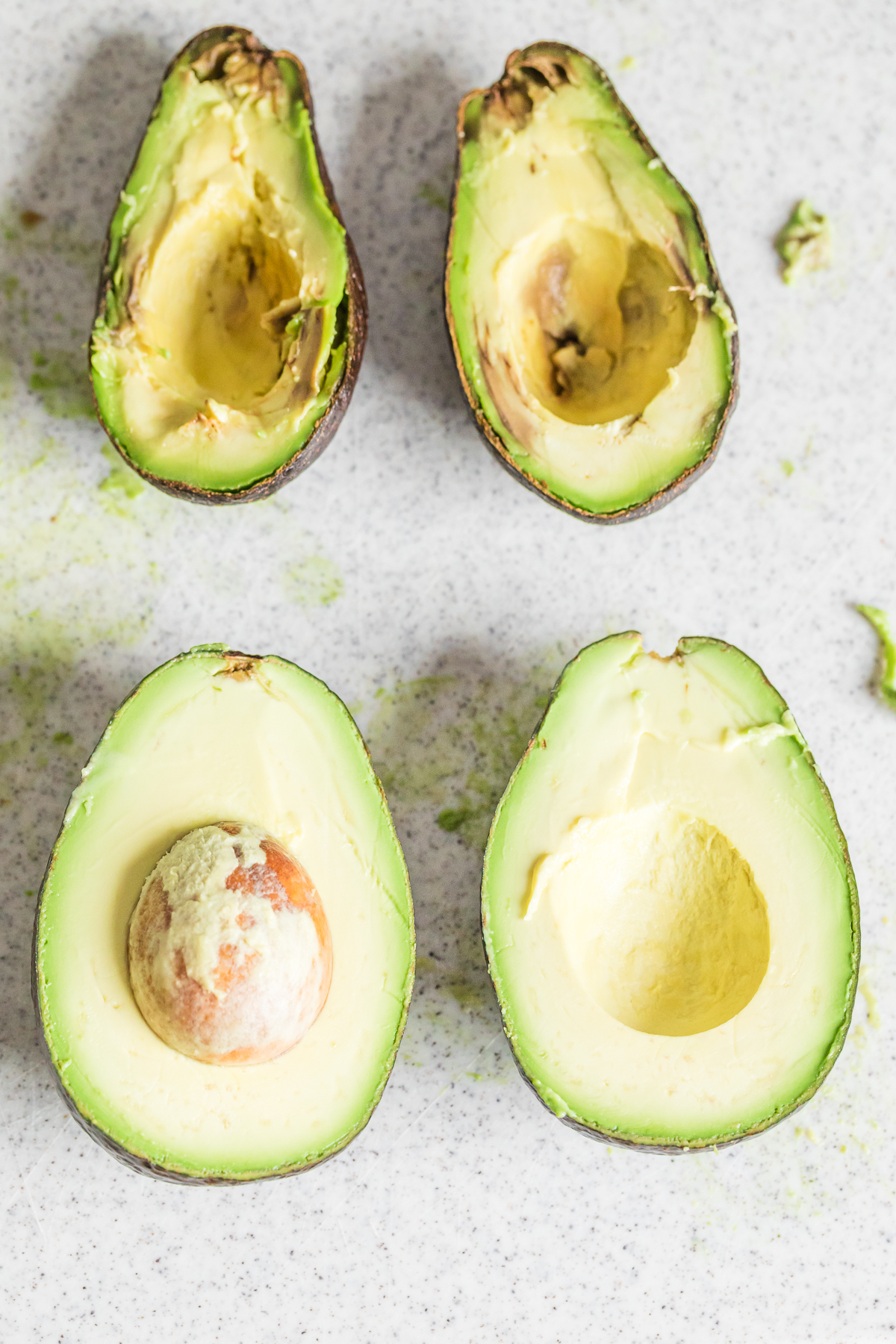
Just as important as identifying desirable traits is recognizing red flags. Bruises and soft spots are immediate indicators of damage. These can be caused by rough handling during harvest, transport, or even by other shoppers. A bruised avocado will often have discolored flesh underneath, leading to waste. Similarly, overly soft or squishy areas suggest decomposition or severe bruising, rendering parts or all of the fruit unusable.
Another warning sign is mold, particularly around the stem area. This indicates advanced spoilage. Avoid avocados with any visible signs of mold or a distinctly unpleasant odor, which points to bacterial growth. While some external blemishes are purely cosmetic, significant scarring or deep cuts can compromise the integrity of the fruit and lead to premature spoilage. Learning to differentiate between minor surface imperfections and critical flaws is key to consistently selecting good avocados.
Leveraging Technology for the Perfect Pick
In an age where smart devices enhance every aspect of our lives, the seemingly analog act of selecting an avocado is increasingly influenced by technology. From farm-level innovations to potential consumer-facing gadgets, tech is slowly but surely reshaping how we assess and procure this beloved fruit.
From Farm to Fork: The Role of Supply Chain Tech
The journey of an avocado from an orchard in Mexico or California to a supermarket shelf is a marvel of modern logistics and increasingly, advanced technology. Sensors play a crucial role long before the avocado reaches your kitchen. In orchards, data analytics from soil sensors and weather stations optimize irrigation and fertilization, influencing the fruit’s initial quality and yield. Post-harvest, avocados are often equipped with ripeness sensors that monitor ethylene gas levels – the natural plant hormone responsible for ripening. These sensors, combined with thermal imaging and spectroscopy, can assess internal ripeness without cutting the fruit, allowing growers and distributors to sort avocados into different ripeness categories.
Cold chain management is another technological cornerstone. Specialized refrigerated containers and warehouses maintain precise temperature and humidity levels, slowing down the ripening process to extend shelf life during transit. This controlled environment ensures that avocados arrive at their destination in optimal condition, ready for the final stages of ripening or immediate consumption. Furthermore, blockchain technology is emerging as a powerful tool for traceability. By logging every step of an avocado’s journey – from the specific farm and harvest date to transport conditions and retail distribution – blockchain can provide unparalleled transparency. This not only assures consumers of origin and quality but also helps quickly identify and rectify issues, enhancing trust and safety. The ability to precisely track an avocado’s history allows retailers to make informed decisions about inventory and ensures that consumers receive a product whose quality has been meticulously managed throughout its supply chain.
Consumer-Facing Innovations: Apps and Future Gadgets
While most advanced tech currently operates behind the scenes, the future promises more direct tools for the average shopper. Imagine a world where a smartphone app, utilizing AI-driven image recognition and spectroscopy, could analyze an avocado’s surface and internal structure. Such an app could provide a real-time “ripeness score,” predicting when the avocado will be perfectly ready to eat. Startups are already developing handheld devices that use near-infrared light to measure internal moisture and oil content, giving consumers a scientific assessment of ripeness without damaging the fruit.
Beyond selection, technology also extends to preservation. Smart refrigerators are being designed with specialized compartments that can monitor and adjust humidity and temperature to optimize fruit and vegetable storage, significantly extending the usable life of a perfectly ripe avocado. Some innovations even explore edible coatings derived from natural plant extracts, which can act as a protective barrier to reduce oxidation and water loss, thus slowing down the ripening process and preserving freshness for longer. The convergence of these technologies, from sophisticated supply chain management to intuitive consumer tools, aims to reduce the guesswork and disappointment, making the perfect avocado pick a consistently achievable goal.
The Brand of Ripe: Perception, Marketing, and Value
In today’s competitive marketplace, even a natural product like an avocado is subject to the powerful forces of branding and marketing. How we perceive an avocado, what value we assign to it, and even our expectation of its quality are heavily influenced by the narratives and strategies employed by growers, retailers, and the broader cultural landscape.
Packaging and Promises: Deciphering Retailer Claims
When you walk into a grocery store, avocados aren’t just stacked anonymously. They often come with distinct labels and claims that attempt to guide your choice and perception of quality. “Organic” branding, for instance, implies a commitment to sustainable farming practices and the absence of synthetic pesticides, often commanding a premium price based on a perceived higher standard of health and environmental responsibility. Similarly, “Ready to Eat” or “Perfectly Ripe” labels are direct marketing promises. Retailers use these to alleviate consumer anxiety about ripeness, offering convenience at a potentially higher cost. This branding suggests that the complex task of selecting a ripe avocado has already been handled by experts, justifying a price increase.
Premium branding might also highlight the specific origin (e.g., “Avocados from Mexico”), linking the fruit to a region renowned for its quality or unique characteristics. Packaging design itself contributes to branding, with aesthetically pleasing trays or sleeves elevating the perceived value of the product compared to loose, unbranded alternatives. These branding strategies aim to build consumer trust and loyalty, suggesting that by choosing a branded avocado, you are investing in a product that meets specific, often superior, quality standards. However, savvy consumers learn to look beyond the marketing jargon and use traditional sensory cues to verify these brand promises, ensuring the actual quality matches the perceived value.
The Avocado Lifestyle: Branding Beyond the Fruit
Beyond the grocery aisle, the avocado has transcended its status as a simple fruit to become a powerful cultural symbol, embodying a “lifestyle brand.” It’s inextricably linked with health-conscious living, wellness trends, and the vibrant brunch culture often seen on social media. The image of a perfectly sliced avocado on artisanal toast, or a vibrant bowl of guacamole, has become an aspirational emblem of healthy eating and modern sophistication.
This broader cultural branding is incredibly potent. It influences demand, shapes consumer expectations, and reinforces the fruit’s perceived value. Major food brands and even restaurants leverage this “avocado lifestyle” in their marketing, associating their products with the freshness, health benefits, and trendy appeal of the avocado. This extends to personal branding, where individuals project an image of wellness and culinary flair through their avocado-centric social media posts. The global rise of the avocado as a “superfood” has been significantly amplified by this social and cultural branding, creating a self-perpetuating cycle where its desirability fuels both demand and the perception of its inherent quality. This powerful collective brand, cultivated through media, social trends, and strategic marketing, plays a significant role in determining what consumers believe a “good” avocado represents – often linking quality not just to ripeness, but to a whole suite of lifestyle values.
The Economics of the Exquisite Avocado: Money Matters
Every avocado purchased is an economic transaction, reflecting a complex interplay of supply, demand, labor costs, and market forces. Understanding the financial dimensions helps consumers make informed choices, appreciate the true cost of quality, and even glimpse potential investment opportunities within this booming global commodity.
Maximizing Your Investment: Quality vs. Cost
From a personal finance perspective, choosing a good avocado is about maximizing your investment. A perfectly ripe avocado delivers peak flavor and texture, providing optimal value for its price. Conversely, selecting an unripe or overripe avocado often leads to disappointment and, more importantly, food waste. If you buy an avocado that’s too hard and it spoils before it ripens, or if it’s so soft you can only use a fraction of it, you’ve essentially thrown money away. In this context, the extra few cents for an avocado that feels just right can be seen as a shrewd financial decision, ensuring you get full utility from your purchase.
This consideration also extends to budgeting for quality produce. While cost-saving measures might lead some to opt for cheaper, less reliably ripe avocados, the potential for waste can negate any initial savings. Savvy shoppers learn to balance price with the likelihood of usability. For instance, buying slightly underripe avocados and ripening them at home can be a cost-effective strategy, provided one has the knowledge and patience. Furthermore, understanding market fluctuations can help. Avocados often go on sale when supply is high, allowing for bulk purchases that, if stored and ripened correctly, can be very economical. Investing a little time in learning how to pick and store avocados effectively is, therefore, a tangible way to manage household finances and reduce unnecessary expenditure.
The Global Avocado Market: A Financial Perspective
Beyond individual consumer choices, the avocado is a significant global commodity, representing a robust financial market with substantial economic implications. The demand for avocados has surged worldwide over the past two decades, driven by increasing awareness of their health benefits and their integration into global cuisine. This escalating demand has led to a booming agricultural sector, particularly in key producing countries like Mexico, Peru, and California.
The supply and demand dynamics of avocados are closely monitored by commodity traders and financial analysts. Factors such as weather patterns, geopolitical stability in growing regions, labor costs, and global shipping logistics all impact price fluctuations. A poor harvest in Mexico due to drought, for instance, can send prices soaring globally, affecting both consumers and businesses that rely on avocados. This makes the avocado market an interesting space for agricultural investment, with opportunities in farming, processing, and distribution. Investors might consider ventures in sustainable avocado farming, development of new cold chain technologies, or even futures contracts related to avocado commodities.
The economic footprint of the avocado industry is vast, supporting thousands of jobs from farm laborers and pickers to logistics experts, marketers, and restaurant staff. Its growth has also spurred innovation in related industries, from avocado oil production to processing for cosmetics. Understanding the financial currents of the global avocado market provides a richer appreciation for the journey of this fruit, transforming it from a simple dietary item into a valuable economic engine.
Cultivating Your Avocado Acumen: Practical Tips and Future Outlook
Mastering the art of avocado selection and care is an evolving skill, combining traditional wisdom with an openness to technological advancements and an awareness of market dynamics. Integrating these perspectives empowers consumers to make consistently good choices.
Storage and Ripening: Extending the Life of Your Investment
Even after selecting a good avocado, its journey doesn’t end at the checkout. Proper storage and ripening techniques are crucial for maximizing its utility and preventing waste. If your avocado is underripe, storing it at room temperature, ideally in a paper bag with a banana or apple, can significantly speed up the ripening process. These fruits release ethylene gas, which acts as a natural ripening agent. Check daily for the desired softness.
Once ripe, an avocado can be stored in the refrigerator for several days to slow down further ripening. For cut avocados, storing them with the pit intact and drizzling with lemon or lime juice before wrapping tightly in plastic wrap or placing in an airtight container can help prevent browning due to oxidation. Investing a small amount of time in these simple steps can extend the life of your avocado, ensuring you get to enjoy every delicious bite and fully realize the value of your purchase.
The Future of Avocado Perfection: A Confluence of Trends
The future of achieving “perfect avocado” status lies at the intersection of continued technological innovation, strategic brand development, and astute financial management. We can anticipate more sophisticated AI-driven ripeness scanners, potentially integrated into shopping carts or even home devices, making the guesswork a thing of the past. As supply chains become even more digitized and transparent through blockchain, consumers will gain unprecedented insights into the origin and journey of their produce, fostering greater trust and accountability.
On the branding front, expect to see an even greater emphasis on storytelling around sustainability, ethical sourcing, and unique varietals, further cementing the avocado’s premium status. Marketing efforts will continue to tap into the lifestyle appeal, potentially creating new product categories or experiences centered around avocado consumption. Financially, the global market will likely continue its growth trajectory, driving further investment in agricultural tech and sustainable farming practices to meet burgeoning demand.
Ultimately, “what a good avocado looks like” is becoming a dynamic concept. It’s no longer just about the perfect exterior or internal creaminess; it’s about the entire ecosystem that brings that avocado to your plate – a testament to human ingenuity in tech, the power of brand perception, and the intricate dance of global economics. By understanding these broader forces, we can not only pick a better avocado but also appreciate the remarkable journey behind every bite.
aViewFromTheCave is a participant in the Amazon Services LLC Associates Program, an affiliate advertising program designed to provide a means for sites to earn advertising fees by advertising and linking to Amazon.com. Amazon, the Amazon logo, AmazonSupply, and the AmazonSupply logo are trademarks of Amazon.com, Inc. or its affiliates. As an Amazon Associate we earn affiliate commissions from qualifying purchases.