
A stress fracture in the foot, often described as a tiny crack in a bone, is a pervasive and debilitating injury that can disrupt daily life. While the sensation can vary from a dull ache to sharp, intense pain, understanding the multifaceted nature of this discomfort is crucial. Beyond the purely physiological, the modern landscape offers a burgeoning array of technological tools that can aid in the identification, monitoring, and even the management of these injuries, offering new perspectives on what a foot stress fracture truly feels like, both physically and in its impact on one’s digital and active life.

Understanding the Onset: The Subtle Whispers of an Impending Injury
The initial stages of a foot stress fracture are rarely dramatic. Instead, they manifest as subtle warnings, often dismissed as minor aches or fatigue. This insidious onset is where technology can play a vital role in early detection, preventing a small problem from escalating into a significant setback.
The Lingering Ache: Pain That Doesn’t Quite Go Away
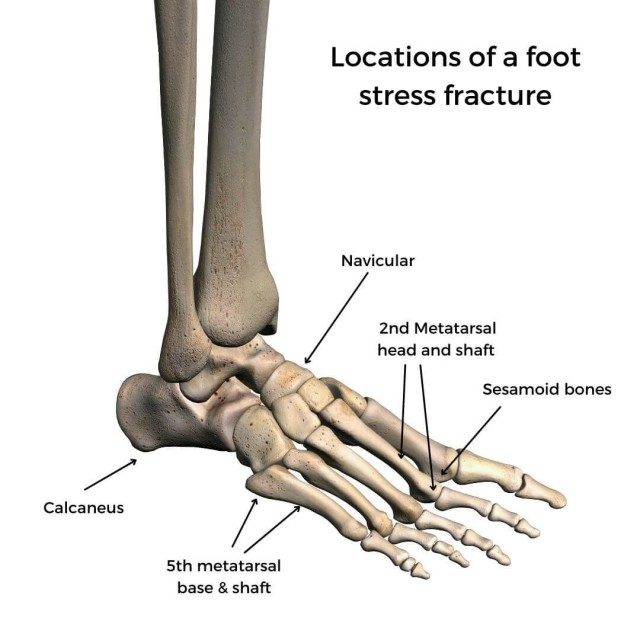
The hallmark of an early stress fracture is a persistent ache that doesn’t fully resolve with rest. This pain is typically localized to a specific area of the foot, often along the metatarsals (the long bones of the foot) or the heel bone (calcaneus). It’s not the sharp, immediate pain of an acute injury like a sprain, but rather a deep, throbbing discomfort that intensifies with activity and gradually recedes with rest.
- The Biofeedback Loop of Discomfort: In essence, the bone is sending a consistent signal of distress. Traditional approaches might involve simply acknowledging this discomfort and hoping it subsides. However, advanced wearable sensors, like those integrated into performance athletic shoes or ankle braces, are beginning to capture subtle changes in gait and impact forces that correlate with this developing pain. These devices can provide objective data, transforming the subjective feeling of “discomfort” into quantifiable metrics that a healthcare professional can analyze, potentially flagging an issue before it becomes overtly painful.
- The Psychological Impact of Persistent Pain: Beyond the physical sensation, there’s a psychological toll. The constant awareness of a dull ache can breed anxiety and frustration, impacting concentration and overall mood. For individuals accustomed to high levels of physical activity, this persistent, unexplained pain can feel like a betrayal by their own body.
Activity-Dependent Aggravation: The Pain That Grows with Movement
Perhaps the most defining characteristic of a stress fracture’s pain is its direct correlation with activity. While rest may offer temporary relief, any weight-bearing or repetitive motion will invariably exacerbate the discomfort. This is because each step or impact sends micro-trauma through the already compromised bone.
- The Mechanosensing of Bone: Bone is a remarkably responsive tissue, equipped with mechanosensors that detect mechanical stress. In a healthy bone, these sensors trigger adaptive responses, leading to strengthening. In a stress fracture, the signals become signals of damage. Advanced biomechanical analysis tools, often employed in sports science and rehabilitation settings, can meticulously track the forces exerted on the foot during various activities. This technology can pinpoint the exact movements and impact profiles that are most irritating to the healing bone, providing targeted advice for activity modification.
- The Early Warning System of Biomechanics: Imagine a smartwatch that doesn’t just track steps but analyzes the quality of those steps. Future iterations of wearable tech could potentially identify subtle changes in gait – like increased pronation or altered stride length – that indicate compensatory mechanisms developing due to underlying bone pain. This data, fed into an AI-powered diagnostic assistant, could provide an early warning, prompting the user to seek medical attention before the pain becomes unbearable.
The Sharpening of Discomfort: When the Ache Becomes Acute
As a stress fracture progresses, the pain transforms from a nagging discomfort into a more pointed and intense sensation. This escalation often serves as a more urgent call to action, and technology is increasingly involved in helping to differentiate this sharp pain from other potential foot ailments.
The “Hot Spot” of Tenderness: Palpating the Pain

A key indicator that a stress fracture may be developing is the presence of a distinct “hot spot” – a very localized area of tenderness that elicits significant pain upon direct pressure. This pinpoint sensitivity is a strong clue that the underlying bone is inflamed and damaged.
- AI-Powered Palpation: While direct palpation by a skilled clinician remains the gold standard, research is exploring how AI, combined with haptic feedback devices or even advanced ultrasound imaging, could potentially assist in identifying these tender areas with greater precision. This could be particularly useful in remote settings or for initial screening.
- The Visual Language of Pain: Beyond touch, the body can communicate pain through visual cues. A slightly swollen or reddened area might accompany the tenderness, signals that can be captured and analyzed by imaging technologies.
The “Stabbing” Sensation: Pain That Takes Your Breath Away
In more advanced stages, a stress fracture can manifest as a sharp, stabbing pain that can be debilitating. This type of pain is often experienced during weight-bearing activities and can even cause a person to involuntarily stop what they’re doing.
- The Utility of High-Resolution Imaging: While not directly felt, the technological advancements in medical imaging are crucial in confirming the feeling of stabbing pain. High-resolution X-rays, CT scans, and MRI scans provide detailed views of the bone structure, allowing clinicians to visualize the fracture line and assess its severity. The ability to see the invisible crack validates the patient’s experience of acute pain.
- The Algorithmic Interpretation of Scans: AI is rapidly transforming the interpretation of these medical images. Algorithms are being trained to detect subtle signs of stress fractures that might be missed by the human eye, leading to faster and more accurate diagnoses. This means that the “stabbing” sensation is not just a feeling but a symptom that can be objectively confirmed through sophisticated technological analysis.
The Long Shadow of Injury: Navigating Life with a Stress Fracture and Technology’s Role
The experience of a foot stress fracture extends far beyond the immediate pain. It impacts mobility, mental well-being, and the ability to engage in everyday activities. Technology offers not only diagnostic support but also tools for managing the recovery process and preventing future occurrences.
The Interruption of Routine: When Movement Becomes a Burden
The most profound effect of a stress fracture is the disruption it causes to an individual’s normal life. Simple tasks like walking, standing for extended periods, or participating in sports become painful and often impossible.
- The Digital Compass of Modified Activity: For athletes and active individuals, technology becomes a crucial tool for navigating the mandated rest and rehabilitation period. Fitness trackers that can be recalibrated to monitor non-impact activities (like swimming or cycling with limited foot involvement) allow individuals to maintain a sense of progress and engagement. Apps designed for physical therapy can guide users through prescribed exercises, ensuring adherence and proper form.
- The Virtual Connection of Community: For those experiencing isolation due to their injury, online communities and forums provide a vital support system. Sharing experiences and advice with others who understand the challenges of stress fractures, often facilitated by social media platforms and dedicated health apps, can significantly alleviate the psychological burden.
The Future of Prevention and Rehabilitation: Tech-Driven Solutions
As our understanding of biomechanics and bone health evolves, so too does the potential for technology to proactively address stress fractures. From personalized training programs to advanced recovery tools, the future holds promising avenues for mitigating these injuries.
- Predictive Analytics and Biometric Monitoring: Imagine AI-powered platforms that analyze an individual’s training data, sleep patterns, and even nutritional intake to predict their risk of developing a stress fracture. Wearable sensors that continuously monitor gait mechanics and impact forces could provide real-time feedback, alerting users to potentially harmful training loads. This proactive approach shifts the paradigm from treatment to prevention.
- Virtual Reality for Rehabilitation: Virtual reality (VR) is emerging as a powerful tool in rehabilitation. VR environments can provide engaging and controlled ways for individuals to gradually reintroduce movement and weight-bearing activities under guided supervision. This can help to rebuild confidence and improve motor control in a safe and stimulating manner, making the recovery process feel less daunting.
- 3D Printing for Custom Orthotics and Prosthetics: In more severe cases or for individuals with chronic issues, 3D printing technology is revolutionizing the creation of custom orthotics and braces. These devices can be precisely tailored to an individual’s foot anatomy and biomechanical needs, offering unparalleled support and comfort, thereby improving the feeling of stability and reducing the risk of re-injury.
In conclusion, while the fundamental feeling of a foot stress fracture is rooted in physiological pain, the modern technological landscape is profoundly reshaping how we perceive, diagnose, manage, and even prevent these injuries. From the subtle alerts of wearable sensors to the sophisticated insights gleaned from AI-driven diagnostics, technology offers a powerful lens through which to understand the intricate experience of a foot stress fracture, paving the way for more informed and effective approaches to recovery and long-term foot health.
aViewFromTheCave is a participant in the Amazon Services LLC Associates Program, an affiliate advertising program designed to provide a means for sites to earn advertising fees by advertising and linking to Amazon.com. Amazon, the Amazon logo, AmazonSupply, and the AmazonSupply logo are trademarks of Amazon.com, Inc. or its affiliates. As an Amazon Associate we earn affiliate commissions from qualifying purchases.