
The distinct, often pungent aroma associated with a canine ear infection has long been a primary diagnostic tool for pet owners and veterinarians alike. To a human, the scent is often described as “yeasty,” like stale beer, or “musty,” similar to damp socks. However, in the rapidly evolving landscape of PetTech (Pet Technology), this biological signal is no longer just a warning sign for a vet visit; it is becoming a critical data point for a new generation of diagnostic software, AI-driven sensors, and wearable devices.

As we move deeper into the era of the “Internet of Pets,” the question of what a dog ear infection smells like is being answered not by the human nose, but by sophisticated olfactory sensors and machine learning algorithms. This article explores how the technology sector is digitizing the sensory experience of pet health, transforming a common biological ailment into a sophisticated case study for AI-driven preventative care.
The Digital Nose: How AI and Olfactory Sensors Quantify Biological Odors
For decades, the identification of Otitis Externa (ear infection) relied on the subjective experience of the pet owner. If the ear smelled like sourdough or rotting fruit, a trip to the clinic was imminent. Today, the field of “Digital Olfaction” is professionalizing this process.
Biomimicry and Electronic Noses (e-Noses)
The tech industry has spent years developing “electronic noses”—sensors designed to detect and identify odors and flavors. These e-noses function by mimicking the mammalian sense of smell. In the context of canine health, these sensors are calibrated to detect specific Volatile Organic Compounds (VOCs). When yeast or bacteria proliferate in a dog’s ear canal, they release distinct gaseous byproducts.
Modern e-nose technology uses gas chromatography combined with metal-oxide-semiconductor (MOS) sensors to create a digital “fingerprint” of the infection. This allows for a level of precision that humans cannot achieve, distinguishing between a fungal infection (which smells yeasty) and a bacterial infection (which may smell more putrid) through chemical analysis rather than subjective sniffing.
Machine Learning and Pattern Recognition in Diagnostics
The raw data collected by these sensors is useless without the software to interpret it. This is where Artificial Intelligence (AI) comes into play. Tech startups are now training neural networks on massive datasets of biological VOCs. By feeding an AI thousands of samples of “healthy ear” data versus “infected ear” data, the software learns to recognize the subtle chemical shifts that occur before the infection becomes obvious to the human nose. This proactive approach is the cornerstone of the modern Tech-driven pet care model, moving the industry from reactive treatment to predictive maintenance.
The Rise of Wearable Pet Monitors: Shifting from Reactive to Proactive Care
Just as human wearables like the Apple Watch or Oura Ring track health metrics, the PetTech market has seen a surge in sophisticated wearable devices for dogs. These gadgets are designed to monitor more than just steps; they are becoming early warning systems for ear health.
Acoustic Sensing and Behavioral Analytics
A dog with an ear infection doesn’t just smell; they exhibit specific behaviors, such as head shaking and excessive scratching. High-end wearables now incorporate tri-axial accelerometers and gyroscopes coupled with acoustic sensors. Using edge computing, these devices analyze the frequency and intensity of a dog’s movements.
If the device detects a 300% increase in head-shaking behavior over a 24-hour period, the accompanying app sends a push notification to the owner. This “behavioral data” acts as a proxy for the physical symptoms. By the time the owner notices the characteristic smell, the tech has already logged several days of escalating symptoms, providing a comprehensive data log for the veterinarian.
Integration with Telehealth Ecosystems
The true power of this technology lies in its connectivity. When a wearable device flags a potential ear infection based on behavioral shifts or sensor readings, the data is seamlessly integrated into telehealth platforms. This ecosystem allows for “asynchronous diagnostics,” where a vet can review the data logs, look at high-resolution photos taken via a smartphone otoscope attachment, and issue a prescription without the pet ever leaving the home. This integration represents a major shift in the business model of veterinary medicine, driven by software-as-a-service (SaaS) principles.
Data-Driven Dermatology: Using Big Data to Predict Otitis Externa
The “smell” of an infection is a trailing indicator—a sign that the problem already exists. The tech industry is now looking at leading indicators through the use of Big Data and predictive analytics.
Predictive Analytics in Breed-Specific Health
Different breeds have different ear structures; a Basset Hound’s long, floppy ears create a vastly different environment than the upright ears of a German Shepherd. Tech companies are leveraging Big Data to create breed-specific health profiles. By aggregating data from millions of veterinary records, AI models can predict the likelihood of an ear infection occurring based on local humidity levels, seasonal allergy patterns, and the dog’s genetic predisposition.
This is not just a health tool; it is a sophisticated application of predictive modeling. For a pet owner, this means receiving an app alert stating: “Current humidity levels in your area increase the risk of ear infections for Goldendoodles by 40%. We recommend a preventative cleaning today.”
Cloud-Based Medical Records and Early Warning Systems
The shift toward centralized, cloud-based electronic health records (EHR) for pets allows for a more holistic view of animal health. When a digital nose or a wearable flags a scent or a behavior, that data is stored in the cloud. Over time, these systems can identify “micro-trends” in an individual dog’s health. For instance, if a dog’s ears begin to smell slightly “off” every time they switch to a specific brand of food, the software can correlate these two data points, identifying a food allergy that might have otherwise gone unnoticed for years.
The Future of Home Diagnostics: Smartphone Apps and At-Home Testing Kits
The final frontier of PetTech is the democratization of diagnostic tools. What used to require a laboratory can now be done via a smartphone and a simplified testing kit.
High-Resolution Imaging and Computer Vision
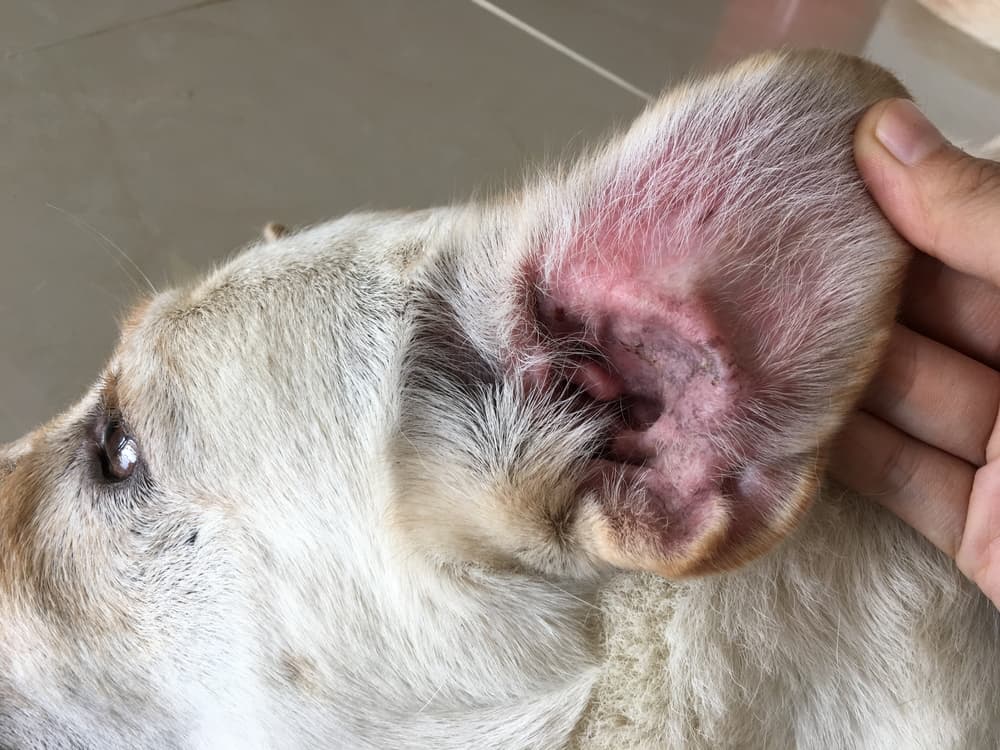
If the smell of an ear infection is the first clue, visual confirmation is the second. Computer vision—a field of AI that enables computers to derive meaningful information from digital images—is now being applied to canine otoscopy. Startups have developed smartphone attachments that allow owners to take high-definition video of the internal ear canal.
The software then analyzes the video for redness, discharge, and swelling. By comparing the image against a database of millions of clinical photos, the app can provide an instant “probability score” for an infection. This reduces the cognitive load on the owner and ensures that the “smell test” is backed by visual data.
The Intersection of Biotech and Consumer Electronics
We are witnessing a convergence of biotechnology and consumer hardware. At-home testing kits now use lateral flow technology (similar to a COVID-19 test) that can be read by a smartphone camera. An owner swipes the dog’s ear, applies it to a test strip, and the app reads the color change to identify the specific type of bacteria or yeast present.
This eliminates the guesswork of “what does this smell like?” and replaces it with “what does the data say?” This transition is critical for the scaling of pet health services, as it empowers the consumer with professional-grade information.
Digital Security and Ethics in PetTech
As we collect more data on our pets—from the chemical composition of their ear wax to their daily movement patterns—digital security becomes a paramount concern. The “Internet of Pets” is susceptible to the same vulnerabilities as any other IoT (Internet of Things) sector.
Protecting Biological Data
While it may seem trivial to protect a dog’s health data, this information is often tied to the owner’s personal details, location, and financial information. Tech companies in this space must implement robust encryption and secure API protocols to ensure that the data transmitted between the wearable, the smartphone, and the vet’s cloud server remains private.
The Ethics of Automated Diagnosis
There is also an ongoing discussion within the tech and veterinary communities regarding the ethics of AI-driven diagnosis. While an app can detect the smell and visual signs of an ear infection with high accuracy, it cannot replace the nuanced judgment of a medical professional. The industry’s challenge is to position these tools as assistive technology—designed to augment human expertise rather than replace it.
Conclusion: A Tech-Forward Approach to Canine Wellness
What does a dog ear infection smell like? In the modern era, it smells like a data point. It smells like a shift in a Volatile Organic Compound profile, a spike in an accelerometer’s graph, and a pattern-match in a deep-learning neural network.
The integration of AI, e-noses, and wearable technology is fundamentally changing our relationship with pet health. By quantifying the sensory experiences that have traditionally been subjective, the PetTech industry is providing owners with the tools to see (and smell) problems before they become crises. As these technologies continue to mature and integrate, the result will be a more efficient, data-driven, and ultimately more compassionate approach to the lives of our animal companions.
aViewFromTheCave is a participant in the Amazon Services LLC Associates Program, an affiliate advertising program designed to provide a means for sites to earn advertising fees by advertising and linking to Amazon.com. Amazon, the Amazon logo, AmazonSupply, and the AmazonSupply logo are trademarks of Amazon.com, Inc. or its affiliates. As an Amazon Associate we earn affiliate commissions from qualifying purchases.