
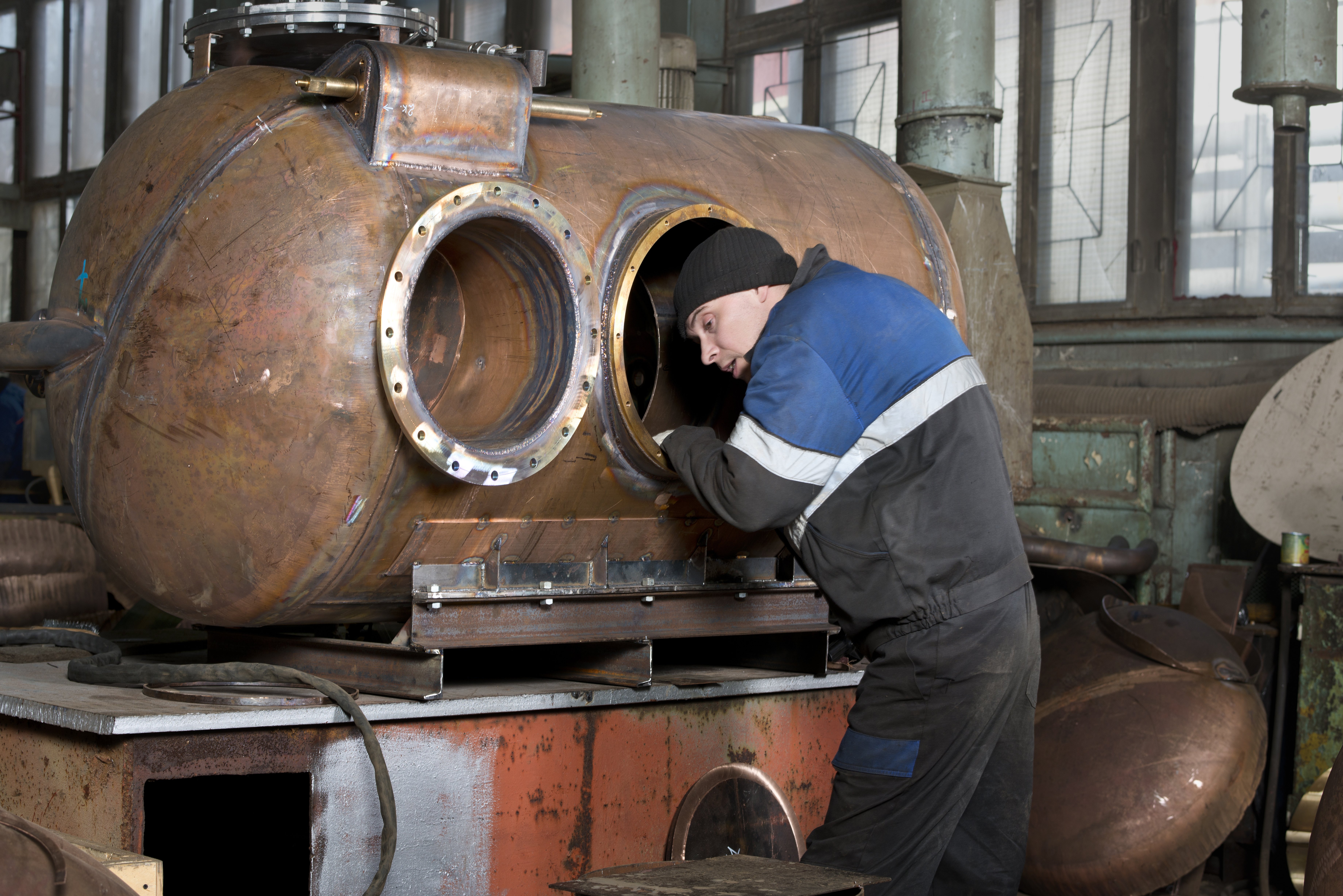
Boilermakers are highly skilled tradespeople responsible for the fabrication, installation, maintenance, and repair of high-pressure vessels, boilers, tanks, and other large metal structures. While the term “boilermaker” might conjure images of steam-powered engines from a bygone era, the reality of the profession today is far more technologically advanced and crucial to a vast array of modern industries. Their work is fundamental to the operation of power generation plants, refineries, manufacturing facilities, and even large-scale HVAC systems. Understanding the role of a boilermaker requires delving into the intricate processes, specialized tools, and diverse applications that define this essential trade.

The Foundational Skills and Training of a Boilermaker
The path to becoming a skilled boilermaker is rigorous, demanding a combination of technical knowledge, practical experience, and a strong commitment to safety. This foundational aspect of the profession is what sets boilermakers apart and ensures the reliability and longevity of the critical infrastructure they build and maintain.
Apprenticeship and Education
The journey typically begins with a formal apprenticeship program, often spanning four to five years. These programs are usually a blend of classroom instruction and on-the-job training, overseen by experienced journeymen and trade organizations. Apprentices learn the theoretical underpinnings of metallurgy, welding techniques, blueprint reading, rigging, and safety protocols. They gain hands-on experience with various tools and equipment, gradually progressing through increasingly complex tasks. This structured learning environment ensures that aspiring boilermakers develop a comprehensive understanding of their craft and the ability to apply it effectively in real-world scenarios. Beyond apprenticeships, some individuals may pursue post-secondary education in related fields such as welding technology or industrial maintenance, which can provide a strong theoretical base and enhance their career prospects.
Essential Technical Proficiencies
At the core of a boilermaker’s skillset lies a mastery of welding and fabrication. They must be proficient in various welding processes, including Stick (SMAW), MIG (GMAW), TIG (GTAW), and Flux-Cored Arc Welding (FCAW), each suited to different materials and applications. Understanding the properties of diverse metals, such as carbon steel, stainless steel, and exotic alloys, is paramount. This knowledge allows them to select the appropriate welding procedures and consumables to ensure strong, durable, and code-compliant joints. Furthermore, boilermakers are adept at cutting metal using torches, plasma cutters, and other specialized equipment. They must also be skilled in fitting and assembling large metal components, often working from complex blueprints and schematics. Precision is key, as even minor inaccuracies can have significant consequences for the structural integrity and operational efficiency of the systems they work on.
Safety and Regulatory Compliance
Given the inherently dangerous nature of working with high-pressure systems, extreme temperatures, and heavy materials, safety is not merely a protocol but an ingrained aspect of a boilermaker’s professional identity. They adhere to stringent safety standards and regulations, including those set by organizations like the Occupational Safety and Health Administration (OSHA) and the American Society of Mechanical Engineers (ASME). This includes extensive training in hazard identification, the use of personal protective equipment (PPE) such as flame-retardant clothing, safety glasses, welding helmets, and fall protection. Boilermakers are trained in confined space entry, working at heights, and the safe operation of cranes and other lifting equipment. They understand the importance of lockout/tagout procedures to prevent accidental energization of equipment and are knowledgeable about the various codes and standards that govern the design, fabrication, and testing of pressure vessels and boilers.
The Diverse Applications of Boilermaker Expertise
The work of a boilermaker extends far beyond simply constructing boilers. Their expertise is indispensable across a wide spectrum of industries, underpinning the infrastructure that powers our modern world and facilitates manufacturing processes.
Power Generation and Energy Infrastructure

One of the most prominent roles for boilermakers is within the energy sector. In conventional power plants (coal, natural gas, nuclear), they are responsible for the construction, maintenance, and repair of the massive boilers that generate steam to drive turbines. This involves fabricating and installing complex piping systems, pressure vessels, and heat exchangers. In renewable energy, boilermakers play a role in the construction of facilities like geothermal power plants and in the maintenance of components in large-scale solar thermal installations. They are also involved in the construction and upkeep of oil and gas refineries, where they work on distillation columns, storage tanks, and a myriad of piping networks that handle volatile substances under immense pressure and temperature. The integrity of these systems directly impacts the safety and efficiency of our energy supply.
Industrial Manufacturing and Processing
Beyond energy, boilermakers are crucial to a broad range of industrial manufacturing and processing operations. In chemical plants, they construct and maintain reactors, storage tanks, and intricate piping systems designed to handle corrosive and hazardous materials. The food and beverage industry relies on boilermakers for the fabrication and maintenance of large vats, brewing kettles, pasteurizers, and sanitary piping systems. Similarly, in the pulp and paper industry, boilermakers are responsible for the large digesters and recovery boilers essential to the papermaking process. They also contribute to the construction and maintenance of HVAC systems in large commercial buildings and industrial facilities, installing and repairing boilers, chillers, and extensive ductwork designed to regulate temperature and air quality on a massive scale. Their work ensures that these industrial processes run smoothly, safely, and efficiently.
Specialized Fabrication and Repair
Boilermakers are also called upon for specialized fabrication and repair projects that demand their unique skills. This can include the construction of large storage tanks for various commodities, such as water, fuel, and chemicals. They may be involved in fabricating structural steel components for bridges, stadiums, and other large construction projects, though this often overlaps with the skills of ironworkers. Furthermore, their expertise in pressure vessel repair is critical for extending the lifespan of existing infrastructure. This can involve identifying and repairing cracks, leaks, or structural weaknesses through welding, patching, and reinforcement. The ability to perform these repairs often prevents costly replacements and minimizes operational downtime, highlighting the economic value of their skills.
The Evolving Landscape of Boilermaking
The boilermaker trade, while rooted in time-tested craftsmanship, is continuously adapting to technological advancements and evolving industry demands. This evolution ensures the profession remains relevant and vital in the 21st century.
Technological Advancements in Tools and Techniques
Modern boilermakers benefit from a suite of advanced tools and techniques that enhance precision, efficiency, and safety. Automated welding systems, robotic arms, and advanced cutting technologies are increasingly being integrated into fabrication processes, particularly for repetitive or highly demanding tasks. Non-destructive testing (NDT) methods, such as ultrasonic testing (UT), radiography (X-ray), and magnetic particle inspection (MPI), are employed to ensure the integrity of welds and materials without damaging the structure. Digital tools for design and planning, including 3D modeling and virtual reality simulations, are also becoming more prevalent, allowing for better visualization of complex projects and potential problem identification before construction begins. These technological shifts require boilermakers to be adaptable and willing to embrace new methods and equipment.
The Growing Importance of Sustainability and Efficiency
As industries globally focus on sustainability and energy efficiency, the role of boilermakers is adapting to meet these challenges. The development and maintenance of more efficient boilers and pressure vessels that minimize fuel consumption and emissions are increasingly important. This includes working with advanced materials that offer better thermal performance and durability. Furthermore, boilermakers are involved in the retrofitting and upgrading of existing industrial infrastructure to improve its environmental footprint and energy efficiency. As the world transitions towards cleaner energy sources, boilermakers will likely play a role in constructing and maintaining components for emerging technologies, such as advanced biofuels facilities or even aspects of carbon capture and storage systems.
Career Progression and Future Outlook
The career outlook for skilled boilermakers remains strong, driven by ongoing infrastructure development, maintenance needs across various sectors, and the retirement of an aging workforce. Experienced boilermakers can advance to supervisory roles, project management positions, or become instructors and mentors in apprenticeship programs. The demand for their specialized skills ensures a stable and rewarding career path. As industries continue to rely on robust and intricate metal structures for their operations, the expertise of qualified boilermakers will remain indispensable. Their ability to work with demanding materials, adhere to stringent safety standards, and adapt to technological innovations solidifies their position as vital contributors to the modern economy.
aViewFromTheCave is a participant in the Amazon Services LLC Associates Program, an affiliate advertising program designed to provide a means for sites to earn advertising fees by advertising and linking to Amazon.com. Amazon, the Amazon logo, AmazonSupply, and the AmazonSupply logo are trademarks of Amazon.com, Inc. or its affiliates. As an Amazon Associate we earn affiliate commissions from qualifying purchases.