
The world of firearms technology is constantly evolving, and among the many advancements, the “binary trigger” has emerged as a topic of significant interest and discussion. While the term might sound complex, its core function is surprisingly straightforward: to enable a semi-automatic firearm to fire two shots with a single pull of the trigger. This functionality, however, is not without its complexities, legal considerations, and technological nuances. Understanding what a binary trigger does requires delving into its mechanism, its impact on firearm operation, and its place within the broader landscape of shooting technology.
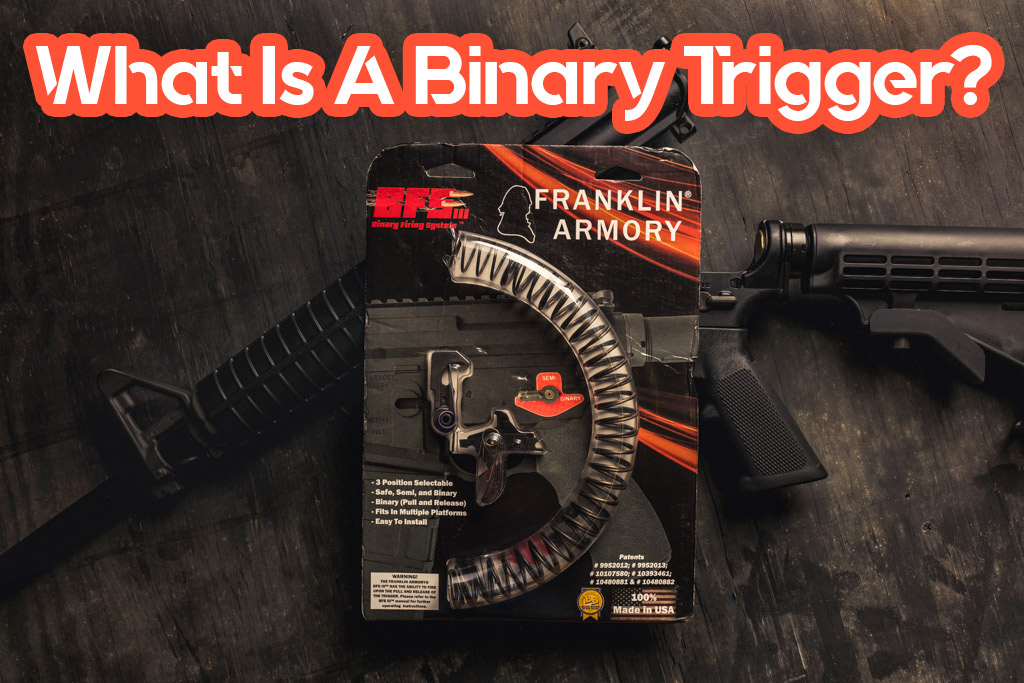
The Core Mechanism: Two Shots, One Pull
At its heart, a binary trigger transforms a standard semi-automatic firearm into a system capable of delivering two distinct rounds with a single, intentional trigger depression. This is achieved through a sophisticated modification of the firearm’s internal mechanics.
How Semi-Automatic Fire Works (The Baseline)
To fully appreciate the binary trigger’s innovation, it’s essential to understand the standard semi-automatic operation. In a typical semi-automatic firearm, pulling the trigger releases the hammer or striker, which ignites the primer of a chambered round. The resulting explosion propels the bullet down the barrel. As the bullet exits, the expanding gases generated by the gunpowder act upon a mechanism (recoil-operated, gas-operated, etc.) that extracts the spent casing, ejects it from the firearm, and loads a fresh round from the magazine into the chamber. The trigger mechanism then resets itself, ready for the next pull. Crucially, this process requires the shooter to release and re-engage the trigger to fire a second shot.
The Binary Trigger’s Innovation: Unlocking a Second Shot
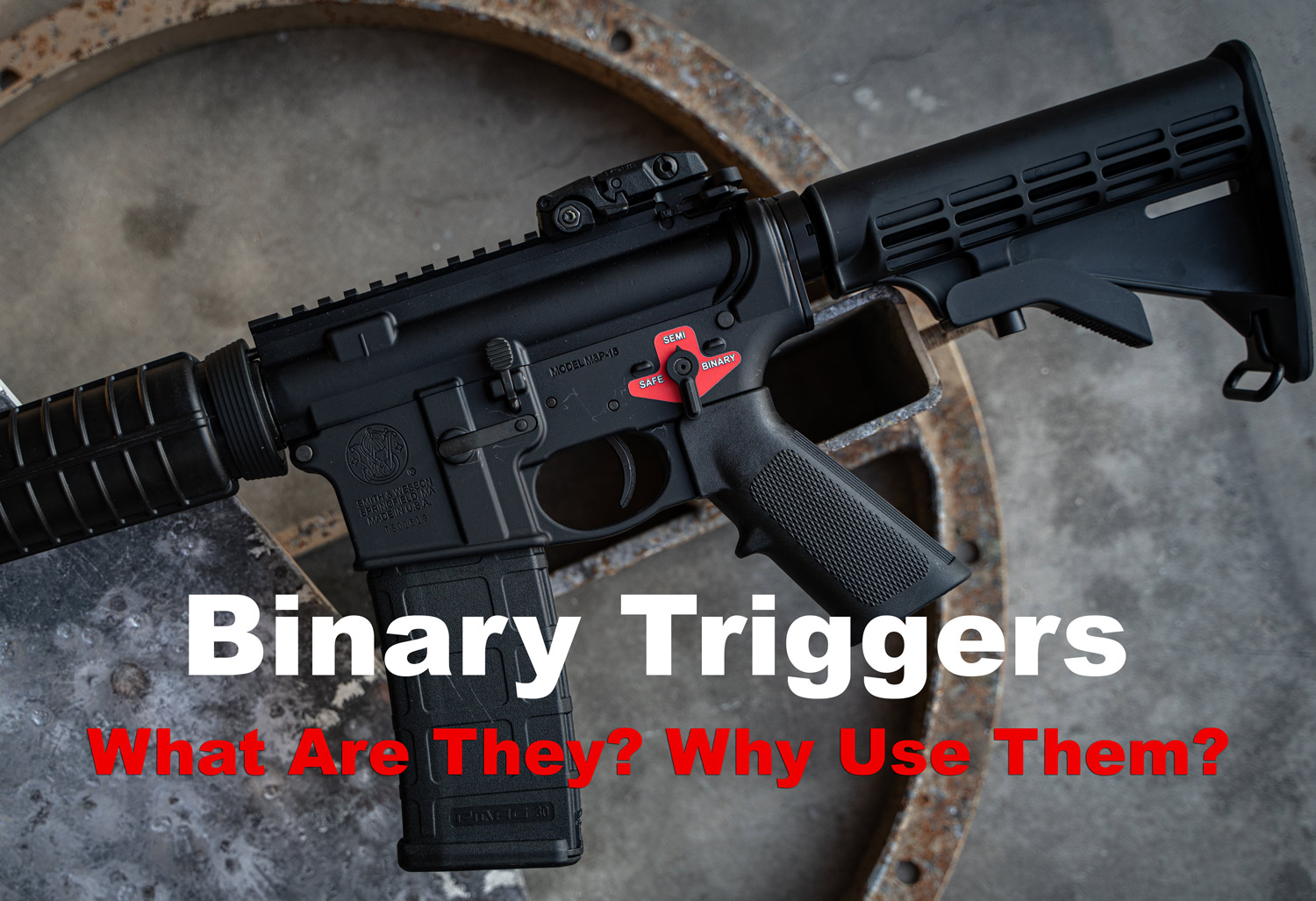
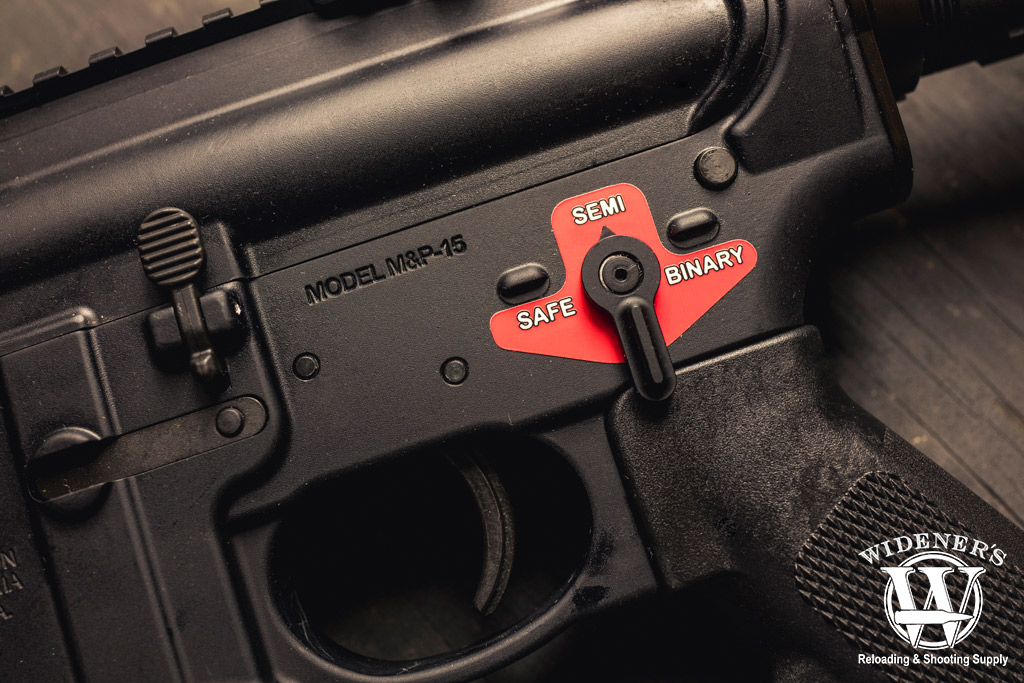
The binary trigger introduces a clever addition to this cycle. It operates on a selectable mode, typically featuring three settings: Safe, Semi-Automatic, and Binary/Rate-Reducing. In Semi-Automatic mode, it functions identically to a standard trigger. However, when set to Binary mode, the magic happens.
Upon the initial pull of the trigger, the firearm fires the first round as it would in semi-automatic mode. The internal mechanism then completes its cycle, ejecting the spent casing and loading a new round. Here’s where the binary trigger deviates: instead of waiting for the trigger to be released, the binary trigger is designed to reset during the forward movement of the bolt. This means that as the shooter continues to hold the trigger down, the mechanism is already prepared to fire the second round as soon as the bolt is fully closed and the hammer is released by the trigger again. When the shooter subsequently releases the trigger, the binary trigger mechanism then deactivates itself and returns the firearm to a safe state or ready for semi-automatic fire. This “release to fire” aspect is critical and distinguishes it from full-automatic fire, where continuous firing occurs as long as the trigger is held. The binary trigger ensures that only two shots are discharged per single pull-and-release cycle.
Key Components and Design Differences
Binary triggers are not simply a replacement part; they are a complex assembly designed to interface with a firearm’s existing action. They often involve modifications to the hammer, trigger, and disconnector components. Some designs utilize a secondary sear that engages the hammer after the initial forward travel of the bolt, ensuring the second shot is fired upon trigger release. The engineering is precise, as it needs to reliably manage the forces and timing of the firearm’s operation without causing malfunctions or compromising safety. The complexity often means that these are aftermarket systems designed for specific firearm platforms, requiring careful installation and often validation by the firearm manufacturer or a qualified gunsmith.
The Impact of Binary Triggers on Firearm Functionality
The introduction of a binary trigger fundamentally alters the experience and capabilities of a semi-automatic firearm, leading to a variety of practical and functional implications.
Enhanced Rate of Fire and Perceived Full Auto
The most obvious impact of a binary trigger is the significant increase in the rate of fire. By enabling two shots with a single trigger manipulation, a skilled shooter can achieve a much higher volume of fire compared to traditional semi-automatic operation. This can create the perception of full-automatic fire, even though the underlying mechanism is different. This enhanced rate of fire can be desirable in certain shooting disciplines or for specific tactical applications where rapid target engagement is paramount.
Recoil Management and Accuracy Considerations
Firing two rounds in rapid succession presents unique challenges and opportunities for recoil management. While a binary trigger significantly increases the speed at which rounds are dispatched, it does not inherently alter the firearm’s recoil characteristics. The shooter must still manage the impulse from each shot. However, the rapid sequence of shots can make it more difficult to maintain a stable sight picture between the first and second rounds. This can, in turn, impact the accuracy of the second shot if the shooter does not have the skill or practice to control the firearm’s movement. Advanced shooters may be able to compensate for this, but for many, precision might be slightly compromised in binary mode compared to careful semi-automatic fire.
Ammunition Consumption and Training Requirements
The increased rate of fire directly translates to a dramatically accelerated consumption of ammunition. Firing two rounds with a single trigger pull means that training with a binary trigger will require significantly more ammunition to achieve proficiency compared to traditional semi-automatic practice. This can have cost implications for shooters. Furthermore, mastering the nuances of binary trigger operation, including recoil control and trigger manipulation for optimal shot placement, requires dedicated practice and specialized training. Understanding when and how to effectively utilize this enhanced rate of fire is crucial to avoid wasting ammunition and to ensure the intended application of the technology.
Legal and Regulatory Landscape of Binary Triggers
The advent of binary triggers has inevitably placed them under scrutiny within the existing legal and regulatory frameworks governing firearms. Their unique functionality has led to differing interpretations and classifications, making it essential for owners and potential buyers to understand the legal implications.
ATF Classification and Legality
In the United States, the Bureau of Alcohol, Tobacco, Firearms and Explosives (ATF) plays a crucial role in determining the legality of firearm components. For a long time, binary triggers have been classified by the ATF as legal under current law for civilian ownership. This classification is largely based on the fact that they are not “machineguns” as defined by the National Firearms Act (NFA). Machine guns are defined as any weapon that shoots, is designed to shoot, or can be readily restored to shoot, automatically more than one shot, without manual reloading, for each single function of the trigger. The key distinction is the “single function of the trigger.” With a binary trigger, one function of the trigger (the pull) results in one shot, and the subsequent function (the release) results in a second shot, effectively making it two functions of the trigger for two shots. This is a critical legal distinction that separates it from fully automatic fire.
State and Local Restrictions
Despite federal legality, the landscape can become more complex at the state and local levels. Some states and municipalities have enacted their own restrictions or outright bans on binary triggers, often due to concerns about their perceived similarity to automatic weapons and the potential for misuse. These regulations can vary significantly, and it is imperative for individuals to research and understand the specific laws in their jurisdiction before purchasing or possessing a binary trigger. Ignorance of local laws can lead to serious legal consequences.
Responsible Ownership and Ethical Considerations
The legal debate surrounding binary triggers often touches upon broader discussions of responsible firearm ownership and the ethical implications of enhanced firing rates. While technically legal in many areas, the decision to adopt such technology often prompts consideration of its intended use. Responsible owners are encouraged to use firearms and their accessories in a manner that prioritizes safety, adherence to the law, and ethical practices. This includes understanding the limitations of their skills, the environment in which they are shooting, and the potential impact of their actions on others. The technology itself is neutral; its application and the responsibility lie with the user.
The Future of Binary Triggers and Firearm Technology
The emergence and growing popularity of binary triggers signal a broader trend in firearm innovation – the continuous pursuit of enhanced performance and user experience. Their development and adoption suggest a future where such mechanisms may become more integrated and refined.
Market Evolution and Innovation
The success of early binary trigger systems has spurred further innovation within the firearms industry. Manufacturers are actively developing new designs, improving reliability, and seeking to make these systems more accessible and user-friendly. We can expect to see advancements in materials, manufacturing techniques, and perhaps even new mechanisms that further refine the binary firing concept. The market is clearly demonstrating a demand for these types of performance enhancements, driving further research and development.
Educational Initiatives and User Training
As binary triggers become more prevalent, there is a growing need for comprehensive educational initiatives and specialized training programs. Understanding the mechanics, legalities, and safe operation of these devices is crucial for responsible ownership. Training can help shooters develop the necessary skills for recoil management, accuracy, and responsible use, ensuring that the technology is employed effectively and safely. This includes not only understanding how to operate the trigger but also when its enhanced rate of fire is appropriate and beneficial.
Broader Implications for Shooting Sports and Defense
The integration of binary triggers has tangible implications for various shooting disciplines. In competitive shooting, where speed and accuracy are paramount, binary triggers can offer a new dimension of performance. In defensive firearms applications, while controversial, the potential for a higher rate of fire in critical situations is a consideration for some users. However, these applications will continue to be debated and refined as the technology matures and its practical implications are further understood and evaluated by the shooting community and regulatory bodies. The ongoing evolution of firearm technology, exemplified by the binary trigger, promises a dynamic future for the industry.
aViewFromTheCave is a participant in the Amazon Services LLC Associates Program, an affiliate advertising program designed to provide a means for sites to earn advertising fees by advertising and linking to Amazon.com. Amazon, the Amazon logo, AmazonSupply, and the AmazonSupply logo are trademarks of Amazon.com, Inc. or its affiliates. As an Amazon Associate we earn affiliate commissions from qualifying purchases.