
The allure of gold has captivated humanity for millennia, a symbol of wealth, beauty, and enduring value. When we encounter jewelry or gold items, the term “14k” frequently appears, often alongside other numbers like “10k,” “18k,” or “24k.” Understanding what these markings signify is crucial for anyone looking to make an informed purchase, assess the value of their possessions, or simply appreciate the nuances of this precious metal. This article delves into the meaning of 14k gold, dissecting its composition, implications for value, and practical considerations for consumers within the Money niche.
The Purity of Gold: Understanding Karats
The term “karat,” often abbreviated as “k” or “kt,” is the standard unit of measurement for gold purity. It’s essential to differentiate this from “carat” (ct), which is used to measure the weight of gemstones. When we talk about gold purity, the system is based on 24 parts, where 24 karats represent pure gold – the most unadulterated form available. Pure gold, often referred to as 24k gold, is incredibly soft and malleable, making it impractical for most jewelry applications due to its susceptibility to damage. It also has a distinct, rich yellow hue.
The Karat Scale Explained
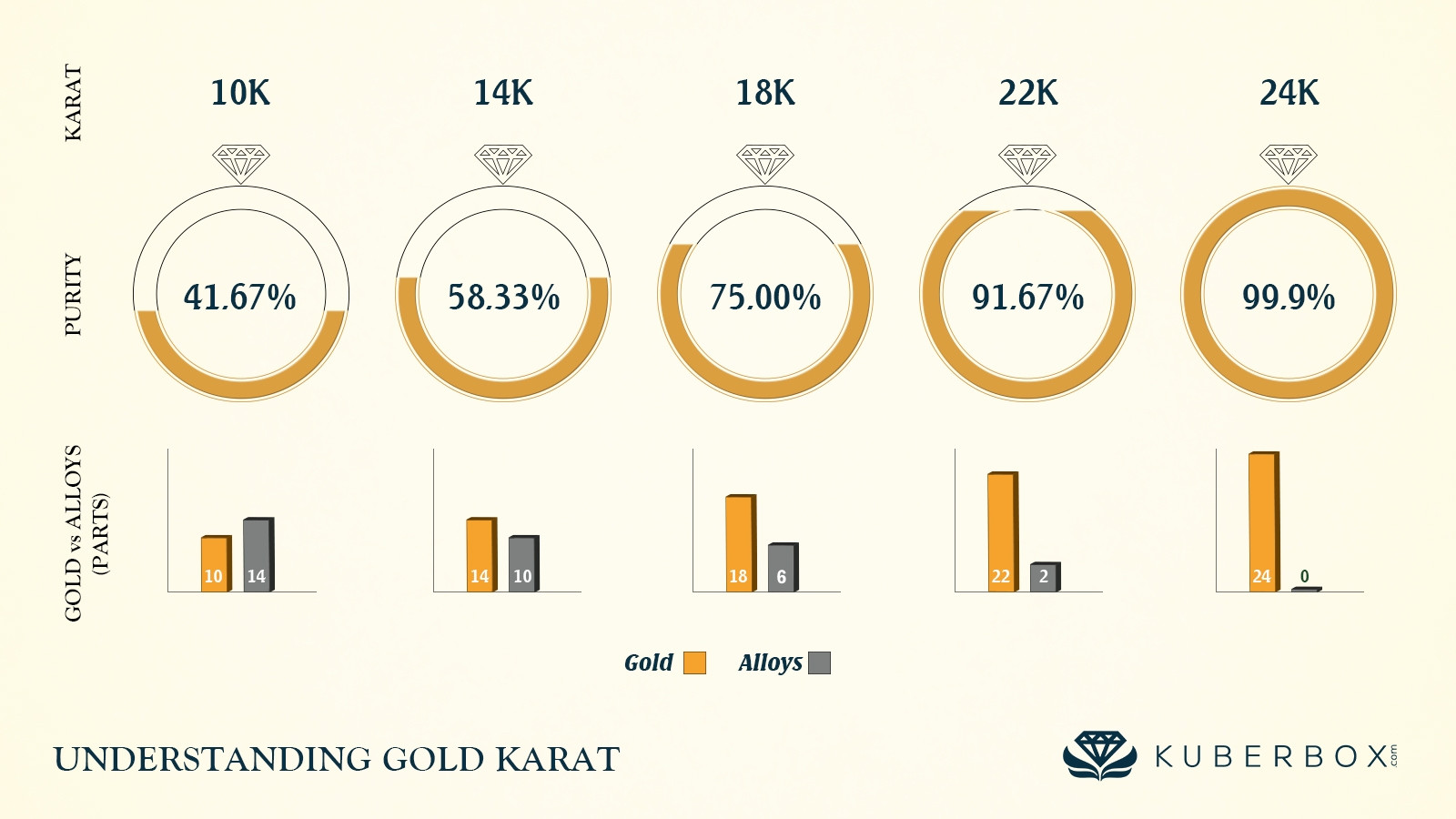
The karat system provides a numerical representation of the proportion of pure gold in an alloy. The scale works as follows:
- 24k Gold: This signifies 24 parts pure gold out of 24 total parts, meaning it is 99.9% pure gold. As mentioned, it’s very soft and rarely used for wearable jewelry without being alloyed.
- 18k Gold: This indicates 18 parts pure gold out of 24 total parts, translating to 75% pure gold. The remaining 25% consists of other metals.
- 14k Gold: This signifies 14 parts pure gold out of 24 total parts, meaning it is approximately 58.3% pure gold. The remaining 41.7% is composed of other metals.
- 10k Gold: This indicates 10 parts pure gold out of 24 total parts, translating to 41.7% pure gold. The remaining 58.3% is made up of other metals.
As you can see, the higher the karat number, the higher the percentage of pure gold in the alloy. This direct correlation between karat and gold content is fundamental to understanding the value and characteristics of gold items.
The Role of Alloying Metals
The reason gold is alloyed with other metals is multifaceted and directly impacts its practical use and affordability. These alloying metals are not impurities; rather, they are intentional additions that serve specific purposes:
- Durability: Pure gold’s extreme softness makes it easily scratched, bent, or deformed. Adding harder metals like copper, zinc, nickel, or silver increases the gold’s resilience, making it suitable for everyday wear. This is a primary reason why 14k gold is a popular choice for engagement rings and other frequently worn jewelry.
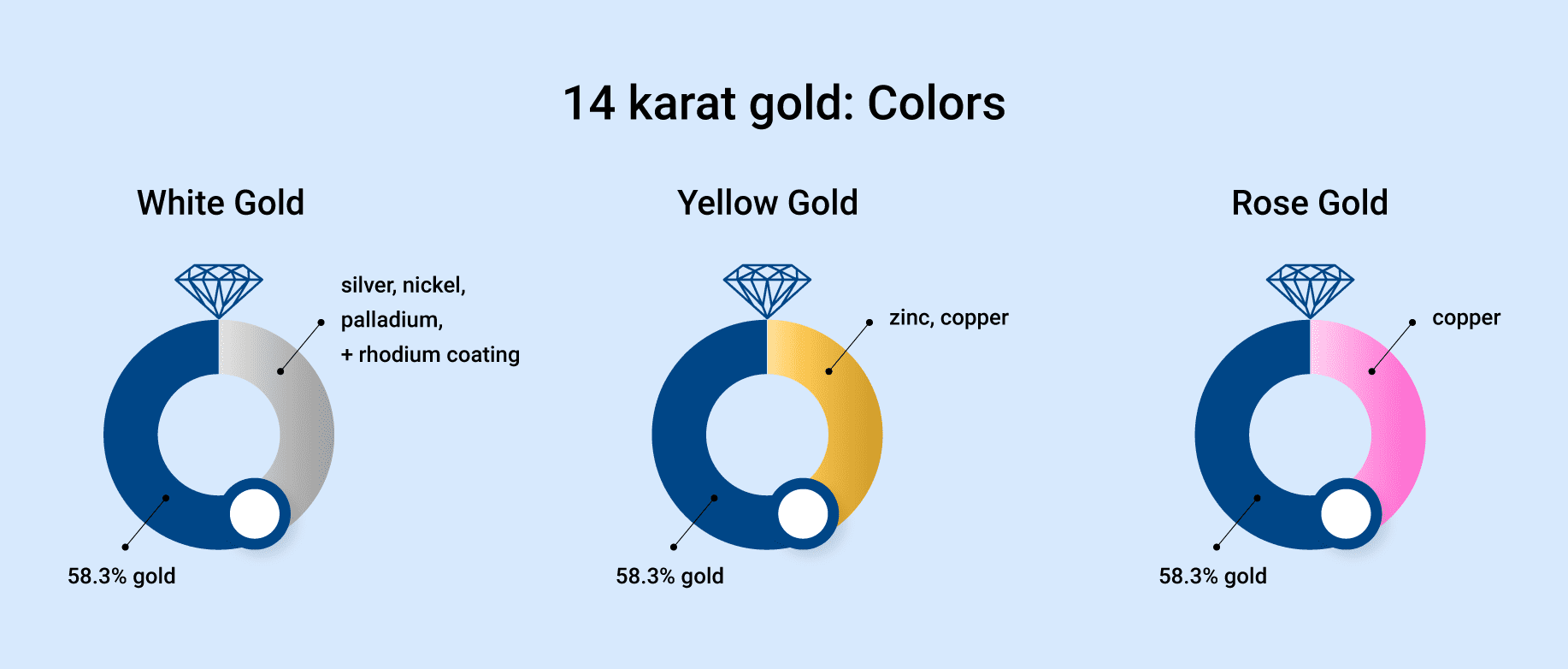
- Color: The natural color of pure gold is a deep, rich yellow. By altering the proportions of alloying metals, jewelers can create a spectrum of gold colors. For instance:
- Yellow Gold: Typically achieved by alloying gold with silver and copper. The exact ratio determines the shade of yellow.
- White Gold: Created by alloying gold with white metals like nickel, palladium, or silver. To achieve a bright white appearance, white gold is usually plated with rhodium, a white metal from the platinum family.
- Rose Gold: Achieved by increasing the copper content in the alloy. The higher the copper percentage, the redder the hue.
- Cost: Pure gold is a valuable commodity. Alloying it with less expensive metals reduces the overall cost of the finished product, making gold jewelry more accessible to a wider range of consumers.
Therefore, when you see “14k gold,” it’s not just a designation of purity but also an indication of a carefully crafted alloy designed to balance beauty, durability, and cost-effectiveness.
The Financial Implications of 14k Gold
From an investment and consumer perspective, the meaning of 14k gold is intrinsically linked to its financial value. Understanding its composition directly informs its worth in the market.
Value as a Precious Metal
The primary driver of gold’s value is its intrinsic worth as a precious metal. This value is influenced by global supply and demand, economic stability, inflation, and geopolitical events. While pure gold (24k) commands the highest price per ounce due to its purity, the value of 14k gold is calculated based on its gold content.
- Spot Price: The global spot price of gold is the current market price for immediate delivery. This price fluctuates constantly. When evaluating the value of 14k gold, you’ll refer to the spot price of pure gold and then apply the percentage of pure gold present in the 14k alloy.
- Calculating Intrinsic Value: For example, if the spot price of pure gold is $2,000 per ounce, an ounce of 14k gold (which is 58.3% pure gold) would have an intrinsic gold value of approximately $2,000 x 0.583 = $1,166. This calculation is a simplification, as the market price will also factor in craftsmanship, branding, and the presence of any gemstones.
Market Pricing and Consumer Costs
When purchasing gold jewelry, the price you pay is not solely based on the melt value of the gold content. Several factors contribute to the final retail price:
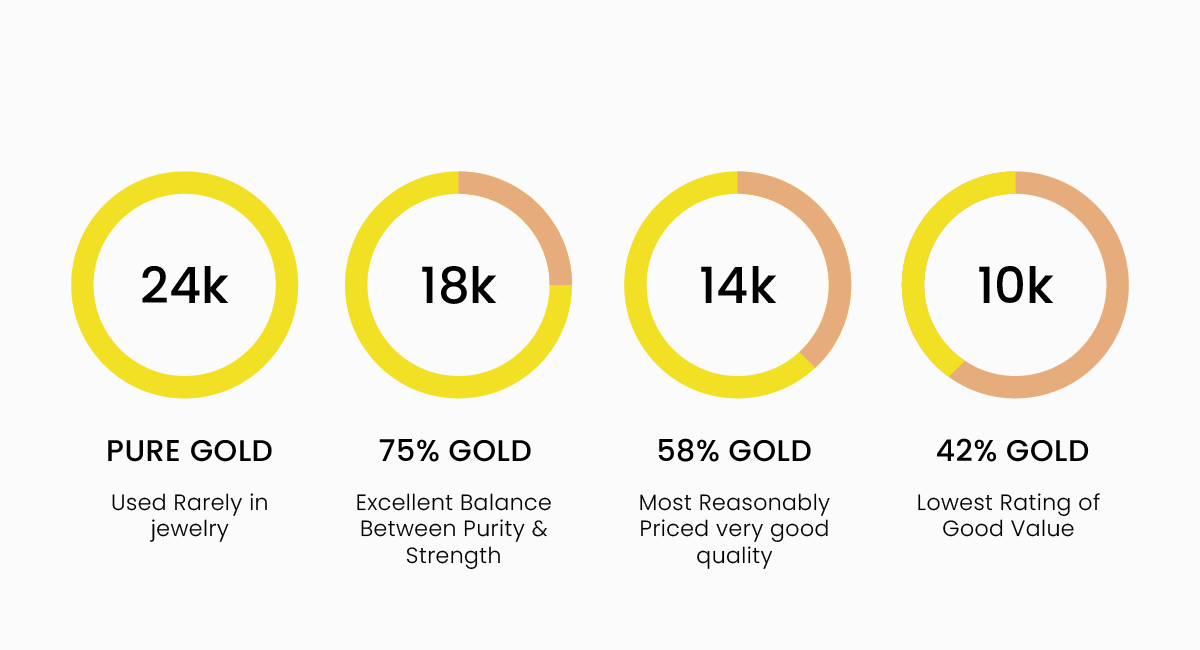
- Purity: As established, 14k gold is less expensive than 18k or 24k gold due to its lower gold content. This makes it a more accessible entry point for consumers looking for genuine gold pieces.
- Craftsmanship and Design: The intricacy of the design, the skill of the artisan, and the complexity of the manufacturing process all add to the cost. A handcrafted, elaborate 14k gold necklace will be significantly more expensive than a simple stamped 14k gold bracelet.
- Gemstones: If the gold item includes diamonds or other gemstones, their quality, size, and cut will heavily influence the overall price.
- Brand Markup: Reputable jewelry brands often command a premium due to their reputation, marketing, and perceived quality. This brand markup is a standard component of retail pricing in the luxury goods market.
- Retailer Markup: Jewelry stores also need to cover their operational costs, including rent, staff salaries, and inventory. Their markup is essential for profitability.
Therefore, while understanding the gold content of 14k is crucial for assessing its intrinsic worth, the retail price will always be higher due to these additional value-adding factors.
Practical Considerations for Consumers
Navigating the world of gold jewelry can be daunting. Understanding what 14k gold means empowers consumers to make informed decisions, avoid costly mistakes, and appreciate the value of their purchases.
Identifying and Verifying 14k Gold
Authentic gold jewelry is typically stamped with a hallmark that indicates its purity. For 14k gold, you will commonly find markings such as:
- 14K
- 14kt
- 585 (This marking, often found on European jewelry, signifies 58.5% pure gold, which is the industry standard for 14k. It’s a more precise measurement.)
These hallmarks are usually found on the clasp of necklaces and bracelets, the inside band of rings, or the back of earrings.
- The Importance of Hallmarks: These official stamps are a legal requirement in many countries and guarantee the stated purity of the metal. Reputable jewelers will always ensure their gold pieces are properly hallmarked.
- What if there’s no hallmark? While some very old or custom-made pieces might lack a traditional hallmark, it’s a red flag for modern, commercially produced items. Always inquire about the purity and seek verification from a trusted jeweler.
14k Gold vs. Other Karats: Making the Right Choice
The decision between 14k gold and other karats depends on individual priorities and budget.
- For Everyday Wear and Durability: 14k gold is an excellent choice. Its increased hardness makes it more resistant to scratches and dents compared to 18k or 24k gold. This makes it ideal for wedding bands, engagement rings, and other items that will be worn regularly.
- For Richer Color and Higher Gold Content: If you prefer a deeper yellow hue or desire more pure gold in your jewelry, 18k gold (75% pure gold) is a step up. However, it will be softer and typically more expensive.
- For Maximum Purity (and Value): 24k gold is for those who prioritize the highest possible gold content, often for investment purposes or in specific cultural jewelry where softness is not a concern. It’s rarely used for everyday jewelry due to its extreme malleability.
- For Budget-Conscious Buyers: 10k gold (41.7% pure gold) is the most affordable option for genuine gold jewelry. While it offers good durability, its lower gold content means it has less intrinsic value compared to higher karats.
When purchasing, consider how the item will be used, your budget, and your aesthetic preferences. A knowledgeable jeweler can help you weigh the pros and cons of each karat.
The Resale Value of 14k Gold
The resale value of gold items is primarily determined by their gold content and the current market price of gold.
- Melt Value: When selling gold jewelry, especially if it’s damaged or no longer desired, a buyer will typically offer a price based on the gold’s melt value – essentially, its weight multiplied by the current market price for that karat of gold.
- Factors Affecting Resale:
- Weight: The heavier the item, the more gold it contains, and the higher its potential resale value.
- Purity: As discussed, 14k gold will yield less than 18k or 24k gold when melted down.
- Current Gold Prices: Fluctuations in the global gold market significantly impact resale offers.
- Gemstones: If the item contains valuable gemstones, their value may be assessed separately, but often the melt value of the gold is the primary factor in quick sales.
- Designer Pieces: While less common for quick sales, exceptionally rare or historically significant designer pieces might retain some value beyond their melt, but this is not the norm for most 14k gold jewelry.
In conclusion, understanding what 14k gold means is a vital piece of financial literacy for anyone engaging with the precious metals market. It’s a designation that signifies a balance of purity, durability, and affordability, making it a cornerstone of the modern jewelry industry and a practical choice for consumers seeking genuine gold. By knowing its composition, hallmarks, and how its value is assessed, you can approach purchases and appraisals with confidence and clarity.
aViewFromTheCave is a participant in the Amazon Services LLC Associates Program, an affiliate advertising program designed to provide a means for sites to earn advertising fees by advertising and linking to Amazon.com. Amazon, the Amazon logo, AmazonSupply, and the AmazonSupply logo are trademarks of Amazon.com, Inc. or its affiliates. As an Amazon Associate we earn affiliate commissions from qualifying purchases.