
In an increasingly interconnected world, where our lives are inextricably linked with digital platforms, the concepts of privacy and a code of conduct have transcended mere philosophical discussions to become fundamental pillars of our personal, professional, and commercial interactions. As technology continues its relentless march forward, driven by advancements in AI, software, and ubiquitous apps, the digital footprint we leave behind grows larger and more complex. Simultaneously, the success of brands, whether personal or corporate, hinges on reputation and trust, while financial well-being, from personal investments to global markets, is increasingly impacted by ethical practices and data security. Understanding privacy means grasping the control we have over our personal information and how it’s used; understanding a code of conduct means internalizing the ethical framework that guides our actions and decisions within any given context. This article will delve into these critical concepts, exploring their nuances, interdependencies, and profound impact across technology, branding, and finance, reflecting the core interests of this website.

The Evolving Landscape of Privacy in the Digital Age
Privacy, in its simplest form, is the right to be left alone, to control who has access to our information and under what conditions. However, in the digital age, this definition has expanded dramatically, now encompassing a complex interplay of personal data, digital security, and the expectations we have of corporations and governments. The sheer volume of data generated by every click, purchase, and interaction makes privacy a constant challenge and a paramount concern.
Defining Privacy in a Connected World
Traditional notions of privacy often centered on physical spaces and tangible items. Today, privacy extends deeply into the digital realm, covering everything from our browsing history and social media interactions to biometric data collected by our devices and health information shared with apps. It’s about personal autonomy – the ability to make independent decisions about what information about ourselves we choose to share, with whom, and for what purpose. With the rise of advanced technologies, especially AI tools and sophisticated software, the lines often blur. These technologies, while offering unparalleled convenience and insight, are inherently data-hungry. Every app on our phone, every smart gadget in our home, every website we visit collects some form of data, from our location and preferences to our deepest searches and financial details. For users, understanding privacy means recognizing this pervasive data collection and demanding transparency and control. For tech companies, it means designing systems with privacy by design, ensuring that user data is protected by default and by choice.
Digital Security and the Imperative for Protection
At the heart of digital privacy lies digital security. Without robust security measures, any promise of privacy becomes hollow. The digital landscape is rife with threats: data breaches, cyberattacks, phishing scams, and sophisticated malware continually threaten the integrity of our personal information. These threats can originate from malicious actors seeking financial gain, state-sponsored entities engaged in surveillance, or even unintentional vulnerabilities in software and systems. The consequences of compromised privacy can range from identity theft and financial fraud to reputational damage and the erosion of trust.
From a Tech perspective, digital security involves a multi-layered approach. This includes advanced encryption protocols to scramble data, secure software development practices that minimize vulnerabilities, strong authentication methods like multi-factor authentication, and continuous monitoring for suspicious activities. For individuals, effective digital security means using strong, unique passwords, regularly updating software, understanding the permissions granted to apps, and being vigilant against social engineering tactics. For organizations, it means investing heavily in cybersecurity infrastructure, conducting regular audits, and training employees on best practices. Digital security is not merely a technical challenge; it’s a constant, evolving commitment that directly underpins our ability to maintain privacy in a world increasingly reliant on technology.
Privacy as a Brand Imperative and Financial Asset
Beyond individual concerns, privacy has emerged as a critical factor for both Brand reputation and Money management. For brands, how they handle customer data can be a decisive differentiator. Companies that are perceived as careless with user privacy face significant backlash, brand damage, and a loss of customer trust. We’ve seen numerous case studies where major corporations have suffered immensely due to data breaches or questionable data practices, leading to boycotts, regulatory fines, and a lasting stain on their public image. Conversely, brands that prioritize and transparently communicate their commitment to privacy can build a powerful competitive advantage, fostering deeper loyalty and attracting customers who value security. Personal branding, too, is affected; individuals seeking to build their reputation online must carefully curate their digital presence and manage their privacy settings to project an image of trustworthiness and professionalism.
Financially, the implications of privacy are equally profound. For businesses, a data breach can result in staggering costs: regulatory fines (like those under GDPR or CCPA), legal fees from class-action lawsuits, credit monitoring services for affected users, and significant operational expenses to remediate the breach and restore systems. Beyond these direct costs, there’s the long-term financial impact of lost sales and decreased market valuation due to reputational damage. For individuals, compromised privacy can lead to direct financial losses through fraud, identity theft impacting credit scores, and the time and effort required to recover. Moreover, our personal data itself has significant financial value in the digital economy, fueling targeted advertising and various data-driven services. Protecting this data is not just about personal control; it’s about safeguarding a valuable asset. The rise of online income streams and side hustles also brings new privacy considerations, as individuals must secure their financial tools and client data to maintain their income and reputation.
Upholding Integrity: The Role of a Code of Conduct
If privacy defines what we control about ourselves, a code of conduct defines how we ought to behave, both individually and collectively. It’s a set of principles designed to guide ethical decision-making and foster a culture of integrity, respect, and responsibility. In an age where digital interactions often lack the nuance of face-to-face communication, and where technology presents novel ethical dilemmas, a clear code of conduct becomes indispensable.
Foundational Principles of a Code of Conduct
A code of conduct typically articulates an organization’s or a profession’s core values and sets expectations for behavior. Common principles include honesty, integrity, fairness, transparency, accountability, and respect for others. These principles are not static; they evolve with societal norms and technological advancements. For an individual, a personal code of conduct might encompass how they interact online, what information they share, and how they treat others in digital spaces. For corporations, it defines standards for employees, interactions with customers, suppliers, and competitors, and adherence to laws and regulations. The purpose is to create a consistent ethical framework that promotes trust and prevents actions that could harm individuals, the organization, or society at large. Without a guiding code, decisions can become arbitrary, driven by short-term gain rather than long-term values, leading to systemic problems.
Codes of Conduct in the Tech Ecosystem

The Tech sector, with its rapid innovation and pervasive influence, has a unique responsibility to establish and adhere to robust codes of conduct. The very nature of developing software, AI tools, and digital platforms involves making choices that have profound ethical implications. For instance, the code of conduct for AI developers must address issues like algorithmic bias, ensuring fairness and preventing discrimination in decision-making systems. It must promote transparency, allowing users to understand how AI-powered tools arrive at their conclusions, and accountability, establishing who is responsible when things go wrong.
In software development, ethical conduct dictates responsible coding practices, prioritizing user security and privacy by design, and ensuring that software is robust, reliable, and free from malicious backdoors. Digital content creators, too, operate under an implied or explicit code of conduct, which includes respecting intellectual property, avoiding plagiarism, combating misinformation, and responsibly utilizing AI tools for content generation without misrepresentation. Within tech workplaces, a code of conduct fosters an inclusive environment, encourages collaboration, and addresses issues like harassment, discrimination, and data handling protocols. As technology permeates every aspect of life, the ethical compass of those who build and wield it becomes crucial for the well-being of society.
Brand Reputation and Financial Trust through Ethical Conduct
The impact of a strong code of conduct on Brand reputation and Money matters is undeniable. For brands, ethical conduct isn’t just about avoiding legal trouble; it’s about building a positive public image and fostering deep connections with stakeholders. A company known for its integrity, fairness, and responsible practices attracts talent, earns customer loyalty, and builds a resilient reputation that can withstand market fluctuations and even minor missteps. Conversely, a brand that consistently deviates from ethical norms risks “techlash,” public outcry, boycotts, and severe damage to its standing. From a personal branding perspective, adhering to ethical standards in one’s online presence and professional interactions is crucial for career progression and building a trustworthy network.
Financially, ethical conduct is intrinsically linked to long-term success and stability. In the realm of Money, adherence to a code of conduct builds financial trust. For instance, financial advisors are bound by strict ethical guidelines to act in the best interest of their clients, preventing conflicts of interest and promoting transparent dealings. Businesses with strong ethical frameworks are often seen as less risky by investors, potentially leading to higher valuations and easier access to capital. Compliance with financial regulations, which are essentially codes of conduct enshrined in law, is paramount to avoid hefty fines and legal battles that can cripple a company. For those engaged in online income generation or side hustles, ethical practices in marketing, product delivery, and customer service are vital for sustainable growth and a positive reputation that translates into recurring revenue. Ethical investment, a growing trend, also demonstrates how financial decisions are increasingly guided by a desire to support companies that align with strong codes of conduct regarding social and environmental responsibility.
The Symbiotic Relationship: Privacy, Conduct, and Sustainable Success
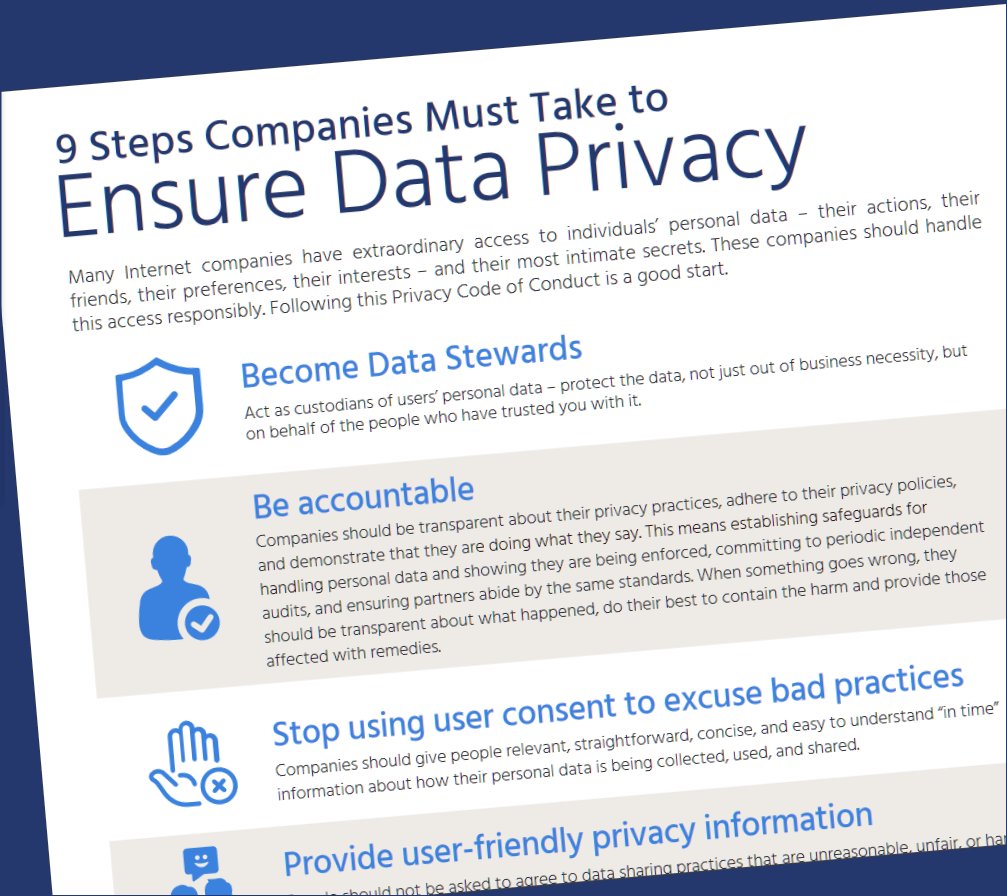
Privacy and a code of conduct are not isolated concepts; they are deeply intertwined, each reinforcing the importance of the other. A robust code of conduct often includes explicit stipulations regarding data privacy, while a strong commitment to privacy inherently reflects ethical principles like respect and responsibility. Together, they form a formidable framework for navigating the complexities of the digital age, fostering trust, and ensuring sustainable success for individuals and organizations alike.
Navigating the Intersections
The intersection of privacy and a code of conduct is where true integrity emerges. Consider a technology company that collects vast amounts of user data. Its code of conduct should mandate not only compliance with data protection laws but also ethical considerations like data minimization (collecting only what’s necessary), transparent communication about data usage, and robust security measures to protect that data. Without an ethical code, a company might legally collect data but use it in ways that are opaque or exploitative, eroding user trust and violating their privacy expectations. Conversely, a strong privacy policy, designed with user interests at heart, is a clear manifestation of an ethical code that values respect for the individual.
This symbiotic relationship extends to all areas. In personal finance, a code of conduct for managing personal data on financial apps or investment platforms directly influences how securely and privately one’s money information is handled. In brand marketing, ethical guidelines for targeted advertising must respect user privacy preferences, avoiding intrusive or manipulative practices. The best practices in both areas are often those that see privacy not as a burden but as an ethical responsibility.
Building Trust in a Transparent World
In today’s transparent world, where information spreads instantly and reputations can be made or broken in a single news cycle, building trust is paramount. Both robust privacy practices and adherence to a strong code of conduct are critical for cultivating this trust. Consumers and employees alike expect transparency – not just in what data is collected, but why and how it’s used, and the underlying ethical principles that guide these decisions. Regulatory frameworks like GDPR and CCPA are testament to this growing demand, codifying the right to privacy and holding organizations accountable for their data practices.
For a Brand, establishing itself as a trusted entity means going beyond mere compliance. It involves proactive communication about data security measures, clear and understandable privacy policies, and a visible commitment to ethical operations across the board. This builds brand equity and resonance, attracting customers who seek out ethical businesses. Financially, trust translates into tangible benefits: investor confidence in companies with good governance and ethical standing, stability in financial markets, and strong customer relationships that drive long-term revenue. Without trust, transactions become riskier, relationships fray, and sustainable financial growth becomes elusive.
Personal Responsibility and Future Implications
Ultimately, understanding privacy and a code of conduct is not just about institutional policies; it’s also about individual responsibility. As digital citizens, we each have a role to play in safeguarding our own privacy by being vigilant about the information we share, utilizing security tools, and understanding privacy settings. Similarly, upholding a personal code of conduct in our online interactions – practicing civility, fact-checking information, and respecting others’ digital boundaries – contributes to a healthier, more ethical digital ecosystem.
Looking ahead, as technology continues to evolve with even more sophisticated AI, immersive virtual environments, and decentralized finance, the ethical challenges and privacy concerns will only intensify. The principles of a strong code of conduct and robust privacy frameworks will need to adapt and expand. Continuous learning, critical thinking, and a commitment to ethical design and behavior will be essential for navigating this future. Our collective ability to balance innovation with ethical responsibility, and convenience with privacy, will determine the kind of digital world we build for ourselves and for generations to come.
In conclusion, privacy and a code of conduct are far more than abstract concepts or regulatory requirements. They are the twin pillars supporting individual well-being, brand integrity, and financial stability in the digital age. From the cutting edge of Tech development to the intricacies of Brand management and the bedrock of Money matters, a deep understanding and unwavering commitment to both privacy and ethical conduct are essential for navigating the present and shaping a trustworthy and prosperous future.
aViewFromTheCave is a participant in the Amazon Services LLC Associates Program, an affiliate advertising program designed to provide a means for sites to earn advertising fees by advertising and linking to Amazon.com. Amazon, the Amazon logo, AmazonSupply, and the AmazonSupply logo are trademarks of Amazon.com, Inc. or its affiliates. As an Amazon Associate we earn affiliate commissions from qualifying purchases.