
In an era of hyper-connectivity, the marketplace is no longer just a space for transactions; it is a sprawling, never-ending conversation. Every social media post, every product description, and every customer service interaction is an answer to the fundamental question: What do you say? For a brand, the answer to this question defines its identity, dictates its market share, and ultimately determines its longevity.
“What do you say” is not merely about the literal words chosen. It is about the strategic framework of verbal identity. It is the bridge between a company’s internal values and the consumer’s perception. When a brand speaks, it isn’t just transmitting information; it is signaling its personality, its promise, and its place in the culture. Developing a cohesive brand voice is one of the most challenging yet rewarding aspects of brand strategy.

The Foundations of Verbal Identity: The “What” and the “Why”
Before a brand can determine how to speak, it must understand why it is speaking. Verbal identity is the linguistic expression of a brand’s core. Without a solid foundation, messaging becomes fragmented, confusing the audience and diluting the brand’s power.
Defining Your Core Values as the Source of Speech
Every word a brand utters should be an extension of its core values. If a brand values innovation, its language should be forward-thinking, perhaps utilizing punchy, assertive syntax. If a brand values heritage and reliability, its language should be more measured, evocative, and timeless. To define what you say, you must first audit what you stand for. This involves stripping away the corporate jargon to find the “authentic truth” of the organization. When the message aligns with the mission, the brand achieves a level of “radical clarity” that resonates with consumers who share those same values.
Identifying the Target Audience Persona
Communication is a two-way street. What you say is entirely dependent on who is listening. A luxury watchmaker does not speak the same way as a high-growth tech startup, even if they are both selling “efficiency.” Identifying the audience persona involves deep psychological profiling. Are they looking for security? Are they looking for status? Are they looking for a sense of belonging? By mapping out the lexicon of the target audience—the words they use, the slang they adopt, and the pain points they express—a brand can mirror that language, creating an immediate sense of familiarity and trust.
The Power of Consistency: Creating a Recognizable Echo
In branding, repetition is not a lack of creativity; it is a reinforcement of identity. The title “what do you say what do you say” evokes the idea of an echo—a recurring sentiment that sticks in the mind. Consistency in verbal identity ensures that no matter where a customer encounters your brand, they recognize the “person” behind the logo.
Establishing Tone and Style Guidelines
A brand voice is a permanent personality, while the tone is the emotional inflection applied to that voice depending on the context. For instance, a brand’s voice might be “Knowledgeable and Empathetic.” In a blog post, the tone might be educational. In a social media comment, the tone might be playful. To maintain this, companies must develop comprehensive Style Guides. These documents go beyond grammar; they dictate whether the brand uses contractions (informality), how it handles humor, and which specific words are “on-brand” or “off-brand.” This prevents the brand from sounding like a collection of different copywriters and ensures it sounds like a single, unified entity.
Aligning the Verbal with the Visual
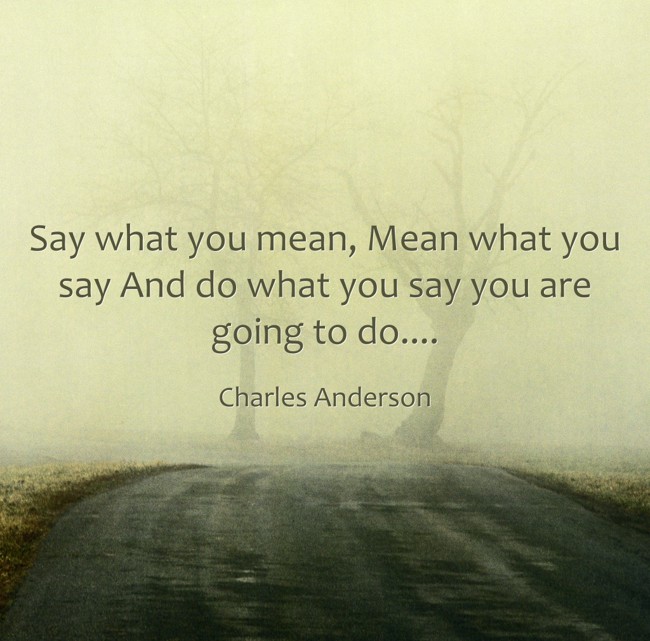
A common pitfall in brand strategy is the “identity mismatch”—where a brand looks like one thing but sounds like another. If a brand uses minimalist, high-end aesthetic design but speaks in loud, aggressive “As Seen On TV” sales copy, the consumer experiences cognitive dissonance. The verbal identity must act as the soundtrack to the visual film. When the “what you say” matches the “what they see,” the brand’s perceived value increases. This alignment builds a cohesive “world” for the consumer to inhabit, making the brand feel more like an experience than a product.
Strategic Storytelling: Moving Beyond Features to Feelings
People do not buy products; they buy better versions of themselves. Therefore, what you say should rarely be about the technical specifications of what you are selling. Instead, it should be about the narrative of transformation.
The Hero’s Journey in Brand Strategy
In the story of your brand, the brand is not the hero—the customer is. The brand’s role is that of the “Guide” (the Gandalf or the Obi-Wan Kenobi). Your messaging should frame the customer’s problem as a challenge they are destined to overcome, with your brand providing the “magic tool” to achieve victory. By using storytelling frameworks, brands can move away from “What we do” and toward “What you can become.” This shift in focus creates a powerful emotional hook that logic-based marketing simply cannot replicate.
Building Emotional Resonance through Narrative
Psychological studies show that people remember stories far better than they remember facts. When deciding what to say, look for the human elements. Share the “origin story” of why the company was founded. Highlight customer success stories that focus on the emotional relief of solving a problem. Narrative-driven branding creates an “emotional moat” around a company. Competitors can copy your features and your pricing, but they cannot copy the specific story you have told and the emotional connection you have forged with your community.
Navigating the Digital Dialogue: Communication in Real-Time
In the modern landscape, what a brand says is often dictated by the platform it inhabits. The “what do you say” question becomes even more pressing in the age of social media, where the speed of communication is near-instantaneous.
Social Media and the Art of Conversationalism
Social media has killed the “corporate monologue.” Today, brands must participate in a dialogue. This requires a shift from “broadcasting” to “engaging.” On platforms like X (formerly Twitter) or TikTok, what you say must be culturally relevant and platform-appropriate. Brands that master this understand the nuances of digital subcultures. They know when to use a meme and when to remain serious. This “active listening” allows a brand to stay relevant, showing the audience that the brand is not a static entity, but a living, breathing participant in the zeitgeist.
Crisis Communication: What to Say When Things Go Wrong
The true test of a brand’s verbal strategy occurs during a crisis. When a mistake is made, “what you say” can either save the brand or destroy it. The most successful brands employ radical transparency and immediate accountability. Defensive or corporate-speak often exacerbates the problem. A professional, human, and sincere apology—followed by a clear plan for rectification—reinforces brand trust. In these moments, the brand’s voice must pivot from marketing to service, proving that the values established in the “Foundations” section are genuine and not just marketing fluff.

Conclusion: The Final Word on Brand Voice
Ultimately, the question “What do you say?” is the heartbeat of brand strategy. It is an ongoing commitment to clarity, consistency, and connection. A brand that knows what to say—and how to say it—does not need to shout to be heard. It speaks with a quiet authority that cuts through the noise of a crowded market.
By treating verbal identity as a core business asset rather than an afterthought, organizations can build deep, lasting relationships with their audience. Whether through a 150-character post or a 50-page annual report, the essence of the brand must remain unmistakable. When you master your message, you don’t just win customers; you build a legacy. So, the next time you sit down to write for your brand, ask yourself: What do you say, and does it truly reflect who you are?
aViewFromTheCave is a participant in the Amazon Services LLC Associates Program, an affiliate advertising program designed to provide a means for sites to earn advertising fees by advertising and linking to Amazon.com. Amazon, the Amazon logo, AmazonSupply, and the AmazonSupply logo are trademarks of Amazon.com, Inc. or its affiliates. As an Amazon Associate we earn affiliate commissions from qualifying purchases.