
The journey of weight loss is often celebrated with a renewed sense of health and accomplishment. As pounds shed and fitness goals are met, many individuals experience a range of physical transformations. While the positive impacts on overall well-being are undeniable, one common and often unexpected side effect can emerge: stretch marks. For those embarking on a significant weight loss journey, understanding what these marks look like, why they appear, and how to manage them can be a crucial part of navigating this process with confidence and informed expectations.
Understanding the Genesis of Stretch Marks
Stretch marks, medically known as striae distensae, are a form of scarring that occurs in the dermis, the middle layer of skin. They develop when the skin is stretched or shrunk rapidly. This rapid change causes the collagen and elastin, proteins that keep skin firm and elastic, to tear. As the skin heals, these tears become visible as stretch marks.
The primary culprits behind this rapid stretching or shrinking are typically:
- Rapid Weight Gain: This is perhaps the most common cause. When fat is deposited quickly, the skin is forced to expand. This is why they are frequently seen during puberty, pregnancy (where they are known as striae gravidarum), and periods of significant weight gain.
- Rapid Weight Loss: Conversely, when significant weight is lost, the skin that was previously stretched begins to shrink. If the skin has lost a considerable amount of its elasticity due to prolonged stretching, it may not fully retract. The underlying dermal tears then become apparent as the skin settles.
- Growth Spurts: During adolescence, rapid growth can lead to the same stretching and tearing of the dermis.
- Hormonal Changes: Fluctuations in hormones, particularly cortisol (which can weaken elastic fibers in the skin), can also play a role in the development of stretch marks. Conditions like Cushing’s syndrome, which involve excess cortisol, are known to cause them.
Visualizing Weight Loss Stretch Marks: A Spectrum of Appearance
The appearance of stretch marks can vary significantly from person to person and even on different parts of the same body. However, when they emerge as a result of weight loss, they often exhibit distinct characteristics.
Early Stage: The Reddish-Purple Hue
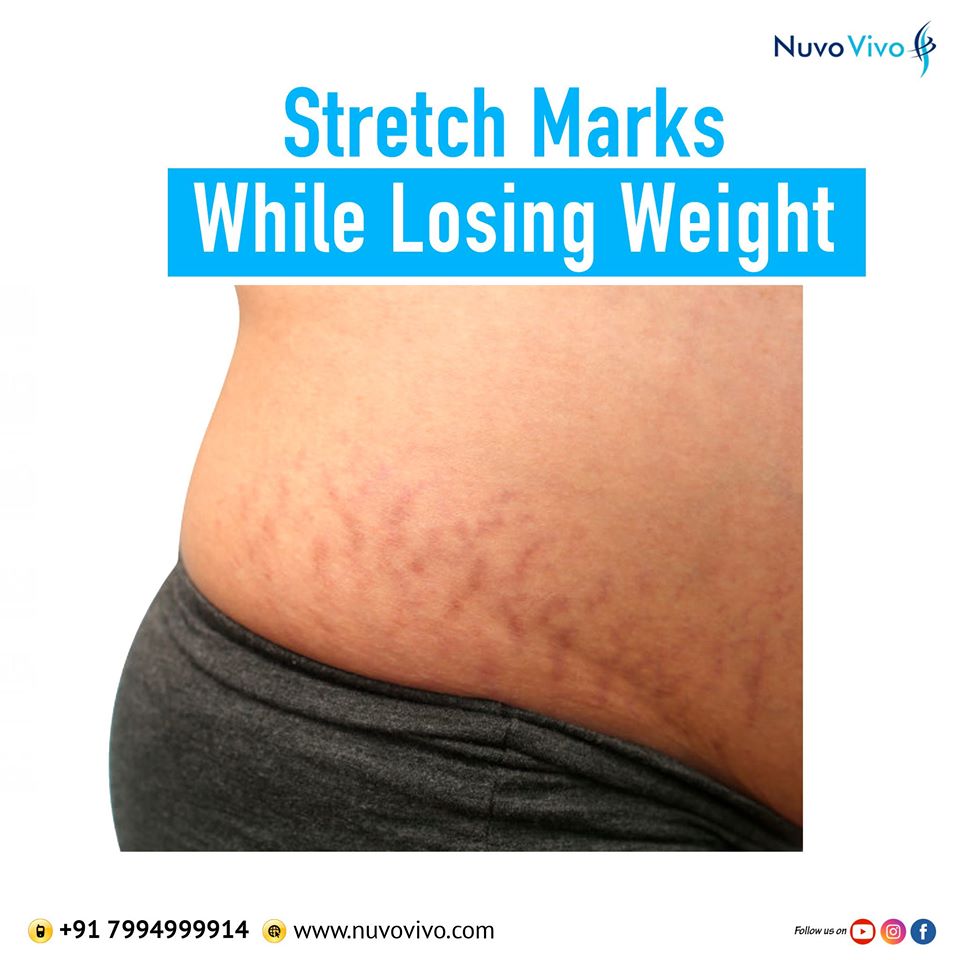
In their nascent stages, stretch marks associated with weight loss are typically reddish, pink, purple, or even dark brown, depending on an individual’s skin tone. This vibrant coloration is due to the underlying blood vessels that are visible through the thin, torn dermal layer. At this point, they might also feel slightly raised or itchy.
- On Lighter Skin Tones: You might observe pink or reddish lines.
- On Medium Skin Tones: These can appear as reddish-purple or darker pink lines.
- On Darker Skin Tones: The marks may present as dark purple, dark brown, or even almost black.
It’s important to note that the initial color is a good indicator of how treatable the stretch marks might be. The sooner they are addressed, the better the potential for improvement.
Later Stage: The Faded, Scar-Like Appearance
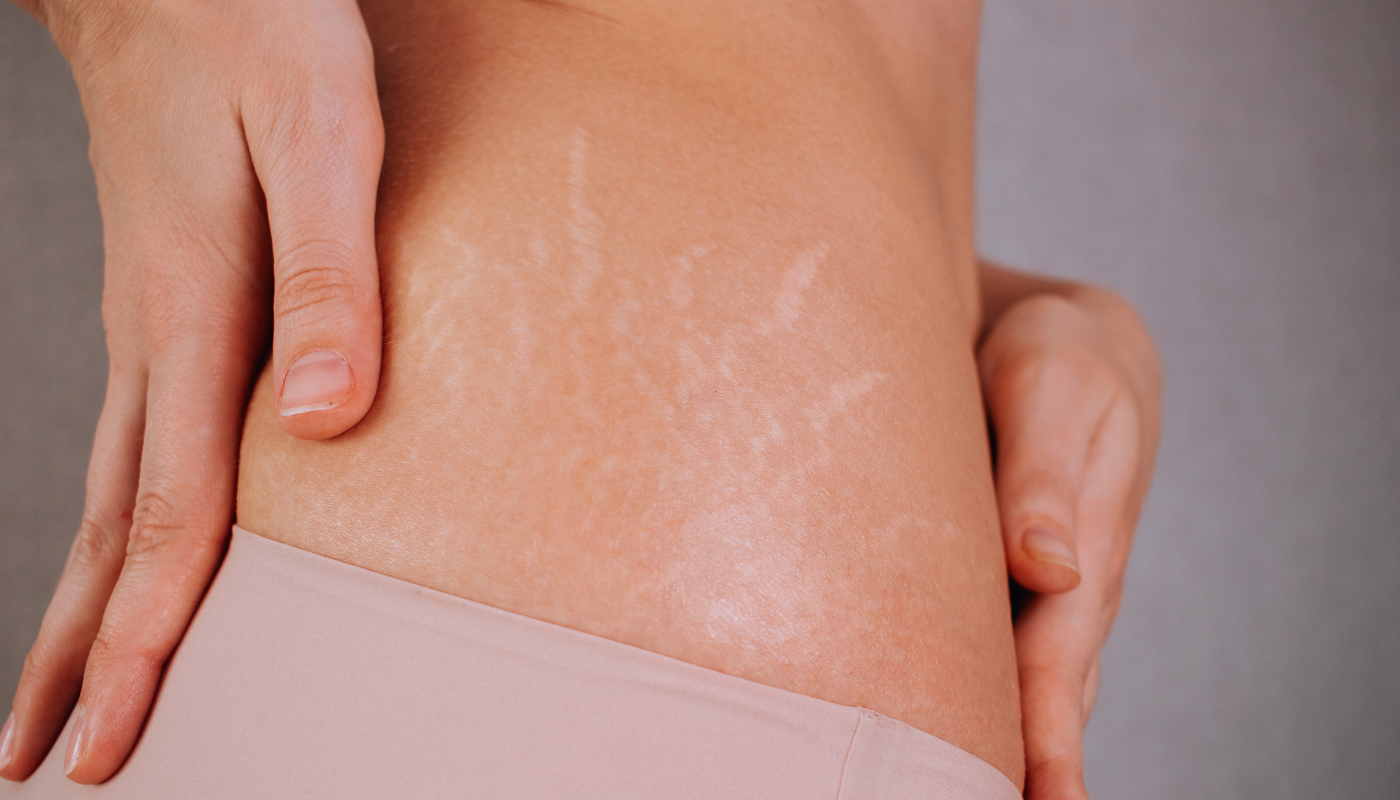
As time progresses, typically over several months or even years, the initial redness or purplish hue of stretch marks begins to fade. The blood vessels beneath the skin become less prominent, and the marks transition into a more subdued, scar-like appearance.
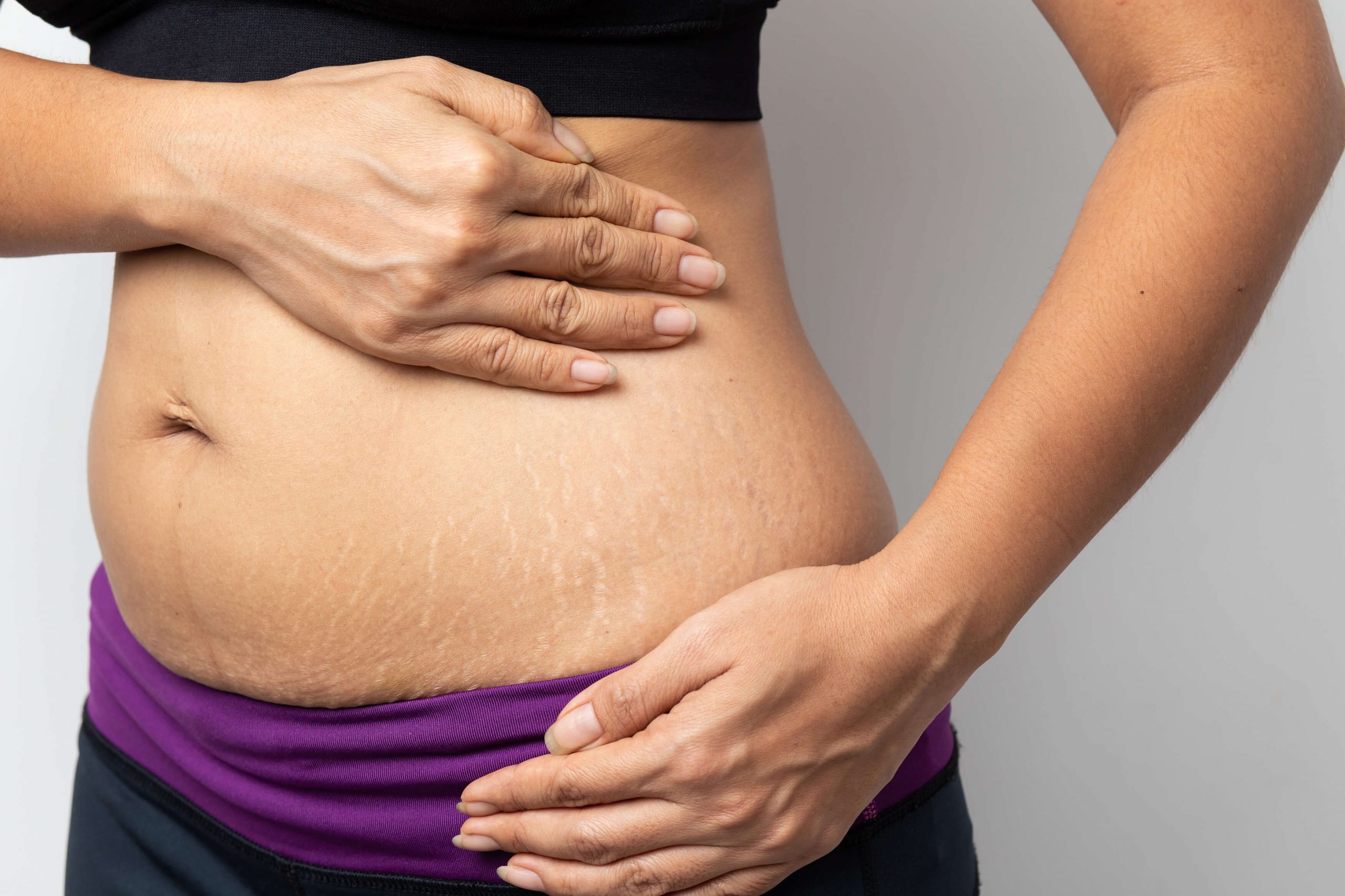
- Coloration: They usually turn a pale white, silver, or a slightly lighter shade than the surrounding skin. This is because the scar tissue that forms is depigmented.
- Texture: While initially they might have been slightly raised, they often become depressed or indented, creating a rippled or uneven texture on the skin’s surface. They feel thinner and somewhat more crinkled than the surrounding skin.
- Shape: The lines themselves remain, but their visual impact is lessened by the lack of vivid color. They can appear as subtle lines or grooves.
The areas where weight loss stretch marks are most commonly found include:
- Abdomen: This is a prime location, especially if weight was gained around the midsection.
- Thighs: Both the inner and outer thighs are susceptible.
- Hips: The sides of the hips can also develop these marks.
- Buttocks: Similar to the hips, the skin here can stretch and shrink.
- Breasts: Especially if there was significant weight fluctuation.
- Upper Arms: The backs of the upper arms can be affected.
- Lower Back: This area can also see the development of stretch marks.
It’s worth distinguishing between stretch marks that appear during active weight gain and those that become more visible after weight loss. When losing weight, the skin that was stretched may not fully recoil, leaving behind the residual tears in the dermis. These might have been present in a less noticeable state during the weight gain phase and become more pronounced as the surrounding skin tightens. The contrast between the indented, faded scar tissue of the stretch mark and the now tighter, surrounding skin can make them more apparent.
Factors Influencing the Appearance and Visibility of Stretch Marks
Beyond the fundamental process of skin tearing, several factors can influence how stretch marks look and how noticeable they are:
Genetic Predisposition
Genetics plays a significant role in an individual’s propensity to develop stretch marks. If your parents or close relatives have stretch marks, you are more likely to develop them yourself, regardless of weight fluctuations. This is related to the inherent elasticity and collagen structure of your skin.
Skin Type and Tone
As mentioned, skin tone significantly impacts the initial and subsequent coloration of stretch marks. Those with darker skin tones might experience stretch marks that are more subtle in their faded stages, appearing as slightly lighter lines, while those with lighter skin may have more prominent white or silver marks.
The Extent and Speed of Weight Change
The more significant the weight loss and the faster it occurs, the more likely it is that stretch marks will develop or become more noticeable. Rapid changes put more stress on the skin’s elastic capabilities.
Age and Skin Elasticity
Younger skin generally has better elasticity and a greater capacity to recoil than older skin. As we age, collagen production naturally decreases, and skin becomes less firm, making it more prone to developing and retaining stretch marks.
Hydration and Nutrition
While not a primary cause, maintaining good skin hydration and a balanced diet rich in vitamins (especially C and E) and minerals (like zinc) can support overall skin health and potentially aid in its ability to heal and adapt. Dehydrated skin can be less pliable and more susceptible to damage.
Managing and Improving the Appearance of Weight Loss Stretch Marks
While stretch marks are permanent scars, their appearance can often be improved, particularly if addressed in their early stages. The goal is generally not complete eradication, but rather to make them less noticeable.
Treatments for Early Stage (Reddish-Purple) Stretch Marks
When stretch marks are still red or purple, they are more responsive to treatment because the inflammation is still present, and the dermal damage is more superficial.
- Topical Treatments:
- Retinoids: Prescription topical retinoids (like Tretinoin) can stimulate collagen production and help improve the appearance of stretch marks. However, they are generally not recommended for pregnant or breastfeeding women.
- Hyaluronic Acid: This ingredient can help hydrate and plump the skin, potentially making early stretch marks less apparent.
- Centella Asiatica: Extracts from this plant are believed to promote wound healing and collagen synthesis.
- Lasers and Light Therapies:
- Pulsed Dye Laser (PDL): This laser targets the redness by heating and collapsing the small blood vessels within the stretch marks.
- Fractional Laser Resurfacing: These lasers create microscopic injuries in the skin, prompting the body’s natural healing response and stimulating collagen production. This can improve both color and texture.
- Intense Pulsed Light (IPL): While primarily used for pigmentation issues, IPL can sometimes help reduce redness in early stretch marks.
Treatments for Later Stage (White/Silver) Stretch Marks
Once stretch marks have faded to white or silver, they are more challenging to treat as the dermal damage is more established, and there is less inflammation to target. However, treatments can still help improve texture and blend them with the surrounding skin.
- Microneedling: This procedure involves using a device with tiny needles to create controlled micro-injuries in the skin. This process stimulates collagen and elastin production, which can help thicken the skin and improve the texture of indented stretch marks.
- Radiofrequency (RF) Treatments: RF energy heats the deeper layers of the skin, promoting collagen remodeling and tightening. This can be combined with microneedling for enhanced results.
- Chemical Peels: Superficial chemical peels can help exfoliate the outer layers of the skin, potentially improving texture and encouraging cell turnover. Deeper peels are generally not recommended for stretch marks due to the risk of scarring.
- Microdermabrasion: This non-invasive procedure uses a device to exfoliate the skin’s surface. It can help improve texture and make stretch marks slightly less noticeable, but the results are usually more subtle compared to other methods.
- Platelet-Rich Plasma (PRP) Therapy: This treatment involves using a patient’s own blood components to promote healing and tissue regeneration. PRP can be injected or applied topically after microneedling to enhance collagen production and improve skin texture.
Lifestyle and Home Care
While not as potent as clinical treatments, consistent home care can support skin health and potentially contribute to a better outcome.
- Moisturize Regularly: Keeping the skin well-hydrated can improve its overall appearance and elasticity. Look for moisturizers containing ingredients like hyaluronic acid, shea butter, or cocoa butter.
- Gentle Exfoliation: Regular, gentle exfoliation can help remove dead skin cells and promote cell turnover, which may subtly improve the texture of stretch marks. Avoid harsh scrubs that can irritate the skin.
- Healthy Diet and Hydration: As mentioned earlier, a nutrient-rich diet and adequate water intake are fundamental for healthy skin.
- Sun Protection: Protecting stretch marks from the sun is crucial. Sun exposure can make them more noticeable by darkening the scar tissue or causing them to become more inflamed.
Embracing Your Body’s Journey
It’s important to remember that stretch marks are a natural and common consequence of significant body changes. They are not a sign of failure in a weight loss journey but rather a testament to the incredible transformation your body has undergone. While treatments can help improve their appearance, self-acceptance and a focus on overall health are paramount.
For many, understanding what weight loss stretch marks look like is the first step towards demystifying them. By recognizing their visual characteristics and understanding the underlying causes, individuals can approach any concerns with more knowledge and confidence. Whether you choose to pursue treatments or embrace them as part of your body’s story, the journey of weight loss is a powerful one, and its physical markers are simply a part of that unique narrative.
aViewFromTheCave is a participant in the Amazon Services LLC Associates Program, an affiliate advertising program designed to provide a means for sites to earn advertising fees by advertising and linking to Amazon.com. Amazon, the Amazon logo, AmazonSupply, and the AmazonSupply logo are trademarks of Amazon.com, Inc. or its affiliates. As an Amazon Associate we earn affiliate commissions from qualifying purchases.