
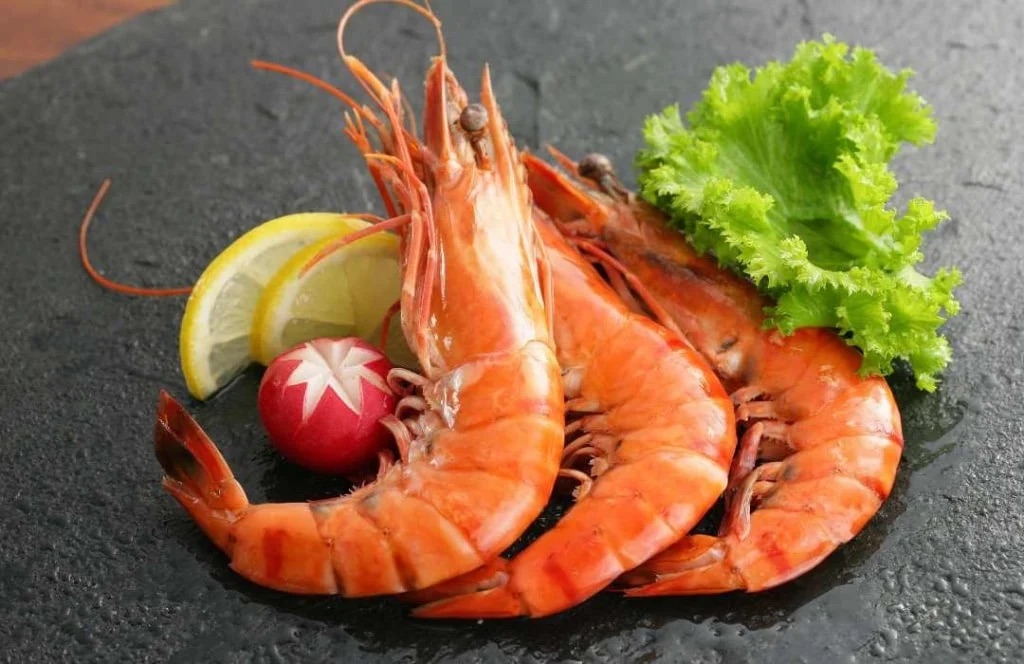
The simple question, “What do shrimps taste like?” belies a complex interplay of biology, chemistry, and increasingly, technology. While a direct sensory experience is the ultimate arbiter of taste, understanding the nuances of shrimp flavor – its sweetness, its brininess, its delicate ocean essence – is a pursuit that technology is profoundly shaping. From the molecular breakdown of taste compounds to the development of sophisticated flavor analysis tools, the technological lens offers a fascinating perspective on this ubiquitous seafood. This exploration delves into how technology allows us to dissect, describe, and even manipulate the taste of shrimp, offering insights far beyond a simple gustatory assessment.

The Science of Savory: Deconstructing Shrimp Flavor at a Molecular Level
The perception of taste is an intricate biochemical process. When we consume shrimp, a cascade of molecular interactions occurs on our taste buds, sending signals to our brain that we interpret as flavor. Technology has been instrumental in unraveling these intricate pathways, moving beyond anecdotal descriptions to a scientific understanding of what makes shrimp taste like shrimp.
Unveiling the Chemical Symphony of Shrimp
At the core of shrimp’s characteristic flavor are several key chemical compounds. The initial sweetness often attributed to shrimp is largely due to the presence of glycogen, a form of stored glucose. As shrimp metabolize this glycogen, it breaks down, releasing sugars that our taste receptors register as sweet. This sweetness is often subtle, providing a delicate foundation for other flavor notes.
Beyond sweetness, the characteristic umami component of shrimp is significant. This savory depth is primarily driven by glutamates, specifically monosodium glutamate (MSG) naturally occurring within the shrimp. Glutamates bind to specific taste receptors, triggering a rich, brothy, and satisfying sensation that is a hallmark of many seafoods. The concentration of glutamates can vary depending on the species, freshness, and environment of the shrimp, directly influencing the intensity of this savory profile.
Furthermore, the distinctive marine or “oceanic” taste of shrimp is often linked to trimethylamine N-oxide (TMAO). This compound, present in the muscle tissues of many marine animals, plays a role in osmoregulation. During the decomposition process, TMAO can be converted into trimethylamine (TMA), which possesses a strong, sometimes pungent, fishy aroma and taste. While fresh shrimp typically have low levels of TMA, its presence in older shrimp contributes to a more pronounced “seafood” flavor. Technology, through gas chromatography-mass spectrometry (GC-MS), allows scientists to identify and quantify these compounds with remarkable precision, moving beyond subjective descriptors.
The Role of Lipids and Volatile Organic Compounds
The texture and mouthfeel of shrimp also contribute significantly to our overall flavor perception. The lipids, or fats, present in shrimp, while not as prominent as in fattier fish, play a role in carrying flavor compounds and contributing to a smooth, succulent sensation. The way these lipids interact with other molecules during cooking further influences the perceived taste.
Moreover, the aroma of shrimp, which is intrinsically linked to its taste, is dominated by volatile organic compounds (VOCs). These are compounds that readily evaporate into the air, reaching our olfactory receptors and contributing to the complexity of flavor. Technological advancements in electronic noses (e-noses) and sophisticated spectroscopic techniques allow researchers to detect and analyze these VOCs. These technologies can identify unique aroma profiles associated with different species of shrimp, their origin, and even their freshness, providing an objective measure of their sensory qualities. For instance, e-noses can be trained to recognize the subtle differences in aroma between wild-caught and farmed shrimp, or between shrimp that have been stored optimally and those that have begun to degrade.
Technological Innovations in Flavor Analysis and Enhancement
The scientific understanding of shrimp flavor has not only satisfied curiosity but has also paved the way for technological innovations aimed at analyzing, standardizing, and even enhancing these taste profiles. This is where the intersection of food science and cutting-edge technology becomes particularly apparent.
Advanced Sensory Technologies and Data Analytics
The development of artificial intelligence (AI) and machine learning (ML) is revolutionizing how we analyze food flavors. AI-powered sensory analysis platforms can process vast amounts of data from trained sensory panels or even directly from electronic sensors. These systems can identify patterns and correlations between chemical compositions and human taste perceptions, leading to more objective and reproducible flavor assessments. For shrimp, this means developing standardized flavor profiles for different species or regions, ensuring consistency for consumers and the food industry.
Spectroscopy, a technique that analyzes the interaction of matter with electromagnetic radiation, is another powerful tool. Techniques like Near-Infrared (NIR) spectroscopy and Raman spectroscopy can provide rapid, non-destructive analysis of the chemical composition of shrimp, including the identification of key flavor precursors and degradation products. This technology can be implemented at various stages of the supply chain, from aquaculture farms to processing plants, to monitor quality and predict flavor characteristics.
Furthermore, chromatographic techniques, such as High-Performance Liquid Chromatography (HPLC), coupled with advanced detectors, are indispensable for quantifying specific flavor compounds like amino acids, sugars, and nucleotides. This detailed chemical fingerprinting allows for a precise understanding of what contributes to a shrimp’s unique taste.
The Promise of Flavor Replication and Synthesis
Beyond analysis, technology is venturing into the realm of flavor replication and synthesis. While replicating the nuanced flavor of fresh shrimp is a complex challenge, advancements in molecular gastronomy and synthetic biology are opening new avenues. Researchers are exploring the possibility of identifying the key flavor molecules responsible for the desirable characteristics of shrimp and then synthesizing these compounds to create artificial flavorings.
This technology holds potential for the food industry in several ways. For instance, it could be used to enhance the flavor of processed shrimp products, ensuring a consistent taste experience regardless of natural variations. It also opens doors for developing plant-based or lab-grown alternatives that can mimic the taste of shrimp without the environmental or ethical considerations associated with traditional seafood harvesting. While still in its nascent stages for complex flavors like shrimp, the underlying principles of identifying and replicating key flavor compounds are a testament to technological progress. The development of sophisticated computational flavor modeling allows scientists to predict how different combinations of molecules will interact and be perceived as taste, accelerating the discovery of novel flavor profiles.
The Future of Shrimp Flavor: Technology’s Culinary Horizon
The ongoing technological evolution suggests that our understanding and experience of shrimp flavor will continue to deepen and diversify. From the farm to the fork, technology is poised to play an even more significant role in how we perceive and interact with this versatile seafood.
Precision Aquaculture and Flavor Control
In the realm of precision aquaculture, technology is enabling farmers to exert greater control over the factors that influence shrimp flavor. Environmental monitoring systems can track water quality parameters like salinity, temperature, and dissolved oxygen, all of which can subtly impact the shrimp’s physiology and, consequently, its taste. Nutritional technology allows for the development of specialized feeds that can be formulated to enhance specific flavor precursors or desired textures. By understanding the biochemical pathways influenced by diet and environment, technology can help cultivate shrimp with optimized flavor profiles, ensuring a consistently delicious product.
For example, research into the impact of different feed compositions on the amino acid profiles of shrimp can lead to feeds designed to boost glutamate levels, thereby intensifying the umami taste. Similarly, controlling environmental factors can influence the metabolism of glycogen, potentially fine-tuning the sweetness.

The Digital Palate and Personalized Culinary Experiences
The concept of a “digital palate” is emerging, where technology aims to quantify and even personalize taste experiences. Imagine a future where an app, using data from e-noses and chemical analyses, can predict the flavor profile of a specific batch of shrimp and even suggest optimal cooking methods or pairings based on your personal taste preferences. This level of personalization, powered by AI and vast datasets, could transform how we approach cooking and food consumption.
Furthermore, virtual reality (VR) and augmented reality (AR) are being explored for their potential to enhance sensory experiences. While currently more focused on visual and auditory stimuli, future applications could integrate haptic feedback and even olfactory simulation to create immersive culinary journeys. Imagine experiencing the aroma and texture of perfectly cooked shrimp in a virtual environment, a testament to technology’s ability to augment our sensory perception.
In conclusion, the question of “what do shrimps taste like” is no longer solely a matter of personal experience or simple culinary description. It is a question increasingly answered through the lens of technology. From the molecular dissection of their flavor compounds to the development of sophisticated analytical tools and the burgeoning field of flavor synthesis, technology is providing a deeper, more objective, and ultimately more enriching understanding of shrimp’s delectable qualities. As technology continues to advance, our ability to appreciate, control, and even reimagine the taste of shrimp will undoubtedly reach new and exciting frontiers.
aViewFromTheCave is a participant in the Amazon Services LLC Associates Program, an affiliate advertising program designed to provide a means for sites to earn advertising fees by advertising and linking to Amazon.com. Amazon, the Amazon logo, AmazonSupply, and the AmazonSupply logo are trademarks of Amazon.com, Inc. or its affiliates. As an Amazon Associate we earn affiliate commissions from qualifying purchases.