
The realm of orthopedics, often perceived as solely the domain of surgeons with drills and casts, is undergoing a profound technological transformation. Beyond the scalpel and the splint, the modern orthopedic practice is increasingly intertwined with sophisticated technological advancements that are revolutionizing diagnosis, treatment, and patient care. From cutting-edge imaging to data-driven insights and advanced therapeutic devices, technology is no longer a peripheral tool but an integral component of how orthopedics operates. This article will delve into the multifaceted ways technology is shaping the field of orthopedics, exploring the innovative solutions and digital tools that are empowering both practitioners and patients.
The Digital Revolution in Diagnosis: Seeing Beyond the Naked Eye
The foundational step in orthopedic care is accurate diagnosis. Historically, this relied on physical examination, patient history, and basic imaging like X-rays. However, the integration of advanced technologies has dramatically enhanced our ability to visualize, analyze, and understand musculoskeletal conditions with unprecedented detail and precision.
Advanced Imaging Modalities: Unveiling the Intricacies of the Body
Traditional X-rays remain a cornerstone, but their limitations in revealing soft tissues and subtle abnormalities have paved the way for more sophisticated imaging techniques. Magnetic Resonance Imaging (MRI) has become indispensable, offering high-resolution images of ligaments, tendons, cartilage, and muscles, crucial for diagnosing tears, sprains, and degenerative conditions. The continuous evolution of MRI technology, with faster scan times and higher field strengths, further improves diagnostic accuracy and patient comfort.
Computed Tomography (CT) scans provide cross-sectional images, offering detailed views of bone structures. Innovations like dual-energy CT allow for material decomposition, aiding in the identification of specific tissues or the presence of certain minerals, which can be vital for diagnosing conditions like gout or assessing bone quality. Furthermore, advancements in 3D CT reconstruction have moved beyond flat images to create immersive, interactive models of bones and joints, enabling surgeons to meticulously plan complex procedures.
AI-Powered Image Analysis: Augmenting Radiographic Interpretation
Artificial Intelligence (AI) is rapidly emerging as a powerful ally in orthopedic diagnostics. AI algorithms are being trained on vast datasets of medical images to identify patterns and anomalies that might be missed by the human eye. These systems can assist radiologists and orthopedic specialists in detecting early signs of osteoarthritis, identifying subtle fractures, or quantifying bone loss with remarkable consistency.
AI can also expedite the interpretation process, flagging suspicious areas for closer examination and reducing the time it takes to reach a diagnosis. This not only improves efficiency but can lead to earlier intervention, which is often critical for better patient outcomes. Furthermore, AI is being used to standardize image interpretation across different institutions, ensuring a more consistent level of care.
Wearable Sensors and Biomechanical Analysis: Capturing Real-World Movement
Beyond static imaging, technology is enabling the capture and analysis of dynamic movement. Wearable sensors, ranging from accelerometers and gyroscopes embedded in athletic braces to sophisticated motion capture systems, provide objective data on how a patient moves. This is invaluable for assessing gait, analyzing joint function, and monitoring recovery progress after surgery or injury.
These biomechanical insights allow for a more personalized approach to rehabilitation. Instead of relying on subjective assessments, clinicians can use data to identify specific movement deficits, tailor exercise programs, and track improvements in real-time. This objective feedback loop empowers patients to understand their progress and encourages adherence to their treatment plans.
Precision in Treatment: Leveraging Technology for Optimal Outcomes
Once a diagnosis is established, technology plays a crucial role in guiding and executing treatment strategies. From minimally invasive surgical techniques to advanced rehabilitation tools, the focus is on achieving greater precision, reducing patient invasiveness, and accelerating recovery.
Robotic-Assisted Surgery: Enhancing Precision and Control
Robotic surgery has made significant inroads into orthopedics, offering surgeons enhanced control, precision, and visualization during complex procedures. Systems like the da Vinci Surgical System, while more commonly associated with other surgical specialties, are increasingly being adapted for orthopedic applications, particularly in joint replacements.
These robotic platforms allow surgeons to perform intricate maneuvers with greater dexterity and steadiness. They can assist in precise implant placement, bone preparation, and soft tissue management, potentially leading to improved implant longevity and reduced complications. The ability to create patient-specific pre-operative plans and then execute them robotically ensures a higher degree of accuracy and reproducibility.

3D Printing for Custom Implants and Surgical Guides: Tailoring Solutions
The advent of 3D printing has revolutionized the customization of orthopedic implants and surgical tools. For patients with complex anatomical variations or significant bone loss, standard implants may not be suitable. 3D printing allows for the creation of patient-specific implants, meticulously designed to match the unique anatomy of an individual.
Similarly, 3D printed surgical guides, based on pre-operative imaging, can be used during surgery to ensure precise cuts and screw placement. These guides act like custom templates, greatly simplifying complex procedures and reducing operative time. This level of personalization not only improves surgical outcomes but also enhances patient comfort and reduces recovery time.
Minimally Invasive Techniques Powered by Endoscopy and Advanced Instrumentation
Minimally invasive surgery has become the gold standard for many orthopedic procedures, and technology is at its forefront. Arthroscopy, using small incisions and a camera (arthroscope) to visualize and operate within joints, has transformed procedures like knee ligament repairs and shoulder rotator cuff surgeries.
Advancements in arthroscopic instruments, including smaller, more maneuverable tools, high-definition cameras, and integrated imaging systems, allow surgeons to perform complex repairs with minimal disruption to surrounding tissues. This translates to less pain, faster recovery, reduced scarring, and a quicker return to normal activities for patients.
The Future of Orthopedic Care: Data, AI, and Personalized Recovery
The integration of technology in orthopedics is not a static phenomenon; it’s a dynamic and evolving landscape. The future promises even more sophisticated tools and approaches, driven by data analytics, advanced AI, and a relentless pursuit of personalized patient care.
Predictive Analytics and AI in Treatment Planning: Proactive Interventions
AI is moving beyond image analysis to inform broader treatment planning. By analyzing large datasets of patient outcomes, genetic information, and lifestyle factors, AI algorithms can help predict a patient’s likelihood of success with different treatment options. This allows for more informed decision-making and the selection of the most appropriate interventions from the outset.
Predictive analytics can also identify patients at higher risk of complications or re-injury, enabling proactive interventions and personalized preventive strategies. This shifts the paradigm from reactive treatment to proactive health management.
Digital Rehabilitation Platforms and Telehealth: Empowering Remote Recovery
The rise of telehealth and digital rehabilitation platforms is making orthopedic care more accessible and convenient. Patients can now participate in guided physical therapy sessions remotely, utilizing apps and wearable devices to track their progress and communicate with their therapists.
These platforms often incorporate gamified exercises, personalized feedback, and virtual coaching, enhancing patient engagement and adherence. For individuals with mobility issues or those living in remote areas, these digital solutions are invaluable for ensuring continuous and effective rehabilitation. The ability to monitor progress remotely also allows clinicians to intervene promptly if a patient is not progressing as expected.
Smart Implants and Continuous Monitoring: Real-Time Performance Insights
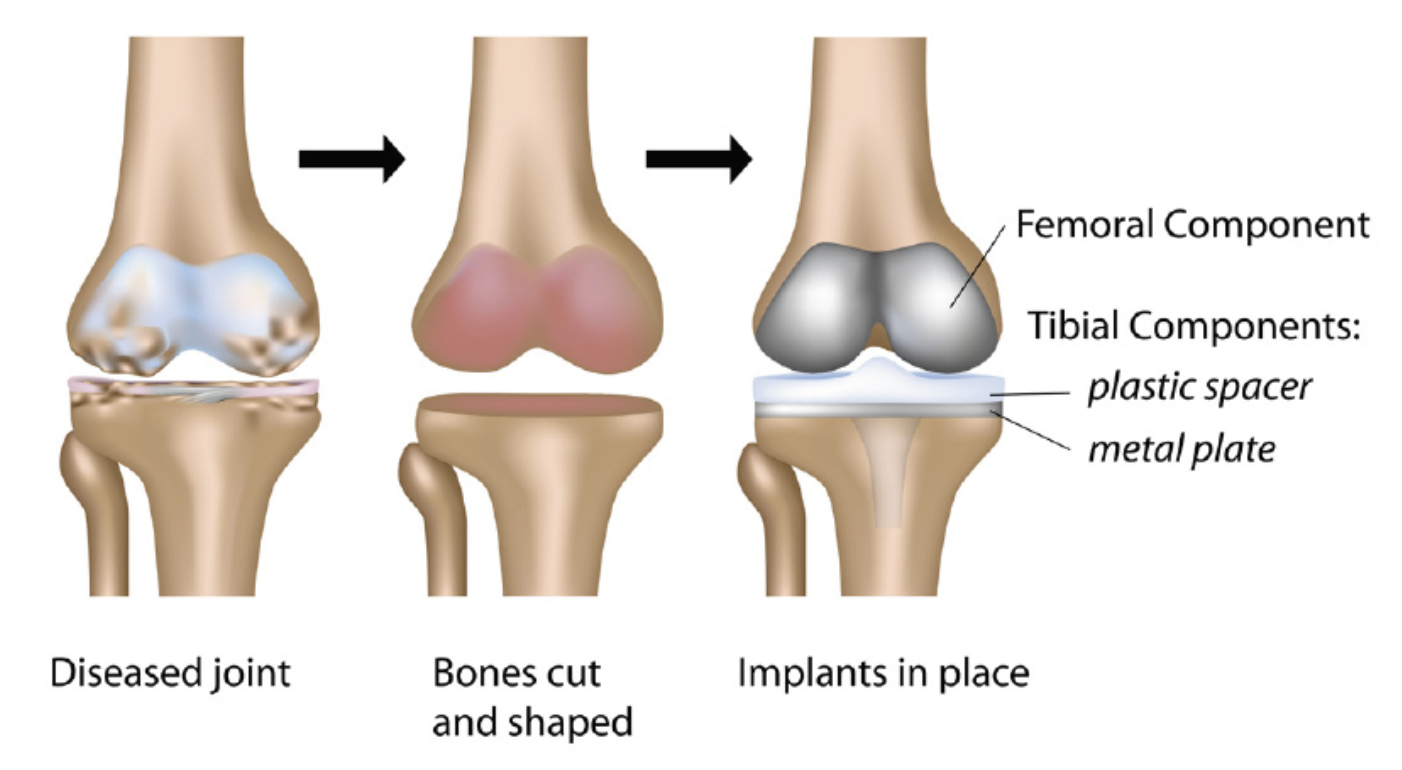
The concept of “smart implants” is on the horizon, where orthopedic implants are embedded with sensors to continuously monitor their performance and the surrounding biological environment. These implants could provide real-time data on stress, strain, and wear, alerting both patients and clinicians to potential issues before they become serious problems.
This continuous monitoring could revolutionize post-operative care, allowing for early detection of implant loosening or infection, and providing valuable data for future implant design and material development. While still in its nascent stages, this technology holds immense promise for improving the longevity and success rates of orthopedic interventions.
In conclusion, the field of orthopedics is no longer confined to traditional surgical practices. The relentless march of technology has propelled it into an era of sophisticated diagnostics, precision treatments, and personalized care. From AI-powered image analysis and robotic-assisted surgery to 3D-printed custom implants and digital rehabilitation platforms, technology is not just enhancing but fundamentally redefining what orthopedic practitioners can achieve and how patients experience recovery. As these advancements continue to unfold, the future of musculoskeletal health promises to be more precise, more accessible, and ultimately, more effective than ever before.
aViewFromTheCave is a participant in the Amazon Services LLC Associates Program, an affiliate advertising program designed to provide a means for sites to earn advertising fees by advertising and linking to Amazon.com. Amazon, the Amazon logo, AmazonSupply, and the AmazonSupply logo are trademarks of Amazon.com, Inc. or its affiliates. As an Amazon Associate we earn affiliate commissions from qualifying purchases.