
In the modern business landscape, the term “marketing” is often used as a catch-all for everything from social media posts to television commercials. However, to view marketing simply as advertising is to miss the intricate machinery that drives corporate growth and brand sustainability. So, what do marketers actually do? At its core, the role of a marketer is to bridge the gap between a product or service and the needs of the consumer. They are the architects of perception, the strategists of growth, and the guardians of a company’s identity.

By synthesizing psychology, data analysis, and creative storytelling, marketers build the infrastructure that allows a brand to thrive in a competitive marketplace. This article explores the multi-faceted responsibilities of marketers through the lens of brand strategy and corporate identity.
1. Strategic Research and Market Intelligence
Before a single creative asset is produced, a marketer’s work begins in the realm of deep research. They function as the “intelligence agency” of a corporation, gathering the data necessary to make informed decisions about where the brand should go.
Understanding Consumer Behavior and Psychographics
Marketers spend a significant portion of their time analyzing who the customer is. This goes beyond simple demographics like age or location. It involves digging into psychographics—understanding the motivations, pain points, beliefs, and lifestyle choices of the target audience. By creating detailed “buyer personas,” marketers can tailor their messaging to resonate on a personal level. They ask: What problems are our customers trying to solve? What values do they hold dear? This understanding ensures that the brand doesn’t just speak to people, but speaks for them.
Identifying the Competitive Landscape
No brand exists in a vacuum. Marketers must constantly monitor the “white space” in the market—areas where competitors are failing or where consumer needs are currently unmet. Through competitive analysis, marketers evaluate the strengths and weaknesses of rival brands. This allows them to carve out a unique “Positioning Statement,” which defines how their brand is different and better than the alternatives. Without this strategic groundwork, a brand is merely a commodity subject to the whims of price wars.
2. Crafting and Safeguarding the Brand Identity
If a company is a person, then the brand is its personality, its reputation, and its soul. Marketers are the primary custodians of this identity. Their goal is to ensure that every touchpoint a consumer has with the company reinforces a consistent and compelling narrative.
Defining Purpose and Value Propositions
A significant part of a marketer’s role is defining why a company exists beyond making a profit. This is known as the Brand Purpose. Marketers work with executive leadership to distill the company’s mission into a clear Value Proposition. This is the core promise made to the customer. Whether it is “innovation that simplifies life” or “luxury that defines status,” marketers ensure this promise is the North Star for all corporate activity.
Maintaining Visual and Narrative Consistency
Brand equity is built through repetition and reliability. Marketers develop Brand Guidelines—comprehensive documents that dictate how the brand looks, sounds, and acts. This includes everything from the color palette and typography to the “tone of voice” used in customer service emails. A marketer’s job is to ensure that a customer feels the same “brand vibe” whether they are looking at a billboard, browsing a website, or unboxing a product. This consistency builds trust, and trust is the currency of brand loyalty.
3. Creating and Managing Multichannel Campaigns

Once the strategy is set and the identity is defined, marketers move into the execution phase. This is where the “what” of marketing becomes visible to the public. Marketers design and deploy campaigns across various channels to move consumers through the “marketing funnel”—from initial awareness to final purchase and, eventually, brand advocacy.
Content Strategy and Emotional Storytelling
Modern marketing is less about shouting features and more about telling stories. Marketers act as editors-in-chief, overseeing the creation of content that provides value to the audience. This might include educational blog posts, inspiring videos, or interactive social media content. The goal is to move the brand from a transactional entity to a relational one. By leveraging emotional storytelling, marketers create a “brand affinity” that makes customers feel a sense of belonging to the brand’s community.
Navigating the Ecosystem of Integrated Marketing
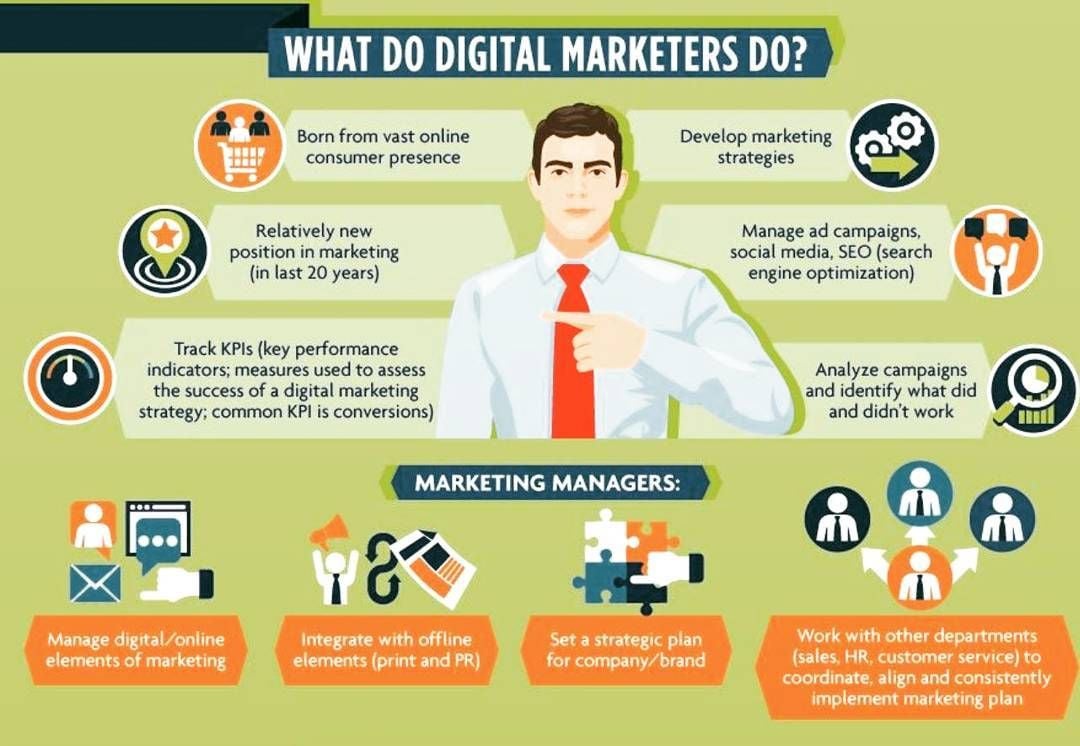
A marketer must be a conductor of an orchestra, ensuring that many different channels work in harmony. This is known as Integrated Marketing Communications (IMC). Marketers manage a mix of:
- Owned Media: Websites, email newsletters, and social media profiles.
- Earned Media: Public relations, influencer mentions, and word-of-mouth.
- Paid Media: Digital ads, sponsored content, and traditional media buys.
The marketer’s challenge is to ensure that a lead generated on Instagram is nurtured through email and eventually converted on the website, providing a seamless experience for the consumer.
4. Data-Driven Performance and ROI Optimization
In the contemporary era, marketing is as much a science as it is an art. Marketers are held accountable for the growth of the business, which means they must be experts at measuring the impact of their work and optimizing for the best possible Return on Investment (ROI).
Measuring Success through Key Performance Indicators (KPIs)
What gets measured gets managed. Marketers track a vast array of metrics to determine if their strategies are working. These include Brand Awareness (how many people know the brand), Customer Acquisition Cost (how much it costs to get a new customer), and Customer Lifetime Value (how much a customer is worth over time). By analyzing these KPIs, marketers can prove the financial value of the brand’s creative efforts to stakeholders and the C-suite.
Iterating Based on Customer Feedback Loops
The work of a marketer is never truly finished. They operate in a cycle of “Plan, Execute, Measure, and Optimize.” By using A/B testing—where two versions of a campaign are tested against each other—marketers can determine which messaging or imagery resonates most effectively. They also listen to social media sentiment and customer reviews to pivot strategies in real-time. This agility allows a brand to stay relevant in a fast-changing world, ensuring that the corporate identity evolves alongside its audience.
5. Driving Long-Term Growth and Brand Equity
The ultimate goal of everything a marketer does is to build “Brand Equity.” This is the commercial value that derives from consumer perception of the brand name of a particular product, rather than from the product or service itself.
Cultivating Brand Loyalty and Advocacy
Marketers know that it is far more expensive to acquire a new customer than to retain an existing one. Therefore, a large part of their role involves “Post-Purchase Marketing.” This includes loyalty programs, community engagement, and personalized communication. When a marketer is successful, they turn customers into “Brand Advocates”—people who actively promote the brand to their own networks, effectively becoming an unpaid part of the marketing team.
Shaping the Future of the Corporate Identity
Finally, marketers are the visionaries who look five to ten years into the future. They anticipate shifts in culture and technology to ensure the brand remains iconic. Whether it is leading a corporate rebrand to reflect new values or expanding into new global markets, marketers ensure that the brand identity is robust enough to survive shifts in the economy and changes in consumer taste.
In summary, marketers are much more than “advertisers.” They are the strategic heart of the business. They combine the analytical rigor of a scientist with the creative flair of an artist to build brands that people don’t just buy, but brands that people believe in. From the initial spark of market research to the long-term cultivation of brand loyalty, marketers are the essential drivers of modern corporate success.
aViewFromTheCave is a participant in the Amazon Services LLC Associates Program, an affiliate advertising program designed to provide a means for sites to earn advertising fees by advertising and linking to Amazon.com. Amazon, the Amazon logo, AmazonSupply, and the AmazonSupply logo are trademarks of Amazon.com, Inc. or its affiliates. As an Amazon Associate we earn affiliate commissions from qualifying purchases.