
Buying a house is a monumental step, a dream often intertwined with meticulous financial planning. While the allure of homeownership is powerful, the path to securing a mortgage is paved with lender scrutiny. For potential homebuyers, understanding exactly what lenders examine is crucial to ensuring a smooth and successful application process. This isn’t just about having a good credit score; it’s a holistic evaluation of your financial stability, your capacity to repay, and the perceived risk you represent as a borrower. In essence, lenders are assessing your trustworthiness and the security of their investment.
Our exploration into what lenders prioritize will be framed through the lens of technology’s increasing integration into financial processes, the strategic branding of your financial profile, and the fundamental principles of money management that underpin responsible borrowing.
The Pillars of Lender Evaluation: Beyond the Down Payment
When a lender considers your mortgage application, they are essentially constructing a detailed financial portrait. This portrait is built upon several key pillars, each contributing to their overall assessment of your ability and willingness to repay the loan. While the down payment is a significant initial factor, it’s merely one piece of a much larger puzzle. Lenders delve deep into your financial history, your current economic standing, and your future earning potential to mitigate their risk.
Creditworthiness: Your Financial Reputation in Numbers
Your credit history is arguably the most critical factor lenders evaluate. It’s a comprehensive record of your borrowing and repayment behavior, acting as a proxy for your financial responsibility. This is where technology plays a significant role, as credit bureaus utilize sophisticated algorithms and vast datasets to generate your credit score.
Credit Score: The Numerical Snapshot of Trust
Your credit score, typically ranging from 300 to 850, is a three-digit number that lenders use to quickly gauge your credit risk. A higher score signifies a lower risk, meaning you’re more likely to repay your debts as agreed. Key components that influence your credit score include:
- Payment History (35%): This is the most important factor. Late payments, defaults, and bankruptcies can significantly damage your score. Conversely, consistently paying bills on time demonstrates reliability.
- Credit Utilization (30%): This refers to the amount of credit you’re using compared to your total available credit. Keeping your credit utilization ratio low (ideally below 30%) indicates you’re not overextended.
- Length of Credit History (15%): A longer history of responsible credit management is generally viewed favorably.
- Credit Mix (10%): Having a variety of credit types (e.g., credit cards, installment loans) can be beneficial, as it shows you can manage different forms of debt.
- New Credit (10%): Opening multiple new credit accounts in a short period can negatively impact your score, as it may suggest financial instability or an attempt to take on excessive debt.
Tech Integration: Credit bureaus and lenders leverage advanced software and AI tools to process and analyze this data. Algorithms can detect patterns of financial behavior, identify potential fraud, and provide a more accurate risk assessment than manual review alone. Many personal finance apps now offer credit score monitoring, empowering borrowers to track their progress and identify areas for improvement.
Credit Report: The Detailed Narrative
Beyond the score, lenders will review your full credit report. This document provides a granular view of your credit accounts, including:
- Public Records: Bankruptcies, judgments, and liens.
- Payment History: Details of how you’ve managed past and present debts.
- Outstanding Balances: The amounts you owe on various credit accounts.
- Inquiries: Records of who has accessed your credit report. Too many inquiries in a short period can signal an increased risk.
Lenders meticulously comb through this report for any red flags. Late payments, even if they occurred years ago, can be a point of concern. Understanding your credit report and taking steps to clean up any inaccuracies or negative marks is a crucial part of the homebuying preparation.
Income and Employment Stability: Demonstrating Repayment Capacity
While creditworthiness speaks to your past behavior, your income and employment stability demonstrate your future capacity to repay the mortgage. Lenders want to see a consistent and reliable source of income that can comfortably accommodate the monthly mortgage payments.
Employment History: The Foundation of Income
Lenders prefer applicants with a stable employment history. This typically means at least two years in the same industry or with the same employer. Frequent job changes, especially those involving significant pay cuts or shifts in career path, can raise concerns about income volatility.
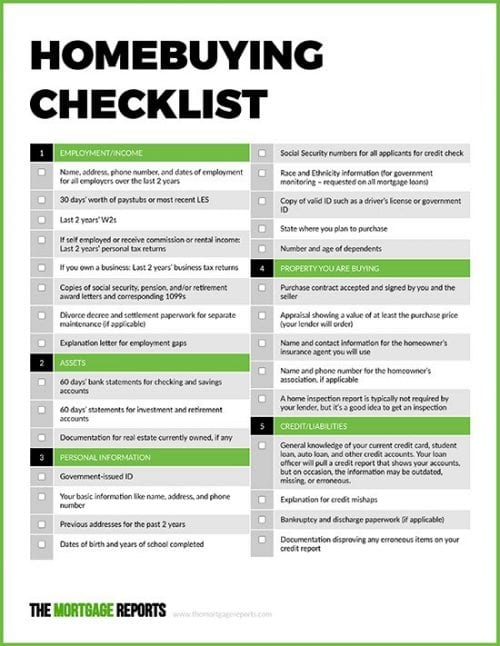
- Salaried Employees: Lenders will verify your employment through pay stubs, W-2 forms, and direct contact with your employer. They’ll look at your gross income before taxes.
- Self-Employed or Commission-Based: This can be more complex. Lenders will often require two to three years of tax returns (Schedule C for self-employed individuals) to average your income and assess its consistency. They’ll also want to see business continuity and profitability.
Brand Strategy in Finance: While not directly a lender’s concern, your “financial brand” as an applicant is influenced by the stability and perceived trajectory of your career. A consistent, upward-trending career path projects an image of financial growth and reliability, which resonates positively with lenders.
Debt-to-Income Ratio (DTI): The Balancing Act
The Debt-to-Income ratio is a critical metric that compares your total monthly debt payments to your gross monthly income. It’s a direct indicator of how much of your income is already committed to existing debts.
- Front-End DTI (Housing Ratio): This compares your potential mortgage payment (including principal, interest, taxes, and insurance – PITI) to your gross monthly income.
- Back-End DTI (Total Debt Ratio): This compares all your monthly debt obligations (including mortgage, car loans, student loans, credit card minimum payments) to your gross monthly income.
Most lenders have specific DTI limits. For instance, a common guideline is for the back-end DTI to not exceed 43%, although this can vary depending on the loan program and your overall financial profile. A lower DTI signals that you have more discretionary income available to cover your mortgage payments, making you a less risky borrower.
Money Management Tools: Many budgeting apps and financial planning tools can help you calculate your DTI and identify areas where you can reduce debt to improve this ratio. Proactive financial management is key to presenting a favorable DTI to lenders.
Assets and Reserves: The Safety Net
Beyond your income, lenders want to see that you have accumulated assets and financial reserves. These demonstrate your financial stability and your ability to weather unexpected financial storms.

Down Payment: The Initial Investment
The down payment is the portion of the home’s purchase price you pay upfront. While not strictly a lender’s evaluation of your ongoing ability, a larger down payment reduces the loan amount, thereby lowering the lender’s risk and potentially securing you a better interest rate. Some loan programs require a minimum down payment, while others, like FHA loans, allow for as little as 3.5%.
Savings and Investments: Liquid Assets
Lenders will examine your savings accounts, checking accounts, and investment portfolios to assess your liquid assets. These funds can be used for:
- Closing Costs: Expenses incurred during the mortgage process (appraisal fees, title insurance, etc.).
- Reserves: A cushion of funds to cover mortgage payments in case of job loss, illness, or other unforeseen circumstances. Lenders often require a certain number of months of mortgage payments to be held in reserve.
- Unexpected Expenses: Homeownership comes with ongoing maintenance and repair costs.
Financial Tools and Apps: Investment platforms and banking apps provide a clear overview of your assets. Lenders will request bank statements and investment account statements as proof of these funds. Ensuring these accounts are well-managed and show a consistent history of saving is important.
Property Appraisal: The Value of the Collateral
The house itself is the collateral for the mortgage. Lenders need to ensure the property’s value justifies the loan amount.
Appraisal Process: Valuing the Asset
An independent appraiser will assess the property’s market value based on its condition, features, location, and recent sales of comparable properties in the area. The appraisal report provides the lender with an estimated value.
- Loan-to-Value Ratio (LTV): This compares the loan amount to the appraised value of the property. A lower LTV generally indicates less risk for the lender. If the appraised value is lower than the purchase price, you may need to renegotiate with the seller or increase your down payment.
Tech in Real Estate: AI tools are increasingly being used by lenders and appraisers to analyze market trends, predict property values, and even automate parts of the appraisal process, leading to faster and potentially more accurate valuations.
Building a Strong Financial Brand for Mortgage Approval
In today’s competitive market, presenting yourself as a low-risk borrower is paramount. This involves not just meeting the quantitative requirements but also projecting a sense of financial responsibility and foresight. Think of your financial profile as your “personal brand” in the eyes of the lender.
Maintaining a Positive Financial Reputation
- Consistently Pay Bills On Time: This is non-negotiable. Automate payments where possible to avoid missing due dates.
- Keep Credit Utilization Low: Aim to keep your credit card balances significantly below their limits.
- Avoid Opening Too Many New Credit Accounts: Space out any new credit applications.
- Address Any Negative Marks: If you have past credit issues, work diligently to resolve them and rebuild your credit history.
Demonstrating Financial Prudence
- Save Consistently: Show a track record of saving money, even small amounts regularly.
- Manage Your Debts Strategically: Develop a plan to pay down high-interest debt.
- Understand Your Budget: Be able to articulate where your money goes and how you manage your expenses.
Personal Branding in Finance: Just as a business cultivates a strong brand identity, individuals can build a “financial brand” that signals reliability and trustworthiness to lenders. This involves consistent, responsible financial behavior that is reflected in your credit report, your savings, and your spending habits.
The Role of Technology in the Lending Process
Technology is revolutionizing how lenders assess borrowers and process mortgage applications. From AI-powered credit scoring to digital loan origination platforms, innovation is making the process faster, more efficient, and, in many ways, more transparent for borrowers.
AI and Machine Learning in Underwriting
Artificial intelligence and machine learning algorithms are being used to analyze vast amounts of data, identify complex patterns, and predict borrower risk with greater accuracy. These tools can streamline the underwriting process, allowing lenders to make quicker decisions.
Digital Tools for Borrowers
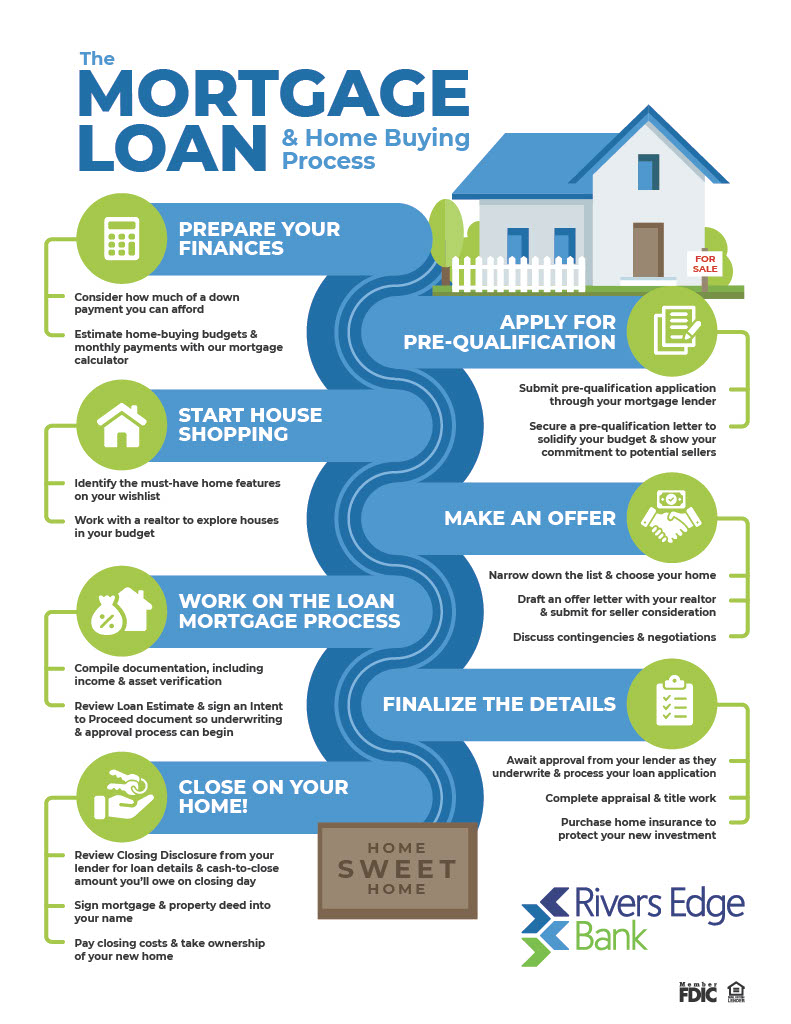
- Online Applications: Most lenders now offer online mortgage applications, allowing you to submit information and documents digitally.
- Financial Management Apps: These tools help you track spending, manage budgets, monitor credit scores, and save for a down payment.
- E-Signatures and Digital Document Management: The entire process from application to closing can be managed digitally, reducing paper waste and speeding up turnaround times.
Productivity and Digital Security: While technology offers convenience, borrowers must also be mindful of digital security when sharing sensitive financial information online. Using secure networks and reputable platforms is crucial. Furthermore, leveraging productivity tools to organize your financial documents and application progress can significantly ease the stress of the homebuying journey.
Conclusion: Preparing for Lender Scrutiny
Securing a mortgage requires a comprehensive understanding of what lenders look for. It’s a multifaceted evaluation that goes far beyond a simple credit score. By focusing on maintaining a strong credit history, demonstrating stable income and a manageable debt-to-income ratio, showcasing sufficient assets and reserves, and understanding the property’s valuation, you significantly enhance your chances of approval.
In essence, lenders are looking for a borrower who is financially responsible, has the capacity to repay the loan, and presents minimal risk. By actively managing your finances, understanding the key metrics lenders use, and leveraging available technology to your advantage, you can navigate the lending landscape with confidence and turn your dream of homeownership into a reality. The “brand” of your financial integrity, built through consistent good habits and strategic planning, will be your most powerful asset in this crucial endeavor.
aViewFromTheCave is a participant in the Amazon Services LLC Associates Program, an affiliate advertising program designed to provide a means for sites to earn advertising fees by advertising and linking to Amazon.com. Amazon, the Amazon logo, AmazonSupply, and the AmazonSupply logo are trademarks of Amazon.com, Inc. or its affiliates. As an Amazon Associate we earn affiliate commissions from qualifying purchases.