
Electronic Benefit Transfer (EBT) cards, often referred to as “food stamps,” are a vital tool in the United States for individuals and families needing assistance with purchasing food. While their primary function is to facilitate access to essential groceries, the EBT system itself is a fascinating intersection of technology, branding, and financial management. Understanding what EBT cards look like, how they operate, and their broader implications reveals a complex ecosystem designed to efficiently and discreetly deliver critical support. This article delves into the visual appearance of EBT cards, the technological backbone that powers them, the branding considerations for such essential services, and the financial landscape they navigate.

The Visual Identity: Decoding EBT Card Appearance
When you encounter an EBT card, its appearance is designed to be both familiar and functional, drawing on established conventions of payment cards while also adhering to specific regulatory and logistical requirements. The most striking visual element is, of course, the card itself.
Design and Branding Elements
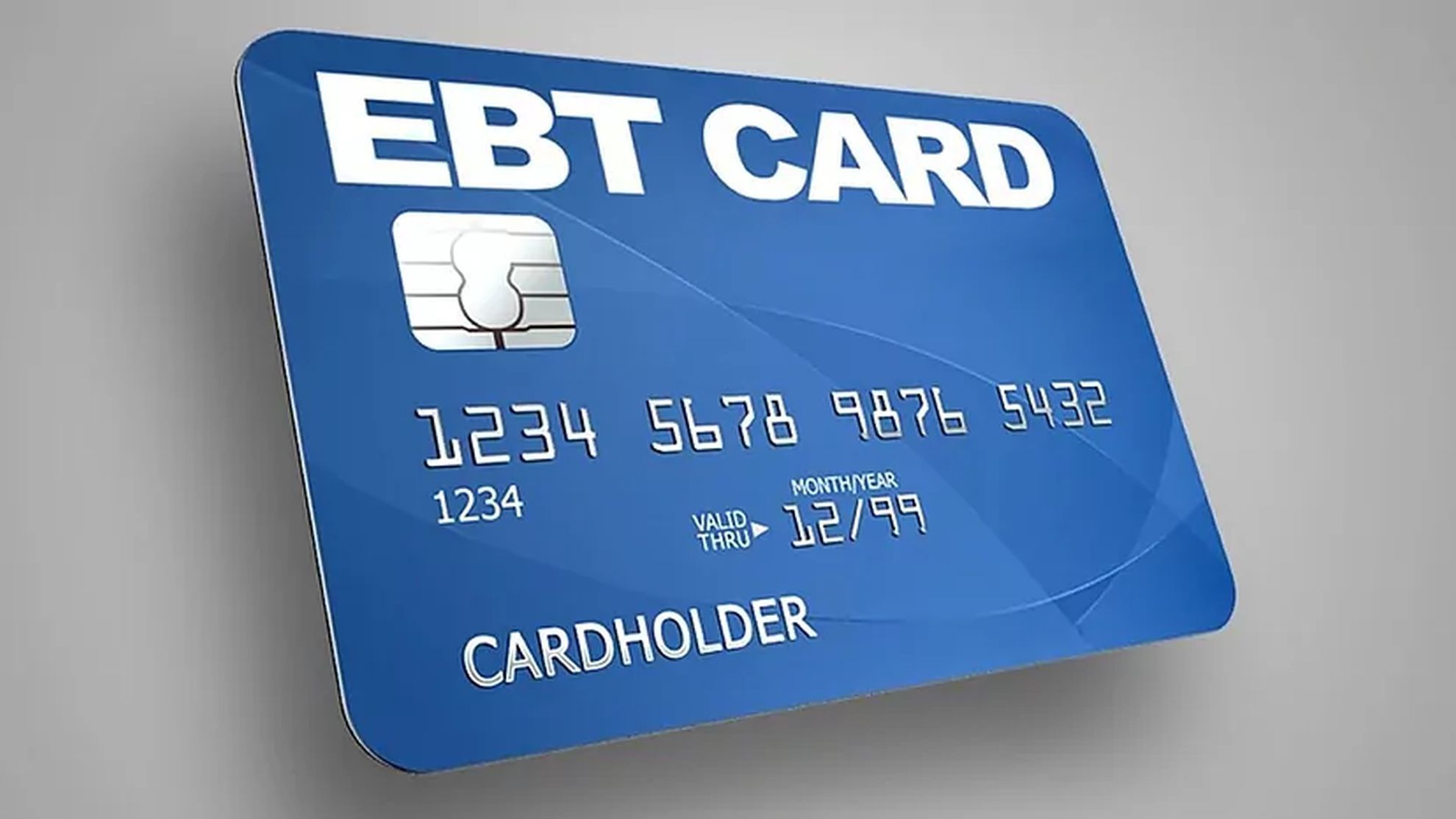
EBT cards typically resemble other debit or credit cards. They are rectangular, made of plastic, and feature a magnetic stripe on the back, as well as a chip on the front (though not all cards will have a chip). The colors and logos can vary significantly, as the system is administered at the state level. This means that an EBT card from California might look quite different from one issued in New York or Texas.
Common Visual Cues:
- State Identification: Most EBT cards prominently display the name and seal or logo of the issuing state. This is a crucial identifier for both the recipient and the merchant, indicating which state’s program the card is linked to.
- “EBT” or “Food Assistance” Branding: You’ll frequently see the acronym “EBT” clearly printed on the card, often alongside phrases like “Food Assistance,” “SNAP,” or “TANF.” These terms clearly communicate the purpose of the card and the type of benefits it holds.
- Issuing Agency Logos: Beneath the state name, you might find the logo of the state’s Department of Human Services, Social Services, or a similar welfare agency responsible for distributing benefits.
- Cardholder Information: Like other payment cards, EBT cards will have a unique card number, an expiration date, and sometimes the cardholder’s name embossed or printed on the front. However, to maintain privacy, some states opt not to print the cardholder’s name directly on the card.
- Security Features: While not always overtly visible to the casual observer, EBT cards incorporate security features similar to those found on other payment cards. These can include holograms, microprinting, and unique serial numbers to prevent counterfeiting and fraud.
- Merchant Acceptance Logos: While not as common as on general-purpose credit/debit cards, some EBT cards might display logos of networks they can be used on, such as PLUS or STAR networks, indicating wider acceptance beyond just grocery stores for certain types of benefits.
The design of EBT cards is a carefully considered aspect of brand strategy. While the primary goal is functionality, the visual presentation also plays a role in conveying legitimacy, accessibility, and dignity to recipients. A well-designed card can feel less stigmatizing and more like a standard payment method, fostering a sense of normalcy. Conversely, overly utilitarian or poorly designed cards can inadvertently reinforce negative stereotypes. State agencies work with card manufacturers and design firms to strike a balance between clear identification, essential information, and a professional, trustworthy appearance.
The Technology Underpinning EBT: A Digital Backbone for Social Support
The seemingly simple plastic card is the tip of a sophisticated technological iceberg. The EBT system is a nationwide electronic network that allows government agencies to disburse benefit payments directly to recipients’ accounts, which are then accessed via the EBT card. This technological infrastructure is critical to the efficient and secure distribution of billions of dollars in benefits annually.
How the Technology Works
At its core, the EBT system operates much like a debit card transaction. Here’s a breakdown of the key technological components:
- Benefit Issuance: State agencies load funds onto individual EBT accounts. These funds can represent SNAP benefits (for food), TANF (Temporary Assistance for Needy Families) benefits, or other state-specific programs. The funds are digitally transferred to a central processing system.
- Point-of-Sale (POS) Terminals: When an EBT cardholder makes a purchase at an authorized retailer (primarily grocery stores, but also some other authorized vendors depending on the benefit type), the POS terminal at the checkout counter reads the card’s information. This can be done by swiping the magnetic stripe or inserting the chip.
- Authorization Network: The POS terminal communicates with a secure network, often operated by a third-party vendor contracted by the state. This network verifies the card’s validity, checks the available balance for the specific benefit being used, and authorizes or denies the transaction.
- Transaction Processing: If the transaction is authorized, the funds are electronically debited from the recipient’s EBT account and credited to the retailer’s account. This process is rapid, often taking just a few seconds, mirroring the speed of conventional payment card transactions.
- Data Security and Privacy: A paramount concern in the EBT system is data security and recipient privacy. Robust encryption protocols and secure networks are employed to protect sensitive personal and financial information from unauthorized access and fraud. Federal regulations, such as those governing SNAP and TANF, mandate strict data protection measures.
- Mobile and Online Access: Increasingly, states are integrating EBT functionality with mobile apps and online portals. These digital tools allow recipients to check their balances, view transaction history, and sometimes even use their EBT benefits for online grocery purchases where permitted. This reflects the broader trend of digital transformation in financial services.
The development and maintenance of this technology are a significant undertaking, involving state governments, federal oversight agencies, and private technology contractors. The continuous evolution of payment technologies, including the widespread adoption of EMV chips and contactless payments, also influences how EBT systems are updated to maintain security and user experience. Furthermore, the integration of AI tools in fraud detection and data analytics is becoming increasingly important for ensuring the integrity of the EBT system and preventing misuse of public funds.
The Financial Ecosystem: EBT Cards and Personal Finance
EBT cards are intrinsically linked to personal finance, serving as a lifeline for individuals and families navigating financial hardship. Beyond their immediate function, they represent a crucial component of the social safety net, influencing budgeting, spending habits, and access to essential goods.

EBT in the Context of Personal Finance
Understanding EBT cards involves recognizing their role within a broader financial context:
- Budgeting and Resource Management: For recipients, EBT cards are a primary tool for managing their limited financial resources. They provide a dedicated way to purchase food, ensuring that funds are allocated to this essential need. The card’s balance acts as a clear indicator of available funds for groceries, prompting careful planning and budgeting.
- Access to Healthy Food: The SNAP program, which is primarily accessed via EBT cards, aims to improve food security and access to nutritious food for low-income individuals and families. This has direct implications for personal health and well-being, as consistent access to healthy food can positively impact physical and mental health.
- Impact on Spending Habits: The nature of EBT benefits, particularly SNAP, influences spending patterns. Recipients are typically limited to purchasing eligible food items, which can encourage healthier choices over processed or convenience foods. This focus on essential needs can also teach valuable lessons in prioritizing expenses.
- Bridging the Digital Divide (and overcoming it): While EBT represents a digital advancement over paper vouchers, disparities in technological access can still pose challenges. Not all recipients may have consistent internet access or smartphones to utilize online features. Therefore, the continued availability of physical card usage and customer support remains vital. Efforts are underway to bridge this digital divide by offering accessible online portals and mobile apps.
- Financial Literacy and Empowerment: While not explicitly a financial literacy tool, the experience of managing an EBT card can indirectly contribute to a recipient’s financial awareness. Understanding balance limits, transaction histories, and the importance of safeguarding the card can build foundational financial responsibility.
- Side Hustles and Supplementing Income: For individuals who are employed but still qualify for EBT benefits, the card can act as a supplement to their income, allowing them to allocate more of their earned wages to other essential expenses like rent, utilities, or transportation. This highlights the role of EBT as a safety net that can enable individuals to pursue side hustles or stable employment without sacrificing basic needs.
- Broader Economic Impact: The collective spending power of EBT cardholders represents a significant economic force, particularly for local businesses. The consistent flow of funds through grocery stores and other authorized retailers supports jobs and contributes to local economies.
The financial implications of EBT cards extend far beyond individual transactions. They are a testament to the government’s commitment to providing a safety net and ensuring that basic needs are met. As financial technologies evolve, so too will the EBT system, aiming to enhance accessibility, security, and overall efficiency for those who rely on it. The ongoing development of financial tools and apps that can integrate with or complement EBT usage will further empower recipients in their personal finance journeys.
aViewFromTheCave is a participant in the Amazon Services LLC Associates Program, an affiliate advertising program designed to provide a means for sites to earn advertising fees by advertising and linking to Amazon.com. Amazon, the Amazon logo, AmazonSupply, and the AmazonSupply logo are trademarks of Amazon.com, Inc. or its affiliates. As an Amazon Associate we earn affiliate commissions from qualifying purchases.