
In the rapidly evolving landscape of modern technology, the bridge between a visionary idea and a physical or digital reality is built by design engineers. While the term “engineer” often conjures images of complex blueprints and “design” suggests aesthetic flair, the role of a design engineer is a sophisticated synthesis of both. They are the architects of functionality, responsible for ensuring that the gadgets, software interfaces, and industrial machines we rely on are not only beautiful but also efficient, safe, and scalable.
As technology continues to advance at an exponential rate—driven by breakthroughs in artificial intelligence, materials science, and additive manufacturing—the scope of what a design engineer does has expanded. They are no longer just drafting components; they are orchestrating complex systems that must perform under rigorous real-world conditions. This article explores the intricate world of design engineering, the tech stacks that power their work, and how they are shaping the future of the technological ecosystem.
The Core Responsibilities: Bridging the Gap Between Concept and Creation
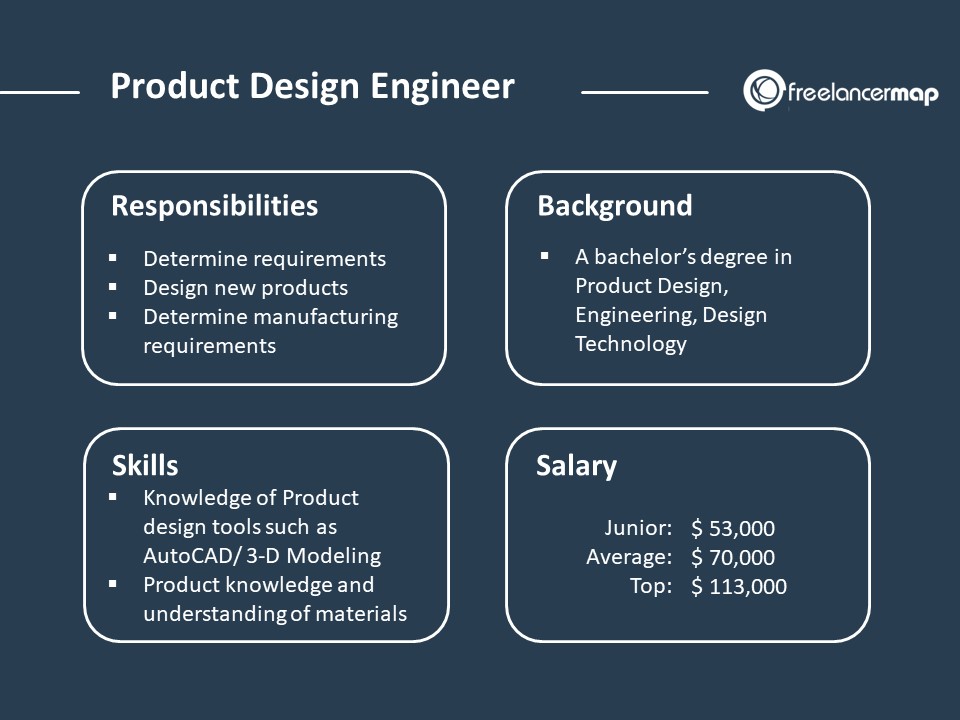
At its heart, design engineering is a problem-solving discipline. A design engineer takes a conceptual requirement—often a “pain point” identified by users or a market gap—and translates it into a technical solution. This process is rarely linear; it involves a continuous loop of creation, testing, and refinement.
Concept Development and Feasibility Analysis
The journey of any new tech product begins with a concept. However, not every creative idea is technically or physically possible. Design engineers perform the initial feasibility analysis to determine if a concept can be realized within the constraints of current technology, physics, and cost. They evaluate material properties, mechanical requirements, and potential software integrations. During this phase, they use rapid sketching and basic modeling to visualize the “guts” of a product, ensuring that the internal components can fit within the desired form factor without compromising performance.
Detailed Engineering and Technical Specifications
Once a concept is greenlit, the design engineer moves into the granular details. This involves creating comprehensive technical specifications that dictate every aspect of the product. If they are working on a piece of hardware, this includes dimensions, tolerances, and structural integrity. For digital systems, it involves defining the architecture that supports the user interface. This stage is where the “engineering” half of their title takes precedence, as they must ensure that the product adheres to international safety standards, regulatory requirements, and industry-specific protocols.
Prototyping and Iterative Testing
Perhaps the most critical function of a design engineer is the management of the prototype phase. In the tech world, “failing fast” is a virtue. Design engineers build functional prototypes—sometimes using 3D printing for hardware or wireframing tools for software—to test their assumptions. They subject these models to stress tests, thermal analysis, and usability trials. By identifying failure points early, they can iterate on the design, making incremental improvements that prevent costly errors during mass production or full-scale deployment.
The Essential Tech Stack: Software and Tools Driving the Modern Workflow
The modern design engineer’s “toolbox” is almost entirely digital. The shift from physical drafting boards to high-powered computational environments has allowed for a level of precision and complexity that was previously unimaginable.
Computer-Aided Design (CAD) and 3D Modeling
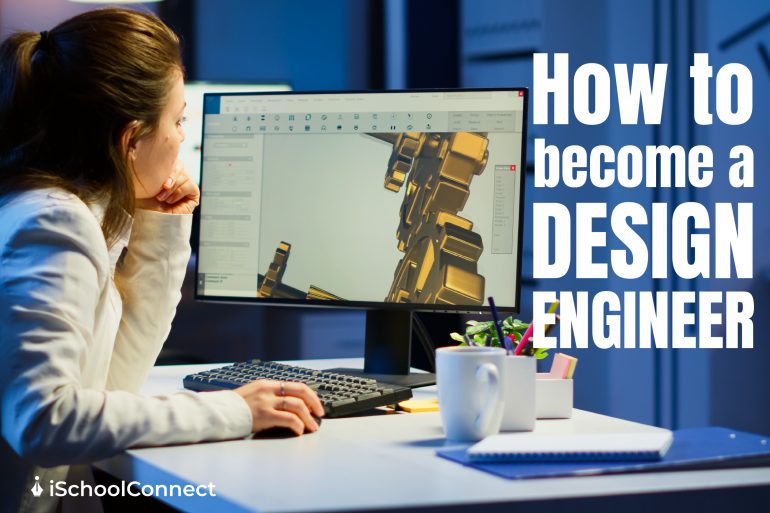
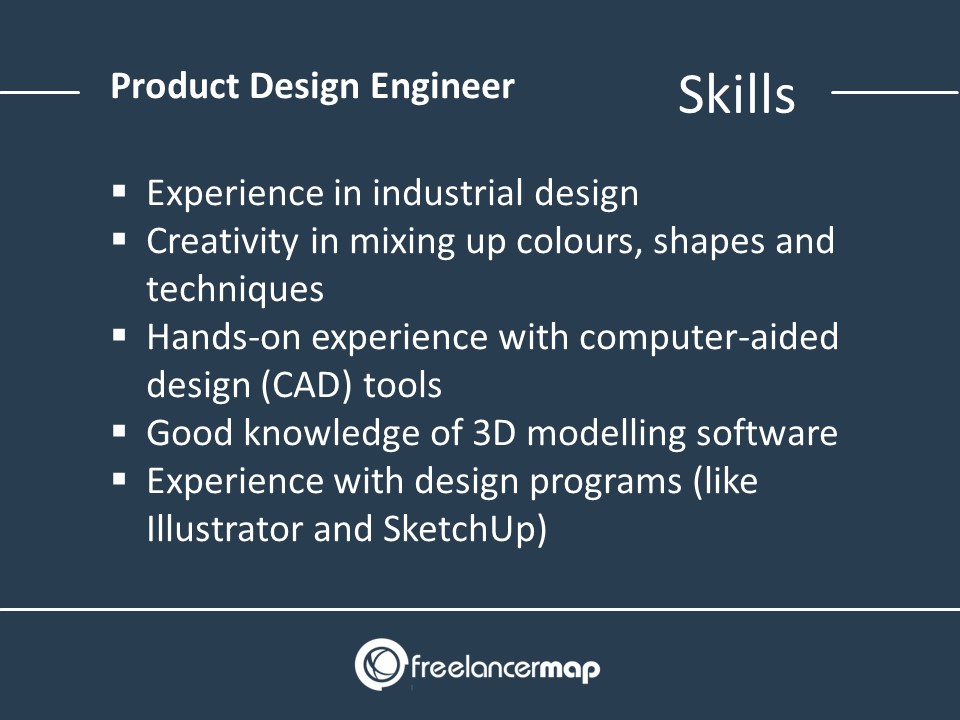
The cornerstone of design engineering is CAD software. Tools like SolidWorks, Autodesk Fusion 360, and CATIA allow engineers to create highly detailed 3D models of components and assemblies. These tools do more than just draw; they store data about material density, weight, and center of gravity. In the realm of electronics, Electronic Design Automation (EDA) tools allow design engineers to map out intricate circuit boards (PCBs) that power everything from smartphones to electric vehicle control units.
Simulation and Finite Element Analysis (FEA)
Before a physical part is ever manufactured, design engineers “torture test” it in a virtual environment. Finite Element Analysis (FEA) and Computational Fluid Dynamics (CFD) software allow engineers to simulate real-world stresses. For example, a design engineer at an aerospace company can simulate how a wing component will react to extreme turbulence and temperature fluctuations. This predictive tech minimizes the need for expensive physical testing and significantly speeds up the development cycle.
Product Lifecycle Management (PLM) Systems
In large-scale tech firms, a single product might involve thousands of individual parts and hundreds of contributors. Design engineers use PLM systems to track changes, manage versions, and ensure that everyone on the team is working from the most current data. This “single source of truth” is vital for maintaining consistency, especially when collaborating across different time zones or integrating hardware with firmware and software updates.
The Impact of Emerging Technologies: AI, IoT, and Digital Twins
We are currently witnessing a paradigm shift in design engineering, fueled by the integration of intelligence into the design process itself. The role is moving from manual creation to “augmented” creation.
Generative Design and AI-Assisted Optimization
Generative design is one of the most exciting trends in the tech niche. Instead of an engineer drawing a part, they input a set of constraints—such as maximum weight, required strength, and material type—into an AI-driven algorithm. The software then generates hundreds or even thousands of design permutations that meet those criteria. Often, these designs look “organic” or skeletal, using material only where it is absolutely necessary. Design engineers then curate and refine these AI-generated options, resulting in products that are lighter, stronger, and more efficient than human-designed counterparts.
Integrating IoT for Smart Product Development
In the era of the Internet of Things (IoT), design engineers must account for connectivity. A “dumb” product, like a traditional thermostat, requires a different engineering approach than a “smart” one. Design engineers now work to integrate sensors, antennas, and power management systems into their designs. They must consider how signal interference might be caused by the product’s casing and how to dissipate heat from processors, all while maintaining a sleek, consumer-friendly design.
Digital Twins and Real-Time Performance Monitoring
The concept of a “Digital Twin” involves creating a virtual replica of a physical asset that stays connected to the real-world version via sensors. Design engineers use digital twins to monitor how their designs perform in the field. If a fleet of wind turbines is underperforming, the design engineer can look at the digital twin data to identify mechanical wear or software glitches. This feedback loop allows for “predictive maintenance” and informs the design of the next generation of products.
Collaboration in the Tech Ecosystem: Working Across Multidisciplinary Teams
Design engineers do not work in a vacuum. Their role is inherently collaborative, acting as the connective tissue between various departments within a tech organization.
Interfacing with Software Developers and UI/UX Designers
For many modern gadgets, the hardware and software are inseparable. Design engineers work closely with UI/UX designers to ensure that the physical buttons, touchscreens, or haptic feedback systems align perfectly with the software interface. They must understand the limitations of the software (e.g., latency or battery drain) and adjust the hardware design to compensate, ensuring a seamless user experience.
Design for Manufacturability (DfM) and Supply Chain Integration
A brilliant design is useless if it cannot be manufactured efficiently. Design engineers practice DfM, which involves simplifying designs to reduce part counts and streamline assembly. They must also be tech-savvy regarding the supply chain—understanding which components are available, which materials are subject to shortages, and how to design for modularity. By collaborating with manufacturing engineers, they ensure that the transition from a laboratory prototype to a factory assembly line is as smooth as possible.
The Future of Design Engineering: Sustainability and Scalability
As we look toward the future, the responsibilities of the design engineer are expanding to include ethical and environmental considerations. The tech industry is under increasing pressure to move toward a more sustainable model.
Circular Economy and Sustainable Material Selection
The design engineers of tomorrow are focused on “Design for Disassembly.” Instead of gluing components together in a way that makes them unrepairable, they are designing products that can be easily taken apart and recycled. This involves staying at the forefront of material science—exploring bioplastics, recycled composites, and carbon-neutral manufacturing processes. The goal is to create a circular tech economy where “end-of-life” for a product simply means it becomes the raw material for the next one.
Rapid Prototyping and Additive Manufacturing (3D Printing)
Additive manufacturing is no longer just for prototypes; it is becoming a viable method for end-use production. Design engineers are leveraging 3D printing to create complex geometries that are impossible to achieve through traditional casting or machining. This allows for massive customization and “on-demand” manufacturing, reducing the need for large warehouses full of spare parts.
In conclusion, what design engineers do is provide the technical foundation for the future. They are the individuals who take the “impossible” and make it functional. By mastering a complex array of software tools, embracing the power of AI, and maintaining a focus on both human usability and industrial scalability, they ensure that the march of technology continues to improve the world we live in. Whether it is a life-saving medical device, a high-performance electric vehicle, or the next generation of wearable tech, a design engineer is the one who made it work.
aViewFromTheCave is a participant in the Amazon Services LLC Associates Program, an affiliate advertising program designed to provide a means for sites to earn advertising fees by advertising and linking to Amazon.com. Amazon, the Amazon logo, AmazonSupply, and the AmazonSupply logo are trademarks of Amazon.com, Inc. or its affiliates. As an Amazon Associate we earn affiliate commissions from qualifying purchases.