
The name James “Whitey” Bulger is synonymous with organized crime, federal corruption, and a decades-long flight from justice. However, to understand the true scope of what Whitey Bulger did, one must look past the sensationalized headlines of violence and examine the sophisticated—albeit illicit—financial engine he built. Bulger was not merely a street thug; he was the CEO of a multi-million dollar criminal enterprise known as the Winter Hill Gang. His “career” provides a grim case study in the economics of racketeering, the mechanics of money laundering, and the eventual financial liquidation of a criminal estate.

The Economics of Organized Crime: Building the Winter Hill Gang’s Revenue Streams
Whitey Bulger’s rise to power in South Boston was predicated on a ruthless understanding of market control. In the world of business, a monopoly is the ultimate goal; in the underworld, Bulger achieved this through a combination of strategic alliances and the elimination of competition. His primary “business model” was built on diversifying revenue streams to ensure a steady flow of untraceable cash.
Racketeering and Extortion: The “Taxation” of the Underworld
At the heart of Bulger’s financial success was the practice of “shaking down” other criminals. Bulger realized that he didn’t necessarily have to run every illegal operation himself. Instead, he functioned as an extra-legal regulatory body. Drug dealers, bookmakers, and loan sharks operating in his territory were required to pay a “tribute” or a “street tax.” This was essentially a protection racket where the “service” provided was the absence of violence from Bulger himself. From a financial perspective, this was high-margin revenue with zero overhead.
The Business of Bookmaking and Loan Sharking
While extortion provided a baseline income, Bulger’s gang also operated direct-to-consumer services. Illegal gambling and loan sharking (predatory lending) were the pillars of the Winter Hill Gang’s daily cash flow. Loan sharking, in particular, utilized “vig” or “vigo” (high-interest rates) that ensured borrowers were rarely able to pay back the principal, creating a recurring revenue model that lasted for years. These operations required a complex network of “runners” and “collectors,” mimicking a traditional sales and accounts receivable department in a legitimate corporation.
Market Monopoly via the Elimination of the Patriarca Family
One of the most significant “strategic moves” Bulger made was using his position as an FBI informant to dismantle his primary competition: the New England Mafia (the Patriarca family). By providing the feds with information on the Italian mob, Bulger effectively used the government to clear the market of his rivals. This allowed the Winter Hill Gang to seize a dominant market share in the Boston area, proving that in the business of crime, information is the most valuable currency.
Money Laundering and Asset Management: How Bulger Hid His Illicit Wealth
Generating millions of dollars in cash is only half the battle for a criminal mastermind; the other half is integrating that money into the legitimate economy without alerting the Internal Revenue Service (IRS). Whitey Bulger was notoriously disciplined with his finances, avoiding the flashy displays of wealth typical of many mobsters of his era.
Moving Cash in a Pre-Digital Era
In the 1970s and 80s, the lack of digital footprints made cash management easier, but the sheer volume of physical currency presented a logistical challenge. Bulger utilized a variety of “mules” and trusted associates to deposit small amounts of cash into various bank accounts—a process known as “smurfing”—to avoid triggering federal reporting requirements for transactions over $10,000.
The Role of Real Estate and Front Businesses
To provide a veneer of legitimacy, Bulger and his associates invested in real estate and small businesses. Liquor stores, in particular, were favorite vehicles for money laundering because they were cash-intensive businesses where illicit funds could be easily co-mingled with legal sales. By owning the South Boston liquor store “Southie Liquor,” Bulger had a physical headquarters and a balance sheet that could justify his lifestyle to tax authorities.
Off-Shore Accounts and Safety Deposit Boxes
As his empire grew, Bulger looked toward international diversification. It was later discovered that he maintained numerous safety deposit boxes across the United States and potentially abroad. These boxes held not just cash, but gold coins and jewelry—assets that retain value and are easily transportable. This diversified “portfolio” was designed for one specific purpose: to fund a life on the run should the authorities ever turn on him.
The Financial Impact of the FBI Partnership: A “High-Risk” Investment
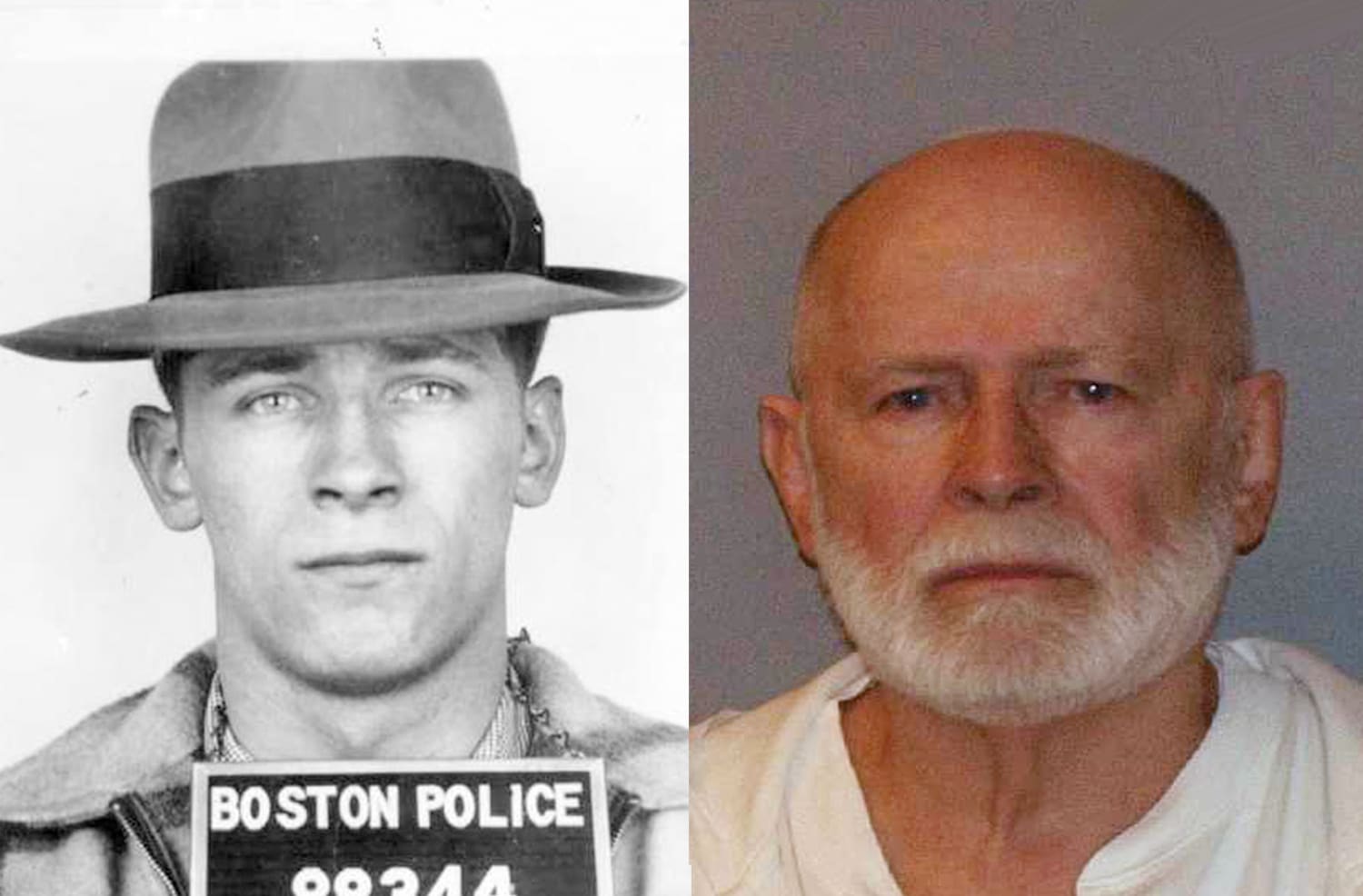
The most controversial aspect of what Whitey Bulger did involves his relationship with the FBI. For over twenty years, Bulger served as a Top Echelon informant for Special Agent John Connolly. From a business finance perspective, this relationship can be viewed as a high-risk, high-reward partnership that eventually led to a total systemic failure.
The Cost of Information: Protecting the “Golden Goose”
The FBI’s “investment” in Bulger was based on the hope that he would provide the intelligence necessary to take down the LCN (La Cosa Nostra). In exchange, the FBI provided Bulger with what amounted to a “get out of jail free” card. This protection allowed Bulger to expand his criminal enterprise with near-total immunity. The “cost” to the public was astronomical, as Bulger continued to commit murders and extort businesses under the watchful eye of federal agents.
Corruption as a Business Expense
Bulger didn’t just receive protection; he also paid for it. He provided Agent Connolly with cash “gifts” and expensive dinners, effectively putting a federal agent on his payroll. In the world of corporate finance, this would be categorized as bribery and corruption, but for Bulger, it was a necessary business expense to ensure the continuity of his operations. The eventual revelation of this corruption led to one of the biggest scandals in the history of the Department of Justice.
The Systemic Failure and Legal Liability
When the truth about the Bulger-FBI connection came to light, it triggered a wave of litigation. The federal government was held liable for the actions of their informant, resulting in tens of millions of dollars in settlements paid to the families of Bulger’s victims. This represents a rare instance where the financial “dividends” of a criminal career were effectively billed back to the taxpayers.
The Fugitive Years: The High Cost of Living Off the Grid
In 1994, tipped off by his FBI handler that an indictment was imminent, Bulger fled Boston. He spent the next 16 years as a fugitive, appearing on the FBI’s Ten Most Wanted list. His life during this period serves as a lesson in the high cost of maintaining a “liquid” lifestyle while disconnected from the traditional banking system.
Managing Liquid Assets While on the Run
Bulger and his companion, Catherine Greig, lived a seemingly modest life in Santa Monica, California, under assumed names. However, their survival depended entirely on the cash reserves Bulger had amassed during his years in power. Without the ability to earn a legal income or access credit, Bulger had to rely on his “retirement fund”—the millions of dollars he had hidden away in the decades prior.
The Santa Monica Cash Stash: A Lesson in Physical Capital
When Bulger was finally captured in 2011, FBI agents discovered more than $822,000 in cash hidden inside the walls of his apartment. He also possessed several high-quality firearms and false identifications. This “wall of cash” was his insurance policy. In the world of finance, this is a prime example of the “liquidity trap”—having massive amounts of capital that cannot be invested or utilized in the broader economy for fear of discovery, thus losing value against inflation every year.
The Opportunity Cost of Flight
While Bulger successfully avoided capture for 16 years, the opportunity cost was total. He was unable to enjoy the fruits of his labor, living in a rent-controlled apartment and constantly looking over his shoulder. The “wealth” he had accumulated was relegated to being insulation for a modest apartment, highlighting the futility of illicit wealth when the “owner” is stripped of their freedom and identity.
Asset Forfeiture and Restitution: The Final Liquidation of the Bulger Estate
The conclusion of the Whitey Bulger story involves the legal process of asset forfeiture, where the government seizes the proceeds of crime. This phase of “what Whitey Bulger did” is perhaps the most significant for his victims, as it represents the only form of financial restitution possible.
The Auction of Infamy
In 2016, the United States Marshals Service conducted an auction of Bulger’s personal belongings seized from his Santa Monica apartment. The items ranged from his “psycho” cat clock to his various books and household items. While the items themselves were often mundane, their association with the “Bulger Brand” drove prices high. The auction was a symbolic liquidation of his life, with the proceeds designated for the families of his victims.
Compensating the Victims: The Legal Financial Fallout
The primary goal of the asset forfeiture was restitution. Under federal law, the money seized from Bulger—including the $822,000 found in his walls—was to be distributed among the estates of the 19 people he was convicted (or found liable) of murdering. While the sums were small compared to the immeasurable loss of life, the financial dismantling of his empire was a necessary step in the judicial process.
The Final Balance Sheet
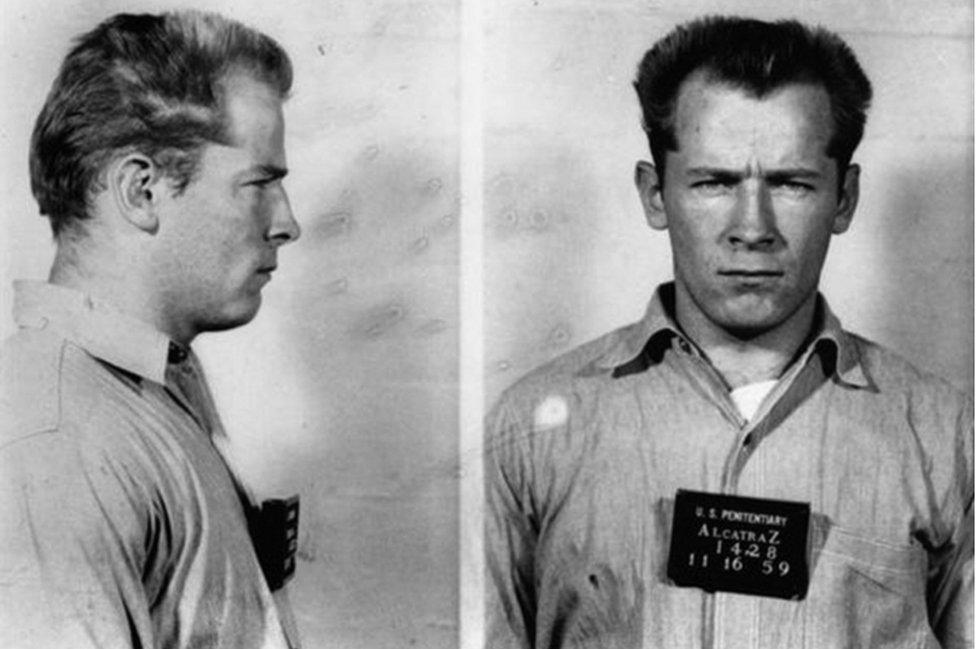
James “Whitey” Bulger died in a federal prison in 2018. His final balance sheet was one of total deficit. His criminal enterprise, once worth millions, was dismantled; his reputation as a “neighborhood protector” was revealed to be a calculated PR campaign; and his accumulated wealth was either spent on his flight or seized by the state.
In analyzing what Whitey Bulger did, we see the arc of a man who treated crime as a business, corruption as a tool, and cash as his only true ally. Ultimately, his story serves as a powerful reminder that while the “business” of crime can yield significant short-term capital, the long-term financial and personal costs are invariably catastrophic. The legacy of Whitey Bulger is not one of wealth, but of the immense debt he left behind—a debt paid in blood, corruption, and the eventual total liquidation of his life’s work.
aViewFromTheCave is a participant in the Amazon Services LLC Associates Program, an affiliate advertising program designed to provide a means for sites to earn advertising fees by advertising and linking to Amazon.com. Amazon, the Amazon logo, AmazonSupply, and the AmazonSupply logo are trademarks of Amazon.com, Inc. or its affiliates. As an Amazon Associate we earn affiliate commissions from qualifying purchases.