
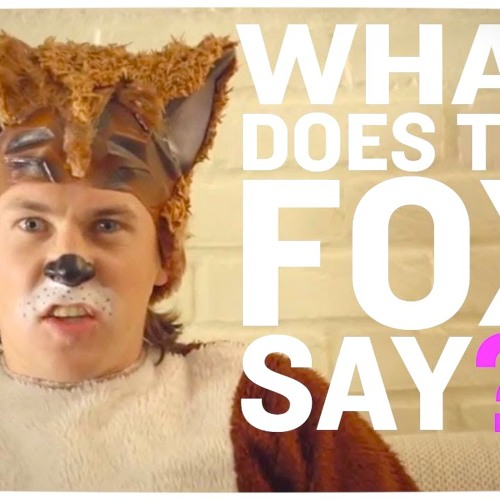
In the landscape of digital marketing and global brand recognition, few case studies are as bewildering and educational as the 2013 explosion of the Norwegian comedy duo Ylvis and their hit video, “The Fox (What Does the Fox Say?).” While often dismissed as a fleeting moment of internet “randomness,” a closer analysis from a brand strategy perspective reveals a masterclass in intentional positioning, high-value production, and the subversion of genre expectations. The video did not merely go viral; it redefined how personal brands can leverage global platforms to transition from local notoriety to international intellectual property.

The Strategic Genesis of a Global Brand Moment
To understand the success of “The Fox,” one must first look past the absurdist lyrics and examine the brand architecture of the creators, Bård and Vegard Ylvisåker. In 2013, the brothers were already established brands in Norway, hosting a popular talk show, I kveld med YLVIS. The video was never intended to be a standalone musical career move; it was a promotional vehicle for their television brand.
Intentionality vs. The “Accidental Viral” Myth
The most common misconception in brand marketing is that viral success is entirely accidental. While the scale of the video’s success was unexpected, the quality and strategic placement were highly intentional. Ylvis partnered with the production team Stargate—the same team behind hits for Rihanna and Katy Perry—to ensure the brand’s “sound” was indistinguishable from a legitimate A-list pop production. This “high-low” strategy—coupling elite production values with low-brow, absurdist content—created a cognitive dissonance that is a powerful driver of brand engagement.
The Talk Show Lever
By using the video as a season premiere promotional tool for their talk show, the Ylvis brothers demonstrated how a sub-brand (a single song) can be used to funnel attention toward a primary brand (the television show). This is a classic brand ecosystem maneuver: creating a low-barrier-to-entry “hook” that leads the audience into a deeper, more sustainable relationship with the core product.
Visual Identity and Creative Consistency
A brand’s visual identity is often what anchors it in the consumer’s mind. “The Fox” succeeded because it adhered to a strict, professional aesthetic that contrasted sharply with its lyrical content. This visual-auditory friction is what made the brand “sticky” in a crowded digital marketplace.
High Production Values as a Trust Signal
In the early 2010s, most “comedy” videos on YouTube featured low-resolution, amateur cinematography. Ylvis chose a different path, investing in high-definition cinematography, professional costume design, and sophisticated CGI. By maintaining high production standards, they signaled to the audience that their brand was one of quality, regardless of how “silly” the content was. This professional veneer allowed the brand to be taken seriously by major media outlets like The Ellen DeGeneres Show and The Today Show, facilitating a seamless transition from the web to traditional television.
The Absurdist Aesthetic as Brand Differentiator
In a world of saturated “cool” pop music, the Ylvis brand leaned into the “weird.” By carving out a niche that combined slick Scandinavian pop sensibilities with surrealist humor, they created a unique market position. For a brand to stand out, it must either be the best or the only. Ylvis couldn’t realistically compete with the world’s biggest pop stars on “coolness,” so they chose to be the only ones operating at that production level with that specific brand of humor.
Distribution and the Power of Shareability

Modern brand strategy is as much about distribution as it is about creation. “The Fox” utilized several key psychological and technical levers to ensure that once the brand hit the market, it would spread organically across diverse demographics.
Tapping into Universal Curiosity
The “Fox” brand was built on a premise that was universally accessible: the mystery of an animal sound. By centering the brand around a question (“What does the fox say?”), they invited audience participation. This is a “looping” brand strategy, where the content poses a question that the audience feels compelled to share and discuss. It broke through language barriers because the sounds—”Gering-ding-ding-ding-geringeding!”—were phonetic and translatable across cultures.
Cross-Platform Synergy
Ylvis and their management team understood that a brand cannot live on YouTube alone. They quickly moved to integrate the “Fox” identity into physical merchandise, children’s books, and digital streaming platforms like Spotify. This multi-touchpoint strategy ensured that the brand lived in the ears, eyes, and hands of the consumers. When a brand can occupy multiple physical and digital spaces simultaneously, its perceived value and cultural weight increase exponentially.
Brand Longevity: Beyond the One-Hit Wonder
The greatest challenge for any viral brand is avoiding the “one-hit wonder” graveyard. The Ylvis brothers managed this by staying true to their core brand identity: they were comedians first, musicians second.
Monetizing the Buzz Without Diluting the Brand
Following the video’s success, the brothers were flooded with offers to record a full serious pop album. They declined. This was a critical brand preservation move. By refusing to pivot into a lane that wasn’t theirs (serious music), they preserved the integrity of their comedic brand. Instead, they leveraged the fame to secure better guests for their talk show and to sell out live comedy tours. They monetized the attention, not just the song.
Maintaining Personal Brand Integrity
The Ylvis brothers remained remarkably grounded throughout the global mania. In interviews, they positioned themselves as the “outsiders” who were just as surprised as everyone else. This humility became a core part of their brand persona, making them likable and relatable. For a brand, being “likable” is often the difference between a short-term trend and a long-term legacy. They didn’t try to “own” the fox forever; they used it as a stepping stone to solidify their status as Norway’s premier entertainment exports.
The Modern Blueprint for Viral Brand Marketing
Looking back, “The Fox” provides a blueprint for how corporate and personal brands should approach content in the 2020s. The digital landscape has changed, but the fundamental principles of brand psychology remain the same.
Lessons for Corporate Brands
Corporate brands often fail at “viral” content because they are too afraid of looking foolish. The lesson from Ylvis is that vulnerability and absurdity, when backed by high-quality execution, are powerful tools for humanizing a brand. A brand that can laugh at itself while maintaining a professional standard of output wins the consumer’s heart. It creates a “personality” that people want to interact with, rather than a corporate facade they want to ignore.
The Risk and Reward of Authenticity
Finally, “The Fox” illustrates the power of creative authenticity. The Ylvis brothers made the video because they thought it was funny, not because they were trying to hack an algorithm. In an era where “authentic” branding is a buzzword, the Ylvis brothers showed what it actually looks like: taking a niche, weird idea and executing it with 100% commitment. When a brand commits fully to its unique vision, the audience senses that conviction, and that is what ultimately drives the “share” button.
In conclusion, “What Did the Fox Say?” was not a fluke of the internet; it was a well-executed brand launch that utilized high-tier production, strategic positioning, and universal curiosity to capture the world’s attention. By analyzing it through the lens of brand strategy, we see that the most “nonsense” content can often be the result of the most sensible strategic thinking. For any brand looking to make a mark in the digital age, the fox has a lot to say about the power of creativity, quality, and the courage to be different.
aViewFromTheCave is a participant in the Amazon Services LLC Associates Program, an affiliate advertising program designed to provide a means for sites to earn advertising fees by advertising and linking to Amazon.com. Amazon, the Amazon logo, AmazonSupply, and the AmazonSupply logo are trademarks of Amazon.com, Inc. or its affiliates. As an Amazon Associate we earn affiliate commissions from qualifying purchases.