
When we discuss the titans of the technological revolution, names like Thomas Edison, Alexander Graham Bell, and Nikola Tesla frequently dominate the conversation. However, the infrastructure of our modern digital and electrical world owes an equal debt to a man whose technical precision and innovative spirit often operated behind the scenes: Lewis Howard Latimer. An inventor, draftsman, and engineer, Latimer did more than just “invent” individual devices; he optimized the very hardware that allowed the 19th-century tech boom to scale into the global utility it is today.
In the context of modern technology, Latimer’s work represents the transition from theoretical science to practical, scalable hardware. His contributions to the light bulb, the telephone, and early climate control systems are the foundational precursors to the gadgets and infrastructure we rely on in the 21st century.
The Carbon Filament: Scaling the Hardware of Light
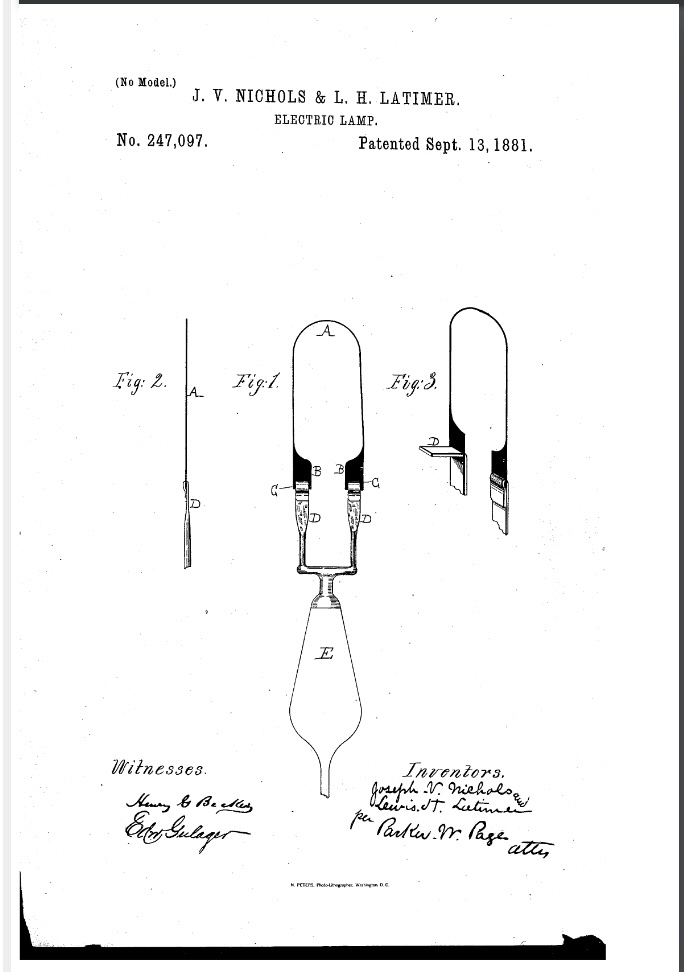
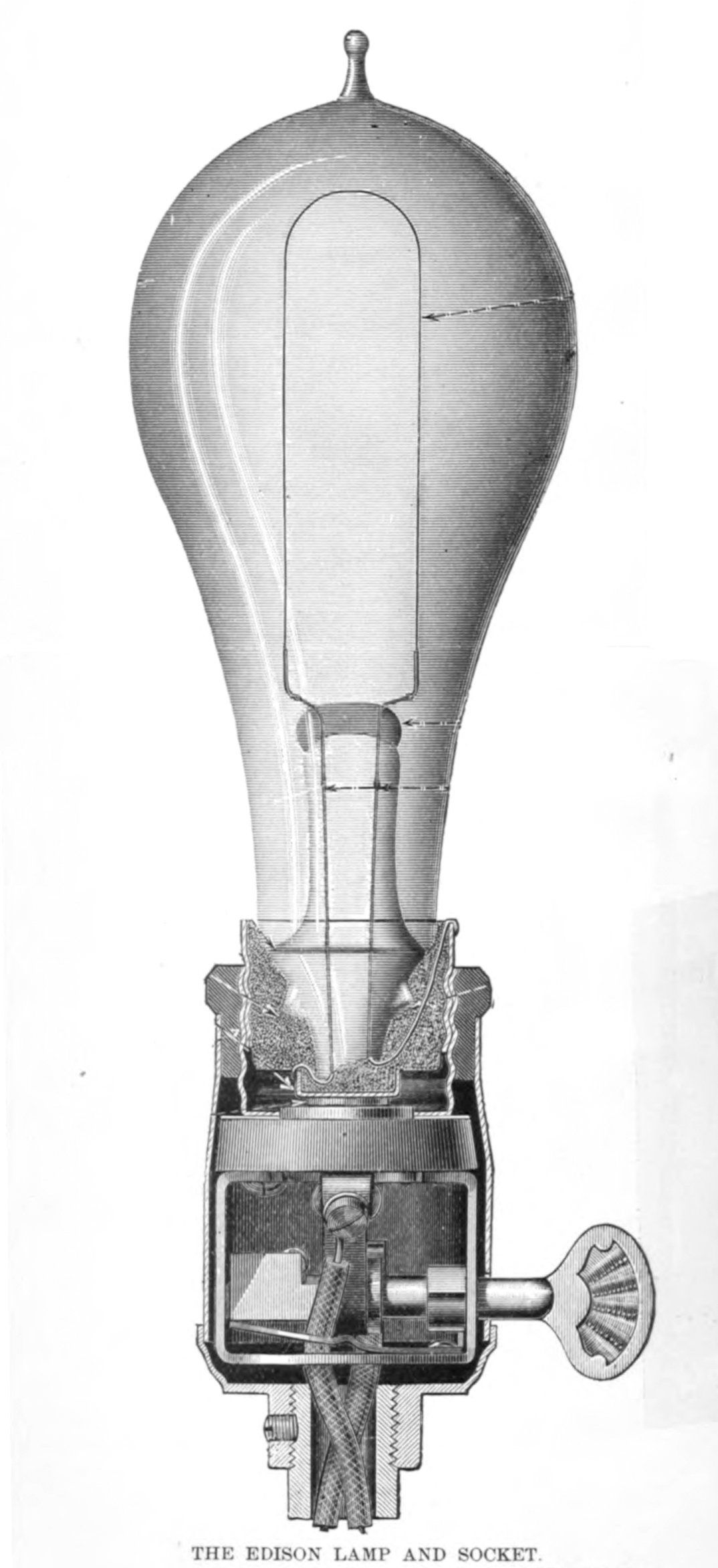
While Thomas Edison is widely credited with the invention of the incandescent light bulb in 1879, his early models were commercially unviable. The original bulbs utilized a paper or bamboo filament that would burn out within a few hours, making them expensive novelties rather than practical tools for a burgeoning society. This is where Lewis Latimer’s most significant technological breakthrough occurred.
The “Latimer Process” for Carbon Filaments
In 1881, while working for the United States Electric Lighting Company—a rival to Edison’s firm—Latimer patented a new method for creating carbon filaments. He realized that the primary failure of early bulbs was the rapid disintegration of the filament under high heat. Latimer developed a process for encasing the carbon filament in a cardboard envelope, which prevented the carbon from breaking during the manufacturing process and allowed the filament to last much longer.
This was a classic “hardware optimization” move. By increasing the durability and longevity of the filament, Latimer transformed the light bulb from a fragile prototype into a mass-producible consumer gadget. Without this advancement, the electrification of cities would have been delayed by decades.
Democratizing Technology through Manufacturing
Latimer’s invention didn’t just improve the product; it lowered the cost of production. In the tech industry today, we see this reflected in the transition from expensive, niche prototypes to affordable consumer electronics. Latimer’s process made light bulbs cheaper to manufacture, which in turn made electric lighting accessible to the average household, not just the elite. This democratization of technology is a cornerstone of tech growth, mirroring how advancements in semiconductor manufacturing eventually put a computer in every pocket.
Engineering the Telephone: The Drafting Behind the Dial
In the tech sector, the “first to file” is often the one who defines history. Before he revolutionized the lighting industry, Latimer played a critical role in the development of the telephone. Working as a head draftsman at a patent law firm, Latimer was sought out by Alexander Graham Bell to help execute the technical drawings required for a patent application.
Precision Drafting as the Software of the 19th Century
In the 1870s, technical drawings were the equivalent of modern source code. They provided the logical architecture and physical blueprints that proved a concept could actually function. Bell was in a frantic race against Elisha Gray to file the patent for the telephone. Latimer’s ability to translate complex mechanical concepts into precise, legally binding technical illustrations allowed Bell to submit his patent application just hours before his rival.
Latimer’s work on the telephone reminds us that technology is rarely the result of a single “genius.” Instead, it is a collaborative effort involving engineers who can document, visualize, and refine the core architecture of an invention.
Intellectual Property and Tech Development
Latimer’s deep understanding of patent law and technical drafting highlight a crucial aspect of the tech industry: Intellectual Property (IP). By helping Bell secure the patent, Latimer assisted in establishing one of the most powerful tech monopolies in history. His career emphasizes that in the world of technology, having a great idea is only half the battle; the ability to document and protect that idea is what leads to market dominance and industry standardization.
Beyond Light and Sound: HVAC and Safety Innovations
Latimer’s inventive mind was not confined to electricity and communication. He applied his engineering principles to solve everyday problems, leading to inventions that were precursors to modern environmental tech and safety hardware.
The Forerunner to Modern Air Conditioning
In 1886, Latimer patented an “Apparatus for cooling and disinfecting.” At the time, hospitals and public buildings struggled with air quality and temperature regulation. Latimer’s device used a system of filters and moisture to cool and deodorize the air. While we take HVAC systems for granted today, Latimer’s invention was a pioneer in “Climate Tech,” addressing the intersection of human comfort and public health through mechanical engineering.
This invention showed Latimer’s foresight in “user experience” (UX). He wasn’t just interested in the mechanics of a machine; he was interested in how that machine improved the environment of the user. This human-centric approach to engineering remains a core principle in modern hardware design, from smart thermostats to wearable health monitors.
Enhancing Urban Mobility: The Locking Elevator Door
As cities began to grow vertically, the safety of elevators became a primary tech concern. Latimer contributed to this field by inventing an improved system for locking elevator doors. Before his intervention, manually operated doors were prone to human error, leading to significant safety risks. Latimer’s mechanical solution helped automate the security of the elevator car, an early example of “fail-safe” engineering that is now standard in everything from autonomous vehicles to industrial robotics.
The Patent Process: Bridging the Gap Between Concept and Commercial Tech
To understand Lewis Latimer’s impact, one must look at his role as a “Technology Specialist.” He was one of the few individuals who could span the gap between a raw scientific discovery and a commercially viable product. This role is equivalent to a modern Chief Technology Officer (CTO) or a Lead Hardware Engineer.
Systematic Innovation and Documentation
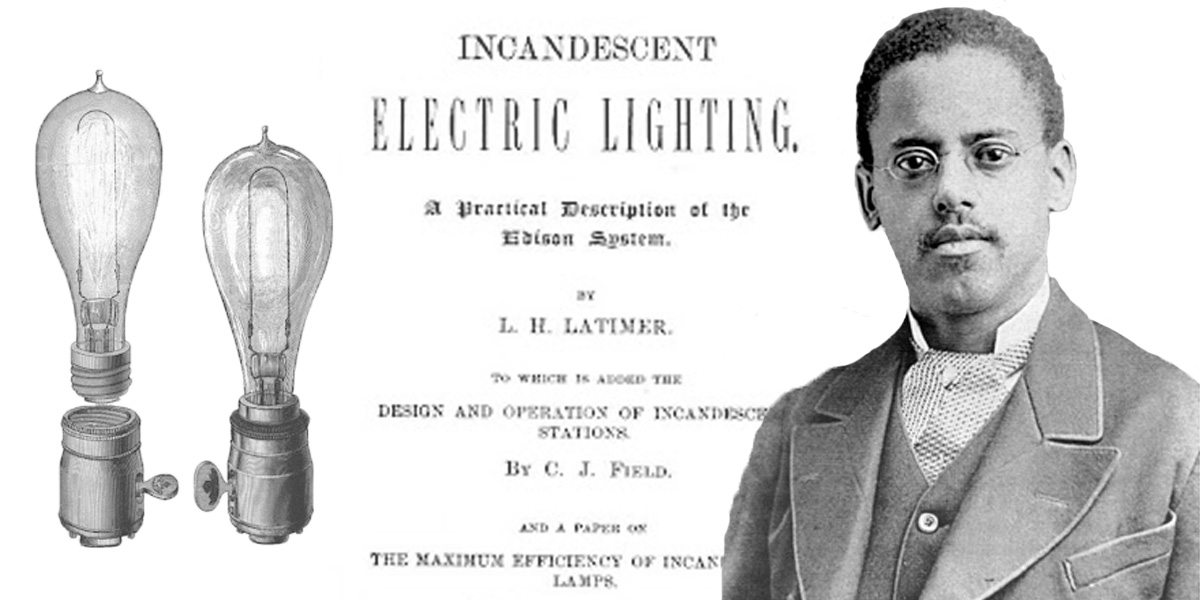
One of Latimer’s most enduring contributions to the tech world was his book, Incandescent Electric Lighting: A Practical Description of the Edison System, published in 1890. This was essentially the “technical documentation” or “user manual” for the electrical grid. In a time when electricity was a terrifying and misunderstood new force, Latimer’s writing provided the clarity needed for engineers and technicians to install and maintain these systems.
In modern software development, documentation is often as important as the code itself. Latimer understood that for a technology to achieve “network effects” and widespread adoption, there must be a clear, standardized way for others to interact with it.
The Edison Pioneers
Latimer was the only Black member of the “Edison Pioneers,” a group of 28 elite scientists and engineers who worked closely with Thomas Edison. Within this group, Latimer served as an expert witness in patent litigations. His deep knowledge of how components worked—and how they differed from competitors—made him the ultimate “Full-Stack” expert of his era. He understood the chemistry of the filaments, the physics of the vacuum, the mechanics of the manufacturing, and the legalities of the patent.
The Lasting Impact on Today’s Tech Ecosystem
Lewis Latimer’s inventions are not merely historical artifacts; they are the genetic ancestors of the gadgets we use today. When we look at the evolution of hardware, we see Latimer’s fingerprints on several key trends.
From Carbon Filaments to LEDs
The trajectory from Latimer’s durable carbon filament to today’s Light Emitting Diodes (LEDs) is a straight line of energy efficiency and material science. Latimer’s work was the first major “patch” to the lighting system, proving that material science is the key to hardware longevity. Today, tech companies continue this work by seeking new materials like graphene or gallium nitride to make our processors faster and our screens brighter.
A Legacy of Collaborative Innovation
Perhaps the most important takeaway from Latimer’s career is the reminder that technology thrives on diversity of thought and collaborative engineering. Latimer was an expert at taking an existing framework (like Edison’s bulb or Bell’s telephone) and identifying the critical friction points that prevented it from scaling.
In the modern tech landscape, we often celebrate the “Disruptor.” However, Latimer reminds us of the value of the “Optimizer.” He was the engineer who made things work better, last longer, and cost less. In an era of “move fast and break things,” Latimer’s legacy is a testament to the power of precision, documentation, and sustainable hardware design.
What did Lewis Latimer invent? He invented the means for technology to enter the home. He invented the durability that allowed a global electrical infrastructure to form. Most importantly, he invented a blueprint for the modern tech professional: a polymath who understands that true innovation lies at the intersection of engineering, design, and accessibility.
aViewFromTheCave is a participant in the Amazon Services LLC Associates Program, an affiliate advertising program designed to provide a means for sites to earn advertising fees by advertising and linking to Amazon.com. Amazon, the Amazon logo, AmazonSupply, and the AmazonSupply logo are trademarks of Amazon.com, Inc. or its affiliates. As an Amazon Associate we earn affiliate commissions from qualifying purchases.