
The name Jerry Sandusky is inextricably linked to one of the most shocking and disturbing scandals in recent American history. While the immediate question many ask is “what did Jerry Sandusky do?”, the answer delves into a dark and complex narrative of abuse, betrayal, and the systemic failures that allowed such profound harm to occur. Beyond the individual actions, understanding Sandusky’s crimes also necessitates examining the broader context of his influence, the organizations he operated within, and the lasting repercussions on victims, institutions, and the public’s trust.
The Allegations and the Trial: Uncovering the Truth
At its core, the Jerry Sandusky case revolves around a series of heinous crimes committed against young boys. For years, Sandusky, a former defensive coordinator for the Penn State Nittany Lions football team, allegedly sexually abused multiple children. The accusations painted a grim picture of a trusted figure within a prominent athletic program exploiting his position and influence to prey on vulnerable individuals.

The allegations came to light through a series of investigative efforts, most notably the reporting by Sara Ganim of the Patriot-News in Harrisburg, Pennsylvania. Her relentless pursuit of the story, often in the face of significant pressure, was instrumental in bringing the full extent of Sandusky’s actions to public attention. The ensuing investigation and subsequent legal proceedings were protracted and emotionally charged, as the justice system grappled with the immense weight of the evidence and the devastating impact on the victims.
The trial itself became a national spectacle, dissecting the timeline of abuse, the alleged methods of coercion and manipulation, and the corroborating testimony of victims and those who witnessed or were aware of suspicious behavior. Prosecutors meticulously pieced together the evidence, aiming to prove Sandusky’s guilt beyond a reasonable doubt. The defense, conversely, sought to sow doubt and challenge the credibility of the prosecution’s case.
The Nature of the Crimes: Abuse of Power and Trust
The crimes committed by Jerry Sandusky were not random acts of violence. They were characterized by a systematic exploitation of power and trust. As a revered figure in the highly visible world of college athletics, Sandusky wielded considerable influence. He used his status within the Penn State football program and his charitable organization, “The Second Mile,” to gain access to children and establish an environment where his predatory behavior could flourish.
The legal proceedings detailed how Sandusky allegedly groomed his victims, often targeting them at his home, at the Penn State campus, and during youth events. The methods employed were varied, ranging from physical abuse to psychological manipulation, leaving deep and lasting scars on those he victimized. The sheer number of victims and the prolonged nature of the abuse underscored the horrific extent of his depravity.
The trial aimed to bring justice to these survivors, providing them with a platform to share their stories and hold their abuser accountable. The testimony of the victims was pivotal in the prosecution’s case, offering firsthand accounts of their experiences and the trauma they endured. This process, while necessary for accountability, was undoubtedly re-traumatizing for the survivors.
Systemic Failures: The Role of Penn State and Beyond
The Jerry Sandusky scandal extended far beyond the actions of a single individual. A critical element of the aftermath and ongoing discussion has been the examination of systemic failures within Penn State University and potentially other institutions that enabled or overlooked Sandusky’s actions. The question of how such egregious abuse could persist for so long within a prominent organization became a central focus.
The Freeh Report and Institutional Responsibility
One of the most significant post-trial developments was the commissioning of an independent investigation led by former FBI Director Louis Freeh. The resulting Freeh Report was damning, highlighting significant failings by senior university officials, including then-President Graham Spanier, Athletic Director Tim Curley, and Senior Vice President Gary Schultz. The report alleged that these individuals were aware of allegations of child abuse involving Sandusky but failed to take appropriate action, prioritizing the university’s reputation and the football program over the safety of children.
The Freeh Report outlined a culture of silence and a deliberate effort by some within the university’s leadership to conceal the truth. This systemic negligence, the report argued, created an environment where Sandusky could continue his crimes without immediate intervention. The findings led to a cascade of consequences, including the dismissal or resignation of key figures within the university administration and significant sanctions against the Penn State football program by the NCAA.
The Impact on Brand and Reputation

The scandal had a devastating impact on the brand and reputation of Penn State University. A storied institution with a proud athletic tradition found itself embroiled in a national controversy that tarnished its image. The university’s handling of the allegations, as detailed in the Freeh Report, led to widespread public outcry and a significant loss of trust.
The article’s focus on “Brand” is particularly relevant here. Penn State’s brand, built over decades on academic excellence and athletic prowess, was severely damaged. The university had to engage in extensive efforts to rebuild its reputation, focusing on transparency, accountability, and a renewed commitment to safeguarding its community. This involved significant cultural shifts, policy changes, and a dedicated effort to listen to and support survivors.
The scandal also served as a stark reminder of the importance of robust corporate identity and ethical leadership. The perceived failure of leadership at Penn State raised questions about the mechanisms in place to ensure ethical conduct and protect vulnerable individuals within large organizations.
The Long Shadow: Legal Ramifications and Societal Impact
The legal and societal ramifications of the Jerry Sandusky case continue to resonate years later. The criminal convictions against Sandusky brought a measure of justice to his victims, but the road to healing and recovery for survivors is a lifelong journey.
Legal Proceedings and Accountability
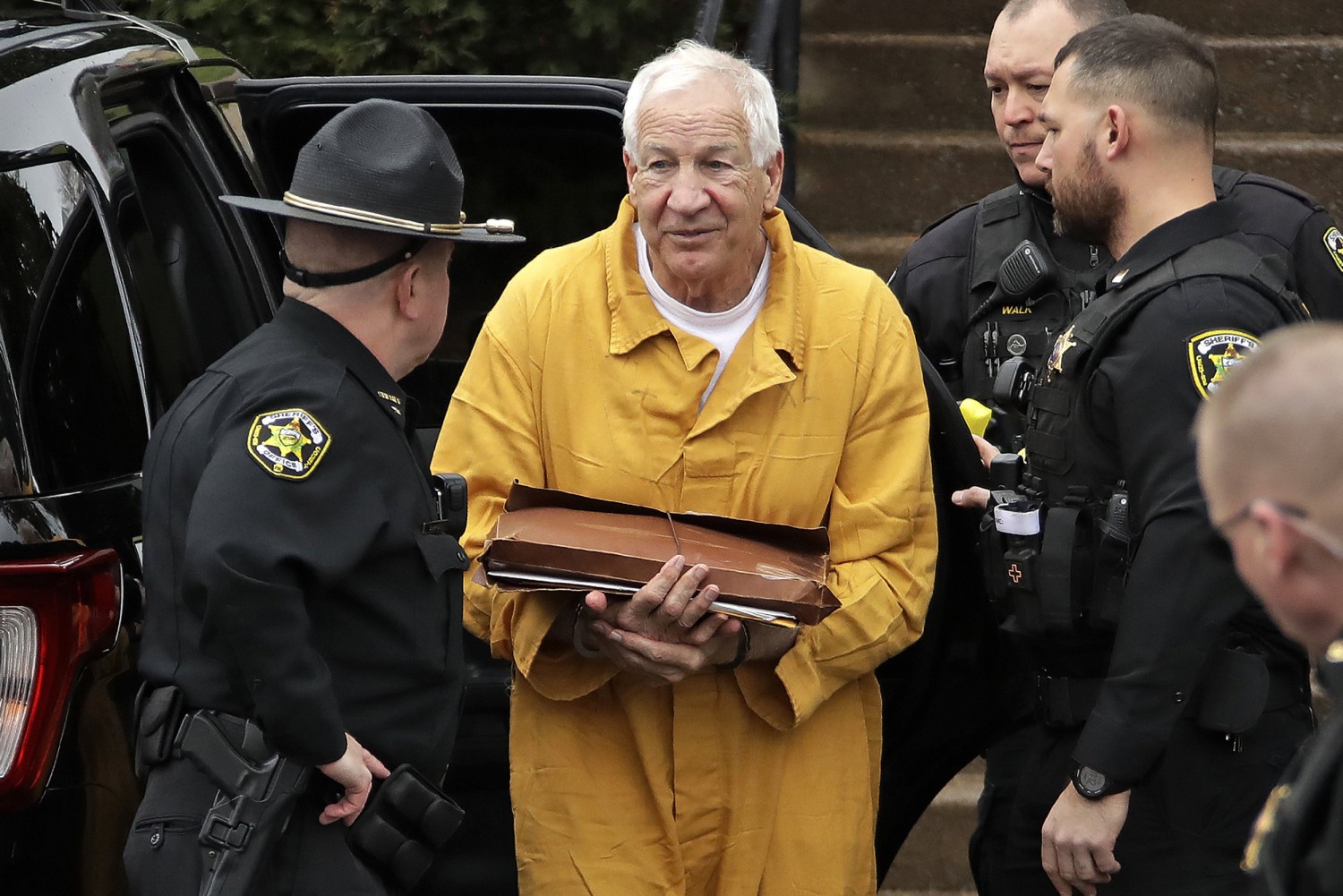
Jerry Sandusky was ultimately convicted on 45 counts of child sexual abuse. His sentencing to 30 to 60 years in prison provided a definitive legal conclusion to the criminal aspect of the case against him. However, the legal landscape surrounding the scandal also extended to other individuals. Several former Penn State officials faced charges related to their alleged roles in covering up or failing to report the abuse. While some of these cases resulted in plea deals or acquittals, they underscored the broader accountability sought by victims and the public.
Beyond the criminal proceedings, the scandal also triggered a wave of civil lawsuits filed by victims and their families against Penn State University and other entities. These lawsuits sought compensation for the immense harm caused by Sandusky’s actions and the alleged complicity of the university. The resolution of these civil matters has been a complex and often protracted process, aiming to provide financial and emotional restitution to those who suffered.
Financial and Emotional Repercussions
The financial and emotional repercussions of the scandal are profound and multifaceted. For the survivors, the trauma of abuse has had a lasting impact on their mental health, relationships, and overall well-being. The public nature of the trial and the subsequent media attention, while essential for shedding light on the crimes, could also be re-traumatizing for those who wished for privacy in their healing process.
From a financial perspective, the university faced significant legal costs, settlements, and reputational damage control measures. The NCAA sanctions, including a bowl ban and vacated wins, also had financial implications for the athletic department and the broader university community. The article’s “Money” section is indirectly relevant here, as such scandals can lead to substantial financial liabilities for organizations and individuals involved.
Lessons Learned and the Path Forward
The Jerry Sandusky scandal serves as a critical case study for organizations across all sectors, particularly those that work with children or operate in the public eye. The events exposed profound vulnerabilities and highlighted the urgent need for robust safeguarding policies, transparent reporting mechanisms, and a culture that prioritizes the well-being of individuals over institutional protection.
The ongoing dialogue and increased awareness generated by this case have led to a greater emphasis on:
- Child Protection: Implementing and rigorously enforcing child abuse prevention and reporting protocols in all organizations that interact with minors.
- Whistleblower Protection: Creating secure and effective channels for individuals to report misconduct without fear of retaliation.
- Ethical Leadership: Fostering an environment where ethical conduct is paramount and leaders are held accountable for their actions and inaction.
- Transparency and Accountability: Embracing open communication and accepting responsibility when failures occur.
In essence, the question of “what did Jerry Sandusky do?” is not just about the acts of a single predator. It is also a question that compels us to examine the systems, cultures, and individuals that allowed such crimes to occur and endure. The legacy of this scandal is a somber reminder of the importance of vigilance, the courage of survivors, and the ongoing societal imperative to protect the vulnerable and ensure that justice prevails.
aViewFromTheCave is a participant in the Amazon Services LLC Associates Program, an affiliate advertising program designed to provide a means for sites to earn advertising fees by advertising and linking to Amazon.com. Amazon, the Amazon logo, AmazonSupply, and the AmazonSupply logo are trademarks of Amazon.com, Inc. or its affiliates. As an Amazon Associate we earn affiliate commissions from qualifying purchases.