
The world of software engineering is a vibrant, ever-evolving landscape, beckoning those with a passion for innovation, problem-solving, and creation. From crafting the apps that streamline our daily lives to architecting the complex systems powering artificial intelligence, software engineers are at the forefront of technological advancement. It’s a field renowned for its high demand, intellectually stimulating challenges, and attractive compensation, naturally leading many aspiring professionals to ask: “What degree do I actually need to become a software engineer?”
The answer, perhaps surprisingly, is more nuanced than a simple singular credential. While a traditional degree remains a highly valued pathway, the tech industry, driven by its rapid pace and meritocratic culture, increasingly recognizes a broader spectrum of qualifications. This article will delve into the various educational avenues available, exploring not just the degrees, but also the crucial skills, experiences, and personal branding elements that truly pave the way to a successful career in software engineering, aligning with the dynamic nature of technology, career growth, and personal finance strategies.
The Traditional Pathway: Computer Science and Related Degrees
For decades, the Bachelor’s degree in Computer Science (CS) has been the gold standard for aspiring software engineers, and for good reason. It provides a robust theoretical foundation that prepares individuals for a wide array of technical challenges and an ever-changing technological landscape. However, it’s not the only academic path, with related disciplines offering more specialized or practical focuses.
The Core Foundation: Computer Science
A degree in Computer Science is arguably the most comprehensive academic preparation for a software engineering career. It delves deep into the theoretical underpinnings of computation, equipping students with a profound understanding of how computers work and how to design efficient, scalable, and robust software solutions. Core subjects typically include:
- Algorithms and Data Structures: Essential for writing efficient code and solving complex computational problems. This knowledge is crucial for optimizing software performance and understanding the trade-offs in design.
- Programming Languages: While specific languages might change, CS programs teach foundational programming concepts using languages like Python, Java, C++, or JavaScript, allowing graduates to quickly adapt to new tools and frameworks.
- Operating Systems and Computer Architecture: Understanding how hardware and software interact at a fundamental level, vital for performance optimization and debugging.
- Discrete Mathematics and Logic: Developing the critical thinking and problem-solving skills necessary for abstract reasoning and formal verification, which underpins much of software development.
- Software Engineering Principles: Methodologies for designing, developing, testing, and maintaining software systems, often including topics like agile development and version control.
The value of a Computer Science degree lies not just in specific language proficiency, but in fostering analytical thinking, problem-solving abilities, and a deep conceptual understanding that allows graduates to tackle novel challenges and adapt to new technology trends, whether it’s the latest AI tools or emerging cloud computing platforms. This strong theoretical base makes CS graduates highly versatile and gives them a significant advantage in roles requiring complex architectural design or research and development.
Related Disciplines: Software Engineering, IT, and Data Science
While Computer Science provides a broad foundation, other degrees offer more targeted preparation for specific aspects of the software development lifecycle or specialized domains:
- Software Engineering Degrees: These programs often have a more practical, application-oriented focus compared to pure Computer Science. They emphasize the entire software development lifecycle (SDLC), project management, quality assurance, and teamwork. Students learn about software design patterns, testing methodologies, and deployment strategies, making them highly prepared for roles focused on building and maintaining large-scale software systems. These degrees often incorporate more group projects and hands-on experience, reflecting real-world development environments.
- Information Technology (IT) or Information Systems (IS) Degrees: While sometimes perceived as distinct from software engineering, many IT/IS programs offer specializations in software development. These degrees often blend technical skills with business acumen, focusing on how technology serves organizational needs. Graduates might be well-suited for roles that require a strong understanding of system integration, database management, or enterprise application development, often bridging the gap between technical teams and business stakeholders.
- Data Science, Artificial Intelligence (AI), or Machine Learning (ML) Degrees: With the explosive growth of AI and big data, specialized degrees in these areas are increasingly relevant for software engineers focusing on cutting-edge fields. These programs equip individuals with skills in statistical modeling, machine learning algorithms, data manipulation, and deployment of AI-powered applications. Software engineers with these backgrounds are crucial for developing AI tools, building recommendation engines, or working on natural language processing applications, directly contributing to the evolving tech landscape.
Choosing among these traditional paths often depends on an individual’s interests and career aspirations. A CS degree offers maximum flexibility, while a Software Engineering degree might be better for those who prefer a more direct, practical approach to building systems. Specialized degrees are excellent for those aiming to be at the forefront of specific technological advancements.
Beyond the Bachelor’s: Advanced Degrees and Alternative Credentials
The landscape of software engineering education is dynamic, extending far beyond the traditional four-year bachelor’s degree. With the rapid evolution of technology, diverse pathways have emerged, catering to different learning styles, career goals, and time commitments.
Master’s and PhD Programs: Specialization and Research
While not always a prerequisite for entry-level positions, advanced degrees can be a significant asset for certain career paths within software engineering, especially for those aiming for specialized roles, leadership, or academic pursuits.
- Master’s Degrees (MS in CS, SE, or related fields): A master’s degree can be particularly beneficial for career acceleration or for professionals looking to specialize. It allows for deeper dives into specific areas like artificial intelligence, cybersecurity, distributed systems, or theoretical computer science. Graduates with master’s degrees often find themselves qualified for more senior positions, research roles, or specialized engineering roles requiring advanced problem-solving capabilities. For individuals who completed an undergraduate degree in a non-CS field but wish to transition into software engineering, a post-baccalaureate or master’s conversion program can provide the necessary foundation. This investment in education can also translate into higher earning potential and faster advancement within the corporate structure, impacting long-term personal finance goals.
- PhD Programs: A doctorate in computer science or a related field is typically pursued by those aspiring to careers in academic research, advanced R&D labs (e.g., at major tech companies or government institutions), or highly specialized roles pushing the boundaries of technology. A PhD signifies mastery of a specific domain, the ability to conduct original research, and often involves developing novel algorithms or software systems. While requiring a significant time commitment, a PhD positions individuals at the pinnacle of innovation and thought leadership in the tech world.
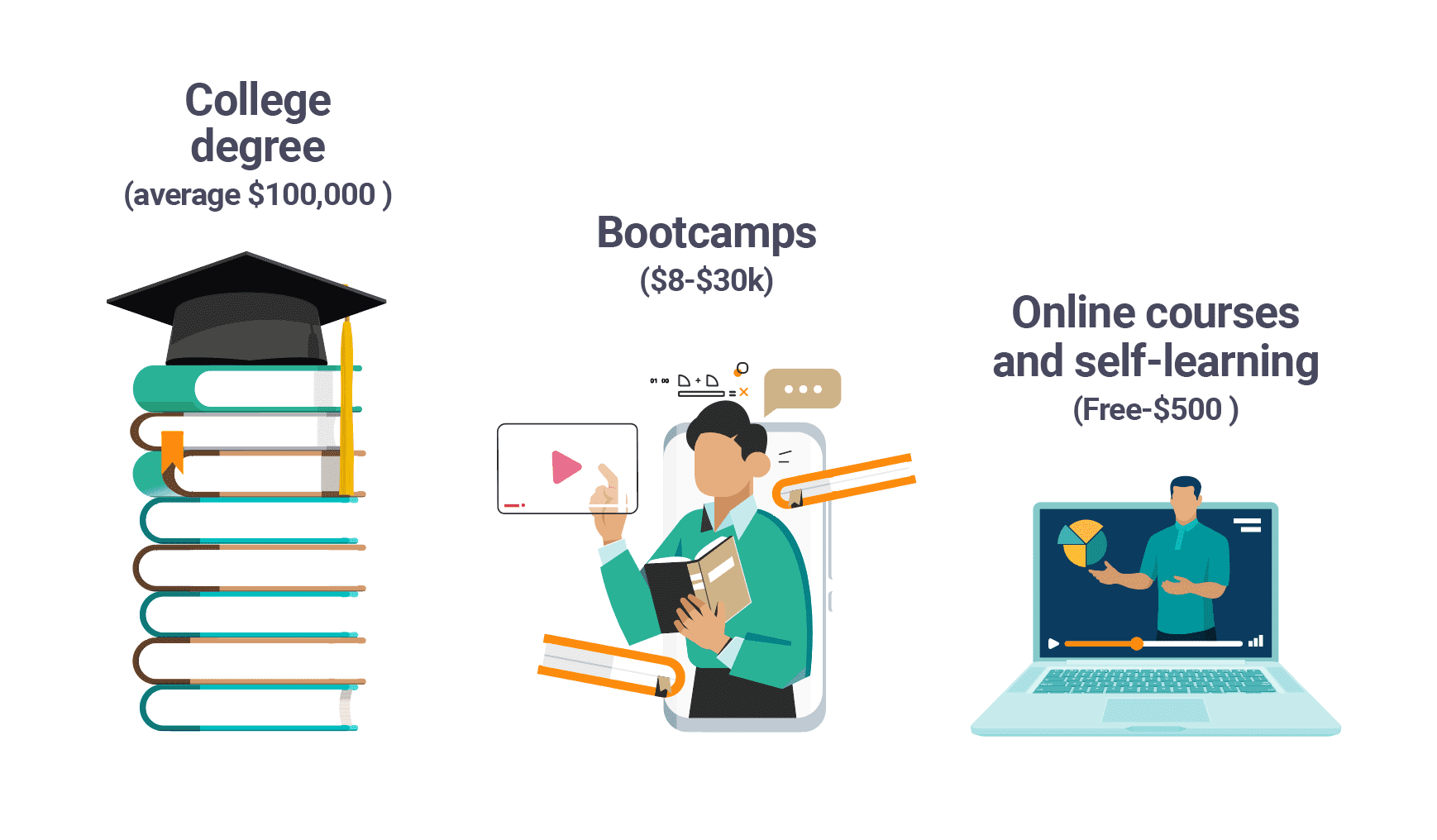
Coding Bootcamps and Self-Taught Routes: The Fast Track
In response to the industry’s demand for skilled developers and the desire for more agile learning pathways, coding bootcamps and self-taught methods have become increasingly popular and respected alternatives to traditional degrees.
- Coding Bootcamps: These intensive, short-term (typically 3-6 months) programs focus on practical, in-demand technical skills. Bootcamps often immerse students in specific tech stacks (e.g., full-stack web development with JavaScript, Python for data science, mobile app development) and emphasize hands-on project building. They are designed to quickly get individuals job-ready by focusing on applied knowledge and collaborative development environments. Bootcamps are an excellent option for career changers or those seeking a quicker entry into the industry, provided they are disciplined and committed. Success from a bootcamp heavily relies on building a strong portfolio of projects and effectively marketing those skills, often requiring a focus on personal branding.
- Self-Taught Developers: Many successful software engineers are entirely self-taught, leveraging the vast resources available online. Platforms like freeCodeCamp, The Odin Project, Codecademy, and numerous YouTube tutorials provide structured learning paths for programming languages, frameworks, and software development concepts. This route requires immense self-discipline, curiosity, and the ability to find and utilize learning resources effectively. The key to success as a self-taught engineer is not just learning to code, but consistently building projects, understanding fundamental computer science concepts (even if self-taught), and actively participating in developer communities. This pathway often appeals to those interested in online income generation or side hustles, as the skills learned can be immediately applied to personal projects or freelance work.
Online Courses and Certifications: Continuous Learning
For both aspiring and experienced professionals, online courses and industry certifications offer flexible ways to acquire new skills, specialize, or stay current with technology trends.

- MOOCs (Massive Open Online Courses): Platforms like Coursera, edX, Udemy, and Udacity offer courses from top universities and industry experts on virtually any tech topic, from introductory programming to advanced machine learning. Many offer specializations and professional certificates that, while not a degree, can demonstrate proficiency in specific areas.
- Vendor Certifications: Certifications from major tech companies (e.g., AWS Certified Developer, Microsoft Certified: Azure Developer Associate, Google Cloud Certified Professional Cloud Developer) validate expertise in specific platforms or technologies. These are particularly valuable for roles focused on cloud computing, cybersecurity, or specific enterprise software solutions, acting as powerful credentials that complement formal education or self-learning.
These alternative credentials highlight that while a degree provides a strong foundation, the tech industry ultimately values demonstrable skills and the ability to deliver results. The accessibility of these resources also democratizes learning, enabling individuals from diverse backgrounds to enter and thrive in the software engineering profession.
Essential Skills Beyond the Degree: What Employers Truly Seek
While educational background provides a crucial framework, employers in the software engineering realm often prioritize a combination of robust technical abilities and critical soft skills. The degree might get your foot in the door, but these competencies are what truly drive success and career growth.
Technical Proficiency: Languages, Frameworks, Tools
At its core, software engineering demands strong technical acumen. This includes not just knowing how to code, but understanding the ecosystem of tools and technologies used to build, deploy, and maintain software.
- Programming Languages: Proficiency in one or more in-demand languages is fundamental. Today, Python, Java, JavaScript (with frameworks like React, Angular, Vue), C#, Go, and TypeScript are highly sought after. A true engineer understands the paradigms behind these languages and can pick up new ones quickly.
- Data Structures and Algorithms: Beyond memorization, the ability to apply appropriate data structures and algorithms to solve complex problems efficiently is a hallmark of a strong engineer. This skill is critical for optimizing performance and scalability.
- Version Control (Git/GitHub): Collaborating on code is standard practice. Mastery of Git for version control and platforms like GitHub or GitLab for code hosting and collaboration is non-negotiable.
- Databases: Understanding different types of databases (SQL, NoSQL), how to design schemas, write efficient queries, and manage data is crucial for nearly all applications.
- Cloud Platforms: With the pervasive adoption of cloud computing, familiarity with platforms like Amazon Web Services (AWS), Microsoft Azure, or Google Cloud Platform (GCP) is increasingly vital for deploying, managing, and scaling applications. This includes understanding concepts like serverless functions, containers, and infrastructure as code.
- Testing and Debugging: Writing testable code, developing automated tests (unit, integration, end-to-end), and effectively debugging complex systems are essential for producing high-quality, reliable software.
- System Design and Architecture: For more senior roles, the ability to design scalable, fault-tolerant, and secure software systems, understanding trade-offs between different architectural choices, is paramount. This ties directly into building robust software solutions and leveraging new technology trends effectively.
Soft Skills: The Pillars of Effective Engineering
In an increasingly collaborative and user-centric industry, soft skills are just as important as technical prowess. They dictate how well an engineer can work in a team, understand problems, and communicate solutions.
- Problem-Solving and Critical Thinking: At its heart, software engineering is about solving problems. The ability to break down complex issues, analyze different approaches, and devise elegant solutions is a primary requirement. This goes beyond just coding; it involves understanding user needs and business logic.
- Communication: Effective communication is vital for collaborating with teammates, explaining technical concepts to non-technical stakeholders, documenting code, and participating in design discussions. Clarity, conciseness, and active listening are key. This skill is also central to personal branding, as clear communication helps articulate one’s value.
- Teamwork and Collaboration: Most software projects are team efforts. Engineers must be able to work effectively in agile environments, participate in code reviews, give and receive constructive feedback, and contribute to a positive team dynamic.
- Adaptability and Continuous Learning: The tech landscape changes at a dizzying pace. New languages, frameworks, and paradigms emerge constantly. A successful software engineer must possess a strong growth mindset, a passion for learning, and the ability to adapt to new technologies and methodologies quickly. This aligns perfectly with staying current on technology trends mentioned in the website’s main topics.
- Attention to Detail: Small errors in code can have significant consequences. A meticulous approach to coding, testing, and debugging is essential for delivering high-quality software.
Building a Portfolio and Personal Brand
In an industry that values demonstrable skills, a robust portfolio and a strong personal brand can often speak louder than a degree alone. This is particularly true for self-taught individuals or bootcamp graduates.
- Portfolio Projects: Personal projects, open-source contributions, and hackathon participation are tangible evidence of your abilities. They showcase your coding skills, problem-solving approach, and passion for technology. Recruiters often look for projects that are well-documented, well-tested, and demonstrate a clear understanding of software development principles. This is where the skills learned in tutorials and through building apps truly shine.
- Online Presence: A professional online presence, including a well-maintained GitHub profile, a LinkedIn profile that highlights your skills and projects, and potentially a personal website or blog, is crucial. This helps establish your personal brand, demonstrating your expertise and engagement within the tech community. Think of it as your digital resume and portfolio combined, reflecting your corporate identity as an individual professional.
- Networking: Building connections with other developers, attending tech meetups, and engaging in online forums can open doors to opportunities, provide mentorship, and keep you informed about industry trends. This aspect of branding is about building relationships that can lead to job referrals, collaboration opportunities, and insights into new technologies.
By actively developing these technical and soft skills, coupled with a visible demonstration of their abilities through a strong portfolio and personal brand, aspiring software engineers can significantly enhance their employability and career trajectory, regardless of their specific educational background.
Navigating the Job Market and Career Growth
Entering the software engineering field requires more than just technical prowess; it involves understanding how to effectively present oneself, secure an initial role, and then strategically plan for long-term career advancement and financial stability.
Entry-Level Expectations
For those just starting, the job market can seem daunting, but knowing what recruiters and hiring managers look for can significantly improve your chances.
- Demonstrable Skills Over Pure Credentials: While a degree from a reputable institution is a plus, many companies, especially in the tech hub, prioritize practical coding skills and problem-solving abilities demonstrated through technical interviews (coding challenges, system design questions) and portfolio projects. An impressive GitHub profile with well-documented personal projects, open-source contributions, or even successful freelance work can be more compelling than a perfect GPA from an unapplied degree.
- Internships and Practical Experience: Internships are invaluable. They provide real-world experience, allowing you to apply theoretical knowledge, work in a professional team environment, and gain insights into the software development lifecycle. Even short-term contract work or participation in coding bootcamps with job placement assistance can offer a significant advantage.
- Strong Fundamentals: Regardless of the specific languages or frameworks an entry-level position requires, a solid understanding of data structures, algorithms, object-oriented programming, and fundamental computer science concepts is almost always expected. These core principles are the building blocks upon which all advanced software is built.
- Curiosity and Eagerness to Learn: The tech industry is constantly evolving. Recruiters look for candidates who are passionate about technology, show initiative in learning new tools and paradigms, and demonstrate an ability to adapt quickly to new challenges. This aligns with staying abreast of technology trends.

Long-Term Career Trajectories and Financial Growth
A career in software engineering offers diverse growth paths and significant financial rewards, making it an attractive field for long-term planning, particularly concerning personal finance and investing.
- Specialization vs. Generalization: Early in your career, you might choose to specialize (e.g., frontend development, backend, mobile, data engineering, machine learning engineering, DevOps). As you gain experience, you might deepen that specialization or broaden your skillset to become a more generalist full-stack engineer, which can open up different opportunities and allow for more flexibility.
- Advancement Paths:
- Individual Contributor (IC) Track: Many engineers prefer to remain highly technical. This path can lead from Junior Engineer to Mid-Level, Senior Engineer, Staff Engineer, Principal Engineer, and even Fellow, focusing on technical leadership, architectural design, and mentoring without direct management responsibilities. These roles often involve shaping technology strategy and solving the most complex technical challenges.
- Management Track: For those interested in leading teams and managing projects, the path progresses from Team Lead to Engineering Manager, Director of Engineering, and Vice President of Engineering. This involves more people management, strategic planning, and less hands-on coding.
- Salary and Financial Growth: Software engineering is consistently ranked among the highest-paying professions. Entry-level salaries are competitive, and with a few years of experience, compensation can grow significantly, often including bonuses, stock options, and other benefits. Senior engineers, tech leads, and managers can command substantial salaries, enabling robust personal finance strategies, including aggressive saving, investing, and exploring opportunities for online income or side hustles through their expertise.
- Entrepreneurship and Side Hustles: The skills acquired as a software engineer are highly transferable to entrepreneurial ventures. Many engineers leverage their knowledge to start their own companies, build SaaS products, develop apps, or offer consulting services, creating multiple streams of income and achieving financial independence. This directly ties into the “Money” topics of online income and business finance.
- Staying Relevant: Continuous learning is paramount for career longevity. This means staying updated on new programming languages, frameworks, cloud technologies, AI tools, and digital security best practices. Attending conferences, reading industry publications, and participating in online communities are crucial for sustained growth.
In conclusion, while a traditional Computer Science degree provides an excellent foundation, it is by no means the only entry point into the dynamic world of software engineering. The industry values demonstrable skills, a strong work ethic, a commitment to continuous learning, and the ability to collaborate effectively. Whether you choose a university degree, a coding bootcamp, or a self-taught approach, success ultimately hinges on cultivating a robust skillset, building a compelling portfolio, nurturing your personal brand, and embracing the journey of lifelong learning that defines a career in technology. The path to becoming a software engineer is diverse, accessible, and richly rewarding for those determined to build the future.
aViewFromTheCave is a participant in the Amazon Services LLC Associates Program, an affiliate advertising program designed to provide a means for sites to earn advertising fees by advertising and linking to Amazon.com. Amazon, the Amazon logo, AmazonSupply, and the AmazonSupply logo are trademarks of Amazon.com, Inc. or its affiliates. As an Amazon Associate we earn affiliate commissions from qualifying purchases.