
For the modern investor, the stock market can often feel like a living, breathing entity that never sleeps. In an era of high-frequency trading, global connectivity, and 24/7 financial news cycles, it is easy to assume that the gears of global finance are always turning. However, the New York Stock Exchange (NYSE) and the Nasdaq Stock Market—the two largest exchanges in the world—operate on a strictly regulated schedule.
Understanding when the stock market is closed is more than just a matter of knowing when you can’t hit the “buy” button. For serious investors, market holidays represent periods of reduced liquidity, potential volatility “gaps,” and essential windows for strategic reflection. This guide explores the official calendar of market closures, the mechanics of holiday trading, and how to manage your portfolio when Wall Street goes dark.
The Standard Operating Rhythm of Wall Street
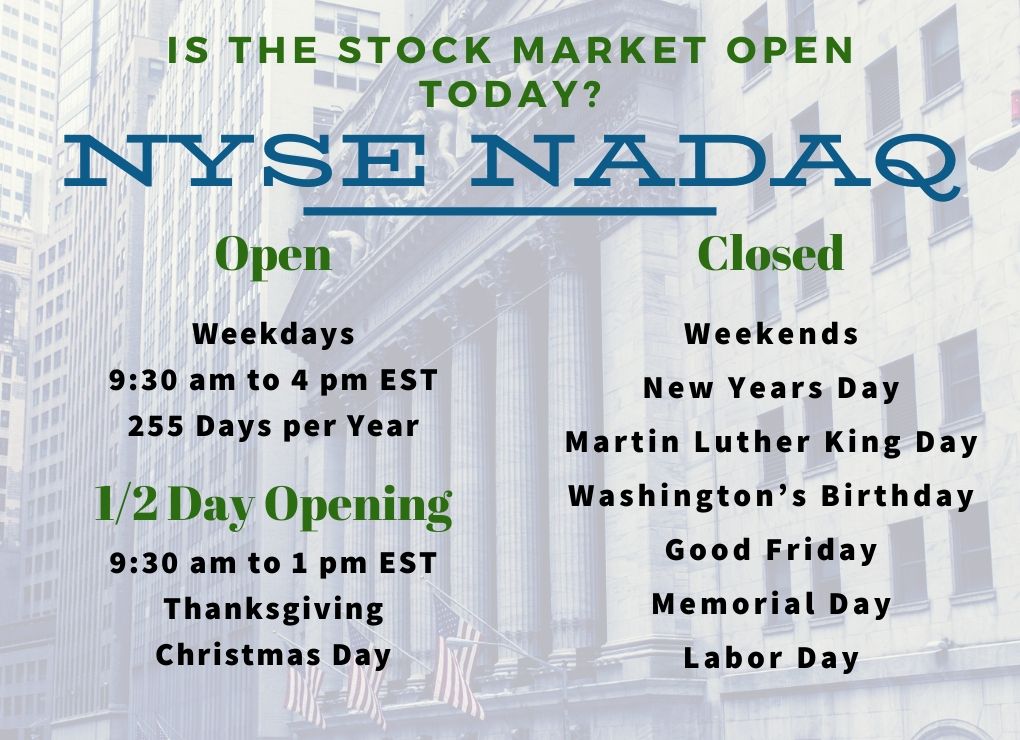
Before diving into specific holidays, it is vital to understand the standard operating hours of the major U.S. exchanges. The “opening bell” at 9:30 a.m. Eastern Time and the “closing bell” at 4:00 p.m. Eastern Time define the core of the financial day. These hours are where the vast majority of price discovery and volume occur.
Standard Trading vs. Extended Hours
While the “lit” market operates during the day, electronic communication networks (ECNs) allow for pre-market and after-hours trading. Pre-market trading typically begins as early as 4:00 a.m. ET, and after-hours trading continues until 8:00 p.m. ET. However, it is important to note that when the market is closed for a holiday, these extended sessions are also typically suspended. This creates a hard stop in liquidity that can lead to “gaps” in stock prices—where a stock opens at a significantly different price on Tuesday than it closed at on Friday because of news that broke over a long weekend.
Weekend Closures
The stock market is closed every Saturday and Sunday. This weekend pause has been a staple of Western finance for decades, serving as a cooling-off period for the volatility seen during the week. For the retail investor, the weekend is often the best time to conduct fundamental research and perform a “post-mortem” on the previous week’s trades without the emotional pressure of fluctuating real-time tickers.
The Official Stock Market Holiday Calendar
The NYSE and Nasdaq generally follow the federal holiday schedule of the United States, with a few notable exceptions (such as Good Friday). If a holiday falls on a Saturday, the market is usually closed on the preceding Friday. If a holiday falls on a Sunday, the market is closed on the following Monday.
Major Annual Market Holidays
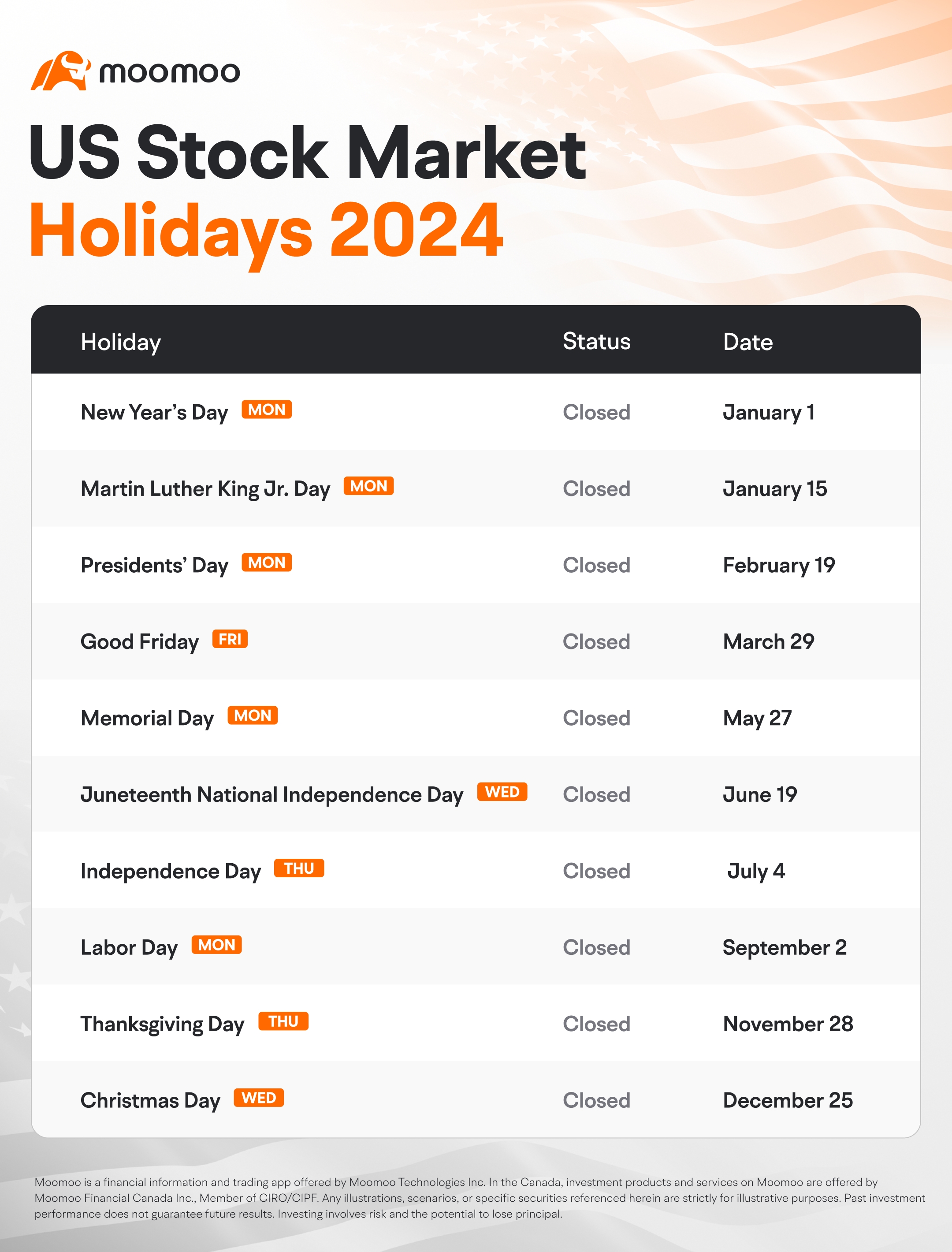
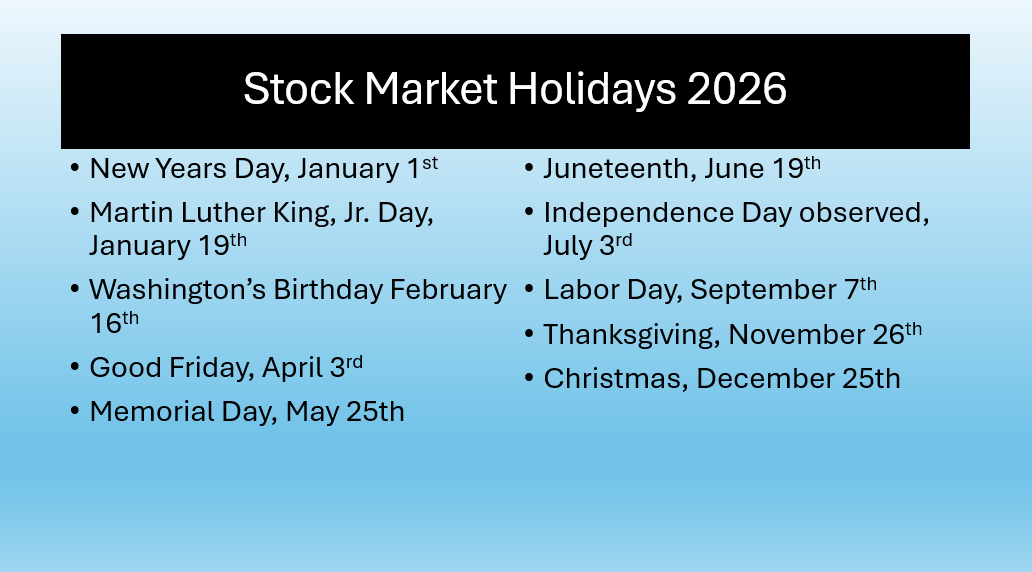
The following are the nine primary days when the U.S. stock market is closed:
- New Year’s Day: January 1st.
- Martin Luther King, Jr. Day: The third Monday in January.
- Washington’s Birthday (Presidents’ Day): The third Monday in February.
- Good Friday: The Friday before Easter Sunday. Notably, this is a market holiday but not a federal holiday in the U.S.
- Memorial Day: The last Monday in May.
- Juneteenth National Independence Day: June 19th. This became an official market holiday in 2022.
- Independence Day: July 4th.
- Labor Day: The first Monday in September.
- Thanksgiving Day: The fourth Thursday in November.
- Christmas Day: December 25th.
Early Closures and Modified Sessions
In addition to full closures, the market often observes “early closes,” where trading ends at 1:00 p.m. ET. This typically occurs on the day after Thanksgiving (Black Friday) and occasionally on Christmas Eve (December 24th) or July 3rd, depending on which day of the week the holiday falls. For active traders, these half-days are notorious for thin volume, meaning even small trades can move stock prices more than they would on a standard Tuesday morning.
The Strategic Impact of Market Closures on Liquidity
For the casual observer, a market holiday is just a day off. For the institutional trader or the dedicated personal investor, it is a structural event that alters the mechanics of the financial system. The primary factor at play during these times is liquidity—the ease with which an asset can be bought or sold without affecting its price.
Liquidity Gaps and “The Gap Risk”
The most significant risk associated with market closures is “gap risk.” Since markets are closed over the weekend or on holidays, any major geopolitical event, economic data release, or corporate scandal that occurs during the closure cannot be priced in immediately. When the market finally opens, the price “gaps” up or down to reflect the new reality.
For example, if a major tech company announces a massive security breach on a Saturday, you cannot sell your shares on Sunday. On Monday morning, the stock might open 10% lower than Friday’s close. Strategic investors manage this by using stop-loss orders cautiously, as a “stop-loss” at $100 won’t help if the stock gaps down to $90 at the Monday opening bell.
The “Holiday Effect” and Market Anomalies
Financial historians often point to the “Holiday Effect,” a phenomenon where stock markets tend to show abnormal returns on the day before a holiday. This is often attributed to a combination of increased optimism among investors and institutional “window dressing,” where fund managers tidy up their portfolios before a break. While not a guaranteed strategy, understanding these seasonal patterns can help investors time their entries and exits more effectively.
Beyond the U.S.: Navigating International Market Schedules
In our interconnected global economy, the closure of the NYSE doesn’t mean the world’s financial heart stops beating. If you are a diversified investor holding international equities or ETFs, you must be aware of foreign market calendars.
The 24-Hour Global Cycle
When the U.S. market is closed for Thanksgiving, the London Stock Exchange (LSE), the Tokyo Stock Exchange (TSE), and the Hong Kong Stock Exchange (HKEX) are all open for business. Events in these markets can provide a “leading indicator” for how U.S. futures might move once Wall Street reopens.
For instance, if the Nikkei 225 in Japan drops significantly while the U.S. is observing a Monday holiday, U.S. investors should prepare for a potentially volatile Tuesday open. Diversified portfolios often include assets listed on the Euronext or the London Exchange, meaning your “day off” might still require a quick check of your international holdings.
Currency Markets and Commodities
Unlike the stock market, the Foreign Exchange (Forex) market and certain commodity markets (like Gold and Oil) operate on a nearly 24/5 basis. While U.S. stocks might be stationary on Martin Luther King Jr. Day, the U.S. Dollar is still being traded against the Euro and the Yen. For investors involved in complex strategies like “carry trades” or commodity-linked stocks, these divergent schedules are a crucial part of risk management.
Optimizing Your Portfolio During Market Downtime
How should an investor spend their time when the market is closed? Rather than simply stepping away, successful investors use these periods to refine their edge.
Reviewing the “Big Picture”
During the heat of a trading week, it is easy to get bogged down in “noise”—the minute-by-minute fluctuations of the S&P 500 or the latest tweet from a CEO. Market closures provide the silence necessary for “signal” detection. This is the time to review your asset allocation: Are you over-leveraged in one sector? Does your portfolio still align with your long-term financial goals?
Setting Limit Orders and Conditional Trades
Just because you cannot execute a trade doesn’t mean you can’t prepare one. Most brokerage platforms allow you to enter “Limit Orders” or “Stop-Limit Orders” while the market is closed. These orders will sit in the queue and be sent to the exchange the moment the opening bell rings. This is a disciplined way to ensure you buy or sell at your target price rather than reacting emotionally to the opening volatility.
Education and Research
The most valuable asset an investor has is knowledge. Market holidays are the perfect opportunity to dive into SEC filings (10-Ks and 10-Qs), listen to archived earnings calls, or read deep-dive analytical reports on emerging sectors like AI or renewable energy. Wealth is built through informed conviction, and conviction is built during the hours when the tickers are frozen.
Conclusion: The Importance of the Pause
The stock market’s holiday schedule is a reminder that even the most aggressive financial systems require a pulse. For the investor, these closures are not obstacles; they are part of the framework of a healthy financial life. By respecting the calendar, understanding the risks of “gaps,” and using the downtime for strategic research, you can transform a simple “closed” sign into a competitive advantage.
Whether it’s the quiet reflection of a New Year’s Day or the mid-summer break of Independence Day, these pauses allow the market—and the investor—to reset. In the long run, successful investing is not about how many hours you spend watching the screen; it’s about the quality of the decisions you make when the market is open, and the preparation you do while it is closed.
aViewFromTheCave is a participant in the Amazon Services LLC Associates Program, an affiliate advertising program designed to provide a means for sites to earn advertising fees by advertising and linking to Amazon.com. Amazon, the Amazon logo, AmazonSupply, and the AmazonSupply logo are trademarks of Amazon.com, Inc. or its affiliates. As an Amazon Associate we earn affiliate commissions from qualifying purchases.