
The pursuit of the “cheapest day” to buy plane tickets has long been a centerpiece of personal finance discussions. For the savvy individual, travel is not merely a leisure activity but a significant line item in a comprehensive financial plan. Whether for business or personal enrichment, travel represents a major discretionary expense where price volatility is the norm rather than the exception. In the world of personal finance, understanding the mechanics of airfare pricing is akin to mastering market timing in investing; it requires patience, data analysis, and a strategic approach to capital allocation.
By viewing flight purchases through a financial lens, travelers can move beyond anecdotal advice and utilize evidence-based strategies to minimize costs. This article explores the economic drivers of flight pricing, the optimal windows for booking, and the financial tools necessary to ensure your travel budget is utilized with maximum efficiency.
The Macroeconomics of Airfare: Understanding Price Volatility
To find the cheapest tickets, one must first understand the financial principles that dictate airline pricing models. Airlines utilize some of the most sophisticated dynamic pricing algorithms in the global market. These systems are designed to maximize “yield”—the revenue earned per seat per mile—by constantly adjusting prices based on supply, demand, and consumer behavior.
The Impact of Dynamic Pricing on Personal Wealth
Dynamic pricing is a method where businesses set flexible prices for products or services based on current market demands. For the consumer, this means that the price of a seat on a flight to London can fluctuate hundreds of dollars within a single twenty-four-hour period. From a personal finance perspective, this volatility represents both a risk and an opportunity. If you book during a peak demand period, you are effectively overpaying for a commodity, which diminishes the ROI (Return on Investment) of your travel budget. Conversely, understanding the troughs in these pricing cycles allows for significant capital preservation.
Market Forces: Fuel Costs, Competition, and Capacity
The baseline cost of a ticket is heavily influenced by macroeconomic factors outside the individual traveler’s control. Jet fuel prices, which can account for up to 25% of an airline’s operating expenses, act as a floor for ticket prices. Furthermore, route competition plays a critical role. When a low-cost carrier enters a specific market, “The Southwest Effect” often occurs, where legacy carriers are forced to lower prices to maintain market share. Financial planning for travel should involve monitoring these broader market trends to predict when a particular region might see a price correction.
Timing the Market: When to Book for Maximum Savings
The most common question in travel finance is: “What day of the week is it cheapest to buy plane tickets?” While many legacy myths suggest that Tuesday at midnight is the magic hour, the modern financial reality is more nuanced. Data-driven analysis from financial institutions and travel aggregators suggests that the day you fly is often more impactful on your bottom line than the day you click ‘purchase’.
The Mid-Week Advantage and the Weekend Premium
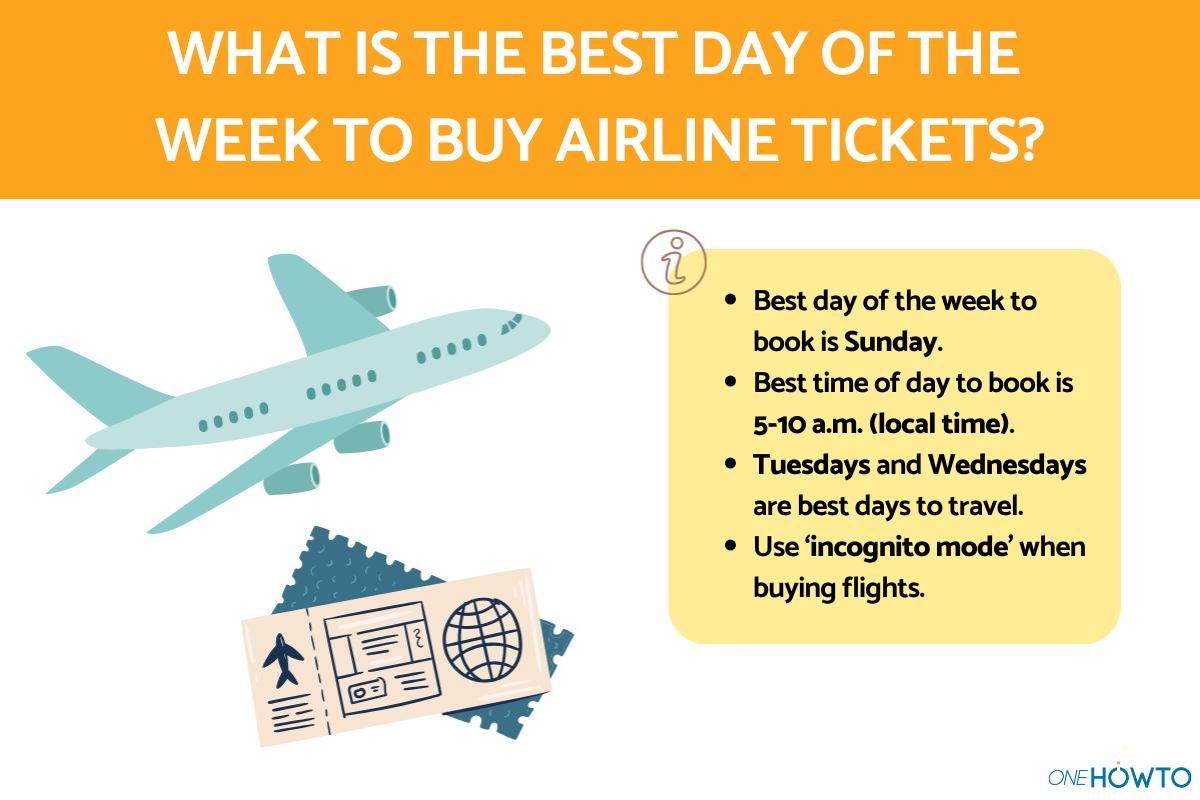
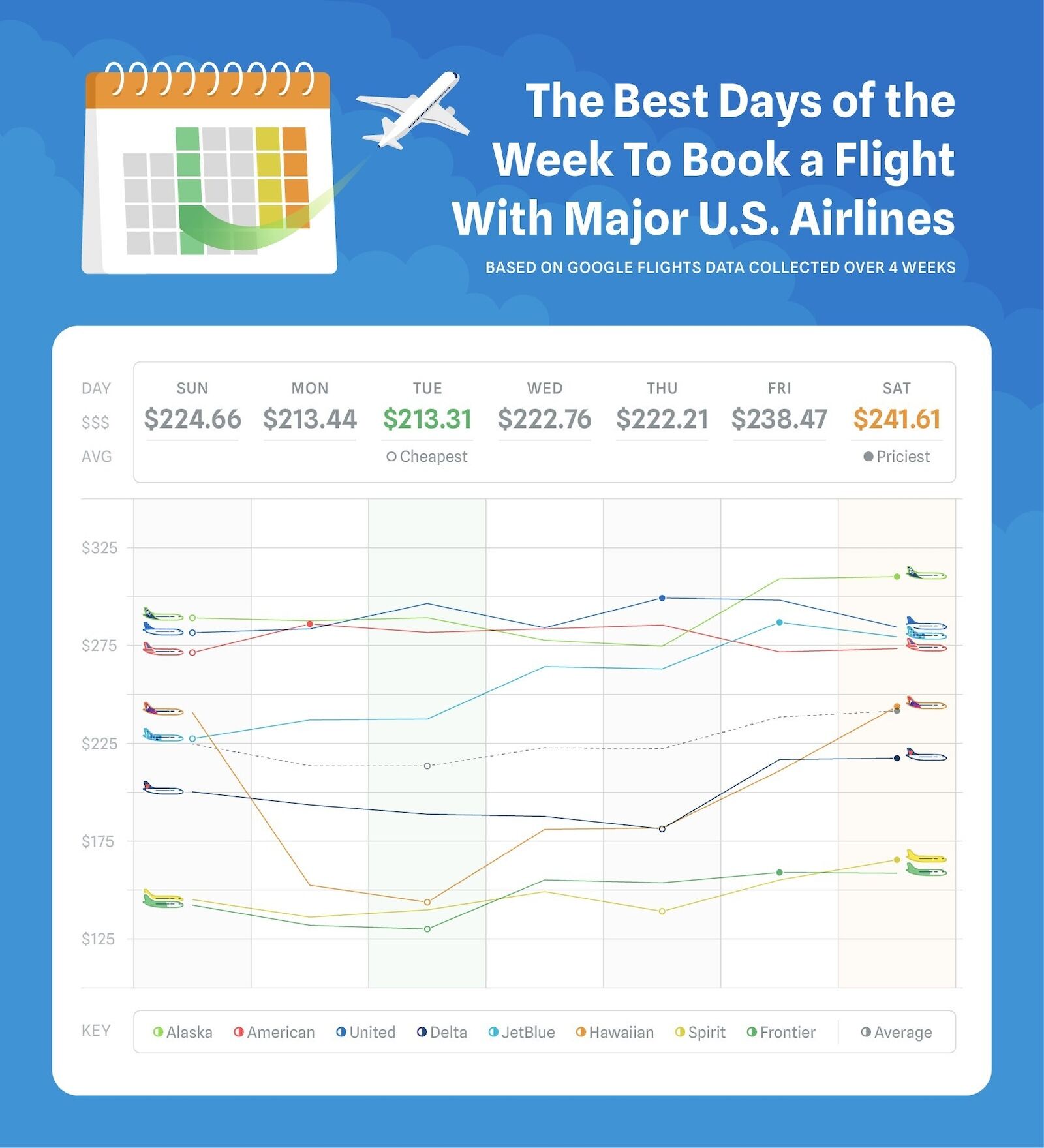
In terms of purchasing, recent data suggests that Sunday is often the most cost-effective day to book a flight, potentially saving travelers up to 15% compared to booking on a Friday. This is largely because corporate travelers—who are less price-sensitive—typically finalize their bookings during the workweek.
However, the real savings are found in choosing the correct departure date. From a budgeting standpoint, Tuesday and Wednesday are statistically the cheapest days to fly. By opting for mid-week departures, travelers avoid the weekend premium driven by leisure travelers and the Monday/Friday spikes driven by business commuters. Shifting a trip by just 24 to 48 hours can result in a 20-30% reduction in total airfare costs, providing more liquidity for other areas of the travel budget.
The “Goldilocks” Booking Window
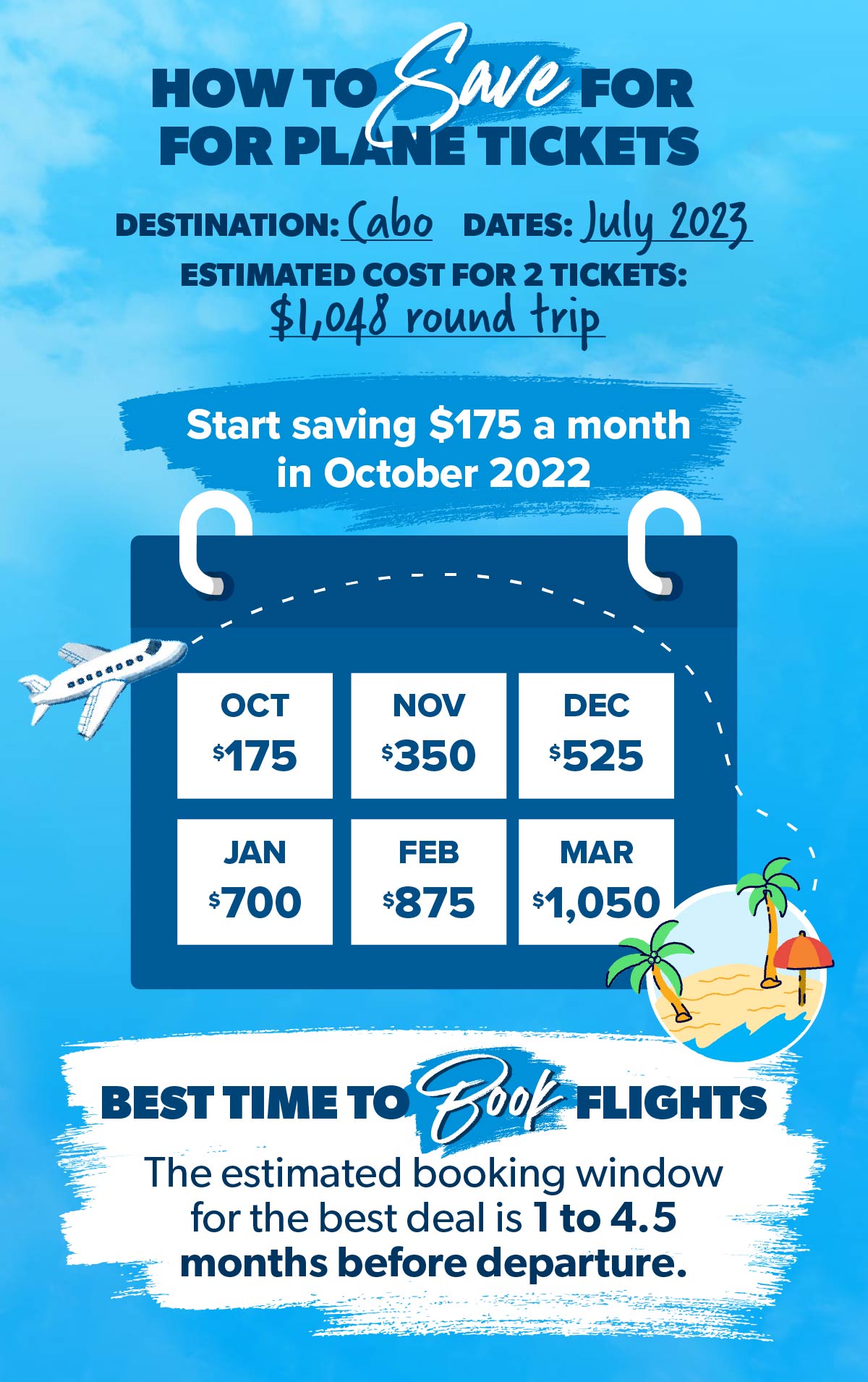
Just as in the stock market, “time in the market” is different from “timing the market.” For domestic flights, the financial “sweet spot” usually falls between 28 and 60 days before departure. Booking too early (more than six months out) often means paying a premium for a seat before the airline has released its competitive promotional fares. Booking too late (within 21 days) subjects the traveler to “close-in” pricing, where airlines capitalize on the desperation of last-minute travelers. For international travel, the window expands; savvy financial planners should look to book 3 to 6 months in advance to capture the lowest available fare buckets.
Financial Tools and Strategies for Travel Optimization
Beyond simply picking the right day, optimizing your travel spend requires the use of specific financial tools and strategies. These methods allow you to treat travel as a managed asset rather than an unpredictable expense.
Leveraging Credit Card Rewards and Points
One of the most effective ways to lower the effective cost of a plane ticket is through the strategic use of credit card rewards. In the niche of personal finance, this is known as “travel hacking,” but it is essentially a form of rebate management. High-value travel rewards cards offer points that can be redeemed for flights at a fixed rate or transferred to airline partners for even higher valuations.
When calculating the “true cost” of a flight, one must consider the opportunity cost. If a flight costs $500 or 40,000 points, and your points are worth 1.5 cents each ($600 value), paying cash is actually the more fiscally responsible move. Mastering these calculations ensures that you are always using the most efficient currency—whether it be cash or points—for your purchase.
Using Price Tracking as a Wealth Management Tool
Automated tools now allow travelers to set “price alerts” for specific routes. This is equivalent to setting a “limit order” in stock trading. Instead of checking prices daily and reacting emotionally to fluctuations, you set a target price based on your budget. When the price hits that threshold, you execute the purchase. This disciplined approach removes the psychological stress of “fear of missing out” (FOMO) and ensures that you only deploy capital when the price aligns with your financial goals.
Managing Hidden Costs: Protecting Your Budget from “Drip Pricing”
The advertised price of a ticket is rarely the final price. In business finance, we look at the Total Cost of Ownership (TCO); in travel, we must look at the Total Cost of Journey (TCJ). Airlines often use “drip pricing,” where the initial price is low, but additional fees are added throughout the checkout process.
The Real Cost of Low-Cost Carriers
Low-cost carriers (LCCs) often appear as the winners in price comparison tools. However, from a budget management perspective, they can be deceptive. Once you account for baggage fees, seat selection fees, and the lack of flexibility in the event of a cancellation, the TCO of an LCC ticket may exceed that of a legacy carrier. When performing a cost-benefit analysis, always include the “ancillary load”—the extra costs required to make the flight functional for your needs.
Hedging Against Travel Risks
Financial security involves protecting against downside risk. This is where travel insurance and refundable fare structures come into play. For expensive international trips, the premium paid for travel insurance or a “Cancel for Any Reason” (CFAR) policy acts as a hedge. If an unforeseen event occurs, you protect the majority of your capital. For the budget-conscious traveler, choosing a credit card that includes built-in travel protections is a smart way to get this “insurance” without an additional out-of-pocket expense.
Long-Term Travel Planning as a Financial Strategy
Finally, the most successful travelers treat their travel schedule like a fiscal year. By planning travel 12 months in advance, you can allocate funds into a dedicated “sinking fund”—a savings category specifically for large, upcoming expenses.
Budgeting for Multi-City and Open-Jaw Itineraries
If your travel goals involve multiple destinations, the “cheapest day” becomes even more complex. Strategic planners use “open-jaw” tickets (flying into one city and out of another) to save on both time and ground transportation costs. While the ticket itself might be slightly more expensive than a simple round-trip, the reduction in total travel hours and local transit costs often results in a lower overall trip cost. This is a classic example of looking at the “big picture” of personal finance rather than focusing solely on a single transaction.
Conclusion: The Disciplined Approach to Travel Spending
Finding the cheapest day to buy plane tickets is less about luck and more about the application of sound financial principles. By understanding the timing of market fluctuations, utilizing financial tools like rewards programs and price trackers, and accounting for the total cost of the journey, travelers can significantly reduce their expenditures.
In the end, the money saved on airfare is capital that can be redirected toward investments, retirement savings, or higher-quality experiences during the trip itself. Treat your travel bookings with the same rigor you would an investment portfolio, and you will find that “the cheapest day” is simply the day you are most prepared to make a disciplined, data-driven decision.
aViewFromTheCave is a participant in the Amazon Services LLC Associates Program, an affiliate advertising program designed to provide a means for sites to earn advertising fees by advertising and linking to Amazon.com. Amazon, the Amazon logo, AmazonSupply, and the AmazonSupply logo are trademarks of Amazon.com, Inc. or its affiliates. As an Amazon Associate we earn affiliate commissions from qualifying purchases.