
For millions of Americans, Social Security benefits represent a vital pillar of their financial stability, providing essential income in retirement, disability, or as survivors. Knowing precisely when these payments arrive is not just a matter of curiosity; it’s fundamental to budgeting, managing bills, and ensuring financial peace of mind. While the Social Security Administration (SSA) operates on a predictable schedule, several factors can influence the exact day your check lands in your bank account. Understanding these nuances is key to effectively managing your personal finances and leveraging this crucial benefit. This article will demystify the Social Security payment calendar, outlining the primary determinants of your payment date, how to ensure smooth receipt, and broader financial planning considerations related to your benefits.
The Core Payment Schedule: How Dates Are Determined
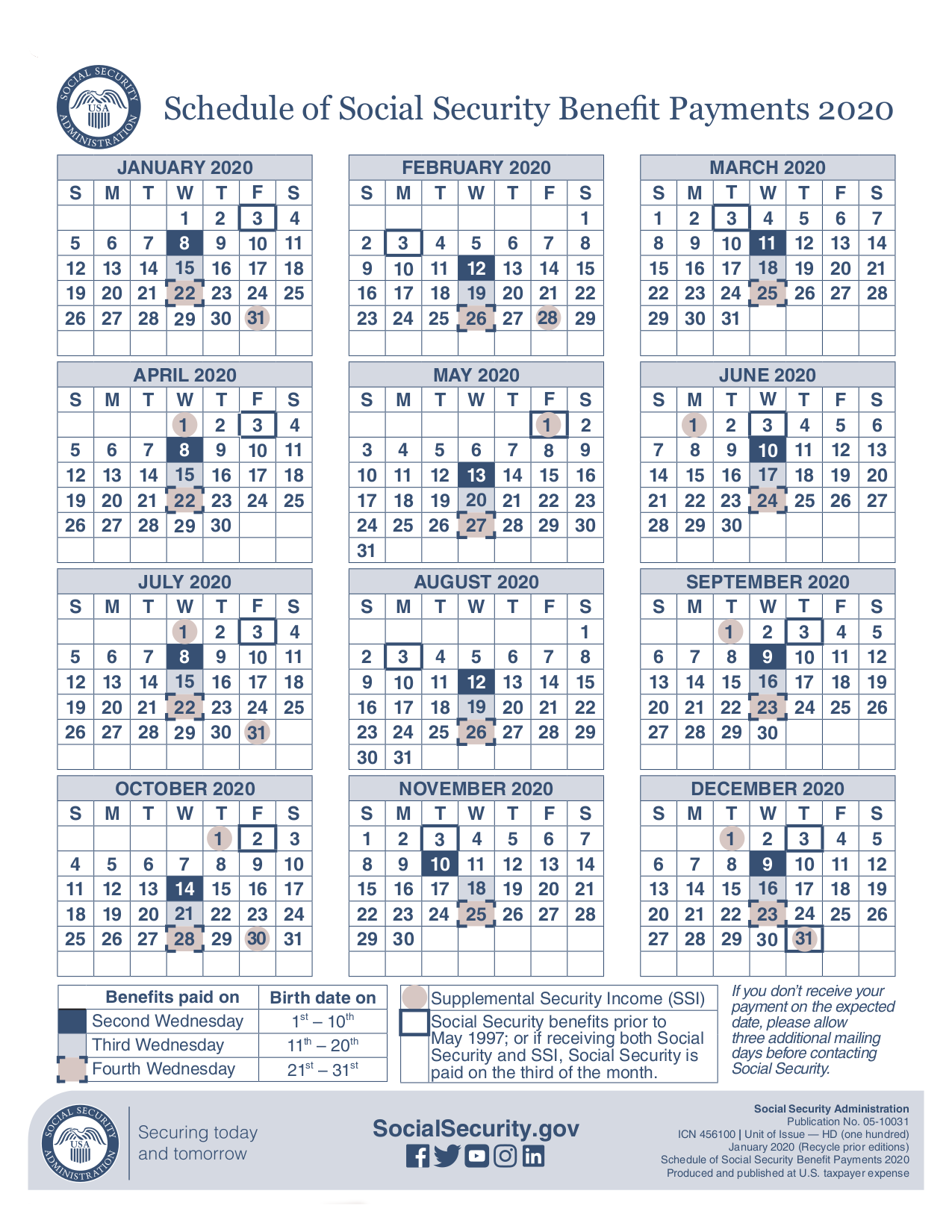
The Social Security Administration has a well-established system for distributing benefits, primarily designed to spread out payments throughout the month, easing administrative burdens and ensuring timely processing. For most beneficiaries, the specific payment day is tied directly to their birth date.
The Birth Date Rule: Your Key to the Calendar
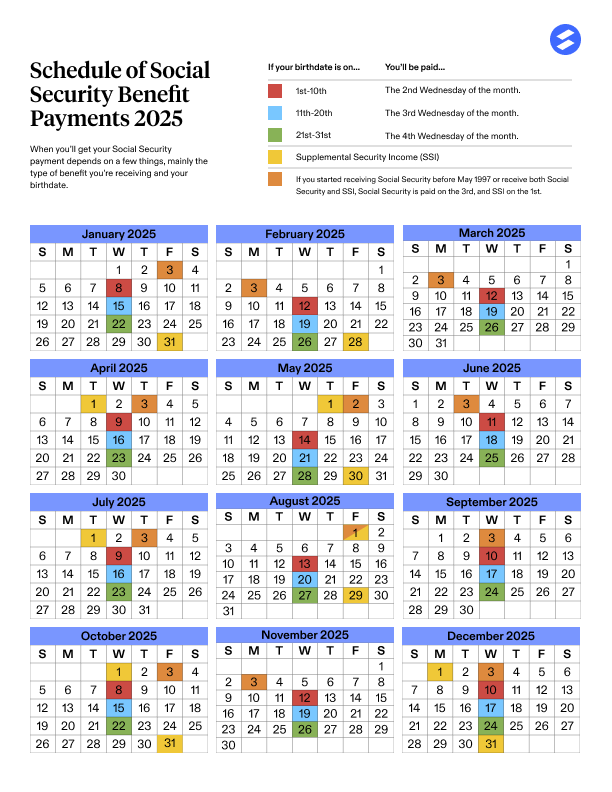
The vast majority of Social Security beneficiaries receive their payments on one of three specific Wednesdays each month. This schedule is determined by the day of the month on which the beneficiary was born:
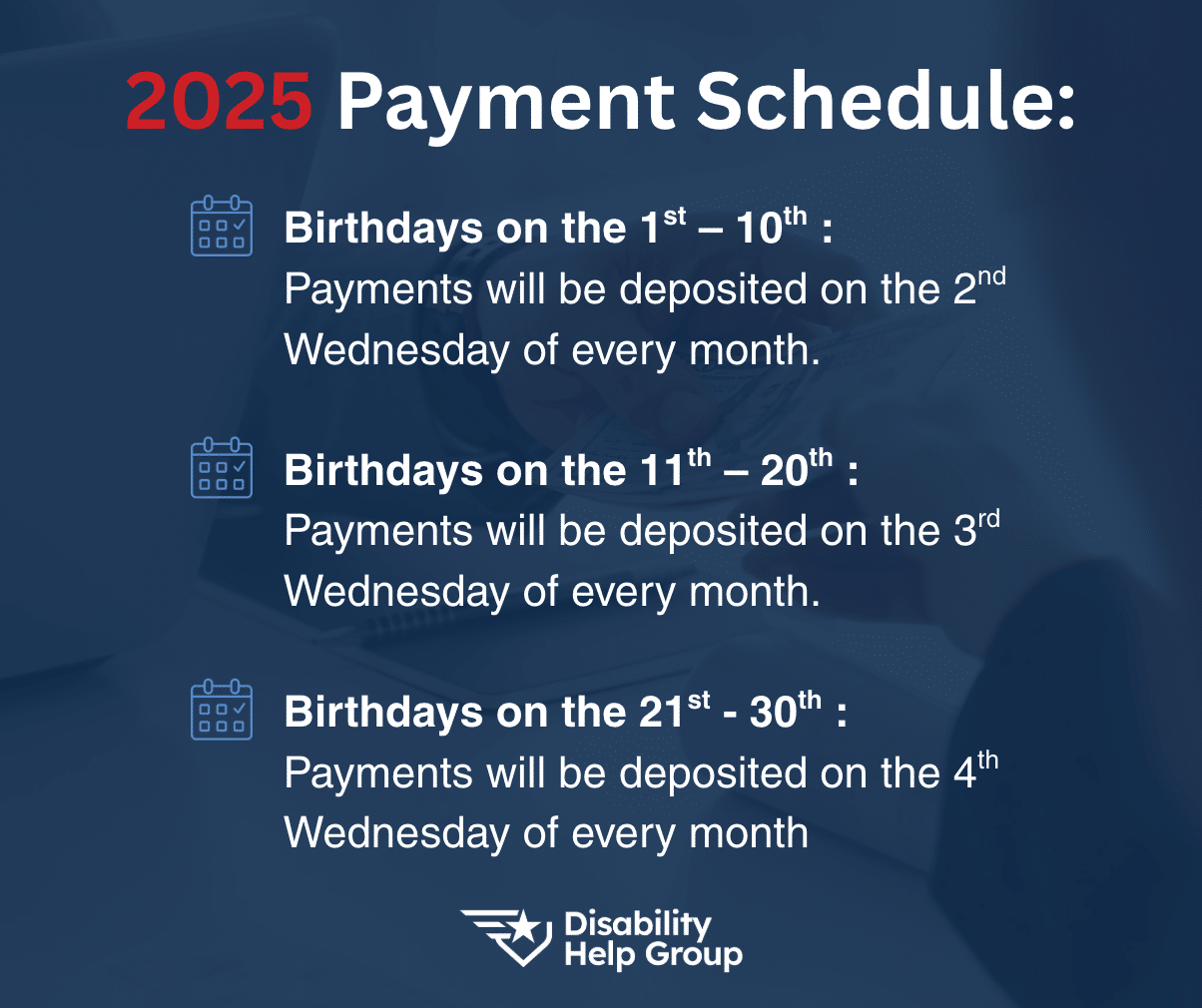
- If your birthday falls between the 1st and the 10th of the month, your Social Security benefits will typically be paid on the second Wednesday of the month.
- If your birthday falls between the 11th and the 20th of the month, your benefits will arrive on the third Wednesday of the month.
- If your birthday falls on the 21st or later in the month, your payment will be issued on the fourth Wednesday of the month.
This system applies to individuals who started receiving benefits after May 1997. It’s a straightforward rule designed to create a staggered payment schedule, but it’s essential to know which Wednesday applies to you to anticipate your income correctly.
Exceptions and Special Cases: SSI, Early Filers, and More
While the birth date rule covers most beneficiaries, there are notable exceptions:
- Supplemental Security Income (SSI): Unlike regular Social Security benefits, SSI payments are typically made on the 1st of each month. This program provides a baseline income for low-income individuals who are aged, blind, or disabled, regardless of their work history. If the 1st falls on a weekend or holiday, the payment is moved to the preceding business day.
- Beneficiaries who started receiving Social Security before May 1997: If you began receiving benefits before this date, your payments are generally issued on the 3rd of each month, regardless of your birth date. This group was grandfathered into an earlier payment system.
- Concurrent Beneficiaries: If you receive both Social Security and SSI benefits, your Social Security payment will arrive on the 3rd of the month, and your SSI payment will come on the 1st. This adjustment simplifies the payment schedule for those receiving both types of benefits.
- State-Specific Variations: While the federal schedule is consistent, some states offer supplementary payments that may have slightly different disbursement schedules, though these are typically coordinated with federal payments.
Understanding these exceptions is crucial for individuals who fall into these categories, as their payment dates deviate from the standard birth date rule.
Holidays and Weekends: Adjustments You Need to Know
The SSA ensures that beneficiaries never have to wait longer than necessary for their payments due to non-business days. If your scheduled payment day (whether it’s the 1st, 3rd, or one of the Wednesdays) falls on a weekend or a federal holiday, your payment will automatically be issued on the preceding business day.
For example, if the second Wednesday of a month happens to be a federal holiday, your payment will be deposited on the Tuesday immediately before it. Similarly, if the 1st of the month (for SSI beneficiaries) falls on a Saturday, your payment will arrive on the preceding Friday. This proactive adjustment by the SSA prevents delays, but it’s an important factor to consider when planning your monthly budget, as an early payment one month can mean a slightly longer stretch until the next. Always check the annual payment calendar issued by the SSA or monitor your “My Social Security” account for exact dates, especially around holiday seasons.
Practical Aspects of Receiving Your Benefits
While knowing the scheduled payment day is vital, ensuring the smooth and secure receipt of your benefits is equally important. The SSA has largely moved away from paper checks, advocating for more efficient and secure electronic methods.
The Shift to Direct Deposit: Speed, Security, and Mandates
Since 2013, the U.S. Department of the Treasury has mandated that all federal benefits, including Social Security and SSI, be paid electronically. This means almost all new beneficiaries must choose between direct deposit to a bank or credit union account, or the Direct Express® debit Mastercard®.
- Direct Deposit: This is the most common and recommended method. Funds are electronically transferred directly into your designated bank account on your scheduled payment day. It offers unparalleled convenience, speed, and security. There’s no risk of a check being lost, stolen, or damaged, and funds are immediately available once deposited. Setting up direct deposit is straightforward and can be done during your application process or later through your “My Social Security” account or by contacting the SSA.
- Direct Express® Debit Mastercard®: For beneficiaries who do not have a bank account or prefer not to use one, the Direct Express® card offers a secure and convenient alternative. Your benefits are automatically deposited onto the card each month, and you can use it to make purchases, pay bills, and get cash. It functions much like a standard debit card and helps avoid check-cashing fees.
The transition to electronic payments has significantly reduced fraud and loss, ensuring that beneficiaries receive their funds reliably and safely.
What to Do If Your Payment is Delayed or Missing
Despite the efficiency of electronic payments, issues can occasionally arise. If your Social Security or SSI payment does not arrive on its scheduled day, don’t panic, but do take immediate steps to investigate:
- Check Your Bank Account or Direct Express® Card Balance: First, confirm that the payment hasn’t been deposited without your immediate notice. Sometimes, bank processing times can vary slightly, or a notification might be missed.
- Verify the Date: Double-check the official SSA payment schedule to ensure you are expecting the payment on the correct day, accounting for any weekend or holiday adjustments.
- Wait Three Business Days: The SSA generally advises waiting at least three business days from your expected payment date before reporting a missing payment. This allows for potential delays in electronic transfers or bank processing.
- Contact Your Bank or Financial Institution: If you use direct deposit, reach out to your bank to inquire if there’s any record of an incoming payment that hasn’t been posted to your account.
- Contact the Social Security Administration: If your payment is still missing after three business days, or if your bank cannot provide information, it’s time to contact the SSA directly. You can call their toll-free number (1-800-772-1213) or visit your local Social Security office. Be prepared to provide your Social Security number and relevant details.
Timely reporting of missing payments is crucial to allow the SSA to investigate and resolve the issue quickly, ensuring your financial stability is not unduly disrupted.
Managing Your Benefits with a “My Social Security” Account
The “My Social Security” online account is an invaluable tool for beneficiaries and future retirees alike. It provides a secure and convenient way to access and manage your Social Security information from anywhere at any time.
Through your account, you can:
- Check your benefit and payment information: See your payment history and expected payment dates.
- Change your address and phone number.
- Start or change direct deposit information.
- Get a benefit verification letter.
- For non-beneficiaries: Get personalized estimates of future benefits, review your earnings record, and estimate future benefits under different retirement scenarios.
Establishing and regularly monitoring your “My Social Security” account empowers you to stay informed about your benefits, make necessary updates, and proactively manage your financial interactions with the SSA. It serves as a personal portal to your most vital financial resource in retirement or disability.
Planning Your Finances Around Social Security Income
Understanding your Social Security payment schedule is more than just knowing when the money arrives; it’s a critical component of effective personal financial management, particularly for those whose benefits constitute a significant portion of their income. Integrating this predictable income stream into a broader financial strategy is key to long-term stability.
Integrating Social Security into Your Monthly Budget
For many, Social Security benefits form the bedrock of their monthly budget. Knowing the exact payment date allows you to:
- Schedule Bill Payments: Aligning your bill due dates with your Social Security payment date can prevent late fees and maintain a healthy credit score. For example, if your payment arrives on the third Wednesday, you might schedule major recurring bills (rent/mortgage, utilities, car payments) to be paid shortly after.
- Manage Cash Flow: Understanding when funds will be available helps you manage your spending throughout the month, avoiding shortfalls before your next deposit. This is particularly important for discretionary spending or variable expenses like groceries.
- Prevent Overdrafts: By knowing precisely when your funds will arrive, you can avoid accidental overdrafts, which can incur significant bank fees and financial stress.
- Automate Savings: If you have a portion of your benefits you wish to save, you can set up an automatic transfer to a savings account to occur immediately after your Social Security deposit, fostering consistent saving habits.
Proactive budgeting around your Social Security payment schedule is a fundamental practice for financial well-being in retirement or disability.
Understanding Your Benefit Statement and Future Projections
The annual Social Security Statement, accessible via your “My Social Security” account, is a crucial document. It not only details your earnings history but also provides estimates of your future benefits under various scenarios (e.g., retiring at age 62, full retirement age, or age 70). For current beneficiaries, it confirms your current benefit amount and any adjustments for cost-of-living increases (COLAs).
Regularly reviewing this statement helps you:
- Verify Earnings Record: Ensure your past earnings are accurately reported, as these directly impact your benefit calculation. Errors should be reported to the SSA promptly.
- Plan for Inflation: COLAs are designed to help benefits keep pace with inflation, but understanding their impact on your specific benefit amount is essential for long-term financial planning.
- Make Informed Decisions: For those approaching retirement, the statement’s projections are invaluable for deciding when to claim benefits, a decision that can significantly affect your lifetime income. Maximizing your Social Security benefits often involves strategic planning related to your claiming age.
These statements are more than just a summary; they are a powerful financial planning tool that can inform broader investment strategies and spending habits.
Resources and Support for Beneficiaries
The Social Security Administration offers a wealth of resources to help beneficiaries navigate their payments and other aspects of their benefits:
- SSA.gov Website: The official website is a comprehensive hub for information, forms, and tools, including the payment schedule calendar, FAQs, and detailed program explanations.
- “My Social Security” Account: As discussed, this online portal is your personal gateway to managing your benefits.
- Toll-Free Number (1-800-772-1213): SSA representatives are available to answer questions, resolve issues, and provide personalized assistance.
- Local Social Security Offices: For in-person support, local offices can provide one-on-one assistance, though appointments are often recommended.
- Financial Advisors: Integrating Social Security income with other retirement savings, investments, and expenses can be complex. Consulting a qualified financial advisor can provide tailored strategies to optimize your overall financial plan.
Leveraging these resources ensures that you remain informed, receive timely assistance, and make the most of your Social Security benefits, solidifying your financial security.
Understanding “what day Social Security checks come” is more than a simple inquiry; it’s a foundational element of effective personal finance. By familiarizing yourself with the SSA’s payment schedule, opting for secure electronic deposits, and utilizing the robust online and in-person resources available, beneficiaries can ensure a predictable and stable income stream. Proactive financial management, centered around this crucial government benefit, empowers individuals to budget effectively, plan for the future, and maintain financial peace of mind.
aViewFromTheCave is a participant in the Amazon Services LLC Associates Program, an affiliate advertising program designed to provide a means for sites to earn advertising fees by advertising and linking to Amazon.com. Amazon, the Amazon logo, AmazonSupply, and the AmazonSupply logo are trademarks of Amazon.com, Inc. or its affiliates. As an Amazon Associate we earn affiliate commissions from qualifying purchases.