
For many consumers and business owners, an American Express (AMEX) card is more than just a piece of plastic; it is a symbol of financial reaching and a tool for high-value rewards. However, because American Express maintains a reputation for higher entry standards compared to some entry-level issuers, potential applicants are often strategic about when and how they apply. A central question in this strategy is: Which credit bureau does American Express use?
Understanding which credit reporting agency AMEX pulls from allows you to inspect your report for errors, optimize your score, and ensure your “best” report is the one they see. In the world of personal finance, this knowledge is power. While credit card issuers can change their patterns, years of consumer data points suggest a very consistent trend for American Express.
1. The Primary Partner: Why Experian is the AMEX Favorite
When you submit an application for an American Express personal or business card, the most likely credit bureau to receive a “hard inquiry” is Experian. Across the vast majority of the United States, Experian is the primary source of truth for American Express underwriters.
The Reliance on FICO Score 8
While there are many different scoring models (such as VantageScore or specialized auto/mortgage scores), American Express primarily utilizes the FICO Score 8 model from Experian. This model is the most widely used version for credit card lending. It balances your payment history, credit utilization, and length of credit history to give AMEX a snapshot of your creditworthiness.
Why Experian?
The partnership between large financial institutions and credit bureaus is often dictated by data costs, regional coverage, and historical accuracy. Experian provides robust data sets that align with the risk-assessment algorithms developed by American Express. By focusing on one primary bureau, AMEX can maintain a more standardized underwriting process across their vast portfolio of cards, from the Blue Cash Everyday to the prestigious Platinum Card.
Does AMEX Ever Use TransUnion or Equifax?
While Experian is the “default,” it is not the only bureau AMEX has access to. In certain circumstances—such as an Experian technical outage or if your Experian report is frozen—AMEX may attempt to pull from TransUnion or Equifax. Furthermore, there are rare regional outliers where data suggests a secondary pull might occur. However, if you are preparing for an application, your Experian report should be your top priority.
2. The “Soft Pull” Phenomenon: A Unique AMEX Advantage
One of the most significant reasons the “Money” community favors American Express is their unique approach to existing customers. Once you have “broken the ice” and established a relationship with AMEX, the rules of credit inquiries change significantly.
Hard Inquiries vs. Soft Inquiries
A “hard inquiry” occurs when a lender views your credit report to make a lending decision, which can temporarily lower your credit score by a few points. A “soft inquiry” (or soft pull) does not affect your credit score and is often used for “pre-approved” offers or identity verification.
Applying for Your Second AMEX Card
American Express is famous for performing soft pulls for existing cardholders who apply for additional cards. For example, if you already hold the AMEX Gold Card and decide to apply for the AMEX Platinum, there is a very high probability that AMEX will use their internal data and a soft pull of your Experian report to make the decision. This allows you to expand your credit portfolio without the “ding” to your credit score typically associated with new applications.
Applying as a New Customer
It is important to note that if you are a new customer, American Express will almost certainly perform a hard inquiry on your Experian report. This is a standard procedure to verify your identity and assess the risk of a new relationship. Once you are in the “ecosystem,” the frequency of hard pulls drops dramatically, making AMEX a very “credit-score friendly” issuer for long-term brand loyalists.
3. State-by-State Variations and Secondary Data Sources
While Experian is the dominant choice, the landscape of credit reporting can occasionally shift based on where you live. Financial institutions sometimes use secondary bureaus to get a more comprehensive view of a consumer’s financial health.
Regional Trends
Data gathered from thousands of crowdsourced “credit pull” databases suggests that while Experian is the national standard for AMEX, residents in specific states have occasionally reported pulls from TransUnion or Equifax. This is often done as a “secondary pull” if the primary report doesn’t provide enough information to verify the applicant’s identity or income.
The Role of SageStream and LexisNexis
Beyond the “Big Three” (Experian, TransUnion, Equifax), American Express and other high-end lenders may occasionally reference alternative data providers like SageStream or LexisNexis. These agencies track non-traditional data points, such as utility payments, addresses, and public records. While these rarely determine an approval on their own, they serve as a backup for identity verification, especially for younger applicants or those with “thin” credit files.
Freezing Your Reports
If you have your credit reports frozen for security reasons, you must unfreeze your Experian report before applying for an American Express card. If Experian is frozen and the other two are open, AMEX may decline the application immediately rather than attempting to pull a secondary bureau. Always ensure your Experian file is accessible at least 24 hours before you hit the “submit” button.
4. How to Optimize Your Credit for an AMEX Approval
Knowing that Experian is the target allows you to be surgical in your preparation. If you are eyeing a high-tier American Express card, your “Money” strategy should involve a 90-day preparation window to ensure your Experian FICO 8 score is at its peak.
Manage Your Utilization Ratio
Credit utilization—the amount of credit you use versus your total limits—is a massive factor in the FICO 8 model. To maximize your chances with AMEX, aim to have your reported utilization on Experian below 10%. Since AMEX is a premium lender, they prefer to see that you have access to credit but do not depend on it for survival.
The “Apply with Confidence” Feature
In recent years, American Express introduced a revolutionary “Apply with Confidence” tool. This allows potential applicants to see if they are approved for a card with no impact to their credit score. AMEX performs a soft pull to give you a decision; the hard inquiry only occurs if you are approved and choose to accept the card. This tool effectively mitigates the risk of a wasted inquiry, making the question of “which bureau” slightly less stressful for the applicant.
Income and Debt-to-Income (DTI)
AMEX doesn’t just look at your credit score; they look at your ability to pay. When you fill out the application, ensure your reported income is accurate and includes all legally accessible income (such as a spouse’s income if you are over 21). A low DTI ratio, combined with a clean Experian report, is the “golden ticket” for approval in the American Express ecosystem.
5. The Long-Term Impact: Reporting to the Bureaus
The relationship with credit bureaus doesn’t end once you receive the card. How American Express reports your activity back to the bureaus is just as important for your long-term financial health.
Reporting to All Three Bureaus
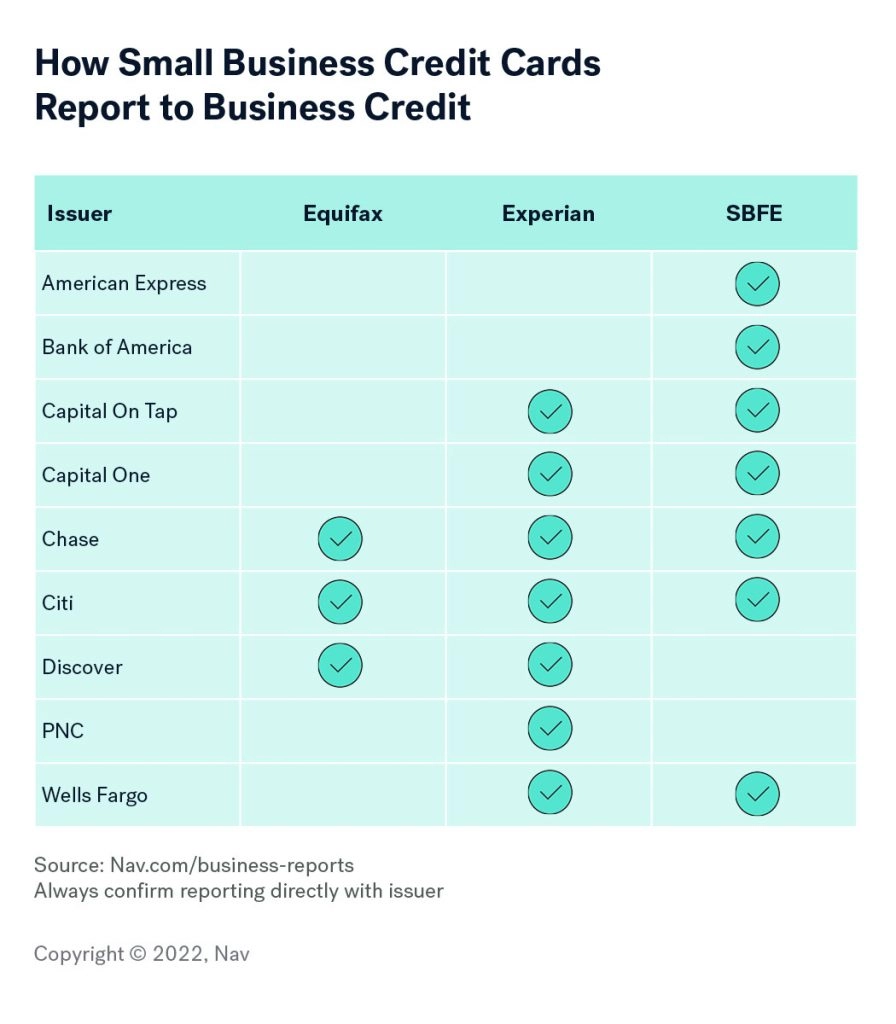
While AMEX primarily pulls from Experian, they report your monthly payment data and balances to all three major bureaus: Experian, TransUnion, and Equifax. This is beneficial because it means your responsible use of an AMEX card will help build your credit score across the entire financial landscape, not just with one agency.
The Business Card Distinction
One of the most valuable “Money” secrets regarding American Express is their reporting policy for business credit cards. Most AMEX business cards do not report to your personal credit report as long as your account is in good standing.
- Why this matters: If you have a large business expense and carry a balance, it won’t inflate your personal credit utilization or lower your personal credit score.
- The Exception: If you become significantly delinquent, AMEX reserves the right to report that negative information to your personal bureaus.
Understanding the “Statement Close” Cycle
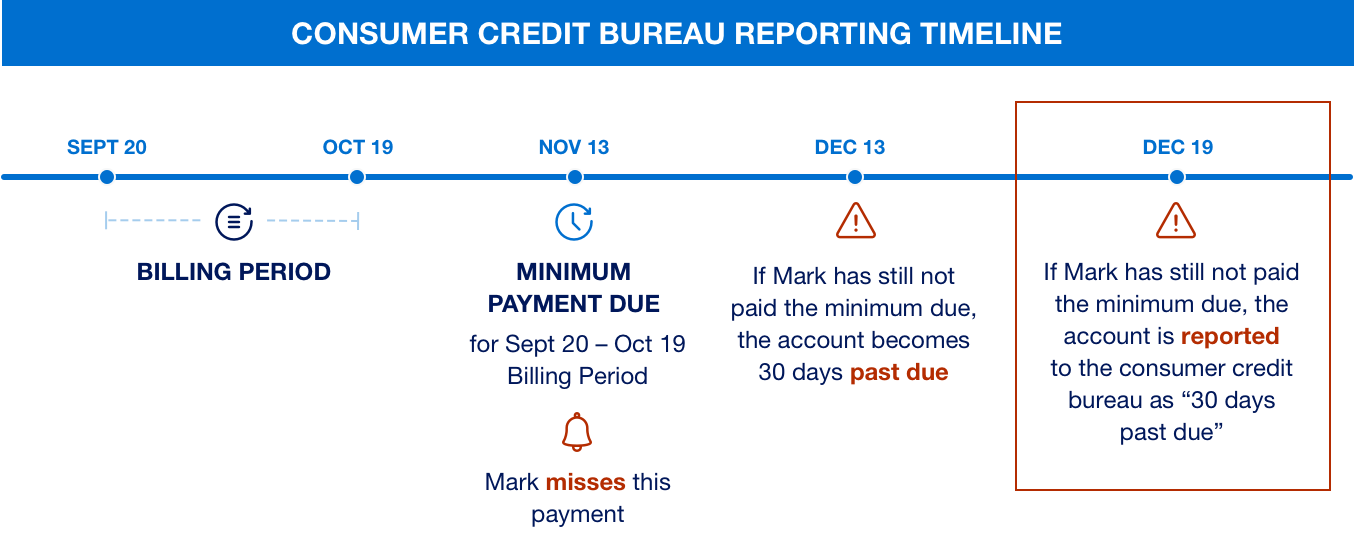
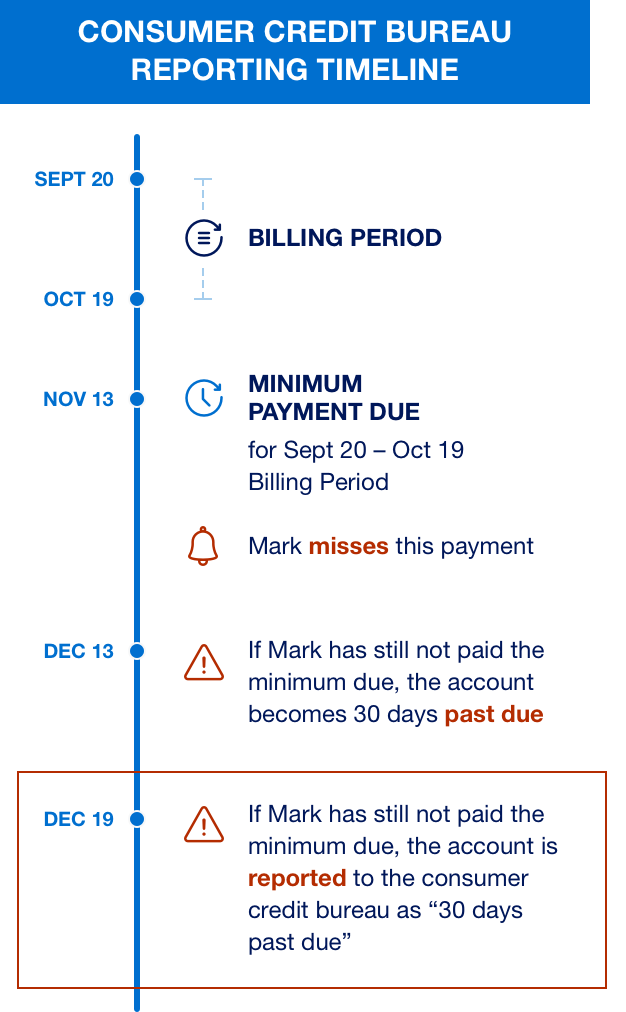
To maintain a high score, pay attention to your statement closing date. AMEX typically reports your balance to the bureaus a few days after your statement closes. If you want a $0 balance to reflect on your Experian report, make sure the payment is made before the statement period ends, rather than just before the due date.
Final Strategic Summary
For anyone navigating the world of personal finance, understanding the mechanics of American Express is essential. By knowing that Experian is their bureau of choice, you can focus your energy on polishing one specific report.
Remember the AMEX strategy:
- Prioritize Experian: Clean up errors and lower utilization on this report specifically.
- Leverage the Relationship: Use your first card to “get in,” then enjoy the benefit of soft pulls for future cards.
- Use the “Apply with Confidence” Tool: Take the guesswork out of the application process.
- Monitor Your Business Credit: Utilize AMEX business cards to keep high balances off your personal credit profile.
By aligning your financial habits with the known preferences of American Express, you position yourself not just for a card approval, but for a long-term partnership with one of the world’s most robust financial institutions.
aViewFromTheCave is a participant in the Amazon Services LLC Associates Program, an affiliate advertising program designed to provide a means for sites to earn advertising fees by advertising and linking to Amazon.com. Amazon, the Amazon logo, AmazonSupply, and the AmazonSupply logo are trademarks of Amazon.com, Inc. or its affiliates. As an Amazon Associate we earn affiliate commissions from qualifying purchases.