
Life, in its astonishing diversity and complexity, hinges on a fundamental process: the generation of energy within its smallest building blocks – cells. From the single-celled organism thriving in a primordial soup to the intricate human brain orchestrating thought and movement, every biological function demands a constant supply of power. But where does this vital energy originate? While the immediate answer might seem biological, delving deeper reveals fascinating parallels and implications that resonate with the core principles of technology, branding, and even finance. Understanding cellular energy production isn’t just a biological curiosity; it’s a blueprint for efficient systems, sustainable growth, and the very essence of vitality.

The Cellular Powerhouse: Mitochondria and Beyond
At the heart of cellular energy production lies a microscopic organelle, often referred to as the “powerhouse” of the cell: the mitochondrion. These specialized structures are where the majority of ATP (adenosine triphosphate) – the universal energy currency of cells – is generated. ATP is like the rechargeable battery for all cellular activities, powering muscle contractions, nerve impulses, protein synthesis, and countless other vital processes.
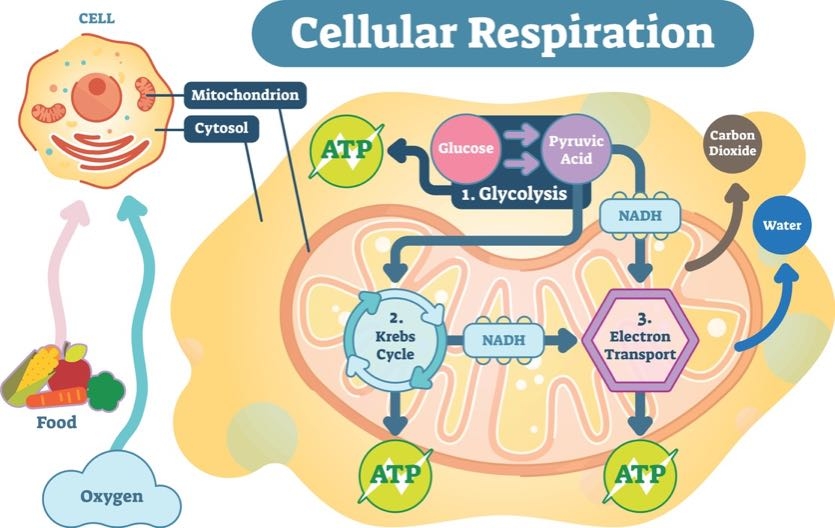
The primary mechanism by which mitochondria produce ATP is through a process called cellular respiration. This complex biochemical pathway can be broadly divided into three main stages: glycolysis, the Krebs cycle (also known as the citric acid cycle), and oxidative phosphorylation.
Glycolysis: The Initial Spark
Glycolysis, meaning “sugar splitting,” is the initial stage of cellular respiration and occurs in the cytoplasm of the cell, outside the mitochondria. During glycolysis, a molecule of glucose, a simple sugar derived from our diet, is broken down into two molecules of pyruvate. This process yields a small net gain of ATP and also produces high-energy electron carriers called NADH. While glycolysis can occur in the absence of oxygen, its ATP yield is relatively modest. Think of this as the initial spark or the preliminary energy extraction from raw fuel before it enters the more sophisticated refining process.
The Krebs Cycle: The Central Processing Unit
Once pyruvate enters the mitochondria, it is further processed and converted into acetyl-CoA. This molecule then enters the Krebs cycle. This cyclical series of reactions further breaks down the carbon atoms, releasing carbon dioxide as a waste product. Crucially, the Krebs cycle generates a significant amount of electron carriers, primarily NADH and FADH2. These molecules are not directly used to power cellular functions but are instrumental in the next, most energy-intensive stage of ATP production. The Krebs cycle is akin to a sophisticated processing unit, systematically extracting valuable components and preparing them for maximum energy conversion.
Oxidative Phosphorylation: The Grand Finale
The most prolific ATP-generating stage is oxidative phosphorylation, which takes place across the inner mitochondrial membrane. Here, the electron carriers (NADH and FADH2) donate their high-energy electrons to a chain of protein complexes embedded in the membrane, known as the electron transport chain. As electrons are passed from one complex to another, energy is released. This energy is used to pump protons (hydrogen ions) from the mitochondrial matrix into the intermembrane space, creating a concentration gradient.
This gradient represents stored potential energy, much like water behind a dam. These protons then flow back into the mitochondrial matrix through a specialized enzyme called ATP synthase. This flow of protons drives the synthesis of ATP from ADP (adenosine diphosphate) and inorganic phosphate. This is where the vast majority of cellular energy is produced, hence the “powerhouse” designation. Oxidative phosphorylation is the sophisticated assembly line, efficiently converting the extracted energy into usable ATP.
Beyond Mitochondria: Alternative Energy Pathways
While mitochondria are the undisputed champions of ATP production in most eukaryotic cells, it’s important to acknowledge that other processes contribute to cellular energy. In some cases, especially under anaerobic conditions (when oxygen is limited), cells can rely on fermentation.
Fermentation: The Backup Generator
Fermentation is a metabolic pathway that regenerates NAD+ from NADH, allowing glycolysis to continue producing a small amount of ATP even without oxygen. The most common types of fermentation are lactic acid fermentation (occurring in muscle cells during strenuous exercise) and alcoholic fermentation (used by yeast to produce ethanol and carbon dioxide). Fermentation is less efficient than aerobic respiration, yielding far less ATP per glucose molecule. However, it serves as a critical backup system, ensuring that cells can maintain minimal energy production when oxygen is scarce. This is analogous to a backup generator kicking in when the primary power source is unavailable.
Photosynthesis: The Ultimate Energy Source (for Autotrophs)
While the focus has been on energy creation within animal and fungal cells, it’s essential to recognize the ultimate source of energy for much of life on Earth: photosynthesis. Plants, algae, and some bacteria are autotrophs, meaning they can produce their own food. They use sunlight, water, and carbon dioxide to create glucose and oxygen through photosynthesis. This glucose then serves as the fuel for cellular respiration, both within the plant itself and for the organisms that consume it. Photosynthesis is the planet’s primary solar panel, converting light energy into chemical energy that sustains ecosystems.
Implications and Analogies: Energy in a Broader Context
The intricate processes of cellular energy production offer powerful analogies for understanding efficiency, innovation, and sustainability in human endeavors, particularly in technology, branding, and finance.
Technology: Optimizing Performance and Efficiency
In the realm of technology, the pursuit of efficiency is paramount. Just as cells strive to maximize ATP yield from glucose, technology aims to achieve maximum output with minimal resource input.
- Algorithm Optimization: Advanced algorithms are designed to process data and execute tasks with the speed and precision of cellular respiration. Just as the Krebs cycle efficiently extracts electrons, optimized algorithms minimize computational cycles and memory usage. Think of AI tools for data analysis or efficient software development pipelines.
- Energy Harvesting: The development of energy-harvesting technologies, from solar panels to kinetic energy converters, mirrors the way cells capture and convert energy from their environment. The quest for better battery technology and power management in gadgets is a direct parallel to the cellular drive for efficient ATP synthesis.
- System Architecture: The modular design of mitochondria, with distinct stages and specialized components like ATP synthase, reflects robust system architecture in software and hardware. A well-designed system is composed of interconnected, efficient modules that work together seamlessly, much like the components of cellular respiration.
- Digital Security: Just as cells have defense mechanisms against damage, digital systems require robust security protocols to protect sensitive data and prevent energy drain from malicious attacks. A breach in security is akin to a cellular malfunction that depletes vital energy.
Brand: Sustaining Growth and Relevance
A brand, much like a cell, needs a constant supply of energy to thrive, evolve, and remain relevant in a competitive landscape.
- Brand Strategy as Metabolic Pathway: A strong brand strategy is the metabolic pathway that converts raw market potential into tangible brand value. This involves identifying the “nutrients” (customer needs, market trends), processing them effectively (unique value proposition, compelling messaging), and delivering “energy” (customer engagement, loyalty, sales).
- Innovation as ATP Production: Continuous innovation is the engine that drives a brand forward, analogous to ATP production. Investing in research and development, adapting to new technologies, and creating novel products or services are akin to the efficient energy conversion within mitochondria. A stagnant brand, like a cell with depleted energy stores, will inevitably decline.
- Marketing as Electron Transport: Marketing campaigns, in their various forms, are the mechanisms that transport the brand’s value proposition to its target audience. Effective marketing channels, compelling storytelling, and targeted outreach are like the electron transport chain, moving energy (brand awareness and desire) to where it can be utilized (customer purchase).
- Reputation Management as Cellular Integrity: Maintaining a positive reputation is crucial for a brand’s sustained energy. Negative press or customer dissatisfaction can be like cellular damage, depleting brand energy and hindering growth. Robust customer service and ethical practices are the cellular repair mechanisms.
Money: Generating and Managing Resources
The principles of cellular energy generation are deeply intertwined with personal and business finance, focusing on the creation, management, and efficient utilization of resources.
- Income Generation as Glycolysis: Earning income, whether through a primary job, side hustles, or investments, is the initial extraction of financial “energy” from the market. This is the fundamental step of acquiring resources to power other financial activities.
- Investing as the Krebs Cycle and Oxidative Phosphorylation: Investing is where financial resources are processed and leveraged to generate greater returns. Smart investing strategies are like the Krebs cycle and oxidative phosphorylation, systematically converting initial capital into a more potent form (growth, dividends, capital appreciation). This requires careful analysis, strategic allocation, and a long-term perspective, mirroring the sophisticated nature of these cellular processes.
- Financial Planning as Energy Metabolism: Effective financial planning ensures that income is efficiently converted into savings, investments, and wealth. Budgeting, debt management, and strategic spending are the metabolic pathways that dictate how financial energy is utilized. Poor financial planning leads to “energy deficits,” hindering progress.
- Side Hustles as Fermentation: Side hustles can be seen as fermentation in the financial world. They provide supplementary income and can keep financial “energy” flowing, especially during periods of primary income fluctuation. While not as potent as a diversified investment portfolio, they are a vital backup and a means to keep financial momentum going.
- Financial Tools as Cellular Machinery: Various financial tools, from budgeting apps to investment platforms, act as the “machinery” that facilitates financial energy generation and management. Just as ATP synthase is crucial for energy synthesis, efficient financial tools streamline processes and maximize returns.

Conclusion: The Unifying Principle of Energy
From the microscopic world of the cell to the macroscopic realms of technology, brand building, and financial management, the creation and utilization of energy are fundamental to existence and progress. Cells meticulously convert simple fuels into usable ATP, powering the very essence of life. In parallel, we design technologies that optimize performance, build brands that resonate with sustainable value, and manage our finances to ensure growth and security. The lessons learned from the cell’s tireless quest for energy are not confined to biology textbooks; they offer profound insights into how we can create, sustain, and amplify the vital forces that drive our own success and innovation in every facet of our lives. Understanding “what creates energy in a cell” is, in essence, understanding the fundamental engine room of progress itself.
aViewFromTheCave is a participant in the Amazon Services LLC Associates Program, an affiliate advertising program designed to provide a means for sites to earn advertising fees by advertising and linking to Amazon.com. Amazon, the Amazon logo, AmazonSupply, and the AmazonSupply logo are trademarks of Amazon.com, Inc. or its affiliates. As an Amazon Associate we earn affiliate commissions from qualifying purchases.