
The question “what company owns the most companies?” seems straightforward, yet its answer is anything but simple. In the intricate tapestry of global finance and corporate structures, ownership takes on myriad forms, driven by diverse investment strategies, market dynamics, and regulatory landscapes. To truly address this question, one must delve beyond a mere count and understand the varying definitions of “ownership” and the distinct financial motivations behind vast corporate empires. This exploration falls squarely within the domain of “Money,” examining corporate finance, investment strategies, market influence, and the economic implications of extensive holdings.
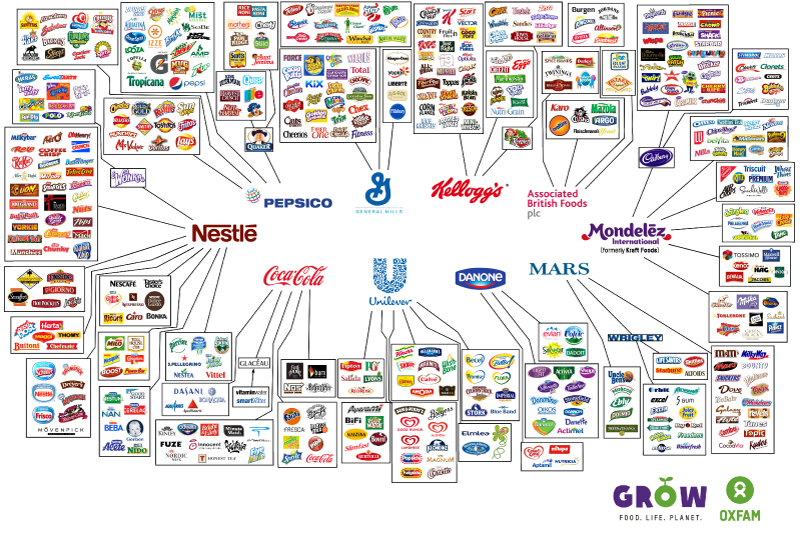
The Complex Definition of “Ownership” in the Modern Economy
Before naming any specific entity, it’s crucial to define what “owning a company” truly means in the contemporary business world. The concept is far more nuanced than simply buying 100% of a business.
Beyond Simple Acquisition: Stakes, Subsidiaries, and Controlling Interests
Corporate ownership manifests in several key forms, each with different implications for control, financial reporting, and market influence:
- Wholly-Owned Subsidiary: This is the most unambiguous form, where a parent company owns 100% of another company. The subsidiary’s financials are fully consolidated into the parent’s, and the parent exerts complete operational control. Examples include Google’s ownership of YouTube, or Facebook’s (Meta’s) ownership of Instagram and WhatsApp.
- Majority Stake: Here, a company owns more than 50% but less than 100% of another company’s voting shares. This typically grants controlling interest, meaning the parent company can dictate strategic decisions, appoint board members, and influence operations. While not a full acquisition, it grants substantial power.
- Minority Stake with Significant Influence: A company might own a substantial minority stake (e.g., 20-50%) in another, often accompanied by board representation or specific agreements that give it significant influence over the target company’s financial and operating policies. This is common in strategic partnerships or venture capital investments.
- Minority Passive Investment: This involves owning less than 20% of a company, usually for financial gain without seeking to influence management. These are often portfolio investments held by institutional investors.
- Joint Ventures and Partnerships: Two or more companies might co-own a new entity or project, sharing control and profits based on their agreed-upon stakes.
The sheer volume of companies “owned” depends heavily on which of these definitions we employ. If we count every single passive investment, the number skyrockets. If we restrict it to wholly-owned subsidiaries, the list becomes much narrower. The financial implications of each type of ownership — from consolidation on balance sheets to the recognition of equity earnings — are fundamental to understanding the scale of these entities.
Distinguishing Between Operational Conglomerates and Investment Giants
This distinction is perhaps the most critical for answering our titular question. There are two primary categories of entities that “own” numerous companies, but their fundamental business models and financial objectives are vastly different:
- Operational Conglomerates: These are companies whose core business involves acquiring, integrating, and operating a diverse portfolio of businesses across various industries. Their goal is often to generate profits from the combined operations, achieve synergies, and grow their overall enterprise value through strategic acquisitions. Companies like Berkshire Hathaway or Alphabet fall into this category, albeit with different industry focuses. Their financial statements reflect the direct operational performance of their many subsidiaries.
- Investment Giants (Asset Managers and Institutional Investors): These entities, such as BlackRock, Vanguard, or State Street, manage vast pools of capital on behalf of clients (pension funds, individual investors, endowments). They invest this capital across thousands of publicly traded companies worldwide, often holding significant, albeit usually passive, minority stakes. Their “ownership” is primarily financial, driven by portfolio diversification and maximizing returns for their clients, rather than day-to-day operational control. While they don’t “run” these companies, their collective voting power often grants them considerable influence over corporate governance.
From a financial perspective, the asset managers certainly “own” more slices of more companies globally than any operational conglomerate. However, an operational conglomerate “owns” more companies in the sense of directly controlling and integrating their operations. Our discussion will acknowledge both perspectives, given the “Money” focus.
Contenders for the Title: Navigating the Landscape of Extensive Holdings
With the complexities of ownership defined, we can now examine the leading contenders from a financial and corporate strategy perspective.
The Titans of Asset Management: BlackRock, Vanguard, and State Street
If the question is about the sheer number of companies in which a single entity holds a significant equity stake, then the answer undoubtedly lies with the world’s largest asset managers. These firms are financial behemoths, managing trillions of dollars in assets through various funds, including passive index funds and exchange-traded funds (ETFs).
- BlackRock: As the world’s largest asset manager, BlackRock oversees assets exceeding $10 trillion. Through its iShares ETFs and other funds, it holds stakes in virtually every major publicly traded company globally. While these stakes are often minority positions (e.g., 5-10%), BlackRock is frequently the largest single shareholder in thousands of companies, from Apple and Microsoft to ExxonMobil and Coca-Cola. Their influence stems from their substantial voting power in shareholder meetings, which, although often exercised passively (following proxy advisor recommendations), can be decisive in corporate governance matters. Their financial power is immense, shaping market trends and corporate behavior through their sheer scale of investment.
- Vanguard: Another colossal asset manager, Vanguard manages over $7 trillion, primarily through its low-cost index funds. Similar to BlackRock, Vanguard holds significant, passive stakes in thousands of public companies worldwide, acting as a major institutional owner. Their investment philosophy prioritizes long-term, diversified ownership.
- State Street Global Advisors: With over $4 trillion in assets under management, State Street is the third of the “Big Three” passive asset managers. Its SPDR ETFs also mean it holds equity in a vast array of publicly listed companies, making it a powerful, if quiet, force in corporate boardrooms globally.
These firms don’t “own companies” in the sense of running them, but their combined financial holdings mean they have a significant financial interest and de facto ownership influence over a vast swathe of the global economy. For an investor, understanding their portfolios provides insight into the broadest possible diversification.
Diversified Conglomerates: The Operational Powerhouses
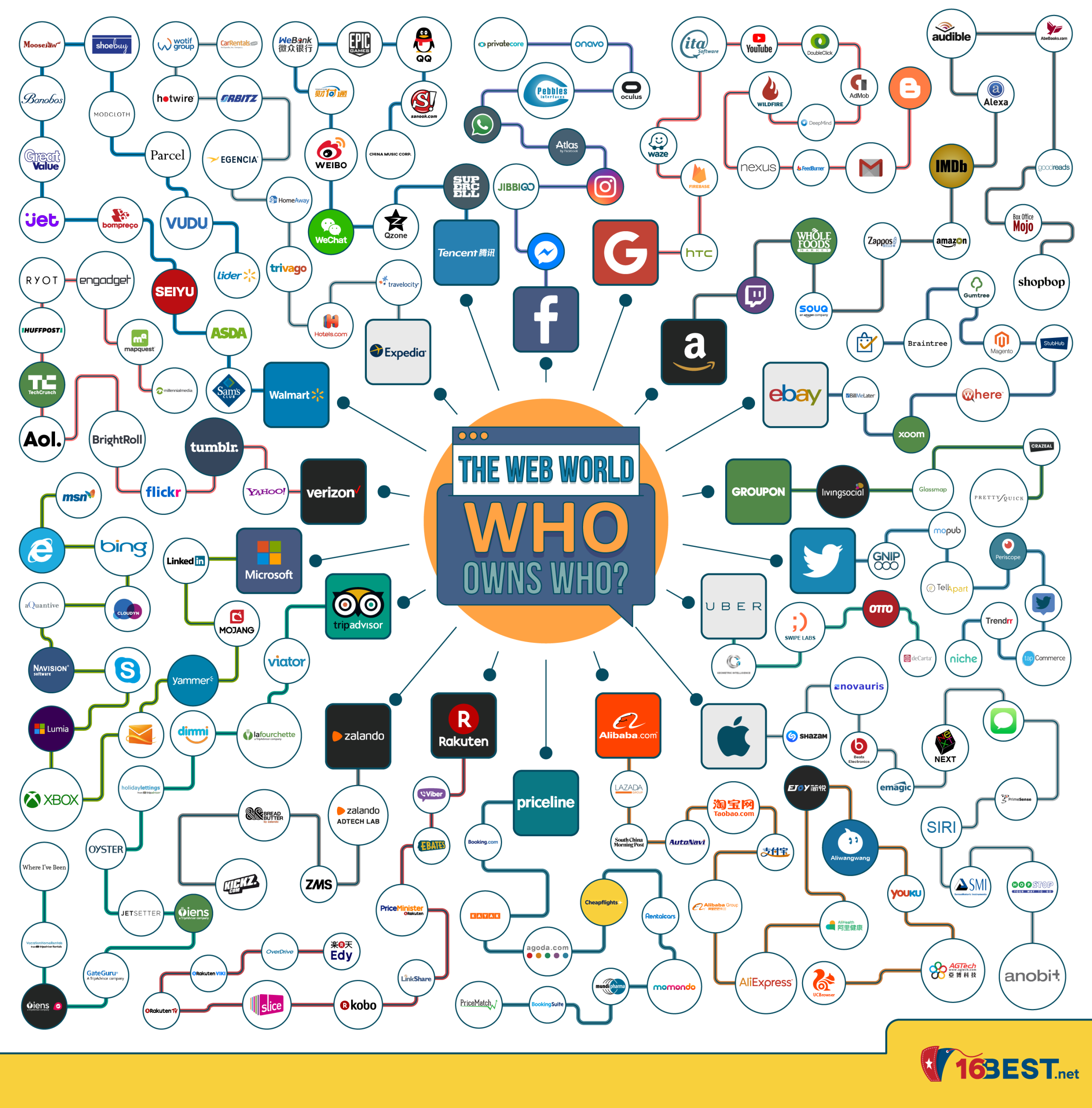
When we consider companies that actively acquire, manage, and integrate numerous operating businesses as part of their core strategy, a different set of names emerges. These are businesses built through strategic mergers and acquisitions (M&A) to diversify revenue streams, achieve market dominance, or capitalize on specific industry trends.
- Berkshire Hathaway: Under Warren Buffett’s leadership, Berkshire Hathaway is arguably the quintessential modern conglomerate. It owns dozens of diverse businesses outright (e.g., Geico, BNSF Railway, Dairy Queen, See’s Candies, Duracell, Fruit of the Loom), and holds significant minority stakes in many public companies (e.g., Apple, Coca-Cola, American Express). Its strategy is long-term value investing, acquiring strong businesses with durable competitive advantages and allowing them to largely operate autonomously. For investors, it represents a diversified portfolio of well-managed businesses, chosen for their financial resilience and growth potential.
- Alphabet (Google): While primarily known for its search engine, Alphabet is a vast conglomerate with numerous subsidiaries. Beyond Google Search, Ads, Android, and Chrome, it encompasses YouTube, Waymo (self-driving cars), Verily (life sciences), DeepMind (AI), and numerous other ventures. Alphabet’s strategy is to invest in and develop cutting-edge technologies, often acquiring promising startups to integrate into its ecosystem or nurture as “other bets.” Its financial structure reflects a core highly profitable business funding ambitious, long-term investments.
- Tencent Holdings: This Chinese technology giant is a prime example of an investment-heavy operational conglomerate. While known for WeChat and its gaming division, Tencent has made hundreds of investments globally, holding stakes in gaming companies (e.g., Riot Games, Epic Games), social media platforms, e-commerce, and fintech firms. Its strategy involves building a vast internet ecosystem through both internal development and aggressive external investments, often taking significant minority stakes that give it influence and access to new markets.
- Historically, General Electric (GE): Once a sprawling conglomerate involved in everything from aircraft engines and power generation to financial services and healthcare, GE exemplified extensive operational ownership. While it has since significantly divested and streamlined its portfolio, its past serves as a powerful example of a company that owned hundreds of diverse businesses.
The Role of Private Equity Firms in Corporate Sprawl
Private equity (PE) firms also “own” a vast number of companies, albeit typically for a defined period. Firms like Blackstone, KKR, Carlyle Group, or Apollo Global Management raise capital from institutional investors to acquire private companies (or public companies that they take private). They then aim to improve these businesses’ operational and financial performance over several years before selling them for a profit. A single large PE firm might concurrently own dozens or even hundreds of portfolio companies across various sectors. Their business model is entirely financial – buying, improving, and selling companies.
Why a Definitive Answer Remains Elusive and Dynamic
The absence of a single, universally agreed-upon answer underscores the fluid and complex nature of global corporate ownership.
The Shifting Sands of Mergers, Acquisitions, and Divestitures
The corporate landscape is in constant motion. Companies are bought, sold, merged, and spun off daily. A list of “owned companies” from yesterday might be outdated today. Financial motives drive these changes: companies acquire to gain market share, access new technologies, achieve synergies, or diversify risk. They divest to shed non-core assets, improve financial health, or unlock shareholder value. This dynamic environment makes any definitive count a moving target. The constant flow of capital and corporate transactions is a core aspect of business finance.
Geographic and Sectoral Nuances in Corporate Structures
Different regions and industries have varying norms for corporate ownership. In some countries, powerful holding companies are common. In others, complex cross-shareholding structures might exist. The rise of venture capital and startup ecosystems has also led to thousands of small, privately held companies with intricate ownership structures involving multiple investors. Furthermore, privately held entities, family offices, and sovereign wealth funds often hold significant, yet less publicly transparent, portfolios of companies, further complicating any global tally.
The Financial and Economic Implications of Concentrated Ownership
The concentration of ownership, whether by asset managers or conglomerates, has profound financial and economic implications that resonate across markets and societies.
Market Influence and Portfolio Diversification Strategies
Extensive ownership translates into significant market influence. The voting power of large institutional investors can sway board elections, approve mergers, and influence executive compensation, even if they claim a passive investment strategy. For the conglomerates, broad ownership allows for diversification of revenue streams, spreading risk across different industries and geographies. A downturn in one sector might be offset by growth in another, offering financial stability. For investors, understanding these diversified portfolios can inform their own strategies for mitigating risk and seeking returns.
Implications for Competition, Innovation, and Wealth Distribution
From an economic standpoint, concentrated ownership raises concerns about market competition. If a few large entities hold significant stakes across many competitors in an industry, it could potentially stifle competition, reduce innovation, and lead to higher prices for consumers. Moreover, the immense wealth accumulated by these large owners and their clients contributes to broader discussions about wealth distribution and economic inequality. The sheer scale of capital deployed by these entities profoundly impacts resource allocation and economic efficiency.
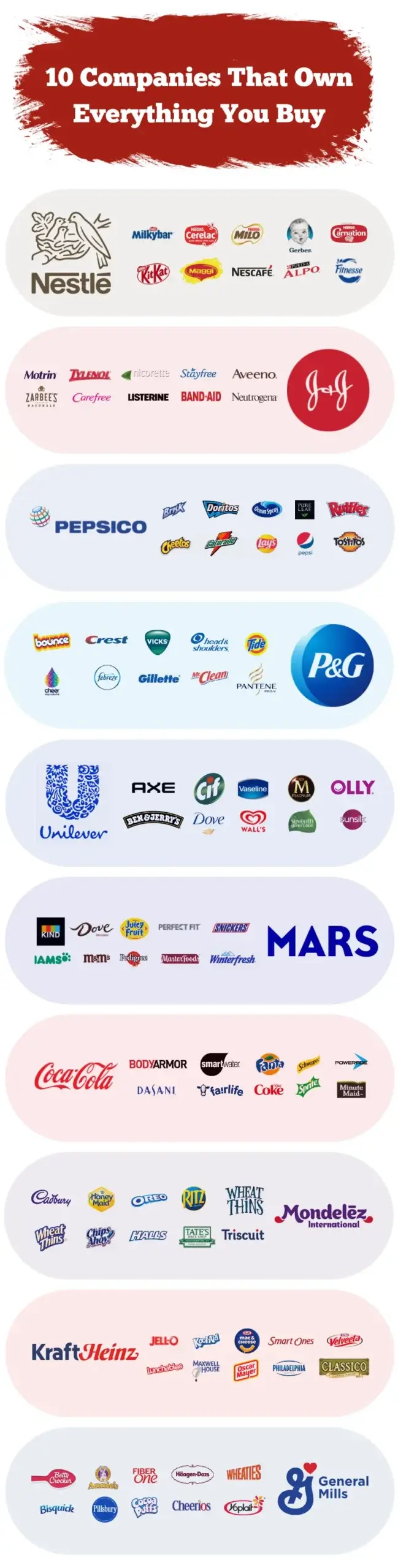
The Investor’s Perspective: Navigating Complex Corporate Trees
For individual and institutional investors, understanding the ownership landscape is critical. Investing in a company like Alphabet means indirectly investing in dozens of its subsidiaries. Analyzing a company with a sprawling corporate structure requires careful due diligence to assess the performance of its various segments, understand inter-company transactions, and accurately value the combined entity. The financial reporting of conglomerates, with their segmented disclosures, is designed to provide this transparency, but still requires sophisticated analysis.
In conclusion, while there isn’t a simple answer to “what company owns the most companies,” the behemoths of asset management like BlackRock, Vanguard, and State Street collectively hold stakes in the vast majority of publicly traded companies globally, giving them immense financial sway. Separately, operational conglomerates like Berkshire Hathaway, Alphabet, and Tencent directly own and manage a diverse portfolio of operating businesses. The question itself highlights the complex, dynamic, and financially driven nature of modern corporate power, where ownership is a powerful lever for influence, wealth creation, and strategic growth across the global economy.
aViewFromTheCave is a participant in the Amazon Services LLC Associates Program, an affiliate advertising program designed to provide a means for sites to earn advertising fees by advertising and linking to Amazon.com. Amazon, the Amazon logo, AmazonSupply, and the AmazonSupply logo are trademarks of Amazon.com, Inc. or its affiliates. As an Amazon Associate we earn affiliate commissions from qualifying purchases.